Introduction
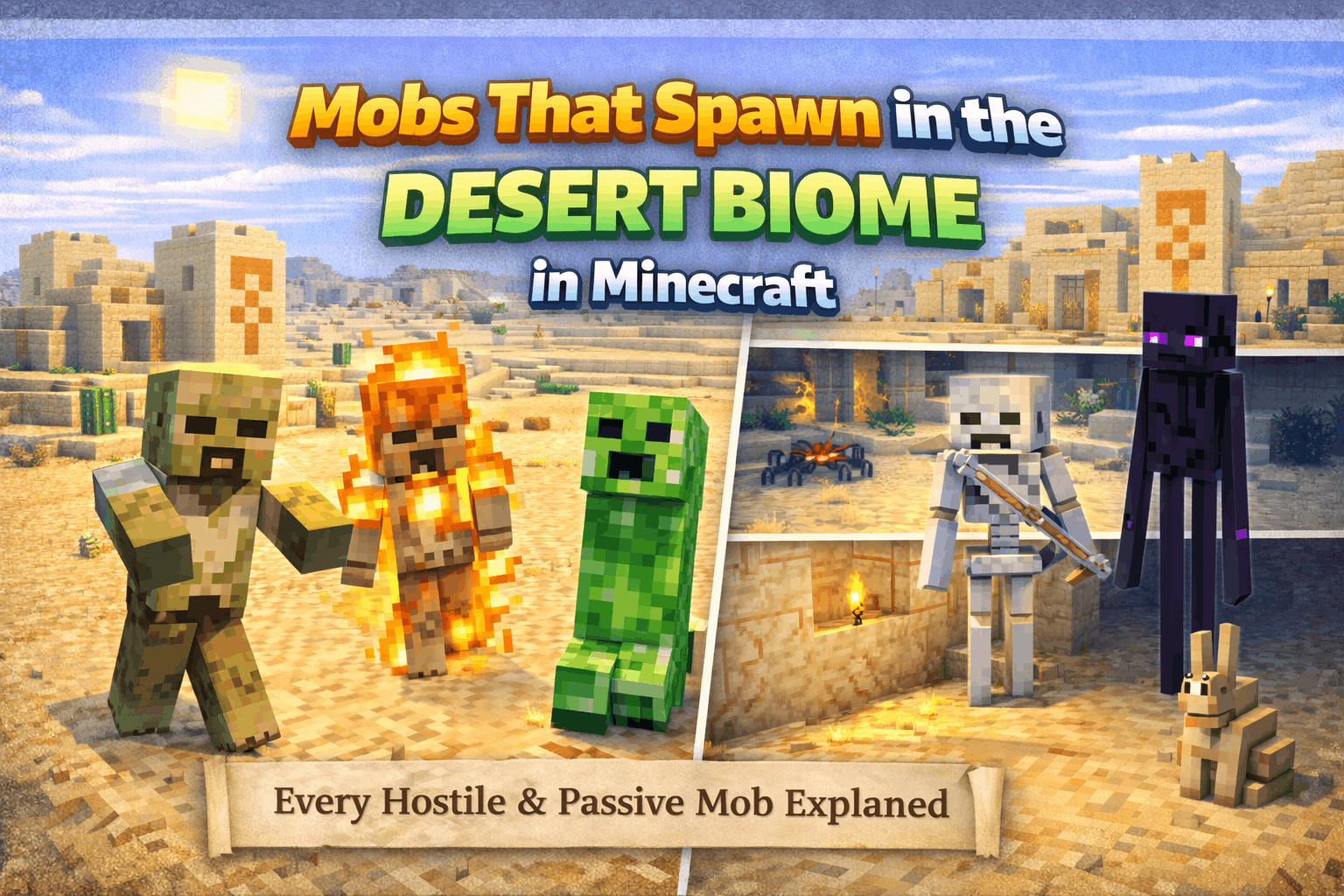
The Desert Biome in Minecraft may look empty during the day, but it becomes far more dangerous once mobs start spawning. With wide open terrain and little natural cover, desert mobs are easy to see—but also hard to escape from if you are unprepared.
Unlike some Biomes that have unique animals or rare creatures, the Desert biome focuses more on hostile threats and survival awareness. Understanding which mobs spawn here and how they behave can make the difference between surviving comfortably and constantly struggling.
This guide explains all mobs that spawn in the Desert biome, how dangerous they are, and what you should watch out for while surviving or Building in desert environments.
Why Mob Spawns Matter in the Desert Biome
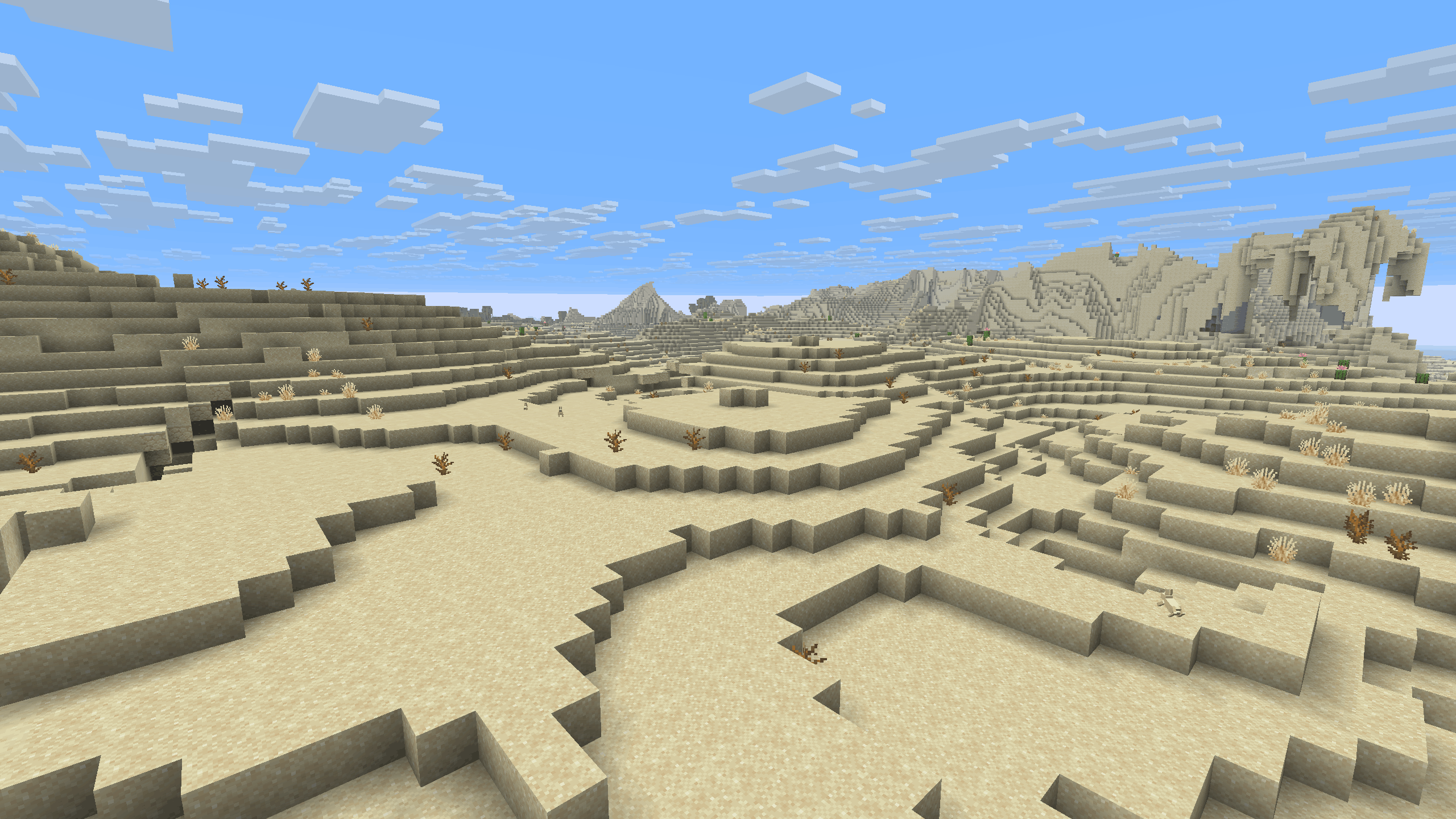
Deserts are flat, open, and bright. This means mobs can spot players from far away, especially at night. There are fewer trees, hills, or caves to block line of sight.
Because of this, desert mob encounters feel more direct and aggressive compared to forests or jungles. You don’t get many hiding spots, so awareness and preparation are extremely important.
Hostile Mobs That Spawn in the Desert Biome
Most hostile mobs that spawn in other overworld biomes also appear in deserts. However, the desert has one unique mob that changes survival difficulty significantly.
Husks – The Desert’s Unique Threat
Husks are a special zombie variant that only spawns in Desert biomes.
What makes Husks dangerous is that they do not burn in sunlight, unlike normal zombies. This means they can attack during the day as well as at night.
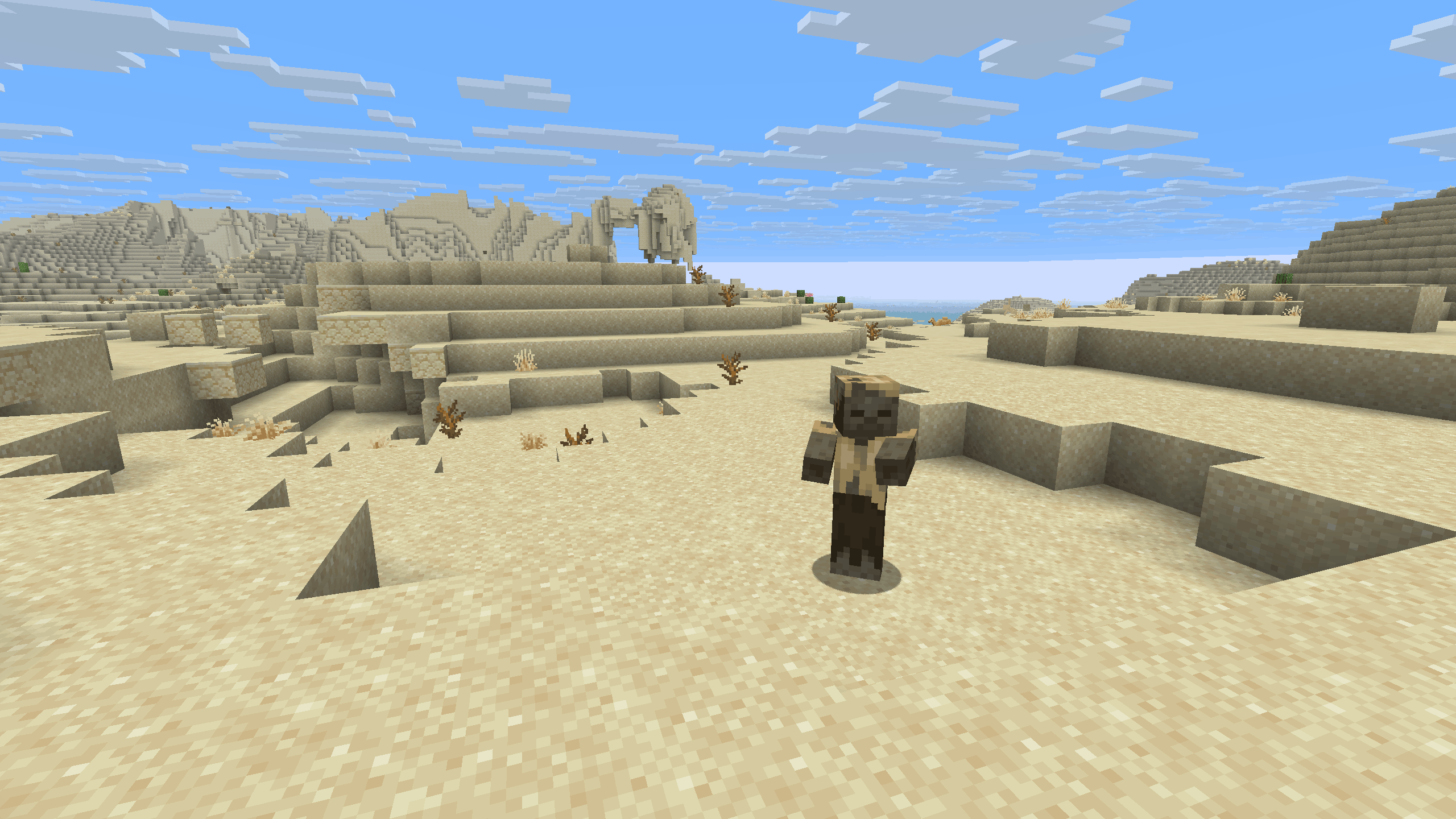
When a Husk hits the player, it applies the Hunger effect, which drains food quickly and makes escape harder. This is especially dangerous early in survival when food is limited.
Because deserts have fewer obstacles, Husks can approach from far away without being blocked.
Zombies in the Desert
Normal zombies still spawn in the Desert biome, especially at night or in low-light areas. They behave the same way as zombies in other biomes.
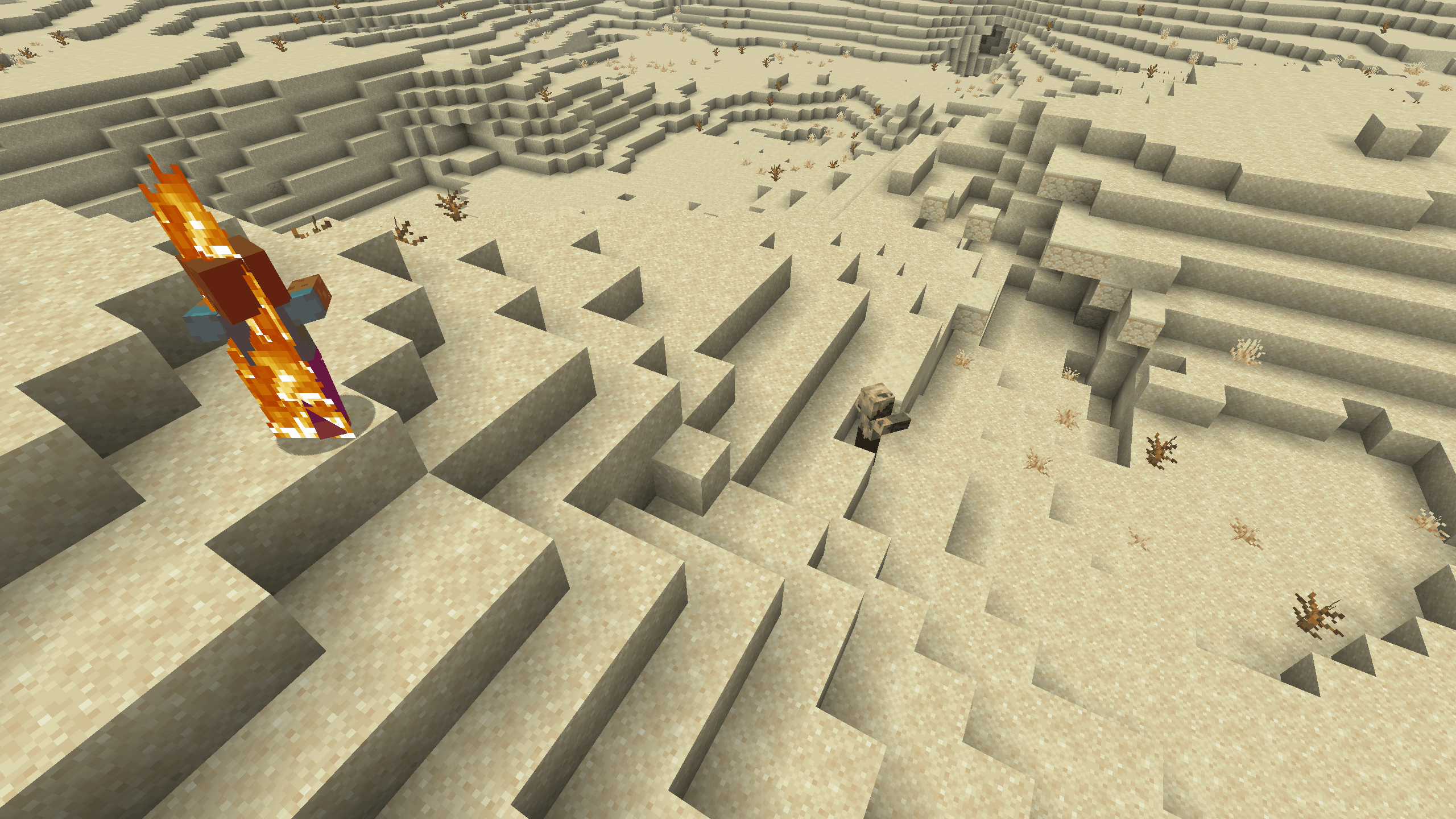
On higher difficulties, zombies can break wooden doors, making villages and bases vulnerable if not properly secured.
Although zombies burn in sunlight, Husks often replace them during daytime desert encounters.
Skeletons in the Desert
Skeletons spawn frequently in deserts due to the open terrain.
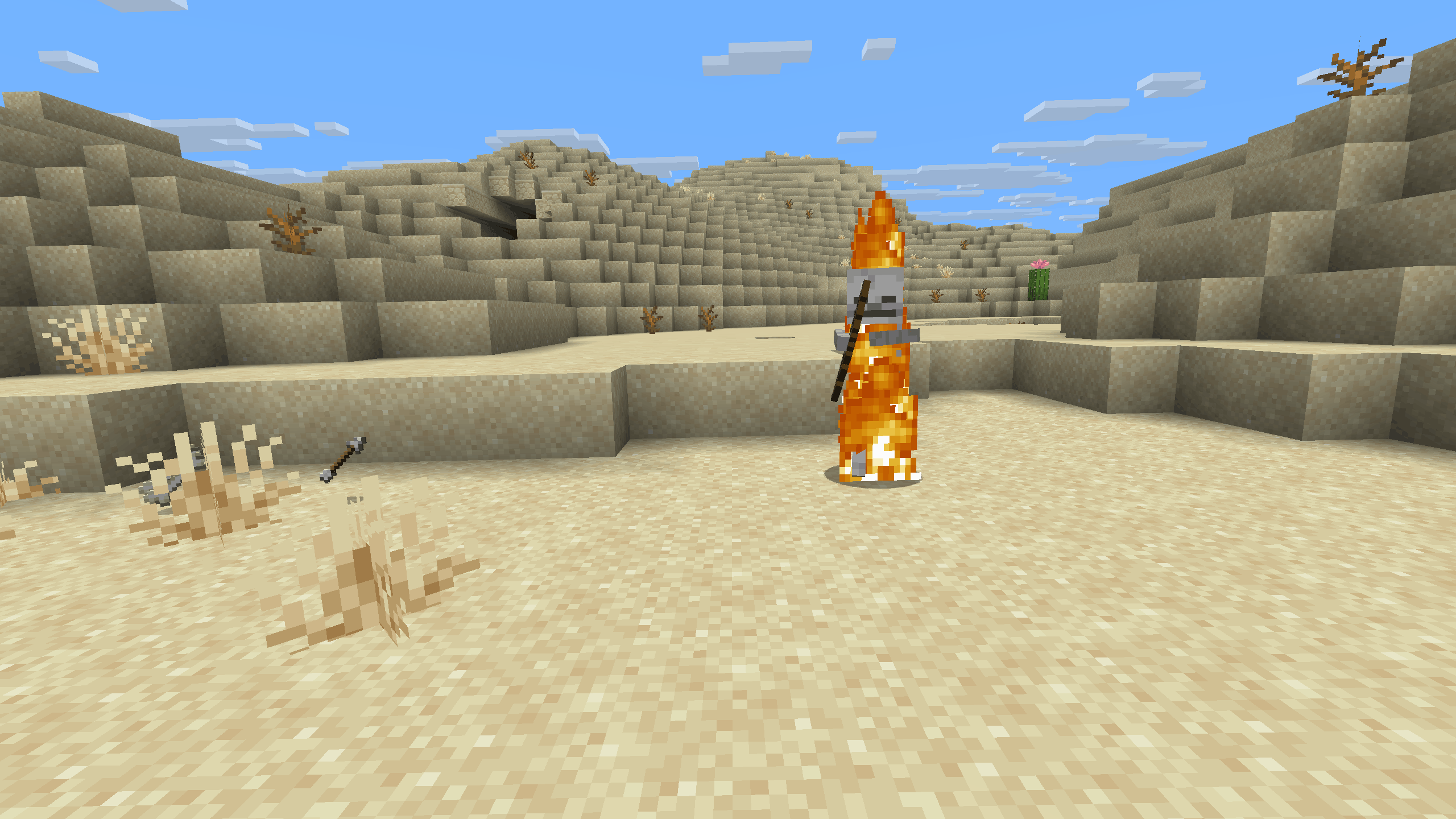
They are dangerous because:
-
They can attack from long distances
-
Open land gives them clear line of sight
-
Sand dunes offer little cover
Skeletons become especially dangerous at night when multiple mobs spawn at once. Shields are very useful for Desert Survival because of skeletons.
Creepers in the Desert Biome
Creepers spawn normally in the Desert biome and are harder to avoid due to the open landscape.
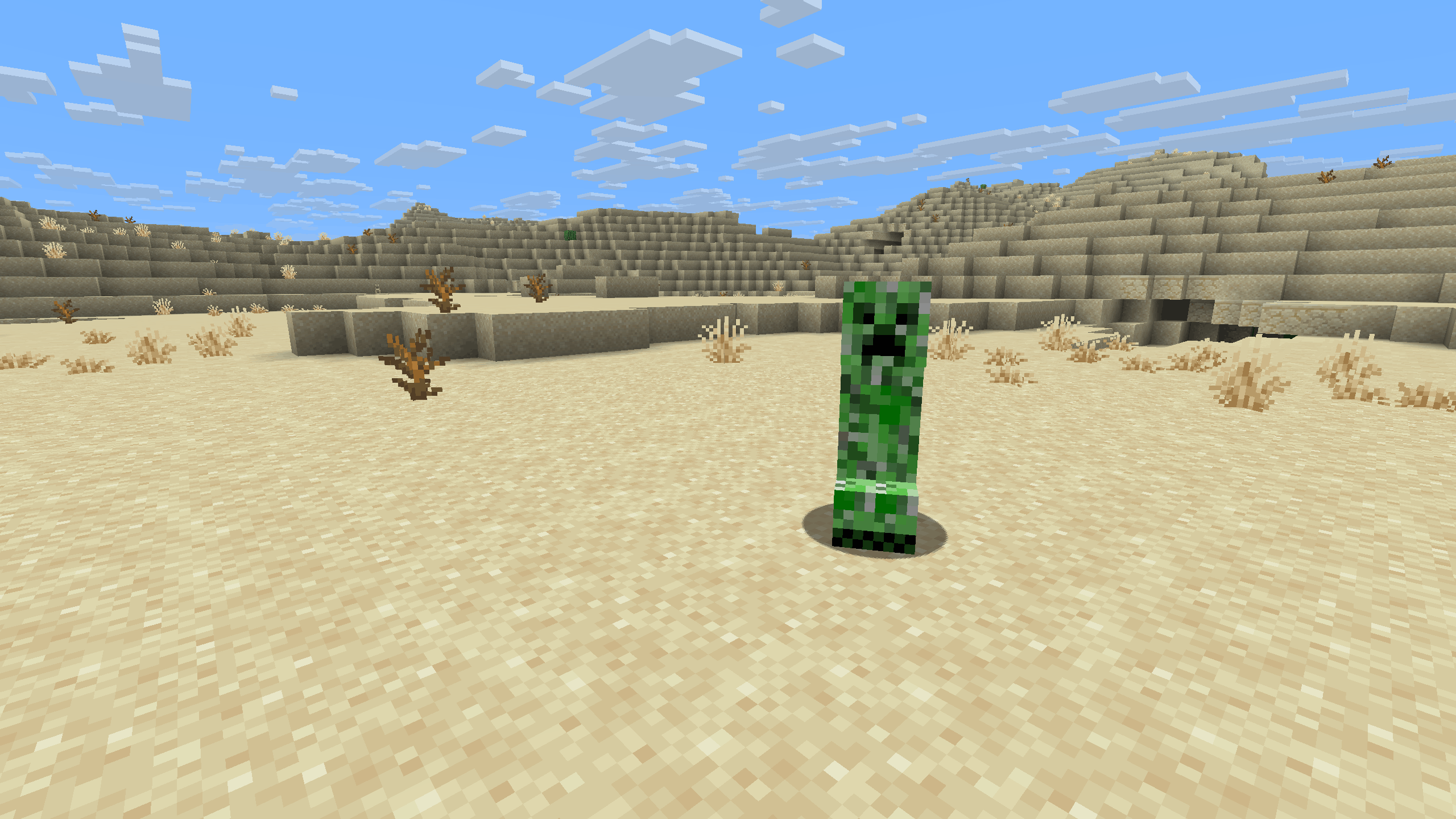
With fewer trees and obstacles, creepers can approach silently from behind or from the sides. Explosions can damage bases built from sand if players are not careful.
Good lighting and awareness are the best ways to prevent creeper damage in deserts.
Spiders in the Desert
Spiders spawn at night and in dark areas. They are neutral during the day but aggressive at night.
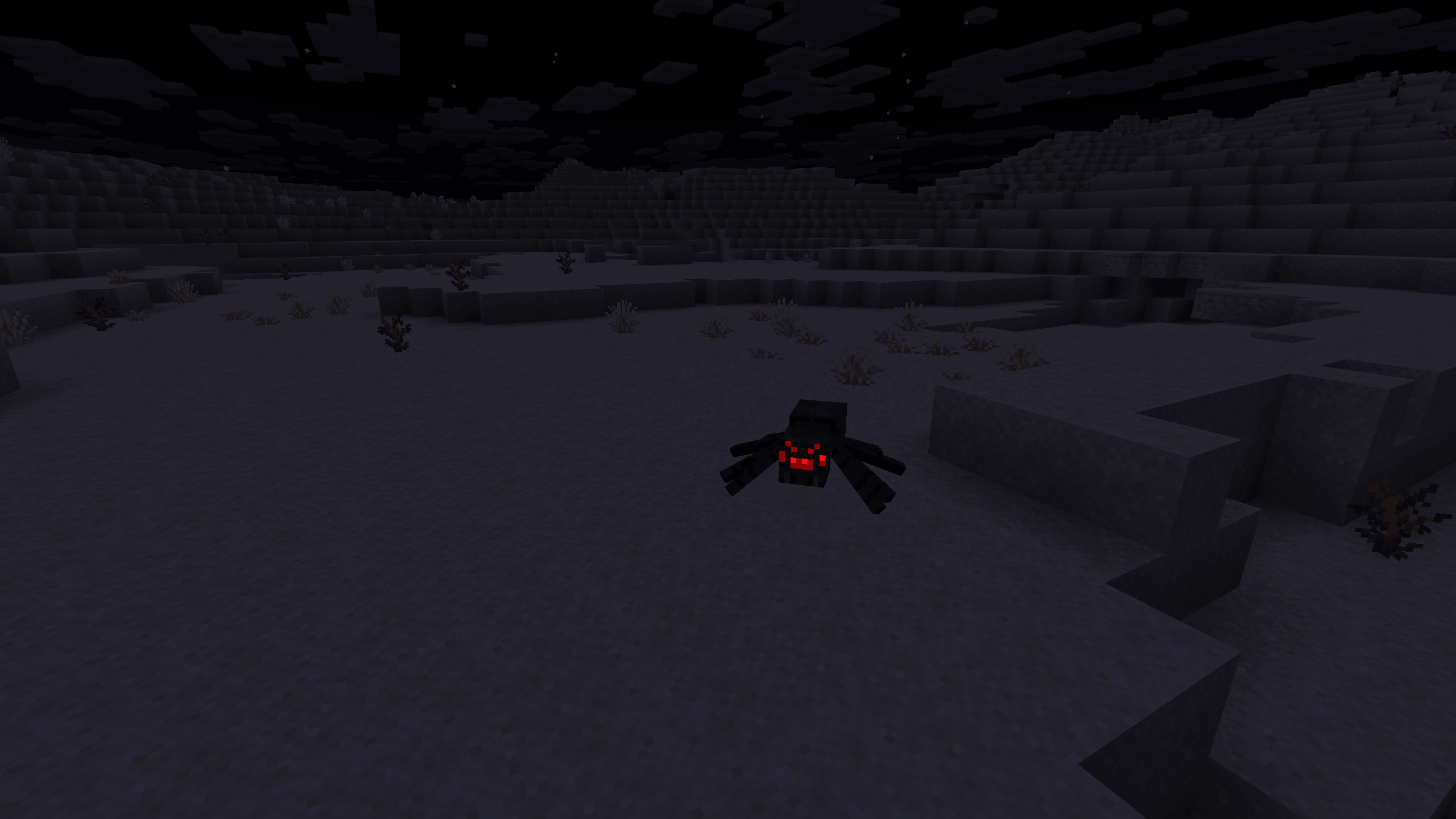
Because deserts are open, spiders often approach from unexpected angles. Their ability to climb walls makes them dangerous around village buildings and sandstone bases.
Spiders are less threatening than Husks or creepers, but still require caution.
Endermen in the Desert
Endermen spawn in deserts like most other biomes.
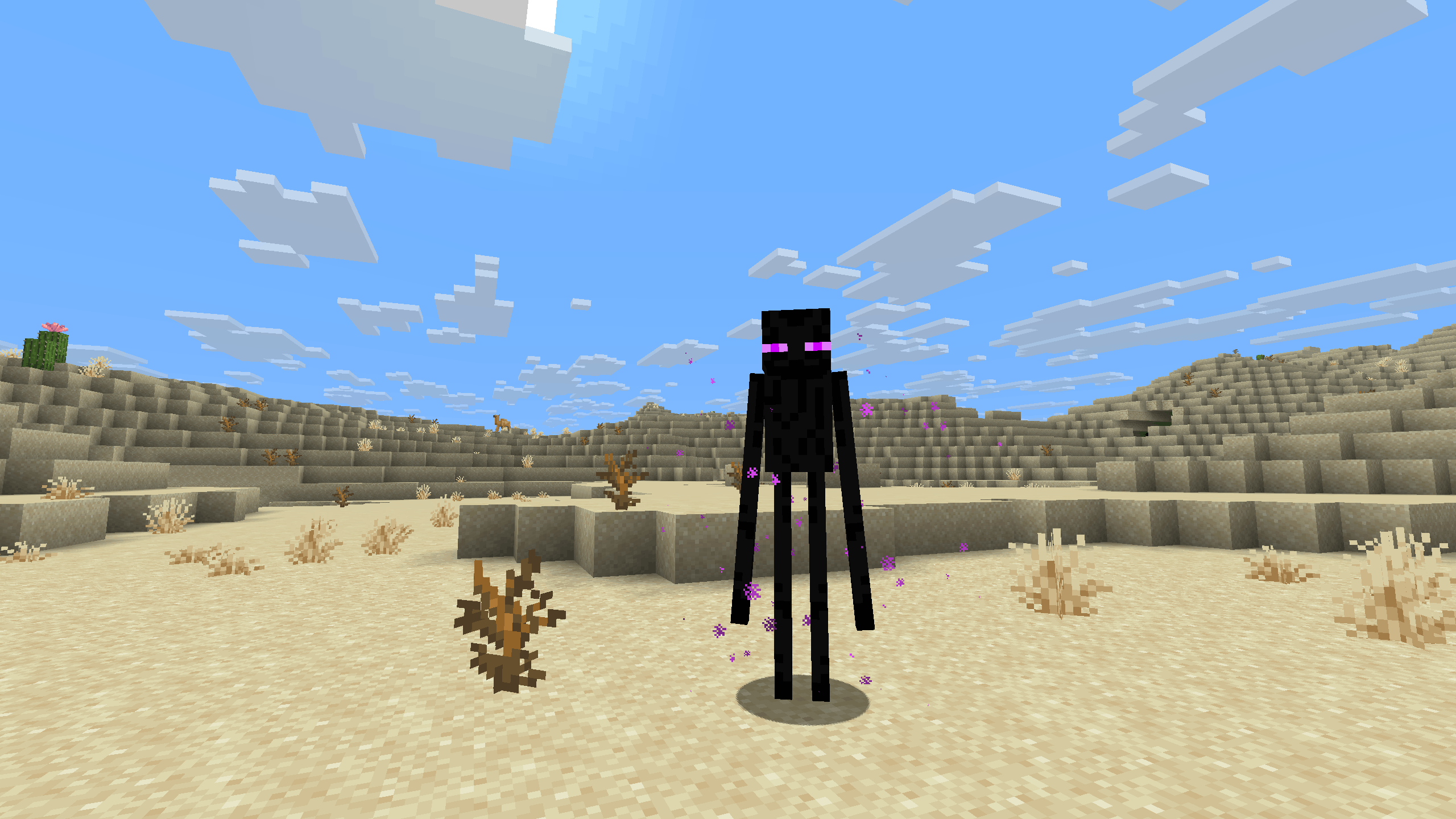
They are easy to spot against the bright sand, but their teleporting ability makes them unpredictable. Accidentally looking at an Enderman in the desert can lead to difficult fights with little cover.
Having water nearby or a safe shelter helps deal with Endermen safely.
Passive Mobs in the Desert Biome
Passive mobs are much less common in deserts compared to Plains or Forests. This directly affects food availability.
Rabbits – The Most Common Desert Animal
Rabbits are the most common passive mob in deserts.
They provide rabbit meat, which can be used for food, and rabbit hides for crafting. However, rabbits are small, fast, and not an ideal long-term food source.
They are useful early but should not be relied on alone.
Rare Passive Mob Spawns
Cows, pigs, and sheep rarely spawn in deserts unless the biome borders another area like plains or savannas.
Because of this, deserts often force players to:
-
Import animals
-
Rely on village farms
-
Start crop farming early
This is one reason desert survival feels harder at the start.
Mobs in Desert Villages
Desert Villages are not mob-free zones.
At night, hostile mobs can spawn near villages if lighting is poor. Husks are especially dangerous because they don’t burn during the day and can overwhelm villagers.
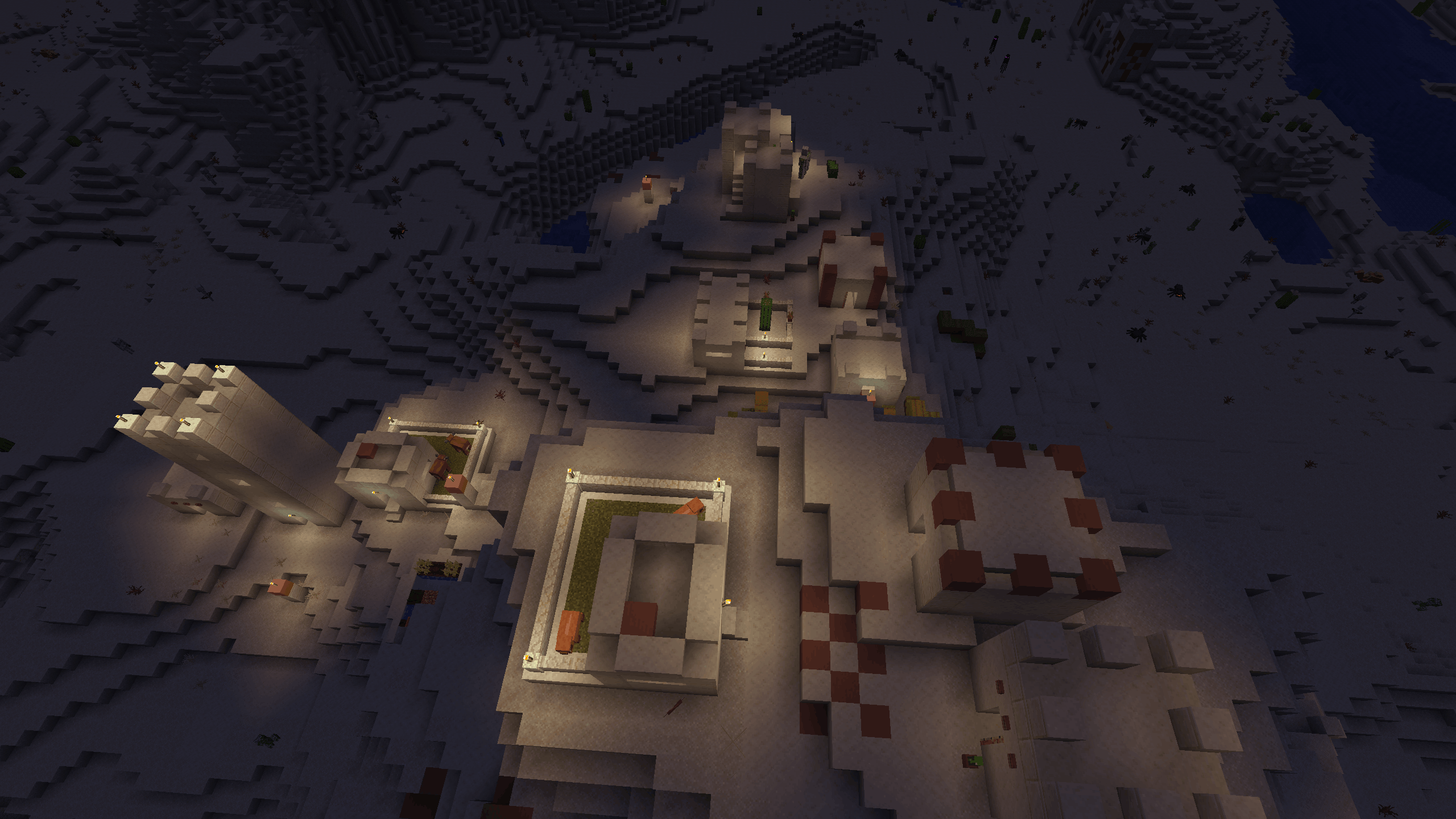
Iron Golems provide some protection, but villages still need torches, walls, and proper door management to stay safe.
How Mob Spawns Affect Desert Survival
Mob behavior in deserts encourages careful planning.
Key survival adjustments include:
-
Lighting large areas early
-
Building solid shelters instead of sand structures
-
Carrying shields
-
Sleeping through the night
Because deserts offer visibility but little cover, players must rely on preparation rather than hiding.
Is the Desert Biome More Dangerous Than Others?
The Desert biome is not the most dangerous biome, but it feels more dangerous because of visibility and Husk behavior.
Compared to forests, deserts have fewer surprise attacks.
Compared to plains, deserts have harsher food and mob pressure.
Compared to jungles, deserts are easier to navigate but less forgiving.
The danger comes from exposure, not randomness.
Final Thoughts
The Desert biome in Minecraft may look empty, but its mob spawns make survival more intense and focused. Husks, skeletons, and creepers take full advantage of the open landscape, forcing players to stay alert at all times.
Once lighting, food, and shelter are secured, desert mob encounters become predictable and manageable. Understanding which mobs spawn here—and why—turns the desert from a threat into a controlled environment.
For players who like visibility, structure, and long-term planning, desert mobs are a challenge worth mastering.