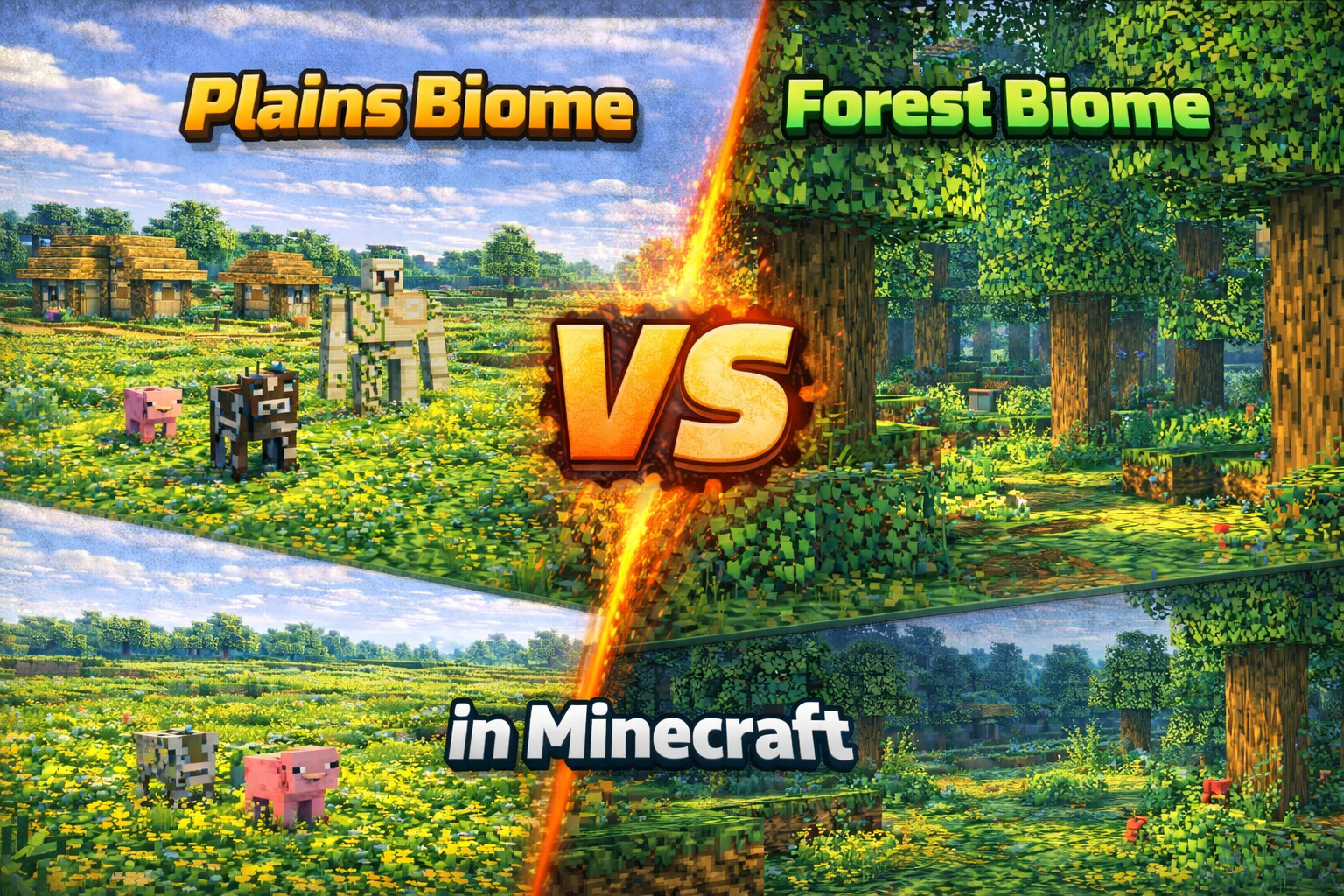
Choosing the right Biome in Minecraft can shape your entire survival experience. Two of the most common and beginner-friendly options are the Plains Biome and the Forest Biome. Both are safe compared to extreme biomes, both provide essential resources, and both are popular starting points.
But they are not the same.
Some players prefer the wide open land of the Plains, while others like the natural cover and wood supply of forests. Understanding the differences between these two biomes helps you decide Where to build your first base, how fast you can progress, and which biome fits your playstyle.
This guide breaks down Plains biome vs Forest biome in terms of survival, Resources, Mobs, building, and long-term use.
Overview of the Plains Biome
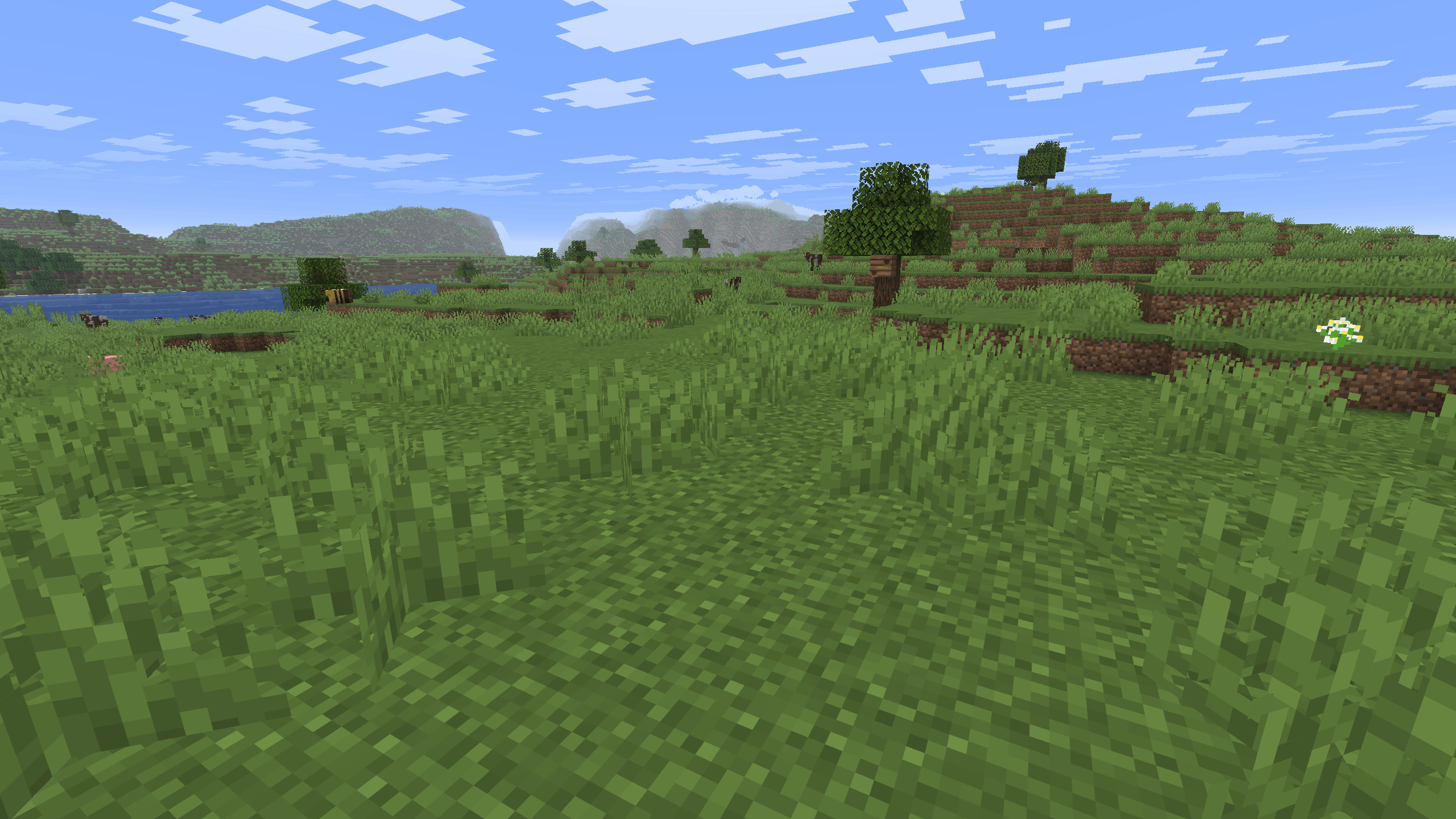
The Plains biome is defined by flat grassy land, gentle hills, and open visibility. It usually generates near forests, rivers, and Villages.
Plains biomes are known for:
-
Flat terrain
-
High animal spawns
-
Frequent villages
-
Easy movement
Because of this balance, Plains biomes are often recommended for beginners and long-term survival worlds.
Overview of the Forest Biome
The Forest biome is filled with trees, grass, flowers, and uneven terrain. It feels more natural and dense compared to Plains.
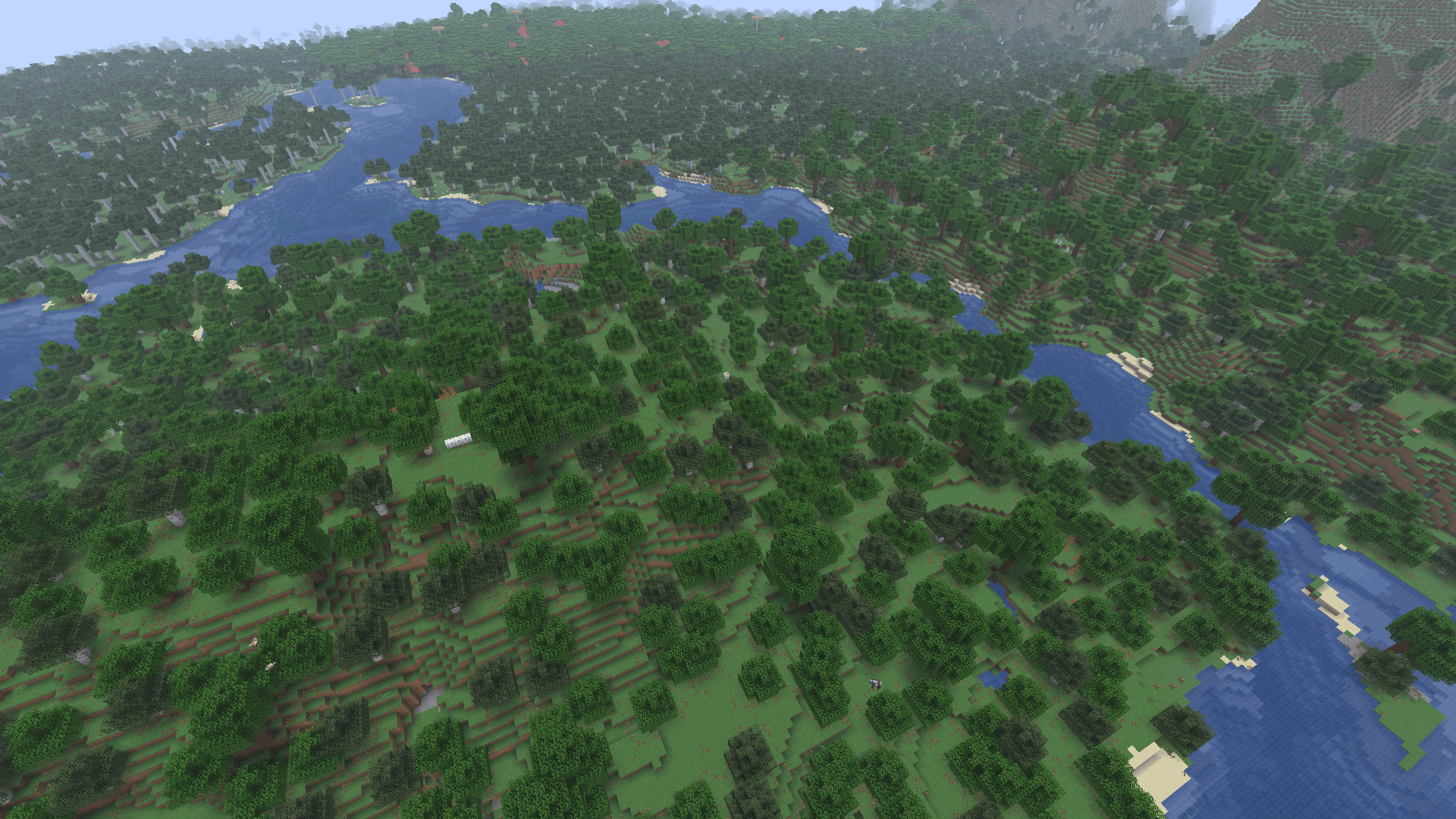
Forest biomes are known for:
-
Abundant wood
-
Natural cover
-
Moderate mob spawns
-
Slightly uneven land
Forests are popular for players who want resources immediately and don’t mind navigating through trees.
Terrain and Movement Comparison
Terrain is one of the biggest differences between Plains and Forest biomes.
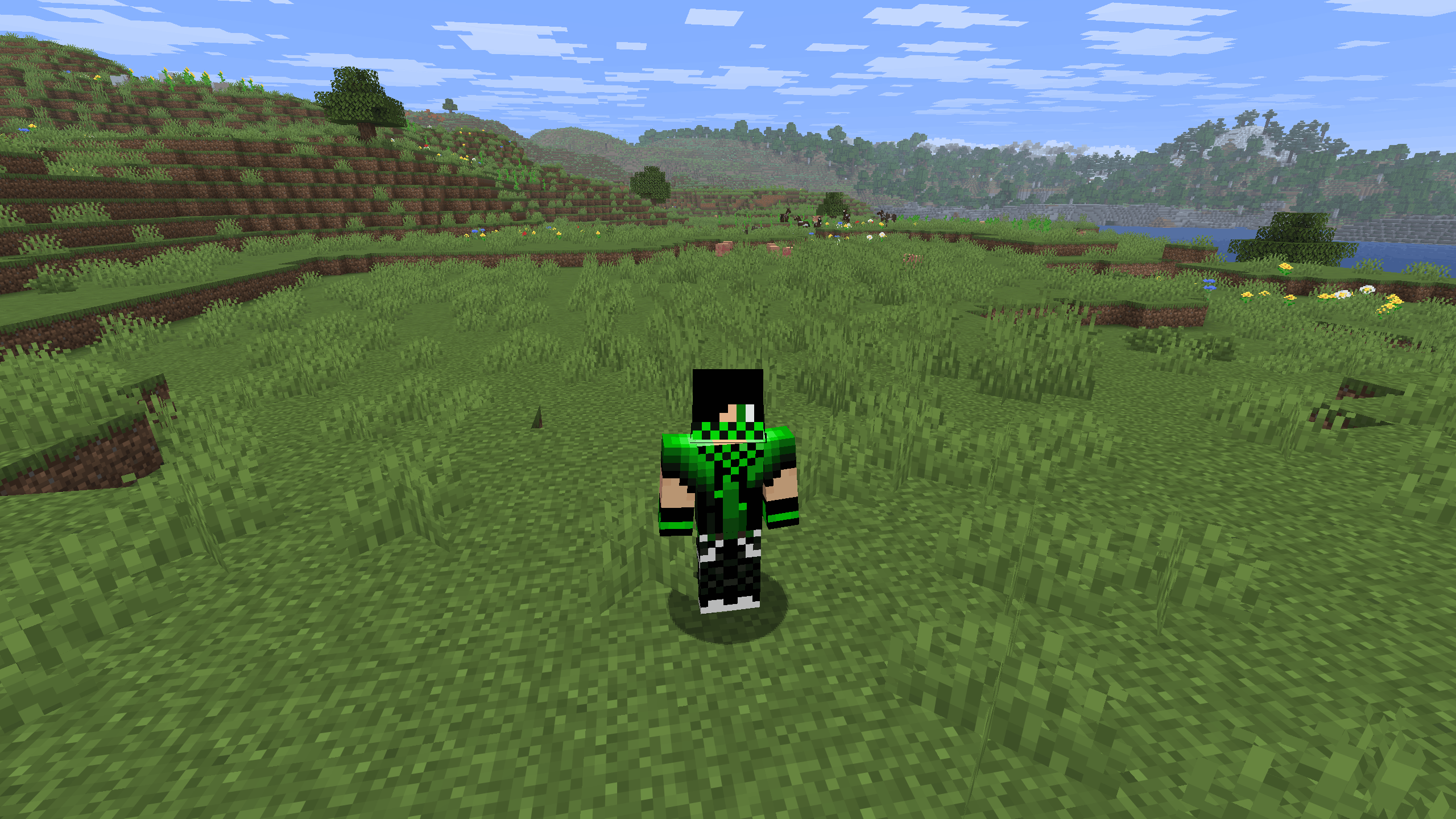
Plains biomes offer wide open land that makes movement fast and safe. There are fewer obstacles, which reduces the risk of fall damage and makes exploration easier.
Forest biomes slow movement due to trees, leaves, and uneven ground. While this adds atmosphere, it can be frustrating early on, especially at night.
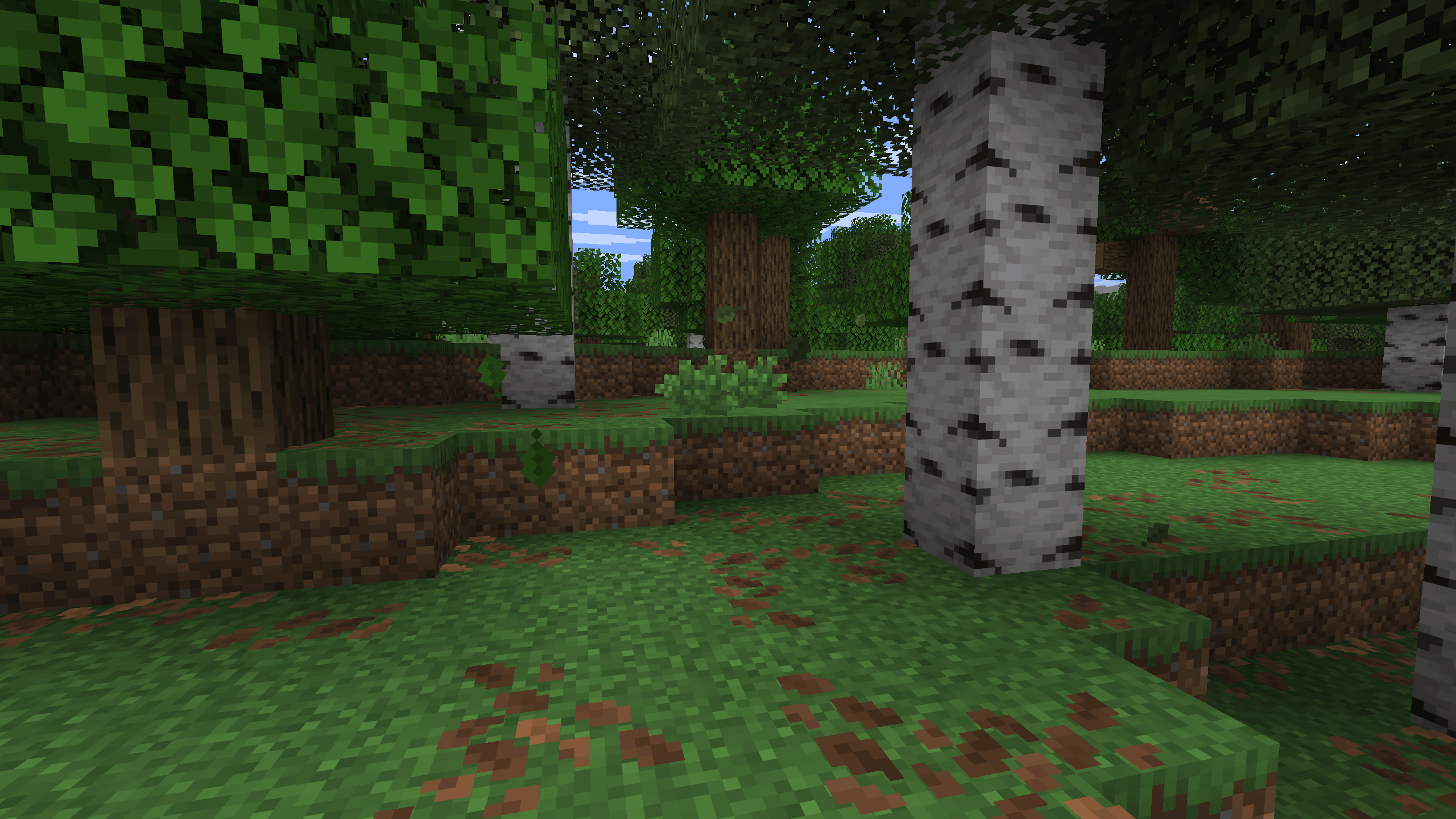
Winner for movement: Plains biome
Resource Availability
Both biomes provide essential resources, but in different ways.
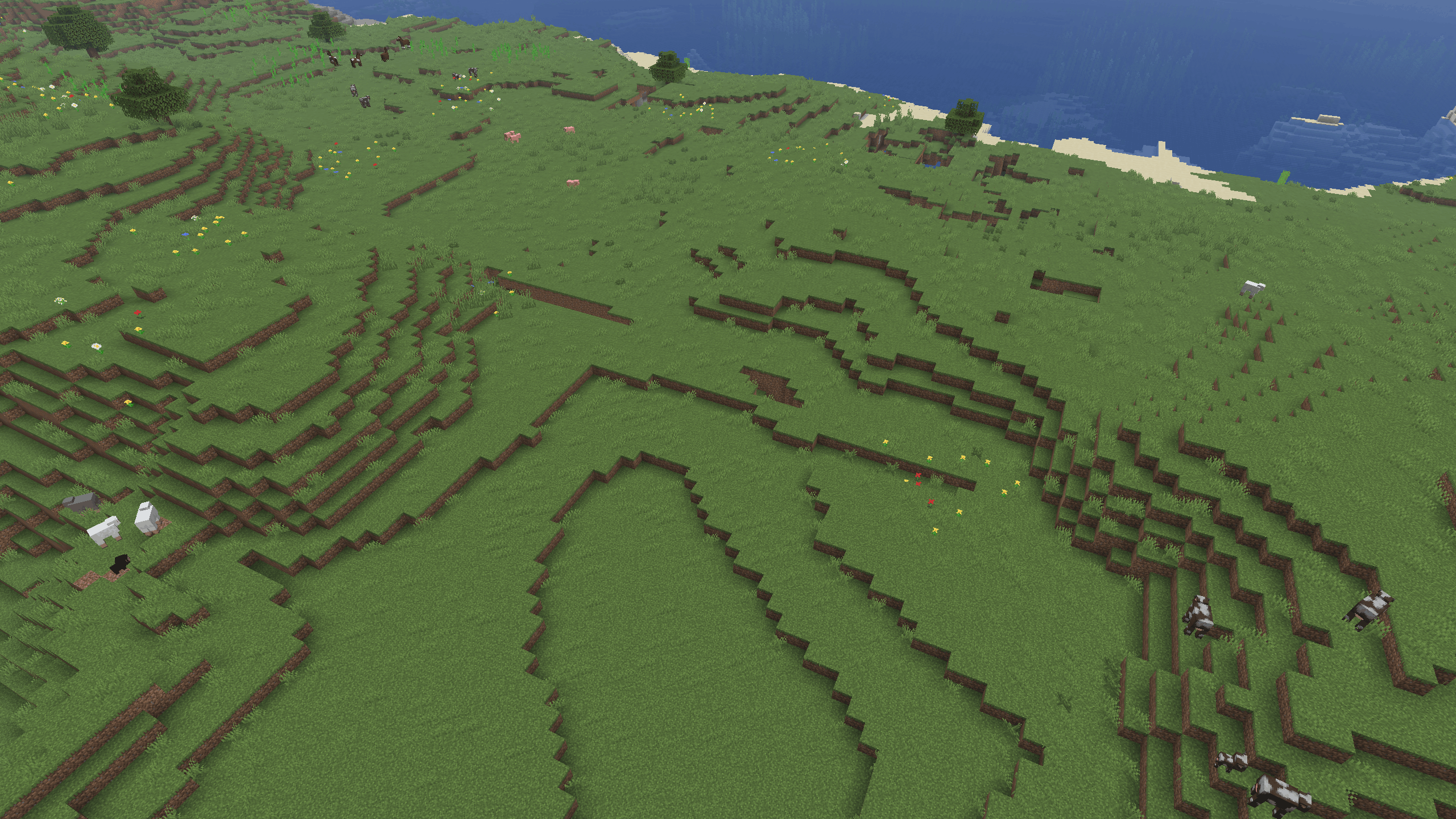
Plains biomes excel in food resources. Passive mobs like cows, sheep, pigs, and chickens spawn frequently. Farming is easy due to flat land and grass availability.
Forest biomes excel in wood supply. Trees are everywhere, making tools and shelters easy to craft early on. However, food can sometimes be less visible due to dense foliage.
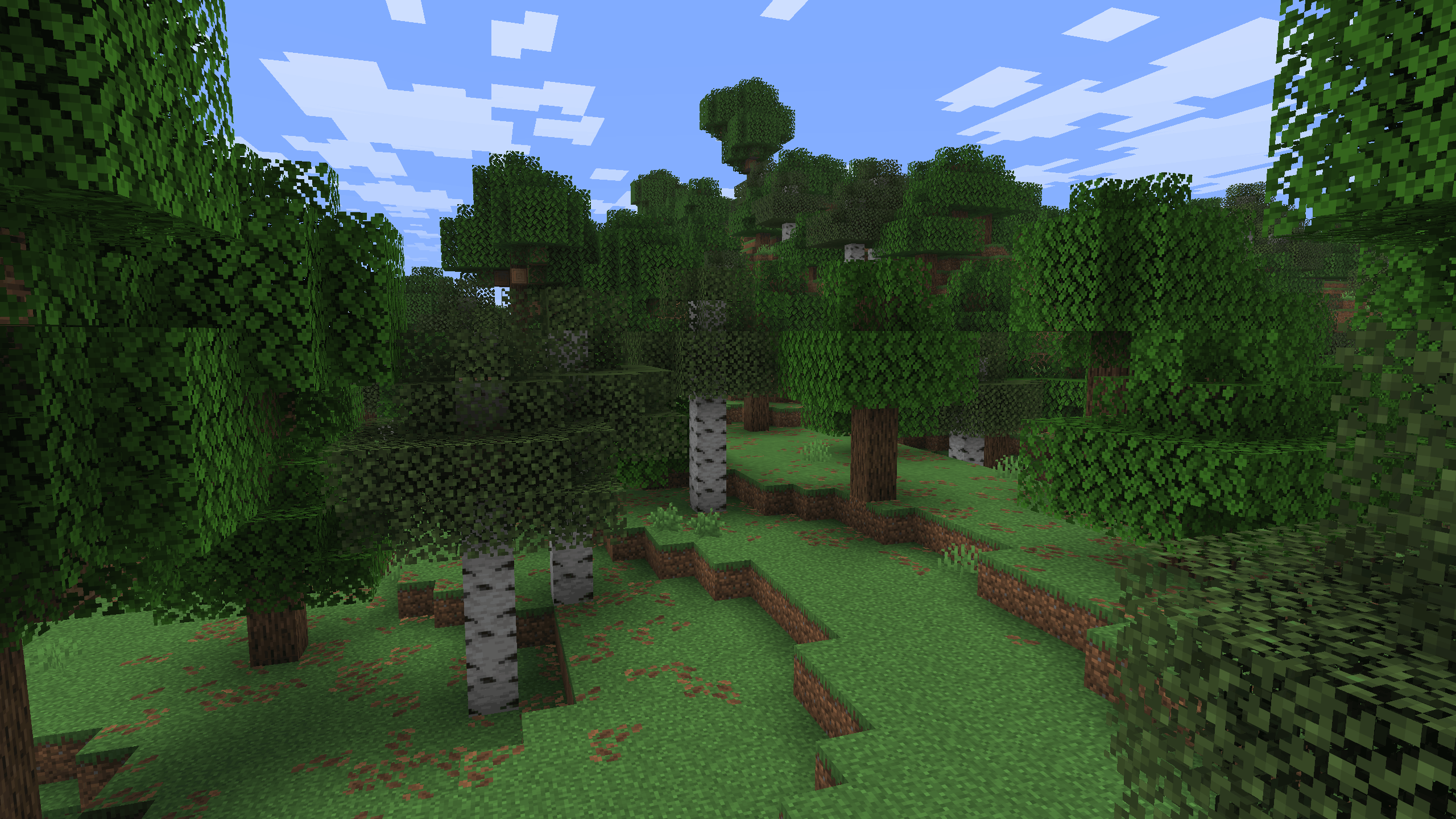
Winner for food: Plains biome
Winner for wood: Forest biome
Villages and Structures
Villages are one of the most important early-game advantages.
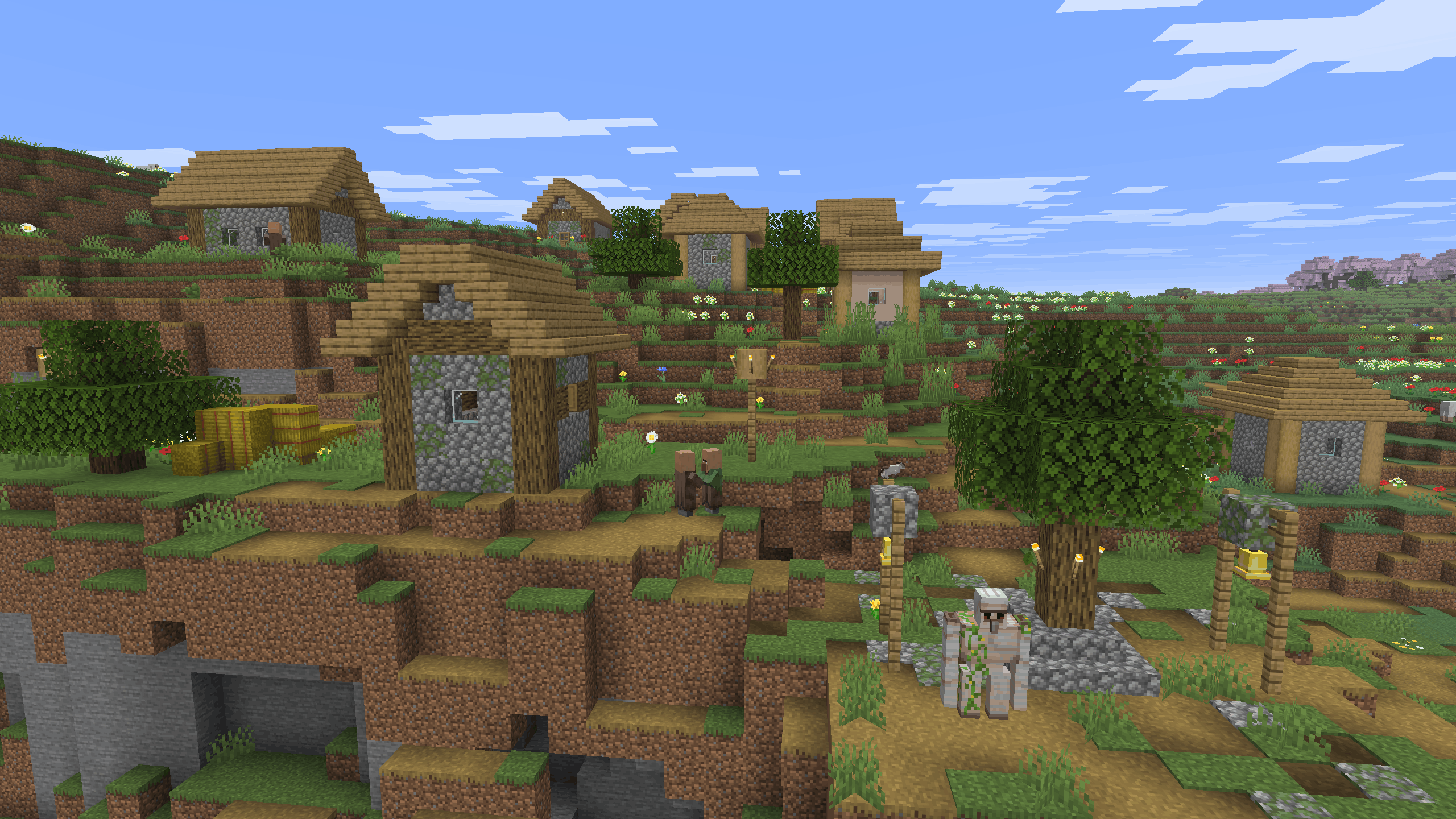
Plains biomes have one of the highest village spawn rates in Minecraft. Plains villages are easy to spot, easy to defend, and provide food, beds, villagers, and Iron Golems.
Forest biomes do not naturally generate villages as often. You may find villages nearby, but they are less common directly inside forests.
Clear winner: Plains biome
Mob Spawning and Safety
Mob behavior feels very different in these two biomes.
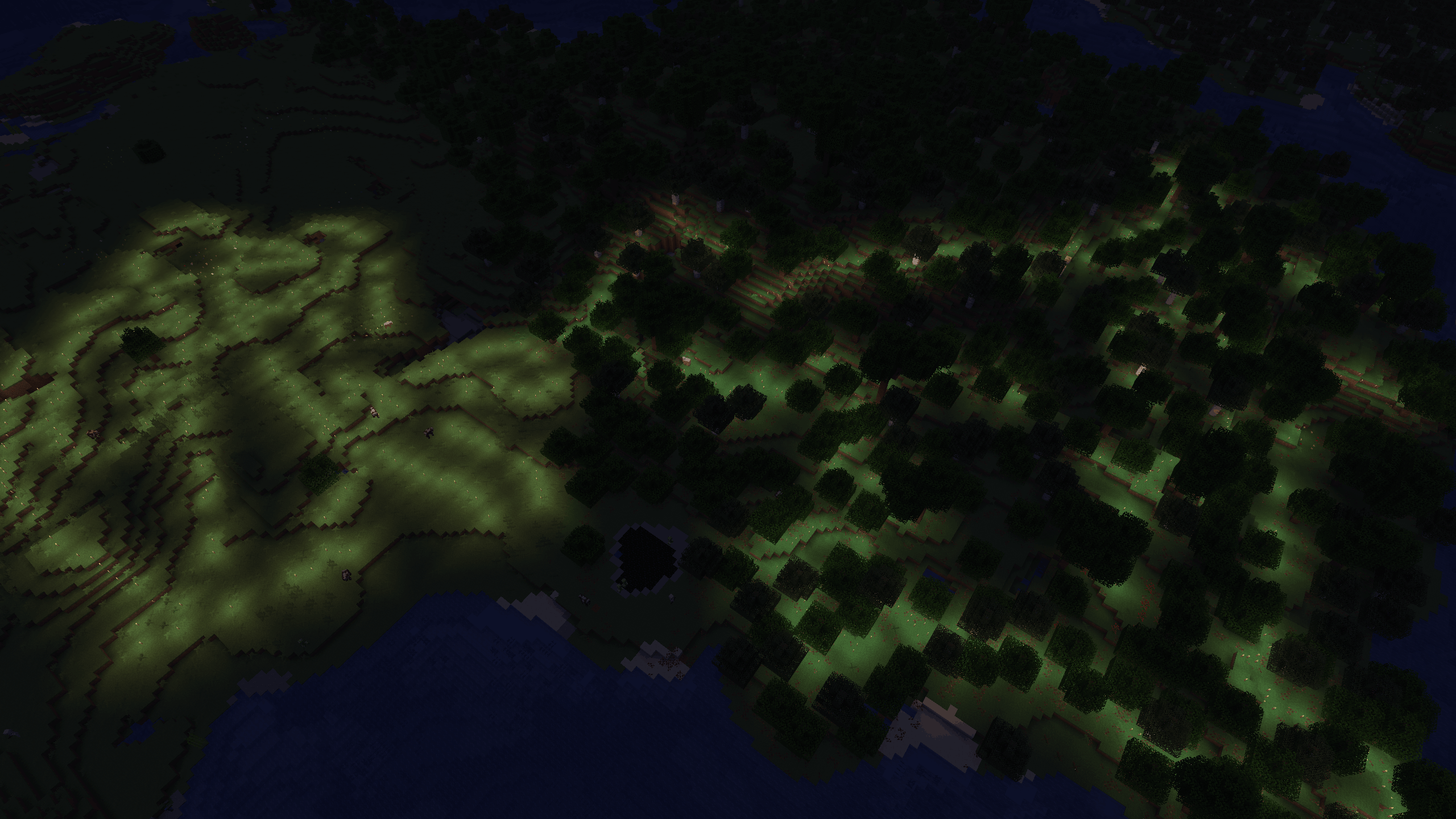
In Plains biomes, hostile mobs are easier to see from a distance. Clear sightlines give players more time to react, escape, or fight safely.
In Forest biomes, trees and shadows make mob detection harder. Creepers and skeletons can approach unnoticed, making nighttime more dangerous for beginners.
Safer biome overall: Plains biome
Building and Base Design
Builders often choose their biome based on how much terraforming is required.
Plains biomes act like a blank canvas. Large bases, farms, redstone builds, and towns are easier to plan and expand without clearing land.
Forest biomes require clearing trees and leveling ground before building. While this can look beautiful, it takes more time and effort.
Best for building: Plains biome
Best for natural-style bases: Forest biome
Farming and Long-Term Sustainability
Farming is simpler in Plains biomes due to flat land and easy water placement. Large crop farms and animal pens are easy to manage.
Forest biomes can support farming, but often require clearing trees and flattening land first.
For long-term survival and automation, Plains biomes offer more efficiency.
Winner: Plains biome
Exploration and Expansion
Plains biomes encourage exploration because movement is fast and visibility is high. Expanding your base or building nearby projects feels natural.
Forest biomes feel more enclosed. While immersive, expansion often requires cutting trees and managing terrain.
Winner: Plains biome
Which Biome Is Better for Beginners?
For beginners, fewer obstacles and better visibility matter more than atmosphere.
Plains biomes provide:
-
Easier combat
-
Faster learning curve
-
Early villages
-
Stable food supply
Forest biomes are still beginner-friendly, but require more awareness and navigation skills.
Best beginner biome: Plains biome
Which Biome Is Better for Experienced Players?
Experienced players may enjoy forests more for aesthetic builds or themed survival worlds. Forests feel alive and natural, which some players prefer.
However, many experienced players still build their main base in Plains biomes and use forests for resource gathering.
Depends on playstyle, but Plains remain more efficient.
Plains Biome vs Forest Biome: Final Verdict
Both biomes are excellent choices, but they serve different purposes.
Choose the Plains biome if you want:
-
Easy survival
-
Fast progression
-
Large builds
-
Villages and trading
Choose the Forest biome if you want:
-
Immediate wood access
-
Natural atmosphere
-
Immersive exploration
For most survival worlds, especially early game, Plains biomes offer more advantages with fewer risks.
Final Thoughts
The Plains biome and Forest biome are two of Minecraft’s most important starter biomes. While forests feel alive and resource-rich, Plains biomes provide clarity, safety, and flexibility.
If your goal is a smooth survival experience with room to grow, the Plains biome usually wins. But if you value atmosphere and don’t mind a little extra challenge, forests can still be rewarding.
In the end, the best biome is the one that fits how you want to play Minecraft.