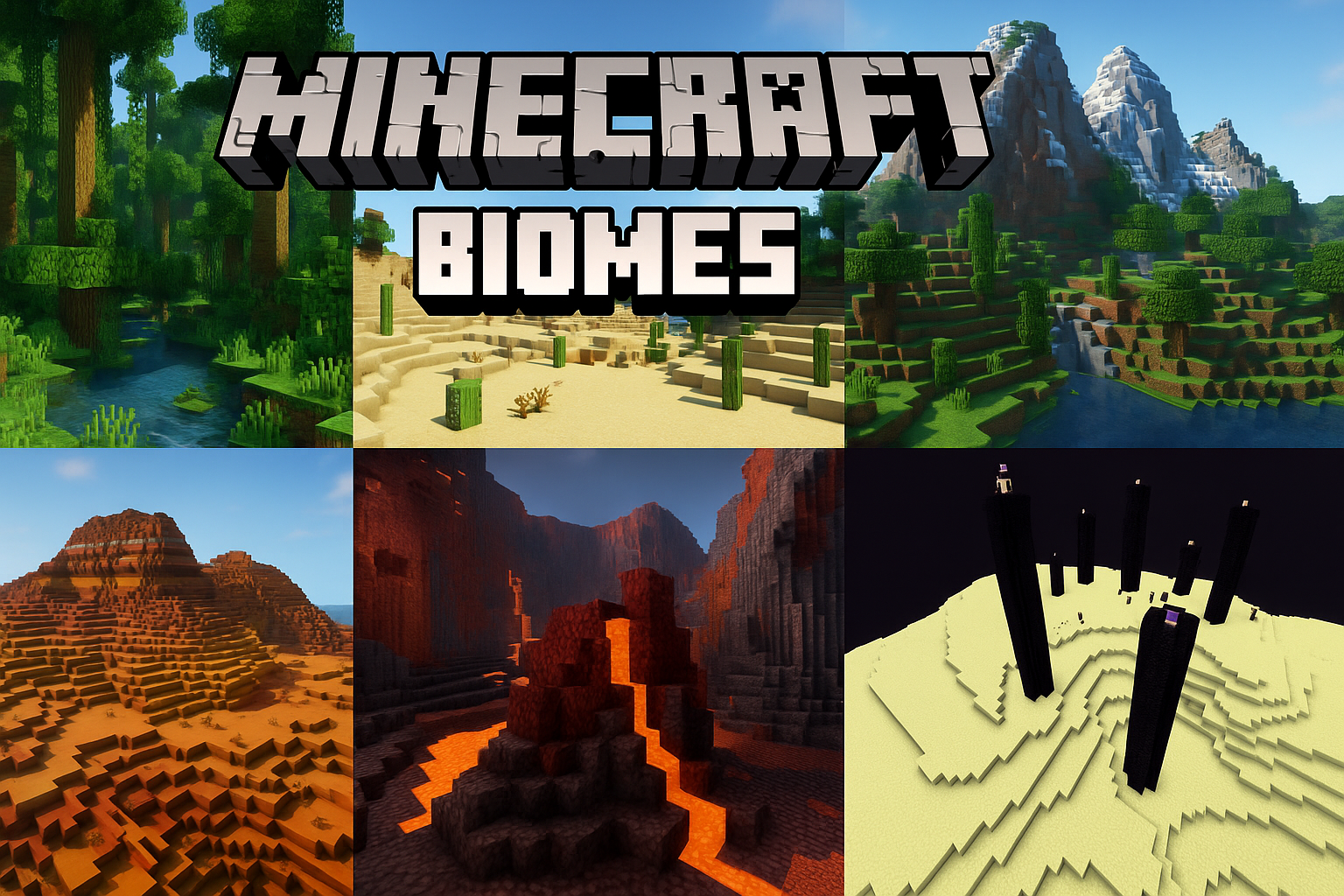
Minecraft is full of amazing places to explore, and each area you enter feels different. These unique regions are called Biomes. Every biome has its own weather, animals, blocks, dangers, and resources. Understanding biomes is important, especially if you're deciding where to build your base or start a new world.
In this guide, we’ll break down what biomes are, how they work, and which ones are best for survival, building, and exploring.
What Are Minecraft Biomes?
A biome is basically a type of environment in your Minecraft world. It controls:
-
The weather
-
The terrain
-
The animals and mobs
-
The blocks you find
-
The temperature
-
The plants and trees
-
The resources available
When you explore your world, you’ll notice everything changes as you enter a new biome — from snowy landscapes to hot deserts or dense jungles.
Why Biomes Matter
Biomes are more than just scenery. They can change your entire gameplay experience.
1. Survival Difficulty
Some biomes are easy and safe (like Plains), while others are dangerous (like the Nether or deserts at night).
2. Building Opportunities
Different biomes offer unique landscapes and colors that can inspire Creative building ideas.
3. Resources
Want bamboo? Explore jungles.
Need ice? Go to snowy biomes.
Looking for villagers? Check plains or deserts.
4. Mob Spawns
Each biome has different mobs — from peaceful cows to dangerous Strays or Hoglins.
Types of Biomes in Minecraft
Overworld Biomes
These are the main biomes you see in most worlds.
Plains
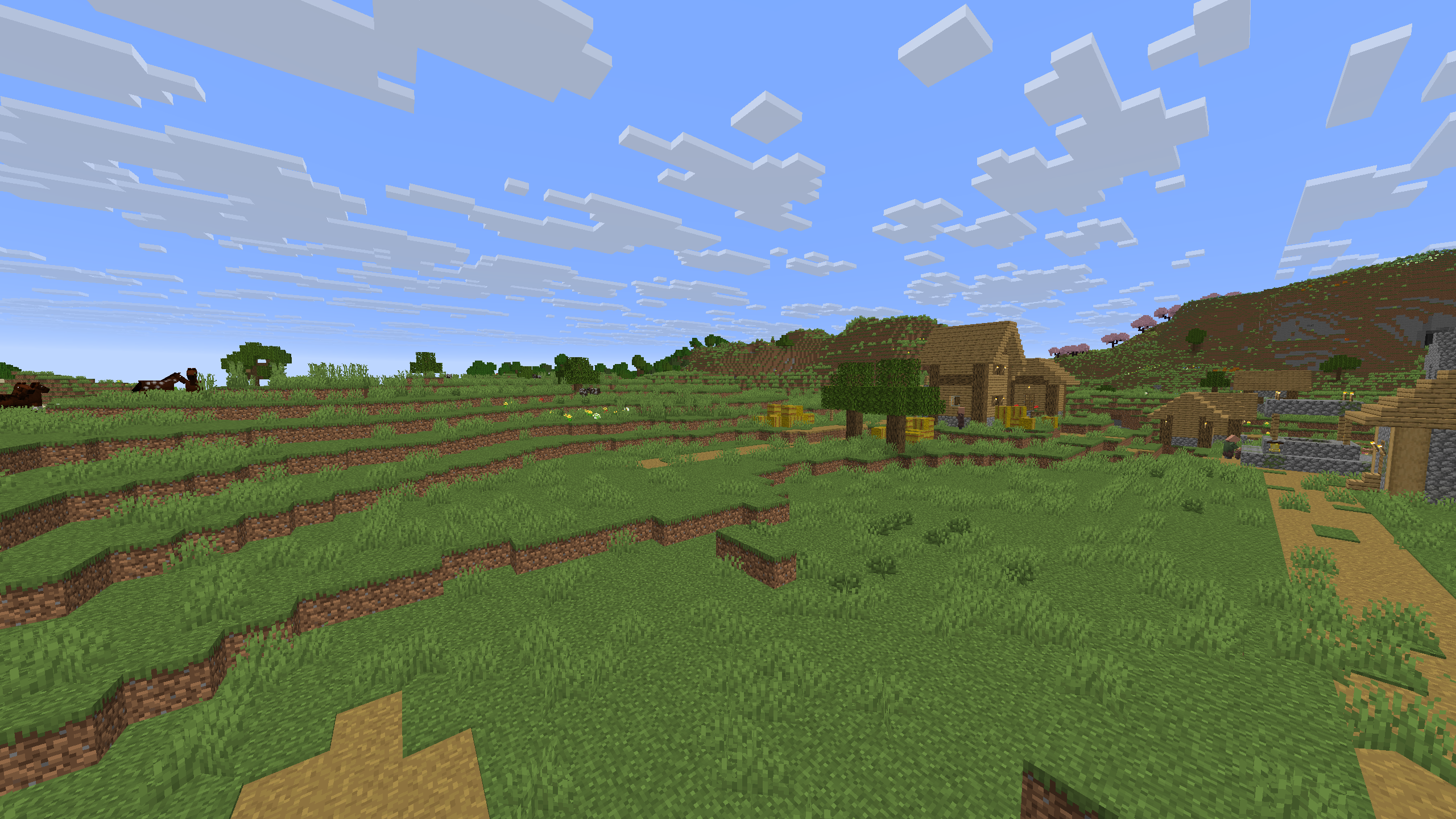
A great biome for beginners. Plains are flat, bright, and open, making them perfect for your first base. Villages spawn here often, giving you early resources.
Why Plains Are Good:
-
Easy for building
-
Friendly animals
-
Common villages
-
No extreme terrain
Forest & Birch Forest
These biomes are full of trees, making them excellent for gathering wood. Forest biome is safe and calm but can get tricky at night due to shade.
Desert
Dry, hot, and full of sand. Deserts have temples and villages but very few trees.
Challenges:
-
Husks spawn at night
-
No rain
-
Hard to find wood
Benefits:
-
Tons of structures
-
Easy to see mobs
-
Great for speedrunning
Snowy Tundra
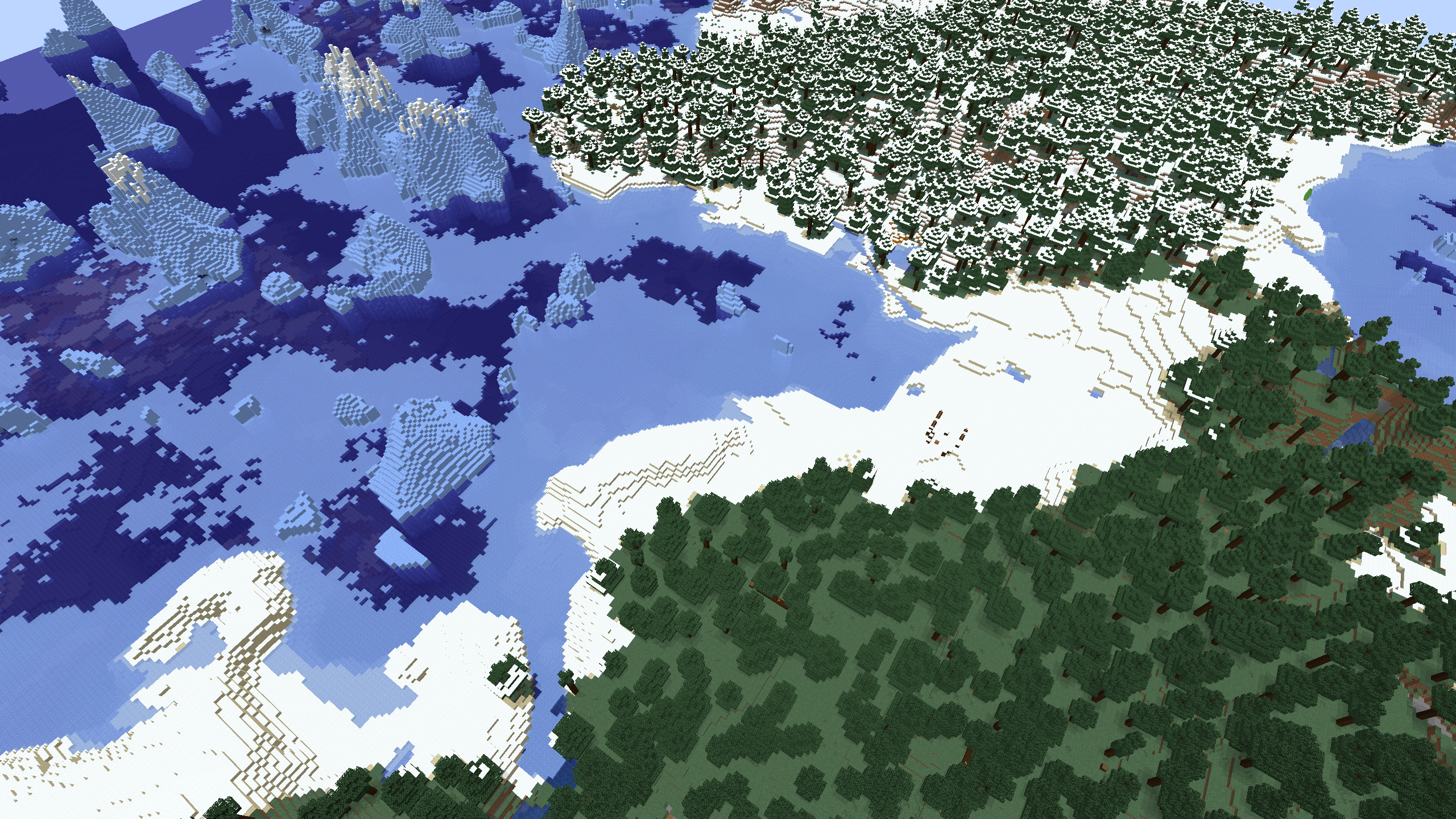
Snowy Tundra Biome is Cold, icy, and peaceful during the day. But at night, Strays (skeletons that shoot slowness arrows) spawn here, making it more dangerous.
Jungle
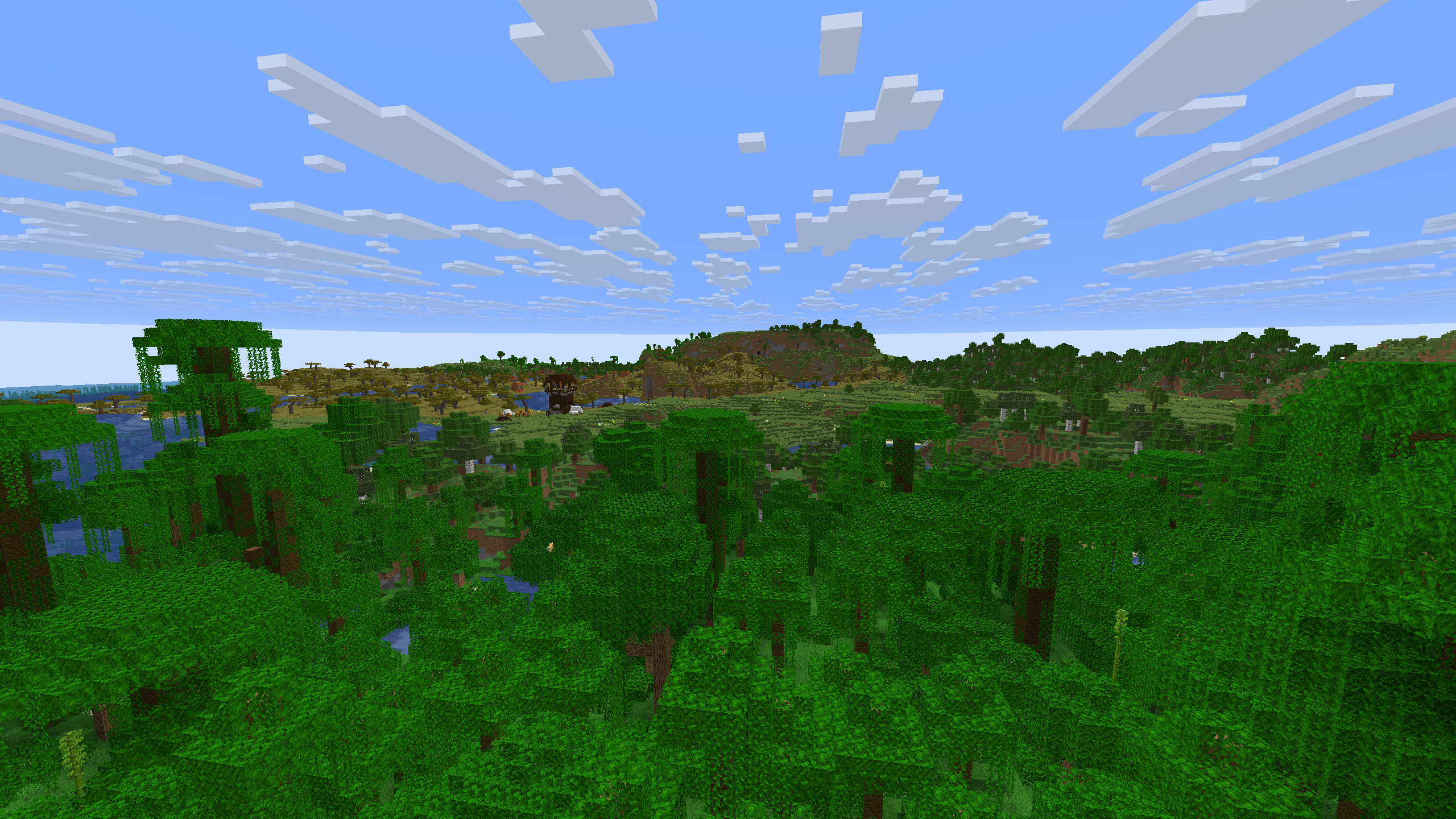
Large trees, parrots, bamboo, and pandas — jungles are beautiful but difficult to navigate.
Why Jungles Are Tricky:
-
Dense trees
-
Hard to move around
-
Limited visibility
Swamp
Home to slimes (at night) and witches. Swamps have vines, dark water, and lily pads — interesting, but risky for beginners.
Mountains (Windswept Hills)
Tall peaks, cliffs, and spectacular views. Perfect for big base builds, but dangerous because of fall damage and goats.
Mushroom Fields
The rarest and safest biome in the gameis Mushroom Fields Biome. No hostile mobs spawn here — ever. Perfect for peaceful players.
Nether Biomes
These are in the Nether dimension — hot, dangerous, and full of unique mobs.
Nether Wastes
The classic Nether biome. Lots of netherrack, lava, and dangerous mobs.
Crimson Forest
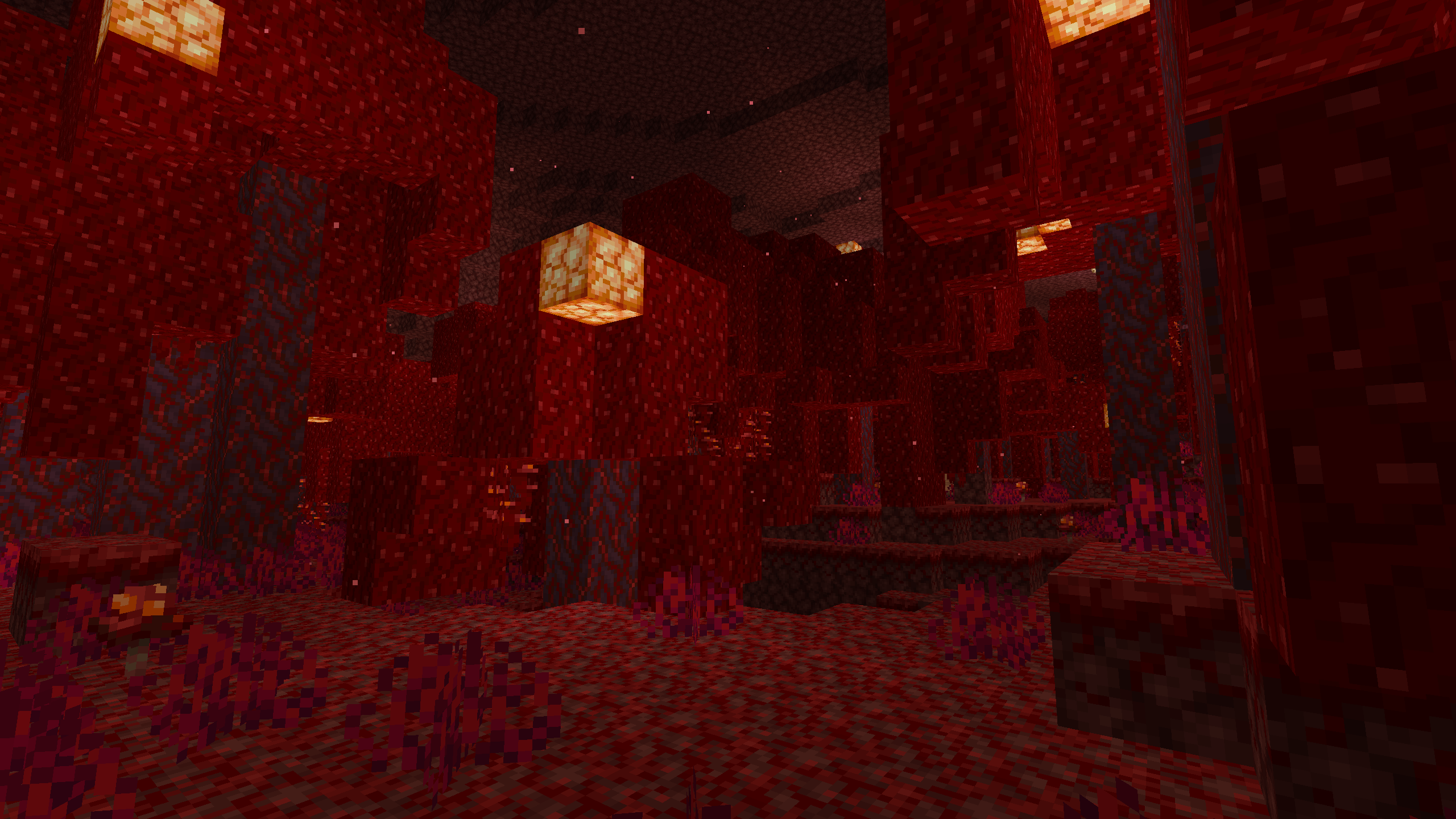
Red, creepy, and full of Hoglins and Piglins. Great for gathering wood in the Nether.
Warped Forest
One of the safest Nethernbiomes — Endermen spawn here but nothing else. Blue fog and unique blocks make it great for building.
Soul Sand Valley
A tough biome with skeletons, ghasts, and soul sand that slows you down.
Basalt Deltas
One of the hardest biomes due to Magma Cubes and unstable terrain.
The End Biomes
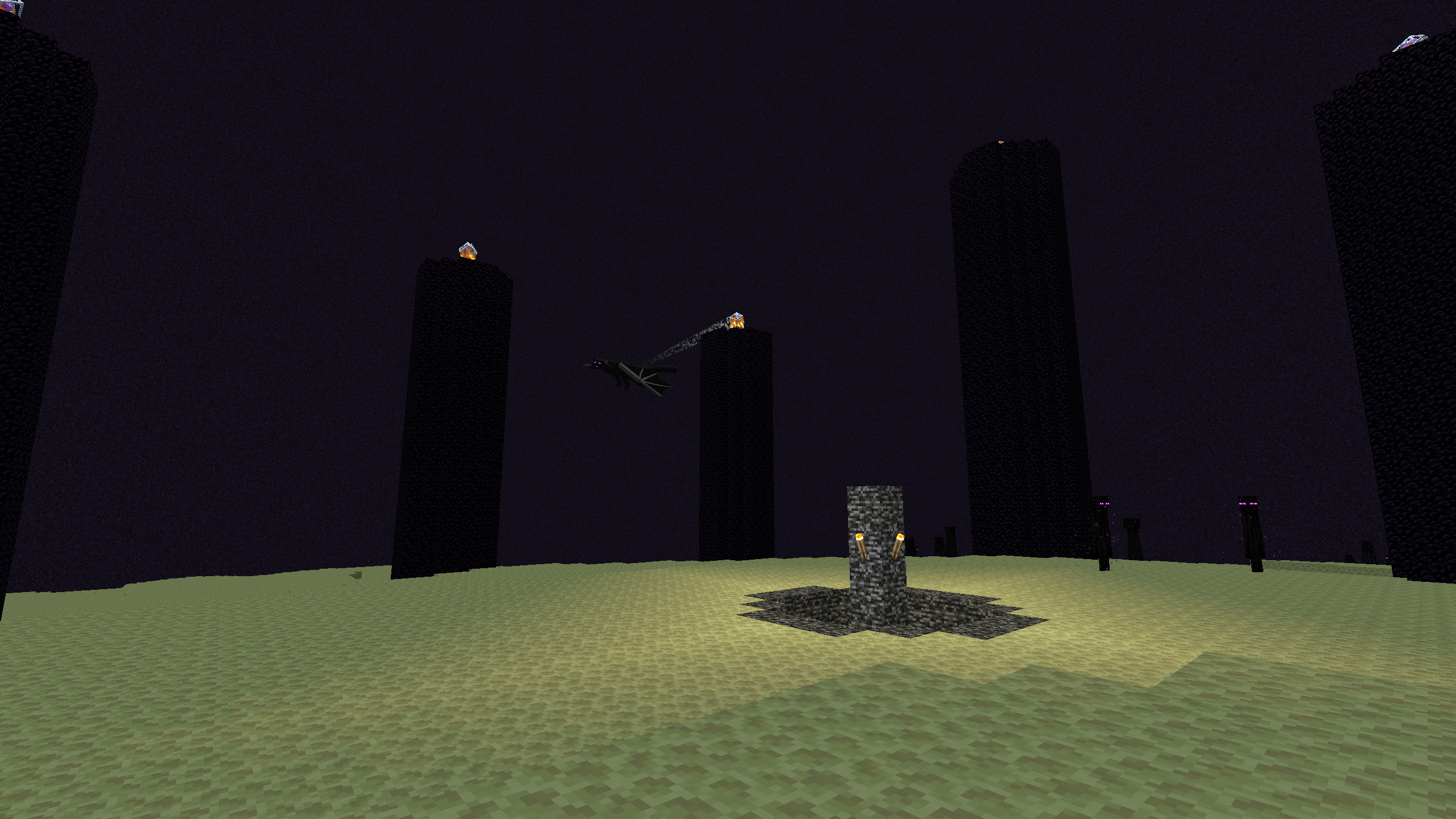
The End (Main Island)
Where you fight the Ender Dragon. Nothing spawns except Endermen.
End Highlands & Midlands
Where End Cities and End Ships generate. Perfect for late-game loot.
End Barrens
Empty areas with little to explore — but still full of Endermen.
Which Biome Is Best for Beginners?
If you're new to Minecraft, the Plains biome is the best place to start. It gives you:
-
Plenty of space
-
Lots of animals
-
Easy resources
-
Good visibility
-
Possible villages nearby
Which Biome Is the Most Dangerous?
In the Overworld:
➡ Jungles, Swamps, and Snowy biomes can be tough for beginners.
In the Nether:
➡ Basalt Deltas and Soul Sand Valley are extremely dangerous.
Overall:
➡ Minecraft Hardcore players avoid deserts early game because hunger becomes a problem.
Choosing the Right Biome for Your Playstyle
For Survival:
Plains, Forest, or River biomes
For Building:
Mountains, Meadows, Cherry Grove, Mushroom Fields
For Exploration:
Jungles, Snowy biomes, Deserts
For Farming:
Plains, Sunflower Plains, Savanna
Conclusion
Minecraft biomes make your world feel alive and full of possibilities. Whether you're exploring snowy landscapes or building a jungle base, understanding biomes helps you make smarter decisions — and enjoy the game even more. As you play, try exploring different areas and see which biome matches your style.