When players think about survival in Minecraft, the Desert Biome is rarely the first choice. The lack of trees, limited food, and open terrain can make deserts feel unforgiving—especially during the early game.
But the Desert biome is not a bad Survival Biome. In fact, for players who understand its strengths and weaknesses, it can become one of the most stable and efficient places to live long term.
So the real question isn’t whether the Desert biome is survivable.
It’s whether the Desert biome fits your survival playstyle.
This guide breaks down the Desert biome honestly, covering early Survival Difficulty, long-term advantages, and whether it’s a good choice for beginners or experienced players.
First Impressions of the Desert Biome
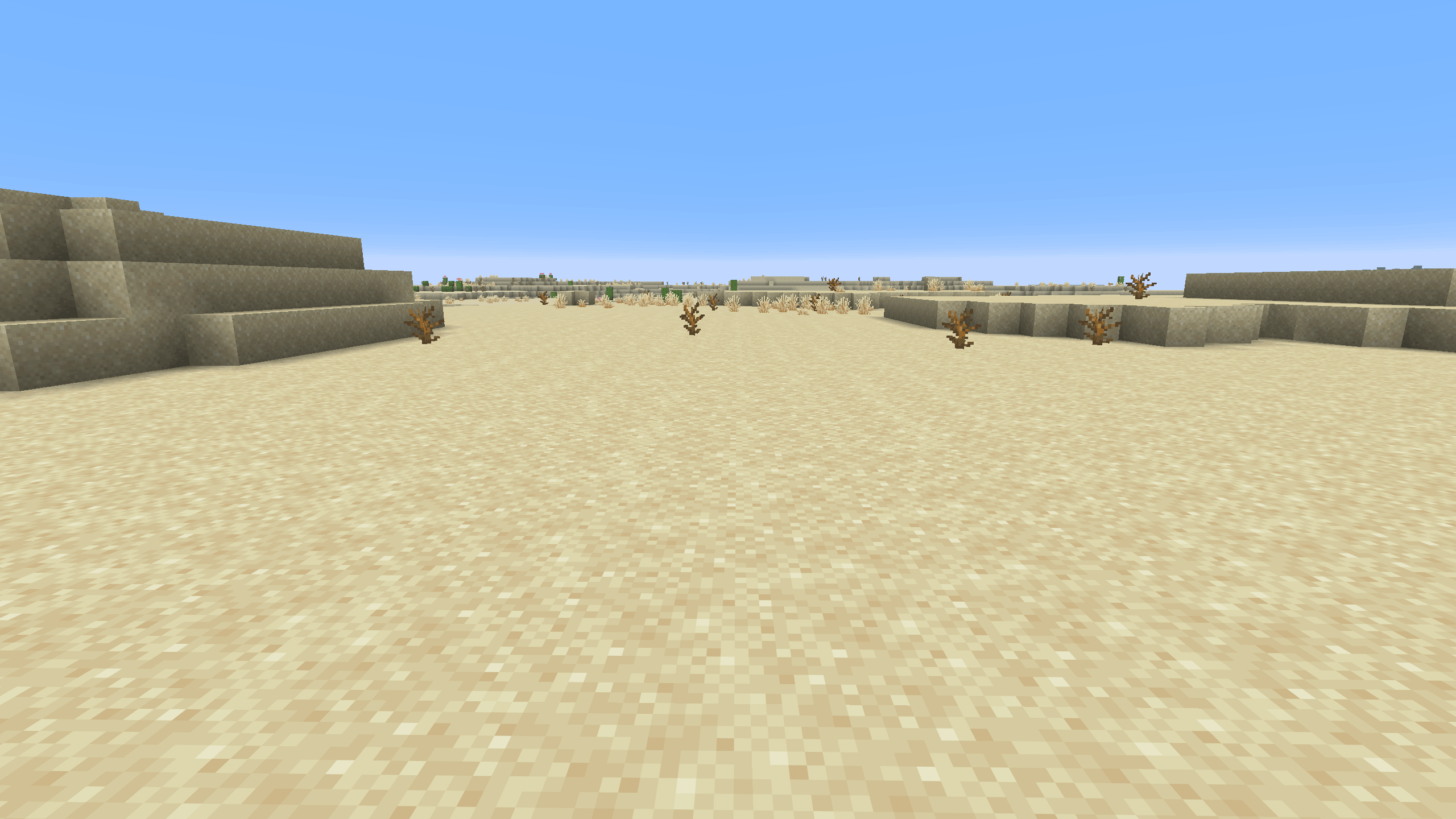
The Desert biome is instantly recognizable. Endless sand, sandstone structures, bright lighting, and little natural cover define the environment.
At first glance, deserts feel empty and resource-poor. There are no trees, few animals, and almost no natural water sources. This creates the impression that deserts are bad for survival.
However, first impressions can be misleading.
Deserts are designed to challenge players early, not punish them permanently.
Early Survival Difficulty in the Desert
The early game is the hardest part of desert survival.
Lack of Wood
Trees do not naturally generate in deserts. This means players must:
-
Bring wood from another biome
-
Find a village
-
Explore nearby biomes early
Without wood, crafting tools and shelter becomes difficult.
Limited Food
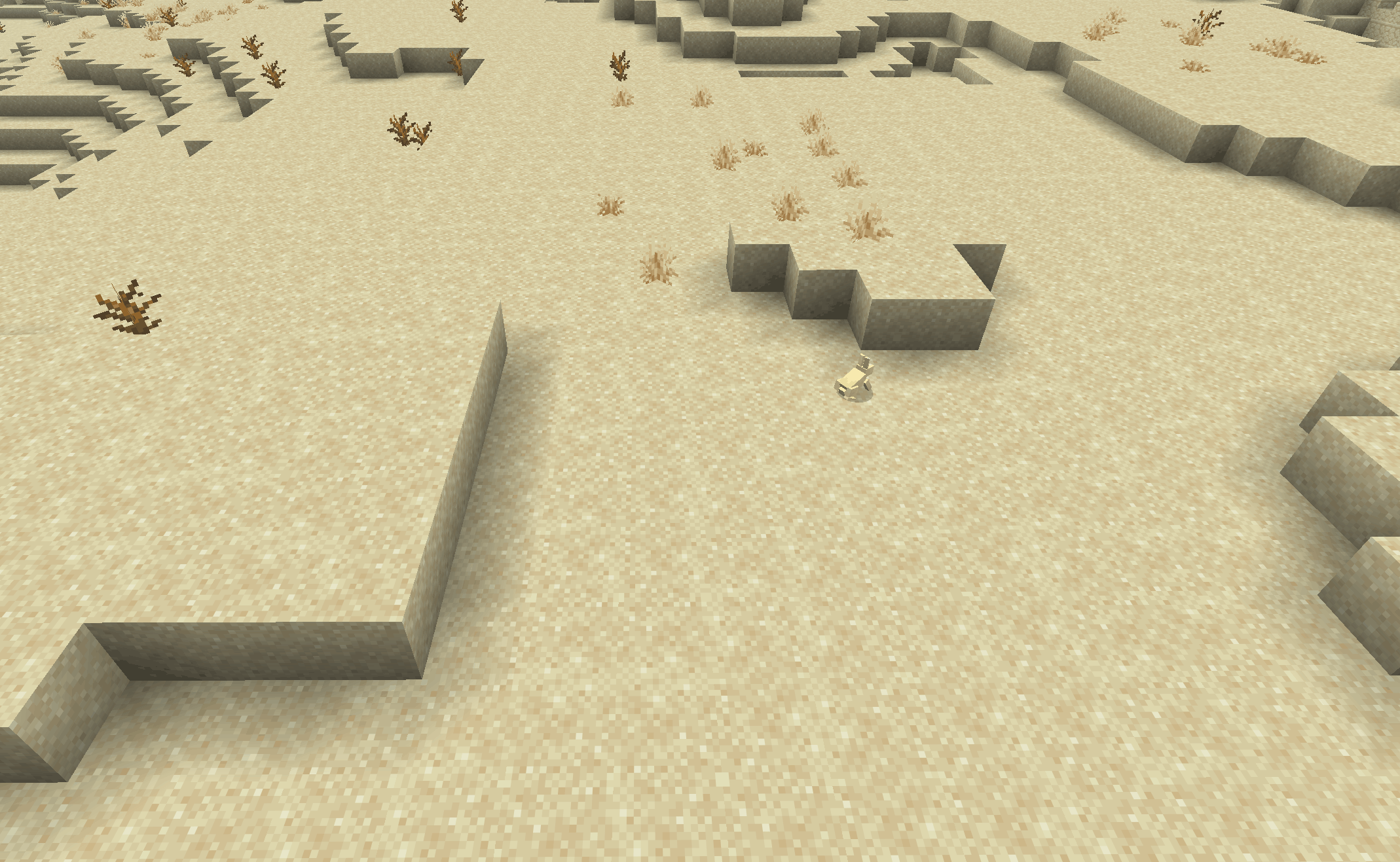
Passive mobs like cows and pigs rarely spawn in deserts. Rabbits are common, but they are not an ideal long-term food source.
Unless a village is nearby, hunger becomes a real concern early on.
Open Nighttime Danger
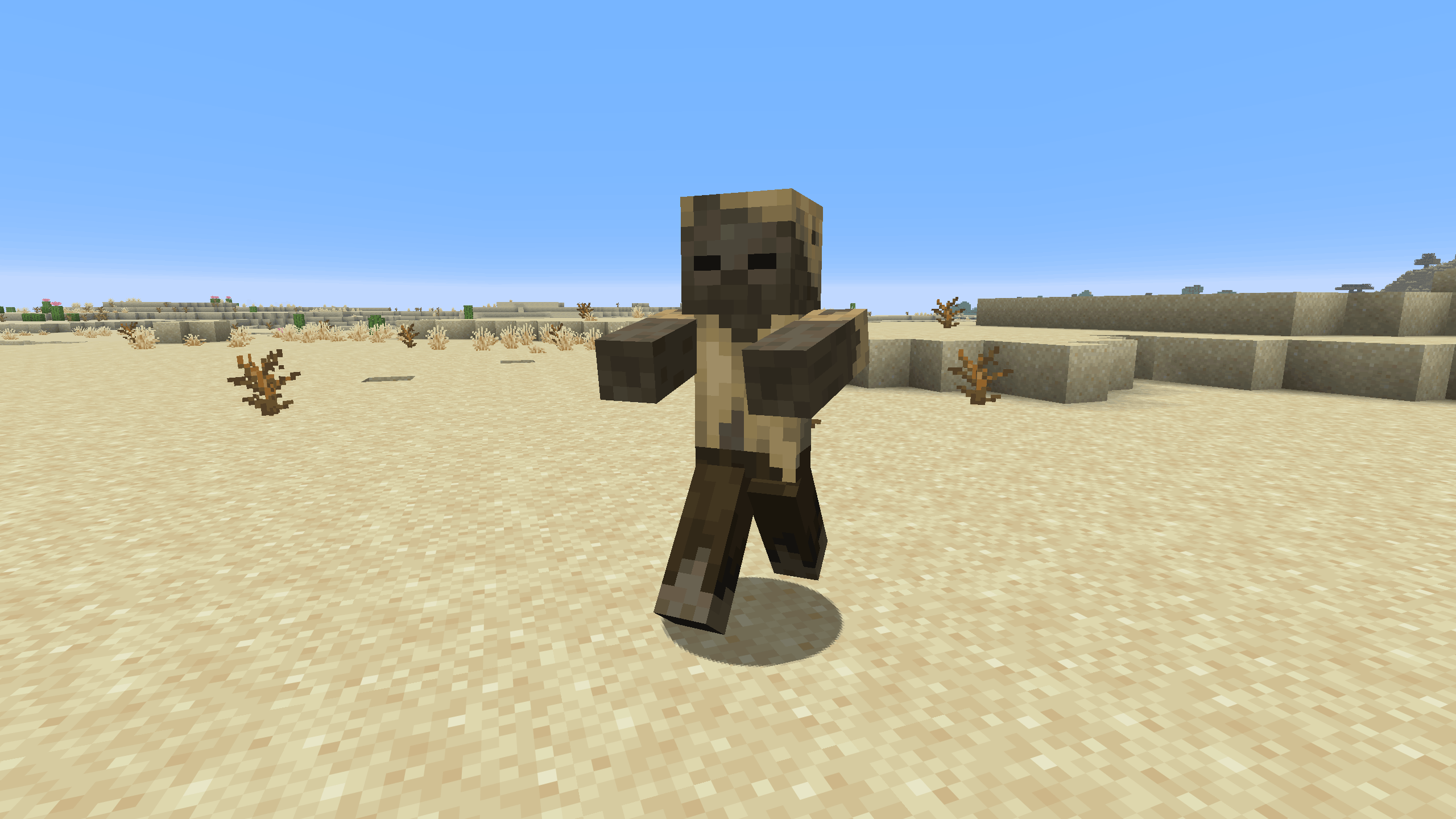
Deserts are flat and open, which means mobs can easily spot you at night. Husks add extra danger because they don’t burn in sunlight and apply the Hunger effect.
Because of these factors, early Desert Survival is harder than Plains or Forest Biomes.
Why Many Players Still Choose Desert Survival
Despite the early challenge, many players intentionally choose deserts for survival—and for good reason.
Once the early stage is handled, deserts become extremely stable and predictable.
Desert Villages Change Everything
Desert villages are one of the strongest reasons the Desert biome is good for survival.
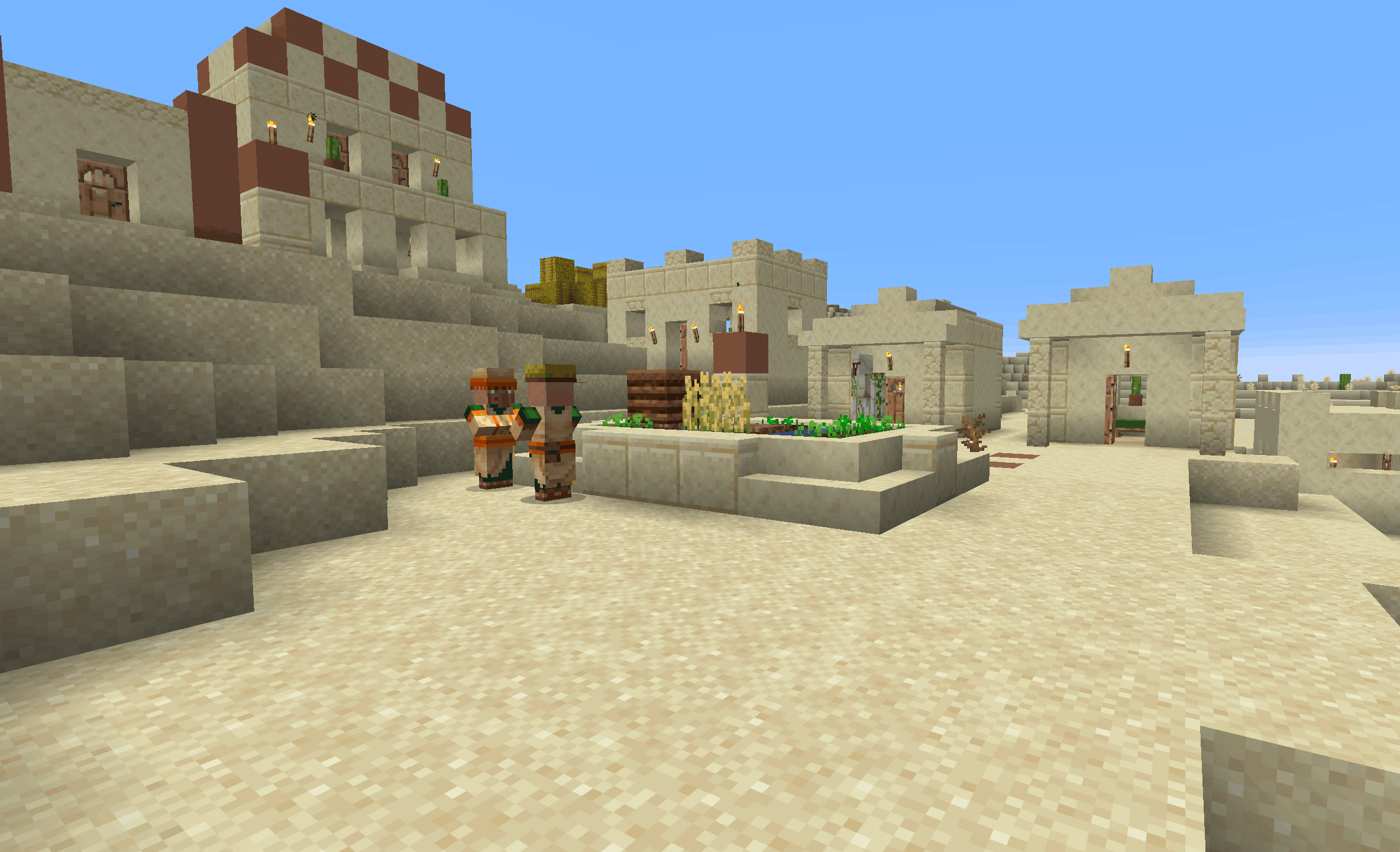
They provide:
-
Immediate shelter
-
Beds
-
Farms
-
Infinite water wells
-
Villagers for trading
A single desert village can completely remove the early survival difficulty of the biome.
Players who spawn near a desert village often find desert survival easier than forest or jungle survival.
Desert Temples Offer Early Progression
Desert temples are exclusive to deserts and provide access to valuable loot early in the game.
With careful exploration, desert temples can give:
-
Diamonds
-
Enchanted books
-
Gold and iron
-
Emeralds
This allows players to skip parts of the early grind if they play smart.
Few biomes offer such strong early rewards.
Long-Term Survival in the Desert
Once food, water, and shelter are secured, desert survival becomes very comfortable.
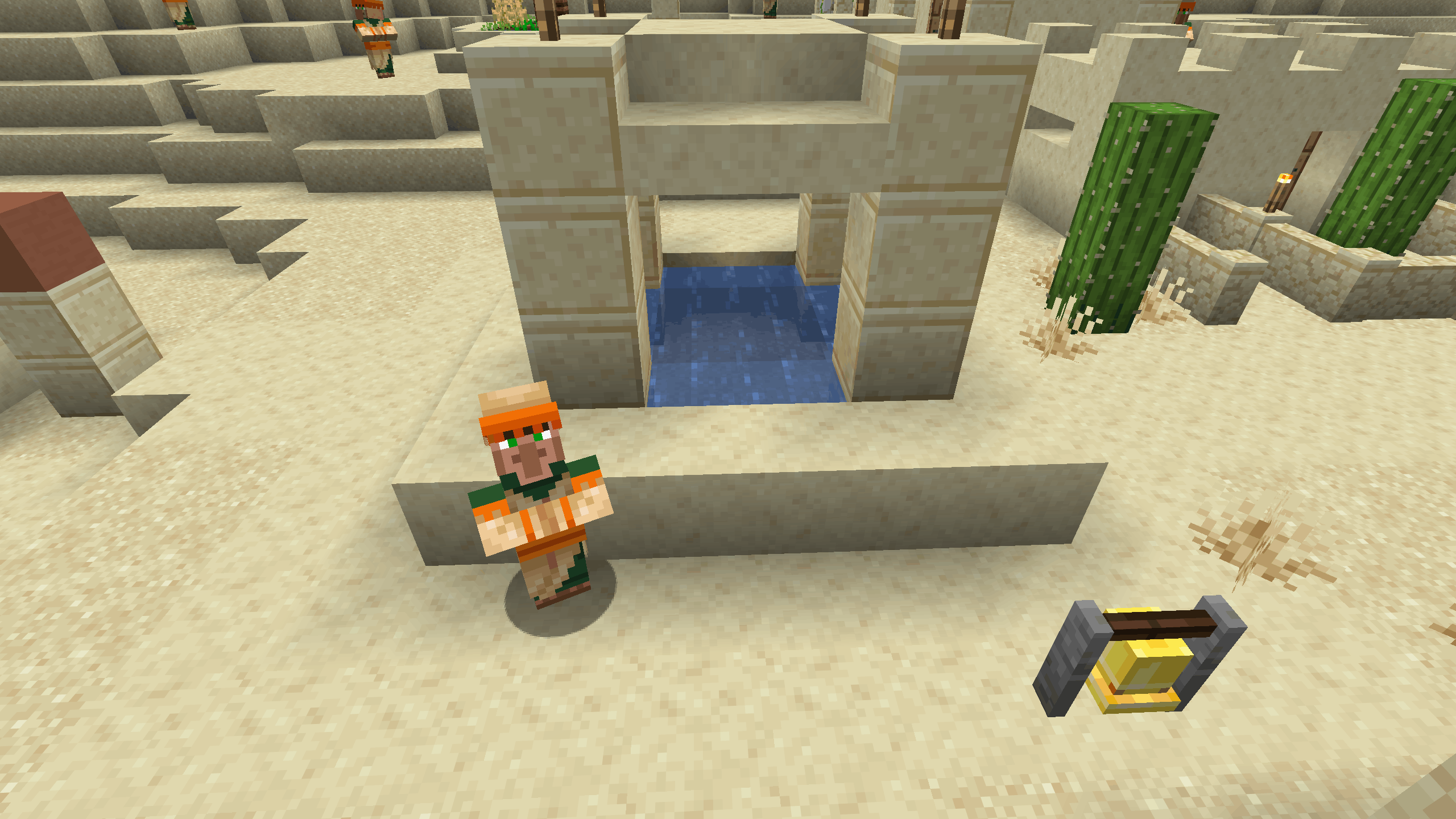
Flat Terrain Advantage
Deserts are naturally flat, which makes:
-
Base expansion easy
-
Farming efficient
-
Villager movement simple
You don’t need to flatten mountains or clear forests.
No Weather Problems
Deserts never have rain or snow. This means:
-
No thunderstorms
-
No weather-based lighting changes
-
Consistent visibility
For builders and technical players, this is a huge benefit.
Is the Desert Biome Good for Building?
Yes—deserts are excellent for building.
Sandstone provides a clean, uniform building material that fits the environment perfectly. Large bases, cities, and redstone builds are easier to plan in deserts than in uneven biomes.
Many experienced players intentionally move their main base to a desert once resources are secured.
Farming and Food Sustainability
Food is a weakness early, but not long term.
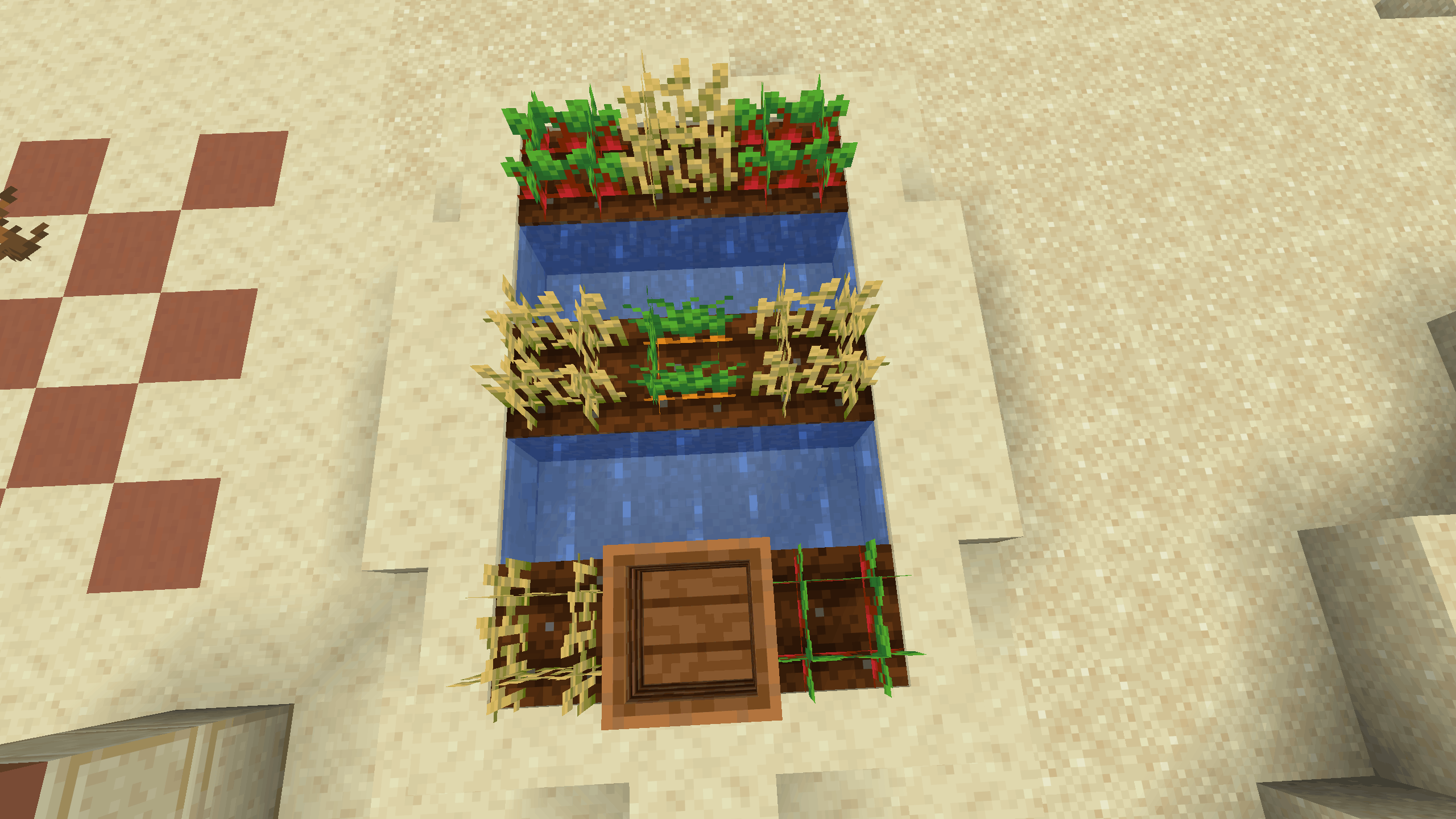
Once water is available, deserts support:
-
Wheat farms
-
Carrot and potato farms
-
Villager-based crop farms
Fishing also works if water is nearby.
With farming established, deserts are just as sustainable as any other biome.
Desert Biome for Villagers and Trading
Deserts are one of the best biomes for villager trading setups.
Why?
-
Flat land makes transporting villagers easy
-
Sandstone buildings fit naturally
-
Villages are already present
Trading allows players to obtain:
-
Enchanted books
-
Diamond gear
-
Food and emeralds
For long-term survival worlds, this is a massive advantage.
Is the Desert Biome Beginner-Friendly?
The honest answer: it depends.
For complete beginners, deserts can be frustrating because:
-
Early mistakes are punished
-
Resource management matters more
-
Nighttime can be dangerous
However, beginners who take things slowly and learn to plan ahead can succeed.
For players with basic Minecraft knowledge, desert survival becomes very manageable.
Desert Biome vs Other Survival Biomes
Compared to Plains, deserts are harder early but more structured long term.
Compared to Forests, deserts lack resources but are easier to build in.
Compared to Snow biomes, deserts are safer and more predictable.
The desert rewards preparation more than speed.
Who Should Choose Desert Survival?
The Desert biome is a great survival choice for:
-
Players who enjoy planning
-
Builders who want flat land
-
Traders who rely on villagers
-
Long-term survival worlds
It is less ideal for players who want instant comfort and fast progression.
Final Verdict: Is Desert Biome Good for Survival?
Yes—the Desert biome is good for survival, but not in the same way as easier biomes.
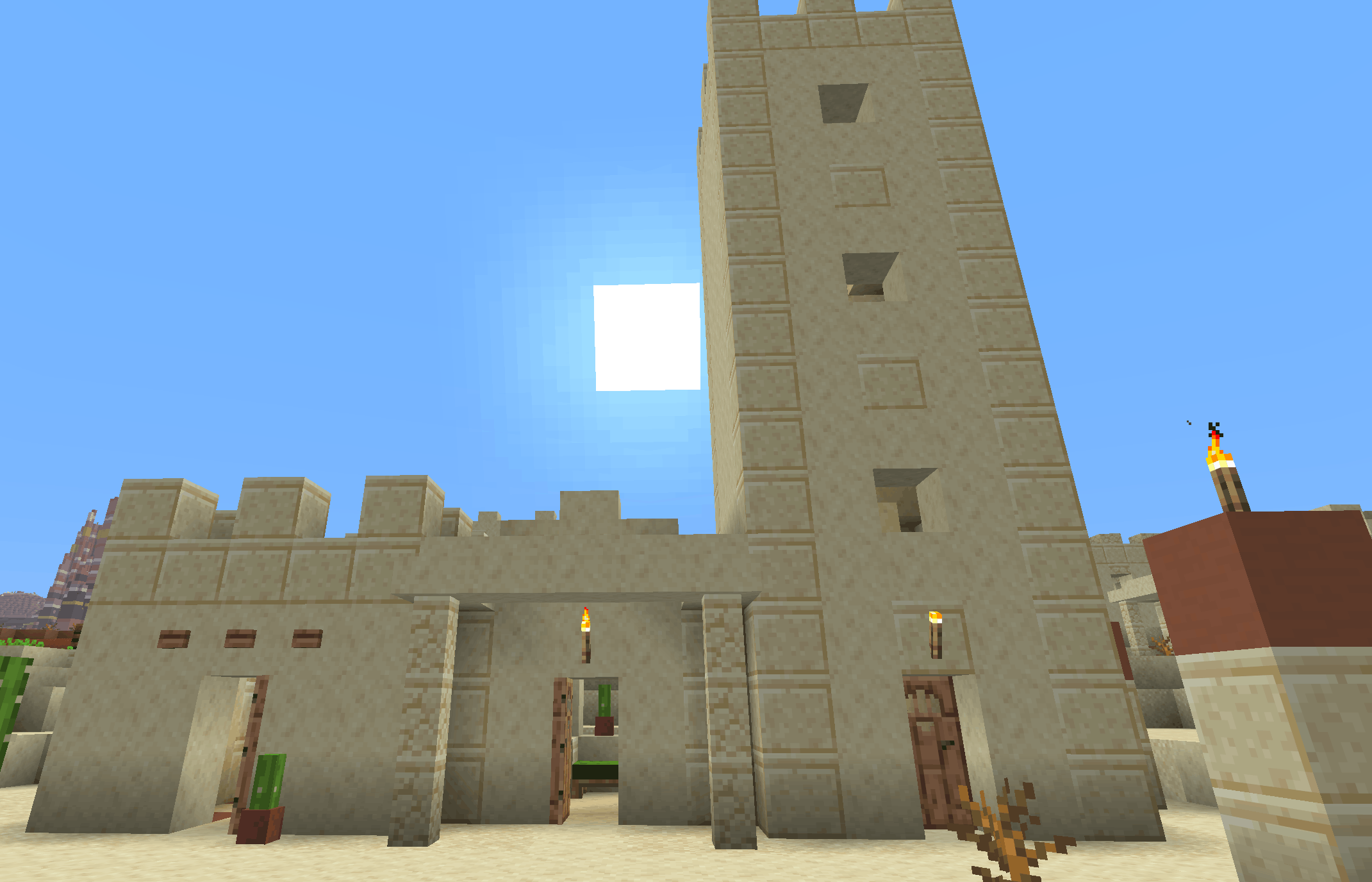
It challenges you early, then rewards you with:
-
Stability
-
Structure
-
Strong villages
-
Excellent building space
If you survive the first phase, desert survival becomes calm, efficient, and rewarding.
The Desert biome isn’t about rushing.
It’s about control and long-term success.