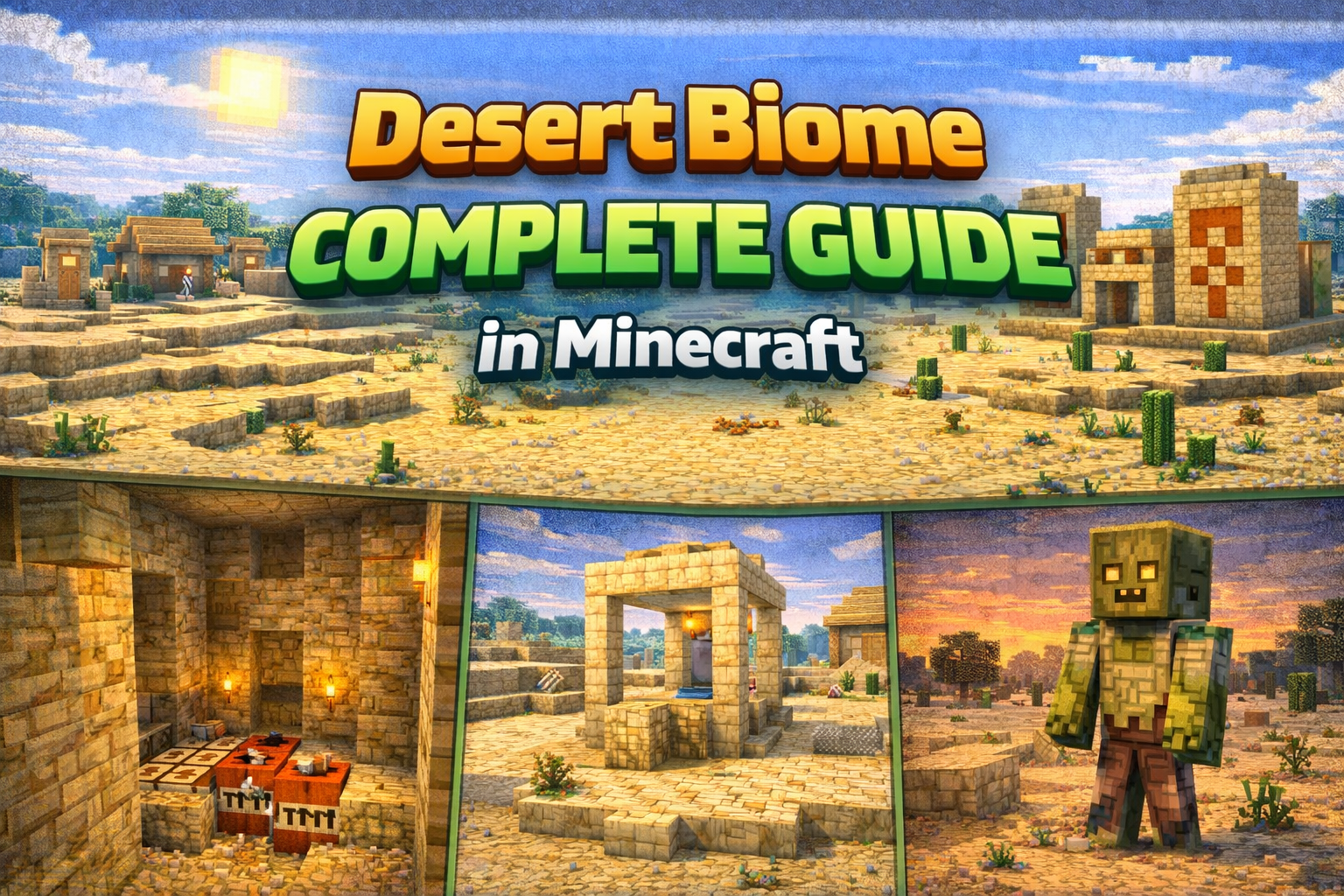
The Desert biome in Minecraft is one of the most misunderstood environments in the game. At first glance, it looks empty, harsh, and difficult to survive in. Endless sand, blazing sunlight, and a lack of trees can make the desert feel like a bad spawn for survival players.
However, once you understand how the Desert biome works, it becomes one of the most reliable and rewarding Biomes in Minecraft. From valuable structures and villages to flat terrain and long-term building potential, deserts offer advantages that many players overlook.
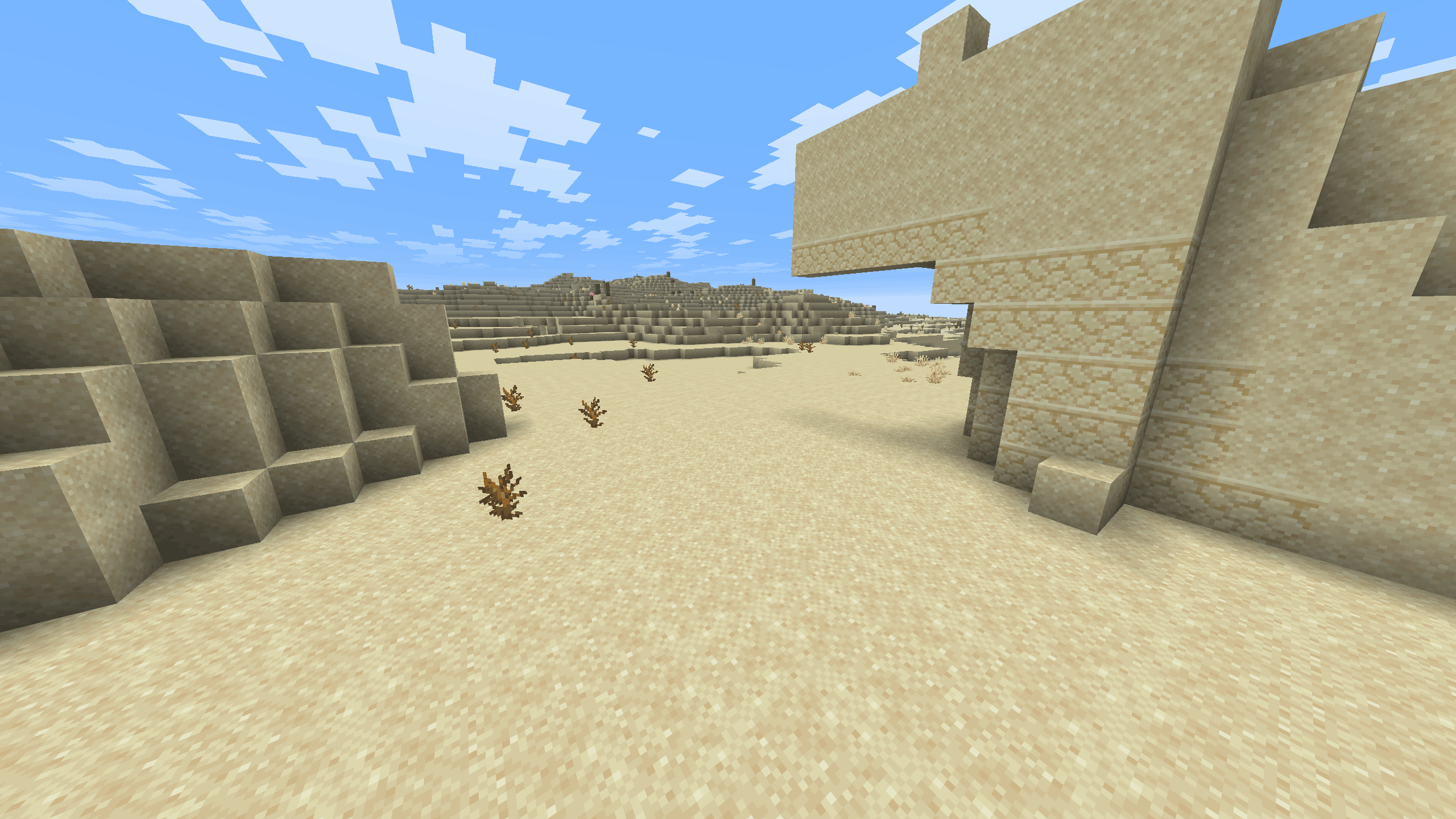
This guide covers everything you need to know about the Desert biome in Minecraft, including terrain, mobs, villages, temples, Resources, Survival Difficulty, and whether it’s a good place to build and live long term.
What Is the Desert Biome in Minecraft?
The Desert biome is an overworld biome made primarily of sand and sandstone. It is one of the hottest biomes in the game and does not experience rain or snow. Deserts usually generate next to Plains, Savanna, or Badlands biomes, making them relatively easy to reach during exploration.
Unlike Forests or Plains, deserts do not generate trees naturally. This single feature changes how players approach survival in the biome and forces smarter planning early on.
Terrain and Landscape of the Desert Biome
The terrain in the Desert biome is mostly flat, with small dunes, shallow valleys, and occasional plateaus. The surface is made almost entirely of sand, with sandstone layers underneath.
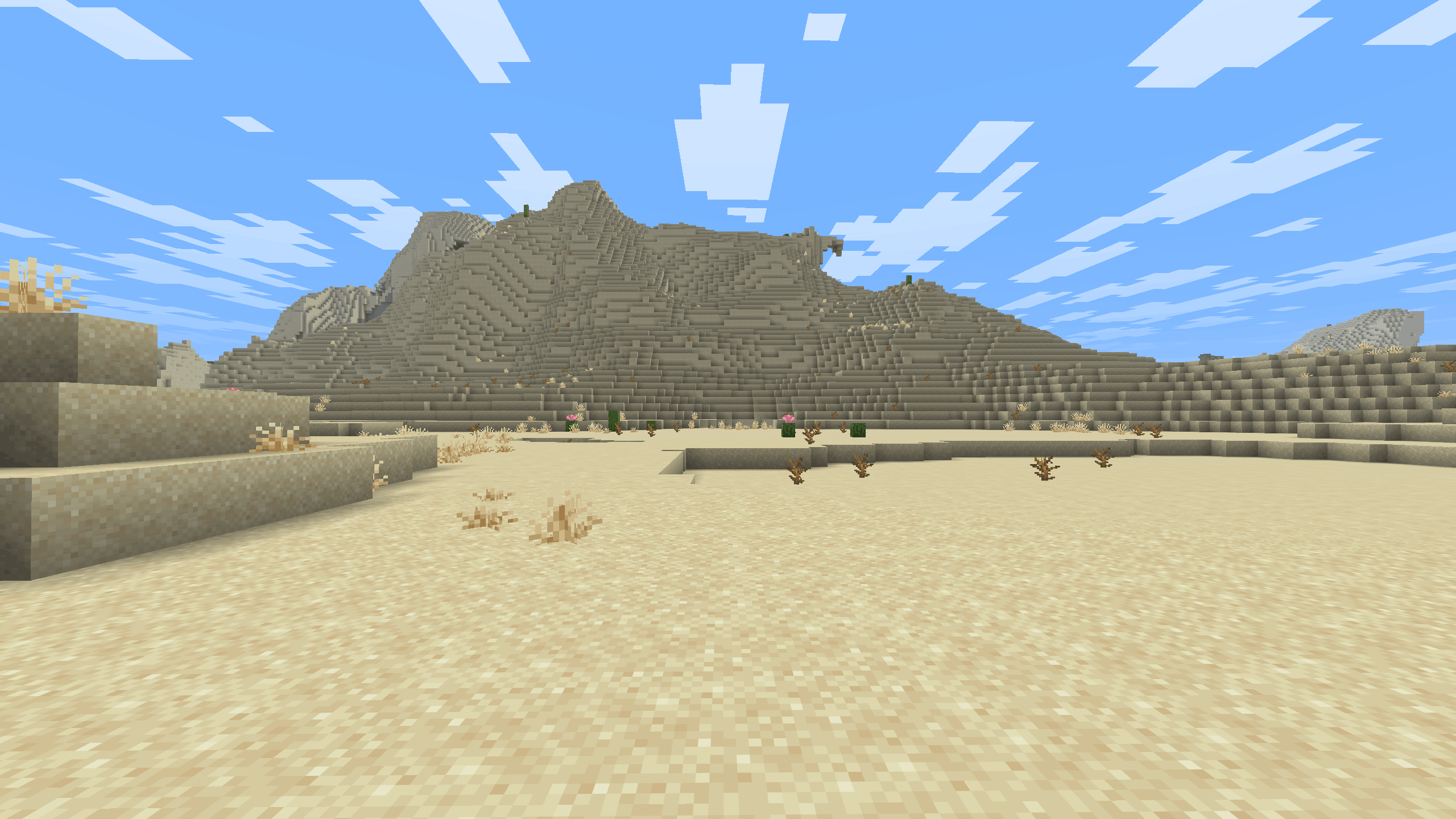
This flat landscape makes deserts ideal for:
-
Large base layouts
-
Villages and trading areas
-
Long-distance travel
However, sand physics introduce danger. Sand blocks fall when broken, which can cause suffocation or cave-ins if players mine carelessly. Using sandstone instead of sand for building is always safer.
Weather and Environment
One unique feature of the Desert biome is its permanent clear weather. It never rains or snows, and thunderstorms do not occur.
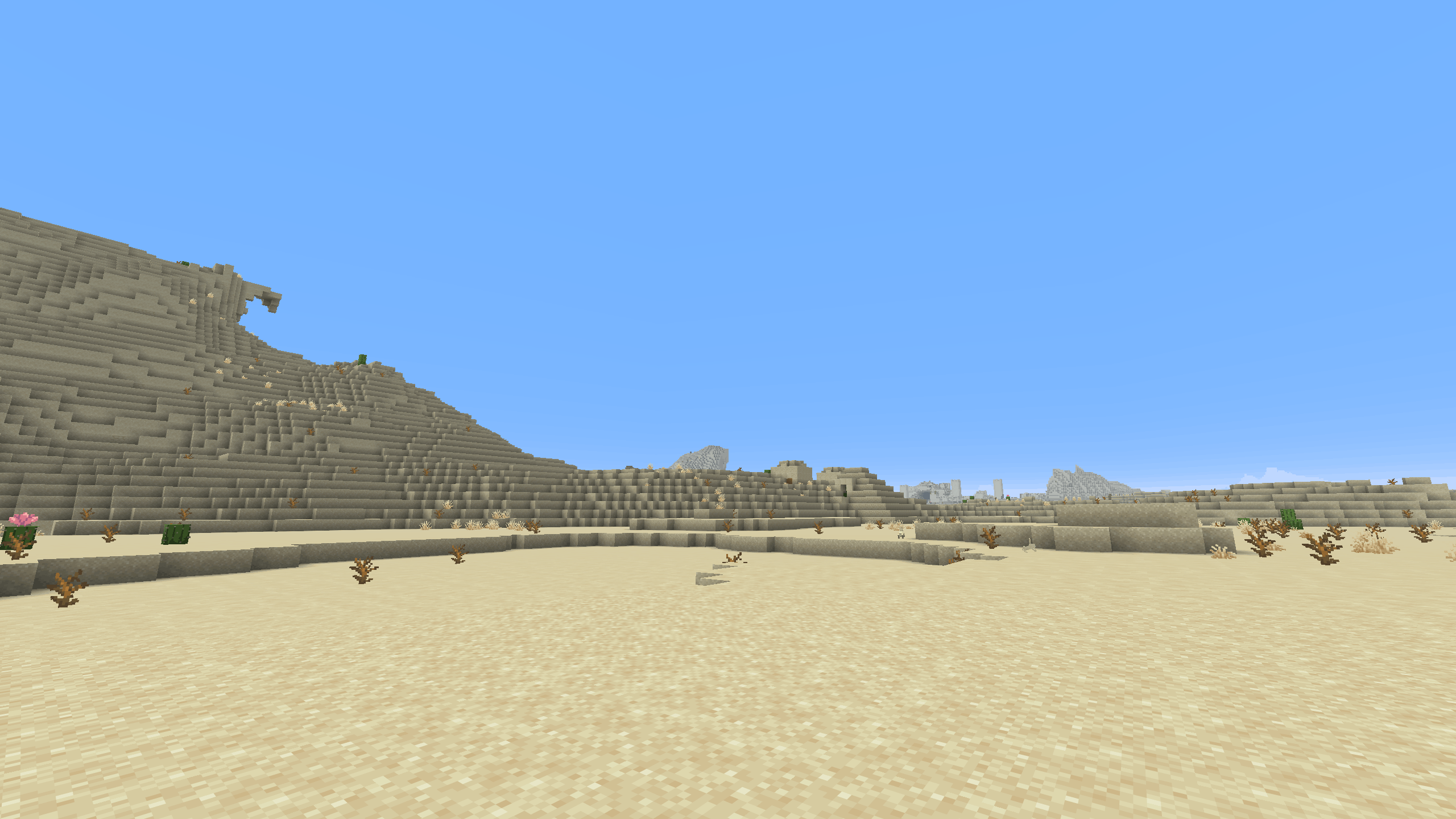
This means:
-
Consistent lighting
-
No rain interference with builds
-
Predictable mob behavior
For builders and technical players, this stable environment is a major advantage.
Mobs That Spawn in the Desert Biome
The Desert biome may look empty, but mobs spawn here just like in most overworld biomes.
Hostile Mobs
Common Hostile Mobs include zombies, skeletons, creepers, and spiders. In addition, deserts spawn a special variant of zombie called Husks.
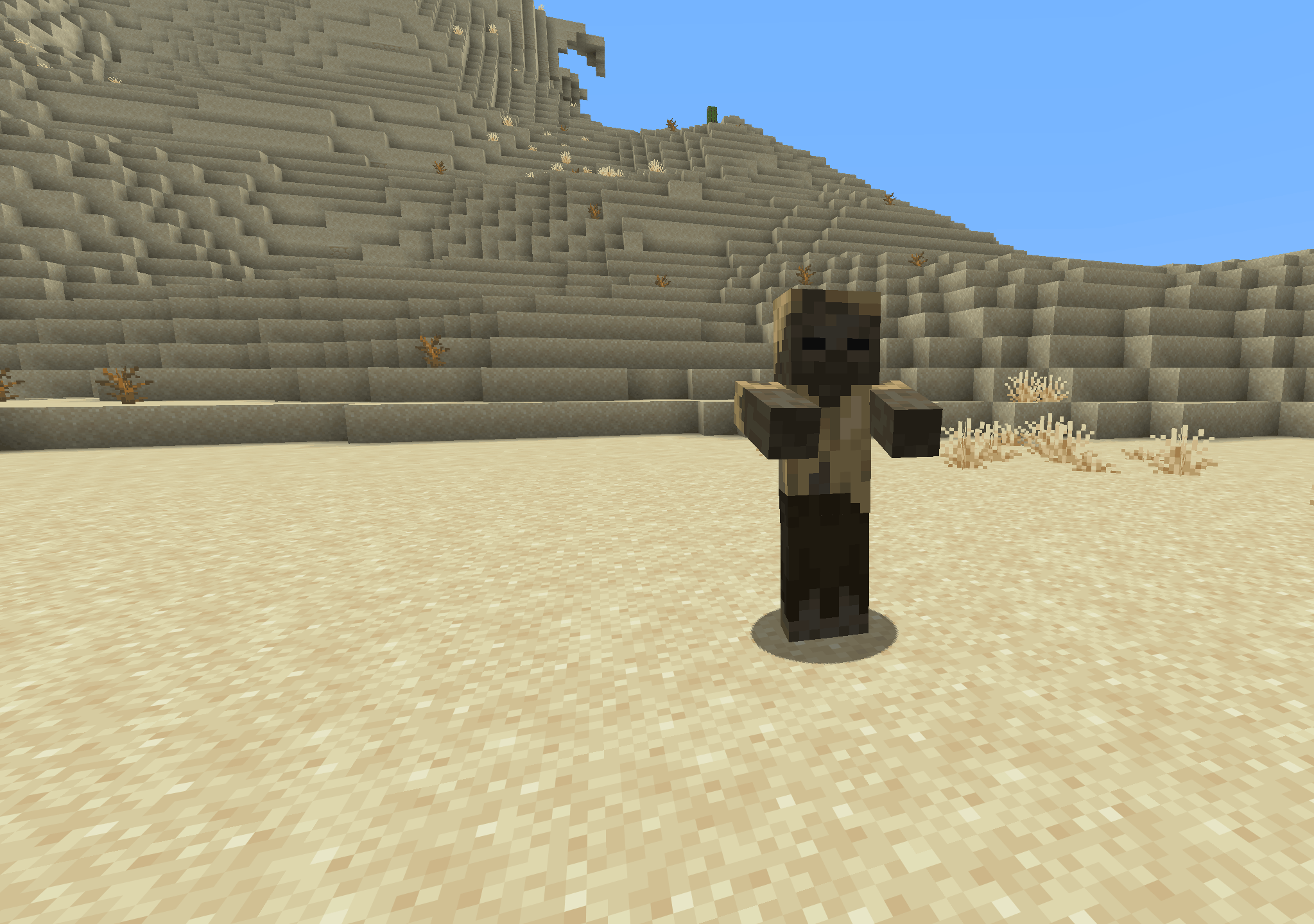
Husks are dangerous because:
-
They do not burn in sunlight
-
They inflict the Hunger effect
-
They can overwhelm unprepared players
Passive Mobs
Passive mobs are limited. Rabbits are the most common, while cows, pigs, and sheep are rare unless the desert borders another biome.
This lack of passive mobs is one reason desert survival feels harder early on.
Desert Villages Explained
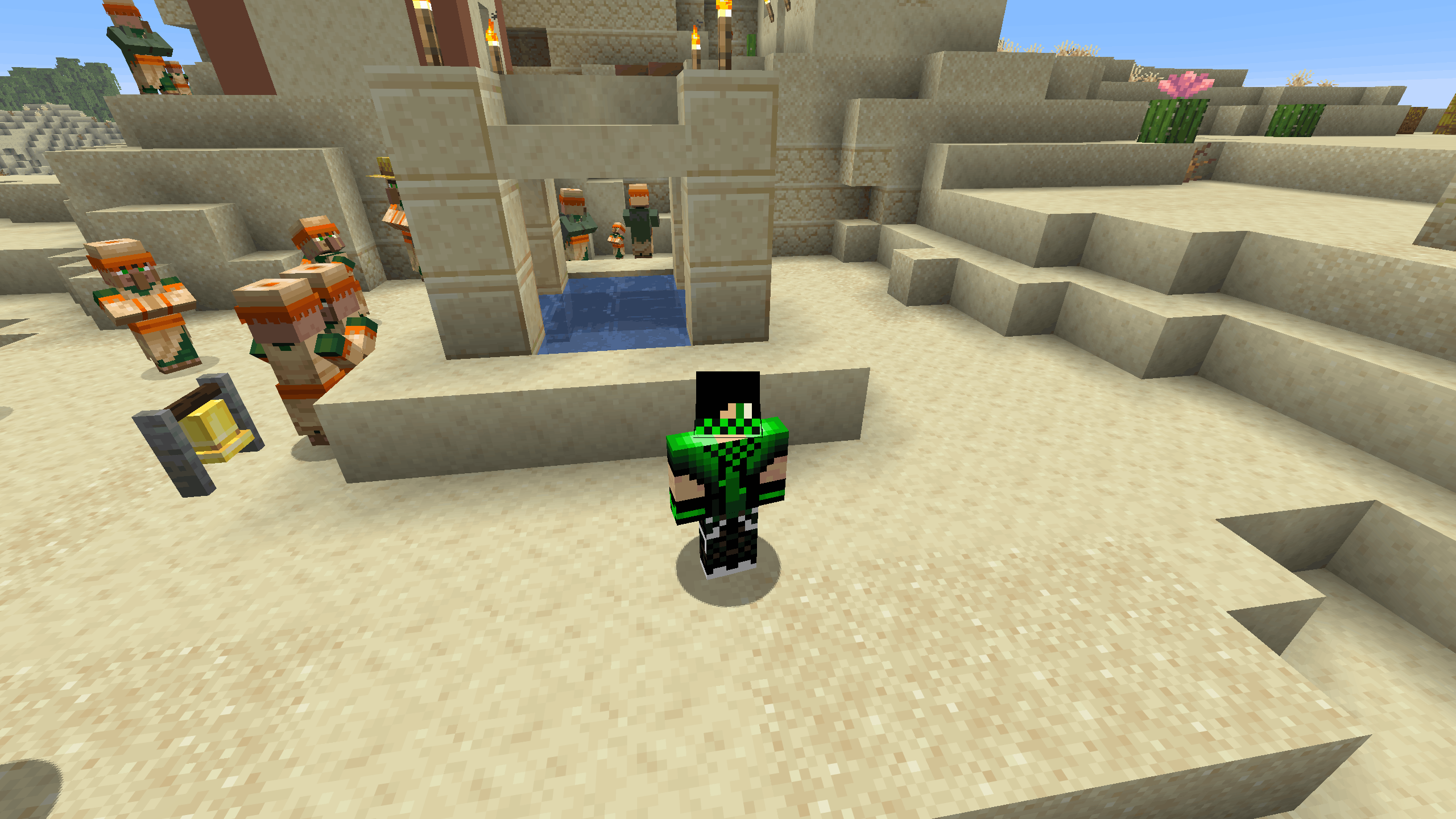
Desert Villages are one of the biggest advantages of living in a desert biome. These villages use sandstone instead of wood and often generate with wells, farms, and multiple villagers.
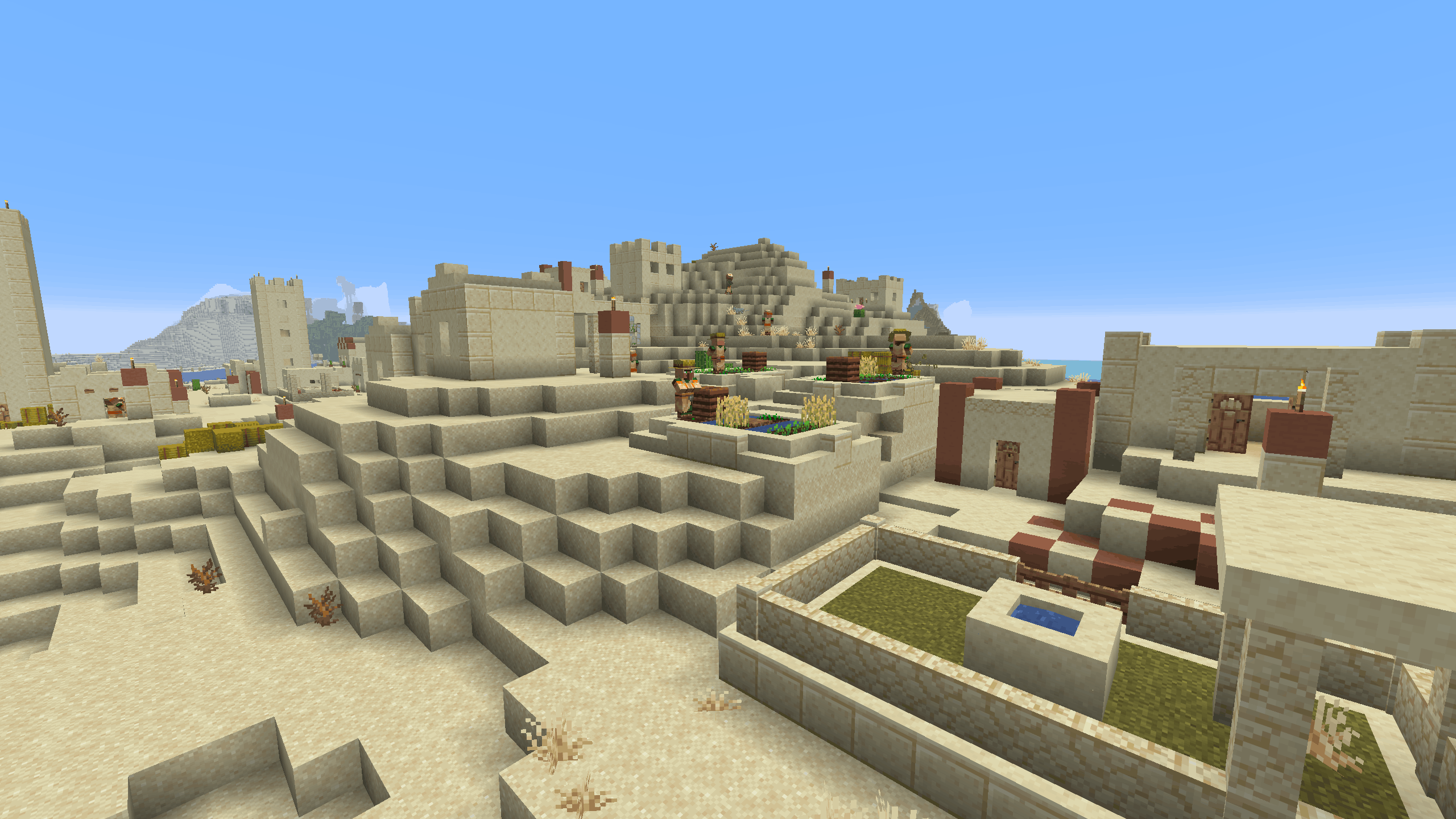
Desert villages provide:
-
Shelter
-
Beds
-
Food from farms
-
Infinite water wells
-
Villagers for trading
Because water is scarce in deserts, village wells are especially valuable. Protecting villagers early is critical, as they form the backbone of long-term desert survival.
Desert Temples and Their Importance
Desert Temples are exclusive to desert biomes and are one of the most valuable early-game structures.
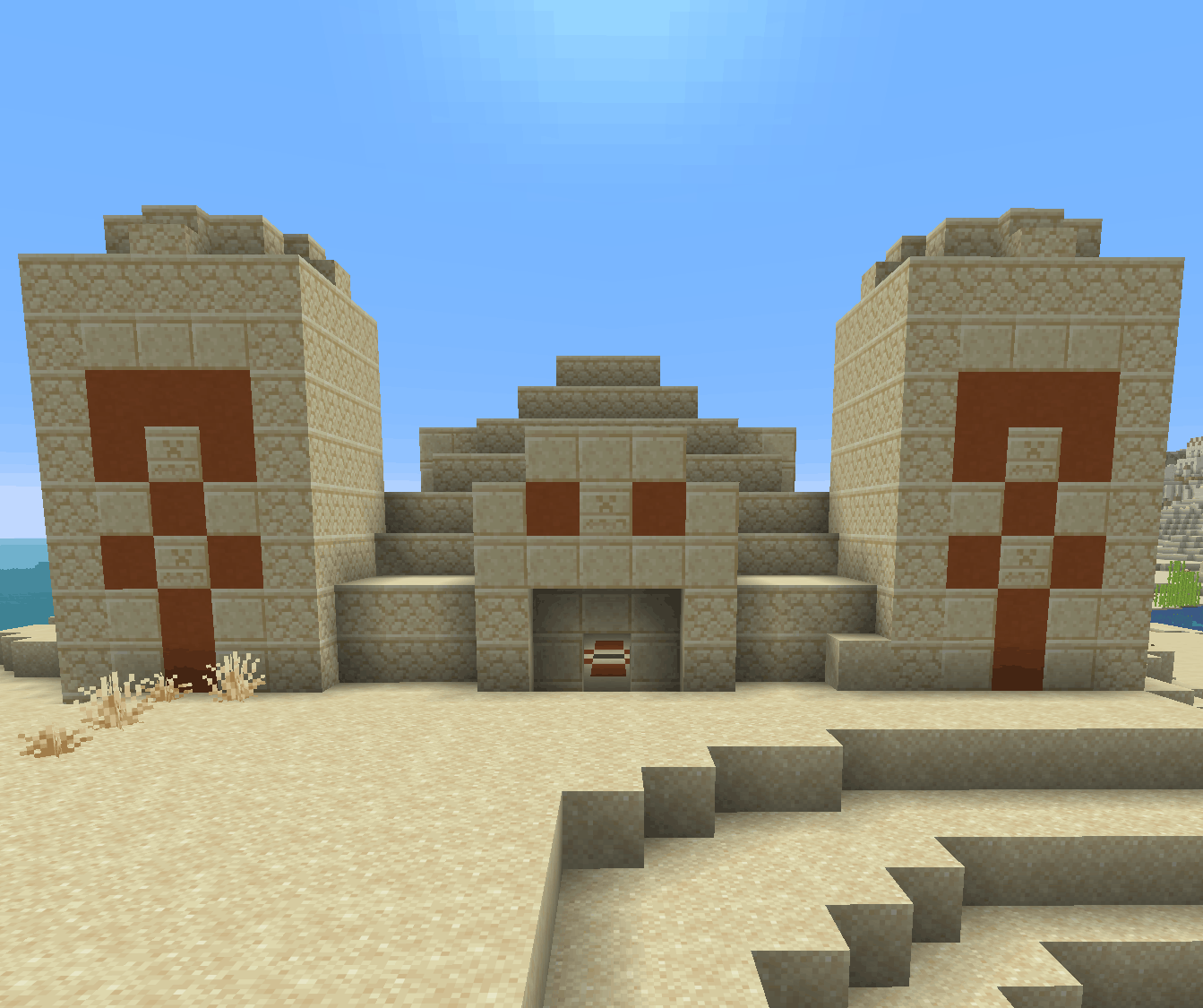
Inside every desert temple is a hidden TNT trap beneath a stone pressure plate. If triggered, the explosion destroys the loot and can kill the player instantly.
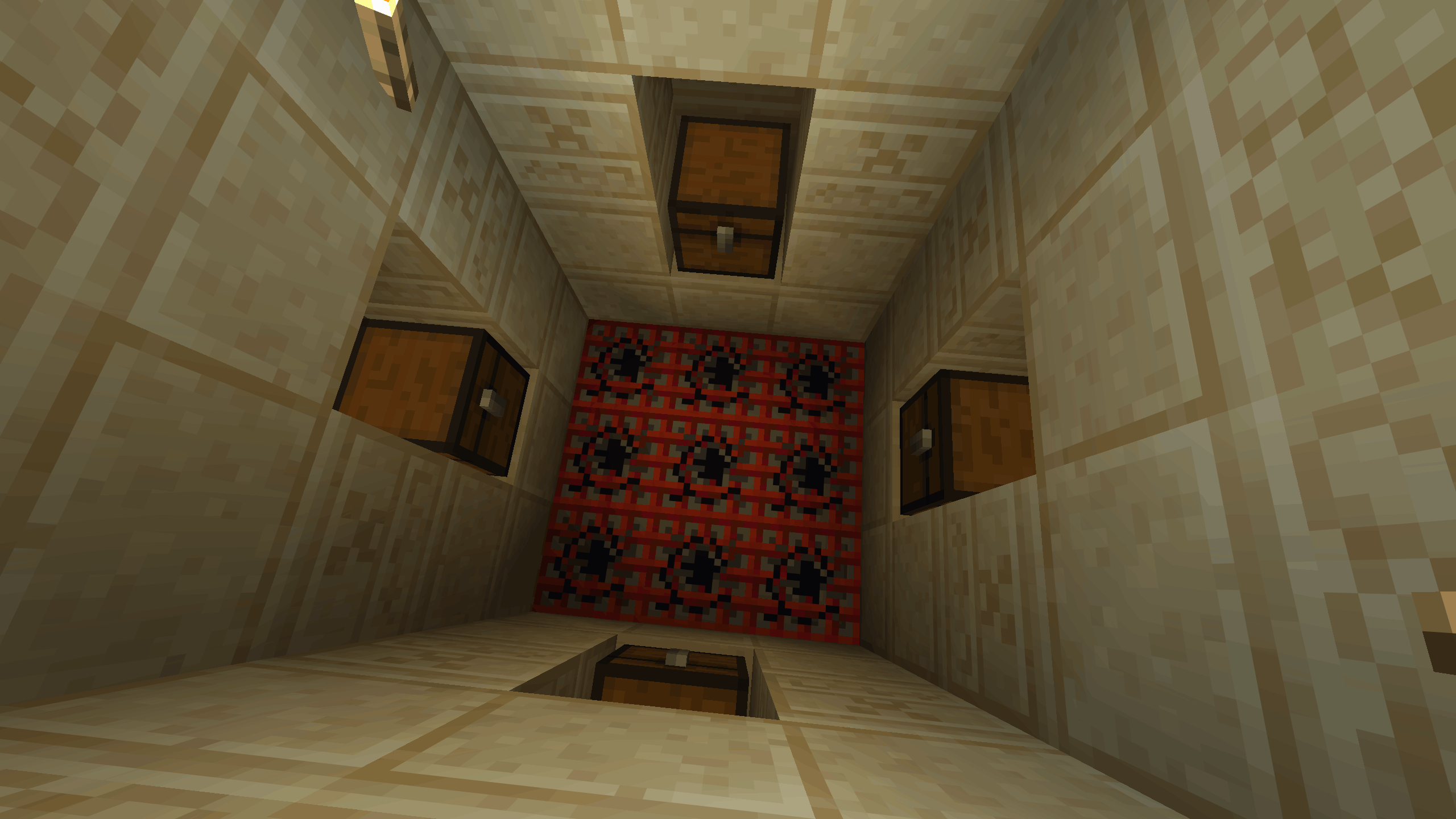
When explored carefully, desert temples can contain:
-
Diamonds
-
Enchanted books
-
Gold and iron
-
Emeralds
Finding a desert temple early can drastically speed up survival progression.
Resources Found in the Desert Biome
While deserts lack surface variety, they still offer useful resources.
Surface resources include:
-
Sand
-
Sandstone
-
Cactus
Cactus can be used for green dye, XP farms, and automation systems.
Underground, deserts contain the same ores as other biomes, including iron, coal, redstone, gold, and diamonds.
Food Availability in the Desert
Food is the biggest challenge in desert survival.
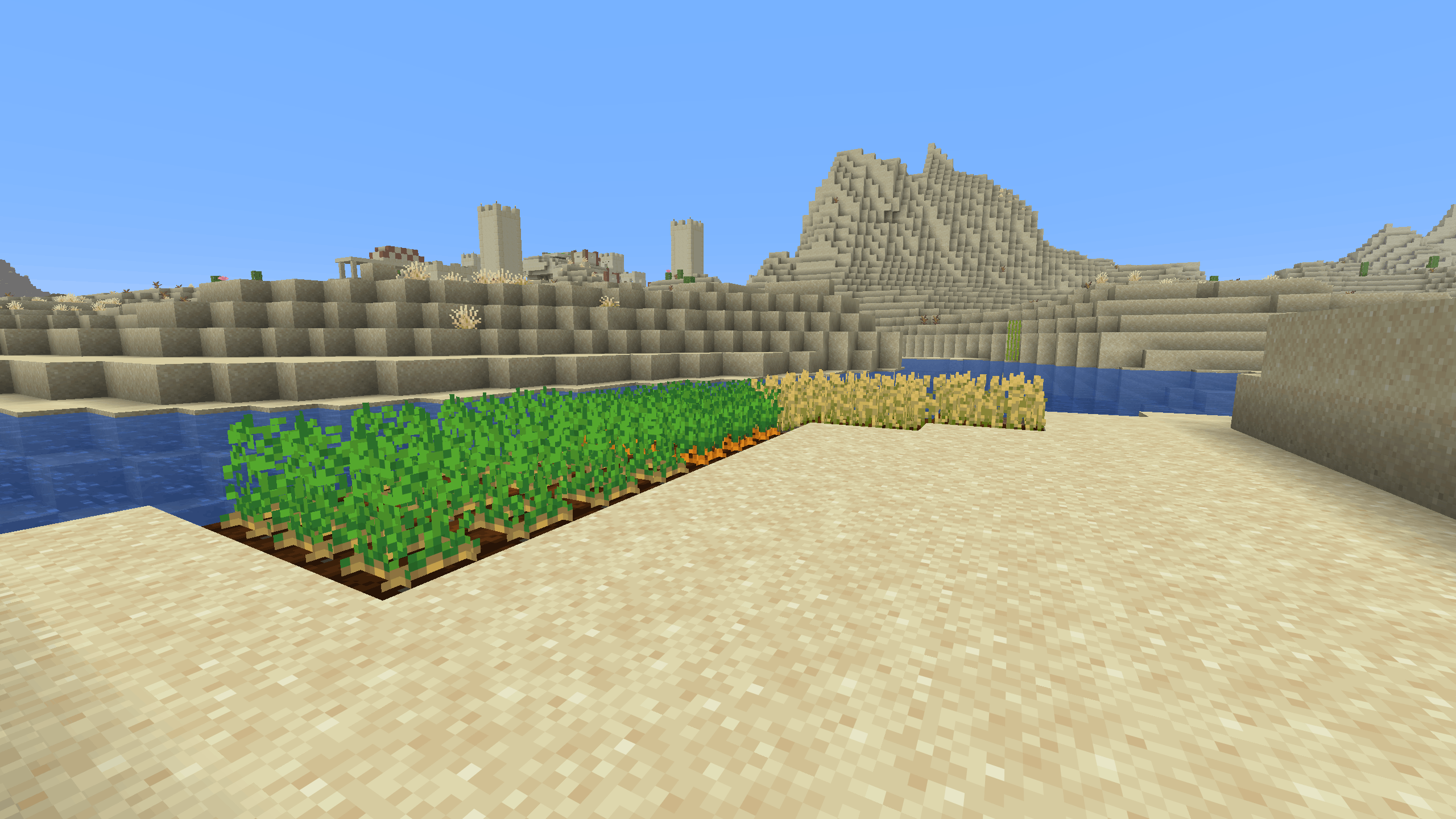
Reliable food sources include:
-
Rabbits
-
Village crops
-
Fishing (if water is available)
-
Imported crops from other biomes
Once farming is established near water, deserts become much easier to live in.
Is the Desert Biome Good for Survival?
The Desert biome is moderately difficult early but very stable long term.
Early challenges include:
-
No wood
-
Limited food
-
Open terrain at night
Long-term advantages include:
-
Villages and trading
-
Flat land for farms
-
Valuable structures
-
Clean building space
Players who survive the early stage often find deserts easier than many other biomes later on.
Is the Desert Biome Good for Building?
Deserts are excellent for building once resources are secured.
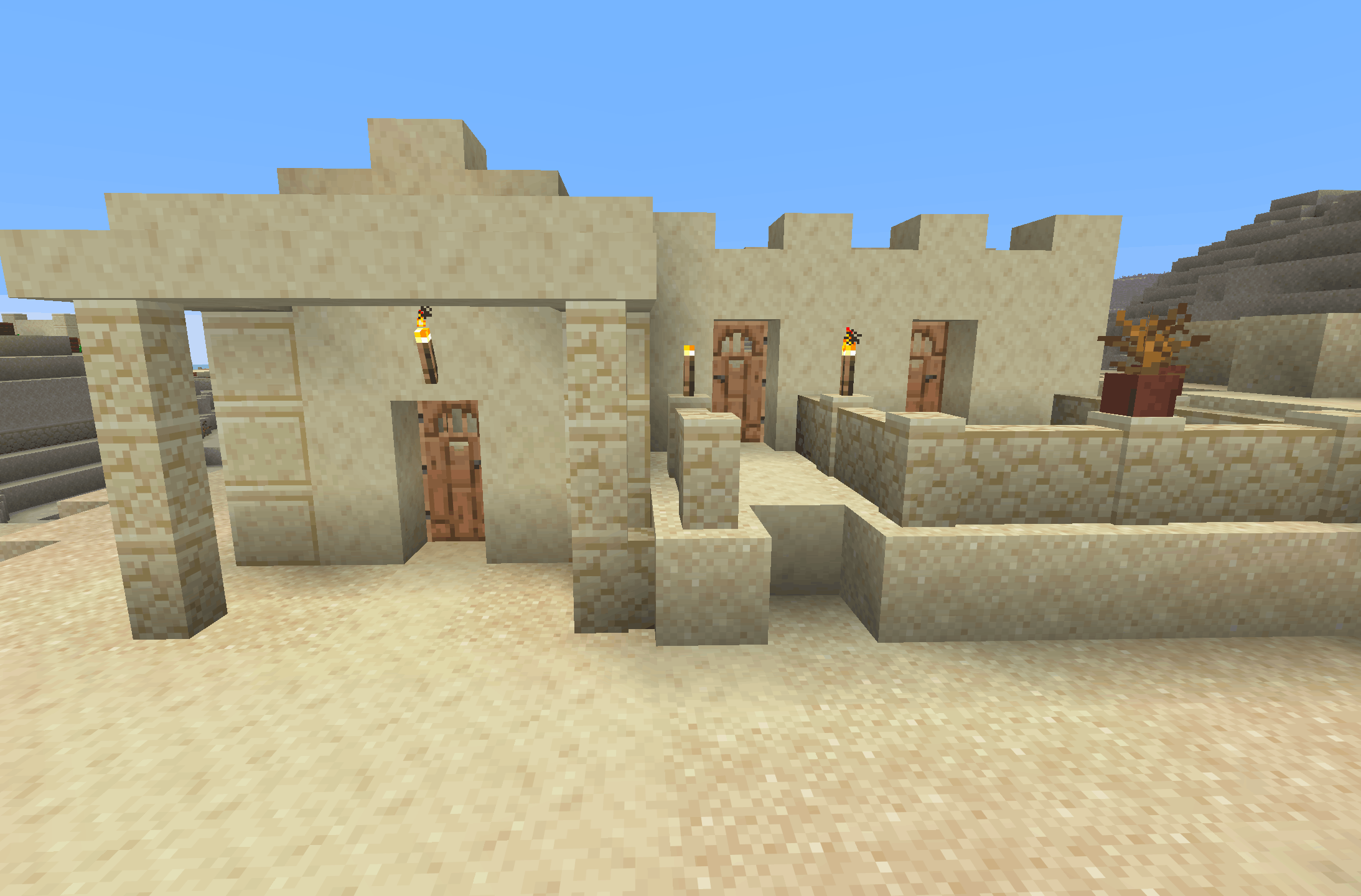
Builders like deserts because:
-
Terrain is flat
-
No trees to clear
-
Lighting is consistent
-
Sandstone provides a clean aesthetic
Mega bases, cities, and redstone projects are easier to plan in deserts than in forests or mountains.
Desert Biome for Trading and Villagers
Desert villages are ideal for trading halls. The flat terrain makes villager transport easier, and sandstone buildings integrate naturally into the environment.
Trading allows players to obtain:
-
Enchanted books
-
Diamond gear
-
Emeralds
-
Food
For many players, desert villages become the heart of their survival world.
Pros and Cons of the Desert Biome
Advantages
-
Flat terrain
-
Rare structures
-
Desert villages
-
No rain
-
Clean visuals
Disadvantages
-
No trees
-
Limited early food
-
Dangerous sand physics
-
Husks at night
Understanding these pros and cons helps players decide if the desert fits their playstyle.
Who Should Live in the Desert Biome?
The Desert biome is best for:
-
Players who plan ahead
-
Builders who want space
-
Traders using villagers
-
Long-term survival worlds
Beginners can live in deserts successfully, but preparation is important.
Desert Biome Compared to Other Biomes
Compared to Plains, deserts are harder early but offer better structures.
Compared to Forests, deserts lack resources but offer easier building.
Compared to Snow biomes, deserts are safer and more predictable.
Each biome serves a different purpose, and deserts reward patience.
Final Thoughts
The Desert biome in Minecraft is not empty—it is disciplined. It challenges players early but rewards them later with stability, structure, and freedom to build.
Once water, food, and villagers are secured, deserts become one of the cleanest and most efficient biomes to live in. For players willing to adapt, the desert transforms from a survival test into a long-term advantage.