Building is one of the most important parts of Minecraft. Long before Redstone machines or advanced farms, every player needs a place to feel safe. A good build protects you from mobs, stores your items, and slowly turns a random world into something that feels like home.
For beginners, building can feel confusing. You may not know where to start, what materials to use, or how big your base should be. Some players rush into huge builds and get overwhelmed, while others stay in tiny dirt huts far longer than they should.
This guide explains how building works in Minecraft, how to start small, and how to design builds that grow with your survival world.
What Does Building Mean in Minecraft?
Building in Minecraft is more than placing blocks randomly. It is the process of designing structures that serve a purpose while also fitting into the world around you.
In Survival mode, building usually focuses on:
-
Safety from hostile mobs
-
Storage and organization
-
Easy access to Crafting and farming
-
Expansion over time
Creative players may focus on appearance, but survival building is about function first, style later.
Once you understand this mindset, building becomes much easier.
Choosing the Right Location to Build
Location matters more than materials early on. A good location saves time, resources, and frustration.
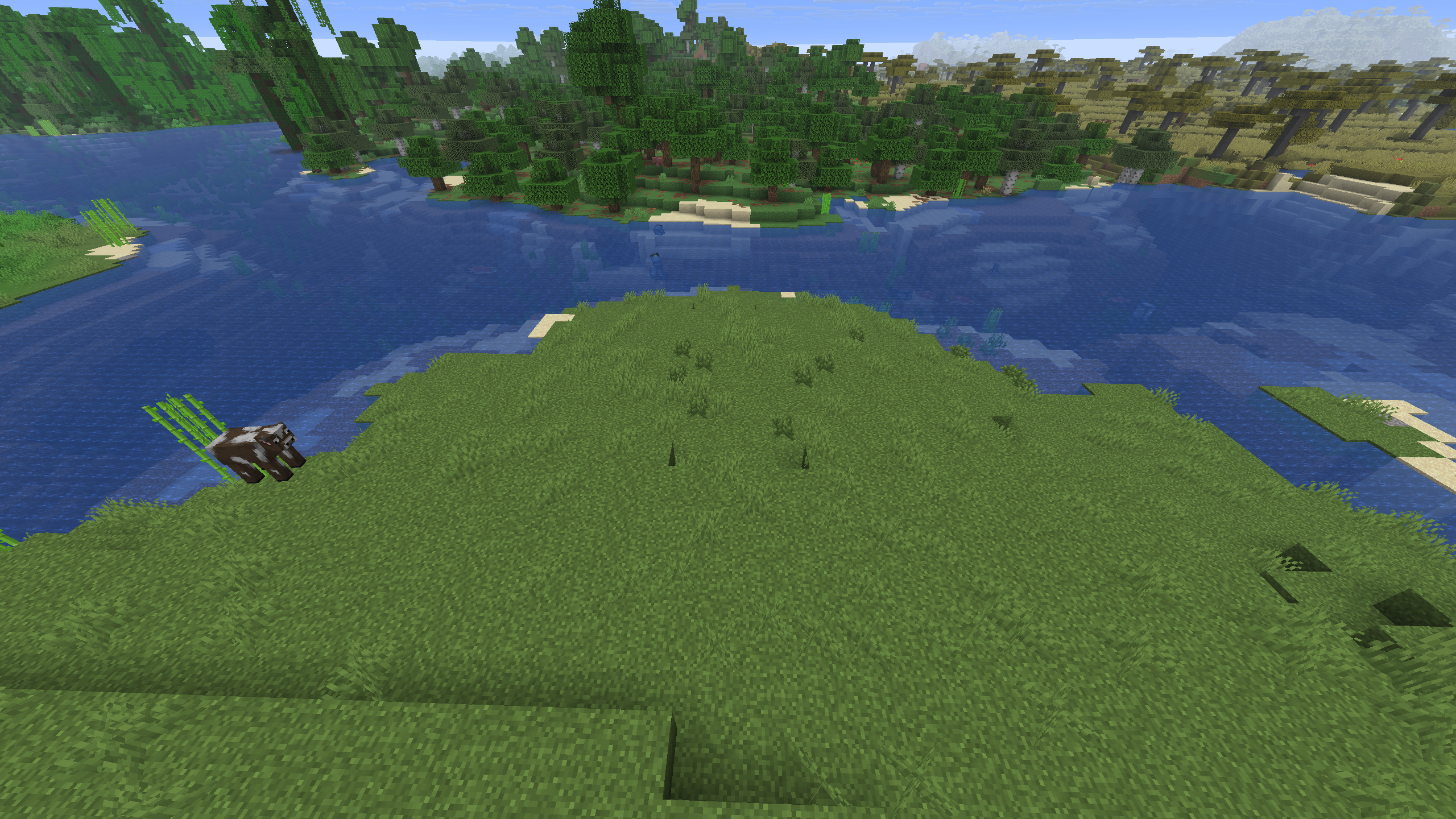
Beginner-friendly building locations include:
-
Plains biomes for flat terrain
-
Near rivers for water access
-
Close to forests for wood
Avoid building too close to steep mountains or deep caves early. Flat land gives you control and makes expansion easier.
Many long-term worlds begin with a simple base in a Plains biome and expand outward as the player progresses.
Your First Survival Base
Your first base does not need to be impressive. Its main job is to keep you alive.
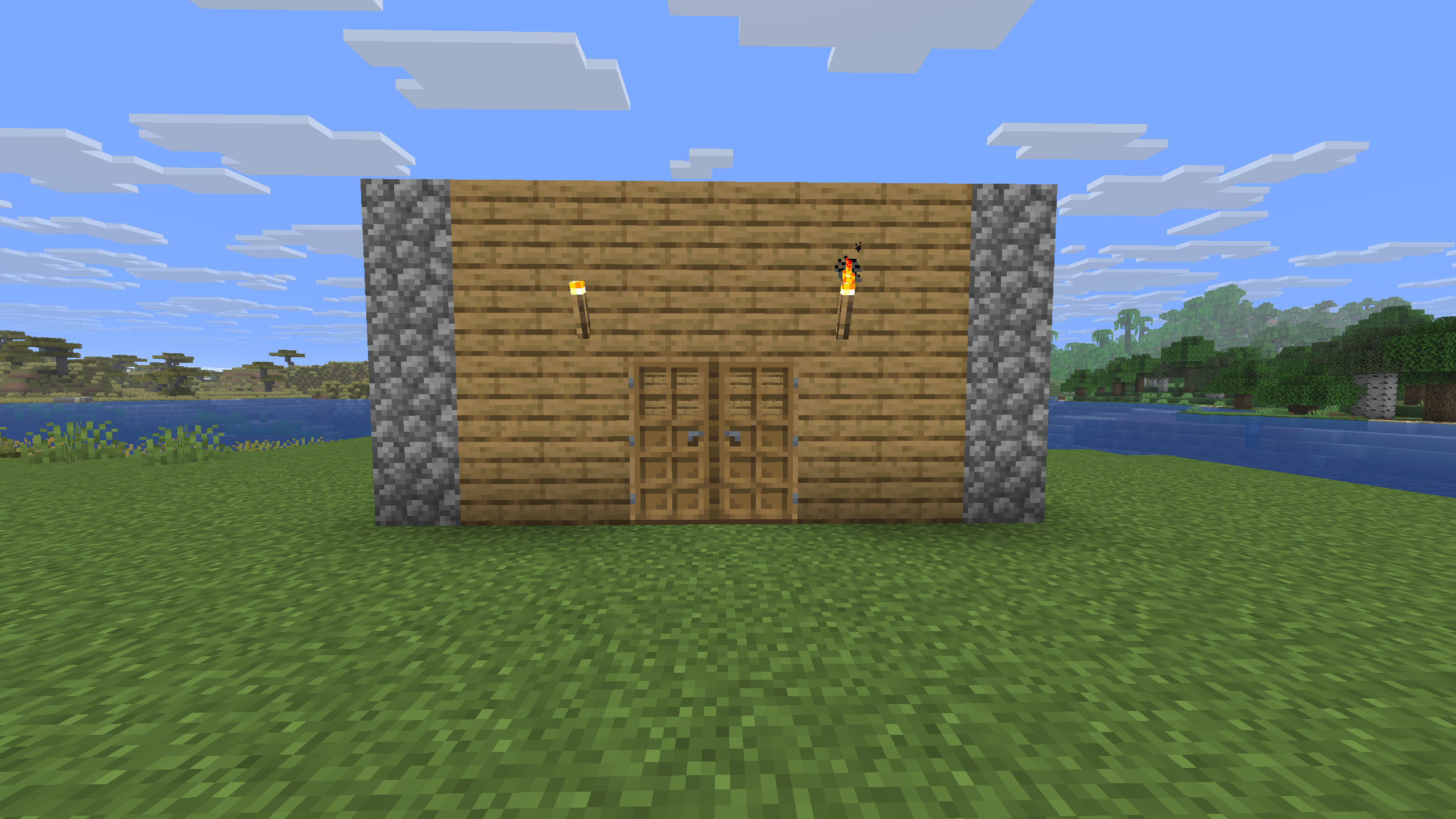
A good early base should include:
-
A bed to skip the night
-
A crafting table
-
A furnace
-
A few chests
Simple shapes like squares or rectangles are perfectly fine at the start. Focus on lighting the area properly to prevent mob spawns.
A small wooden or stone base is better than rushing into a massive build you cannot finish.
Choosing Building Materials
Early-game building materials should be easy to gather and replace.
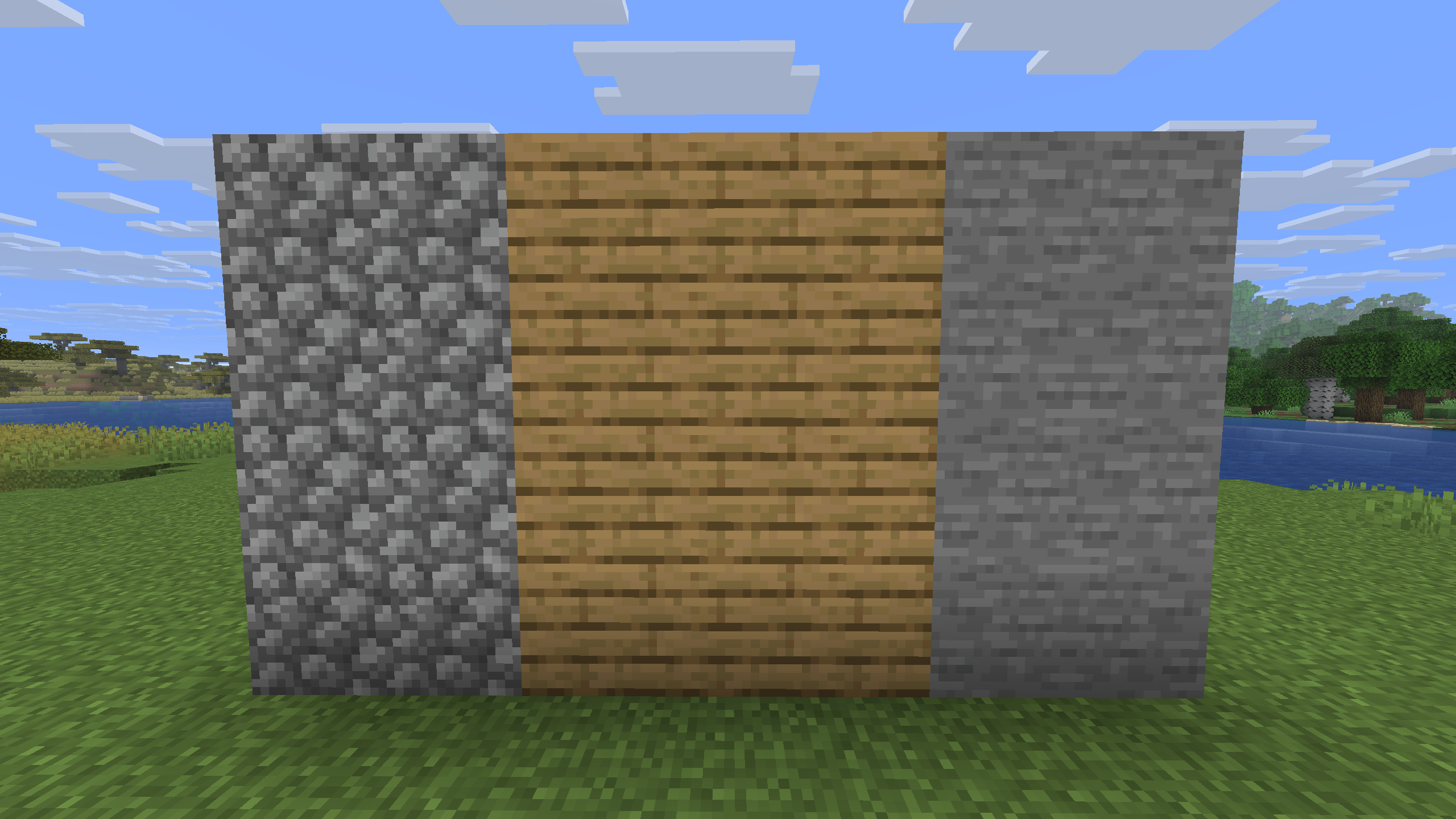
Common beginner materials include:
-
Wood planks
-
Cobblestone
-
Dirt (temporary)
Wood is fast to collect and easy to craft. Stone offers better protection and a cleaner look. Mixing materials helps avoid flat, boring designs.
As you progress, you can replace early materials with stronger or more decorative blocks.
Basic Building Shapes That Work
Many beginners struggle because they try to build complex shapes too early. Simple designs are more effective.
Strong beginner shapes include:
-
Rectangular houses
-
Small towers
-
L-shaped builds
These shapes are easy to expand later. You can add floors, rooms, or extensions without breaking the original structure.
Learning to build clean, simple shapes creates a strong foundation for advanced builds.
Lighting and Safety
Lighting is one of the most overlooked parts of building. A beautiful base means nothing if mobs keep spawning inside it.
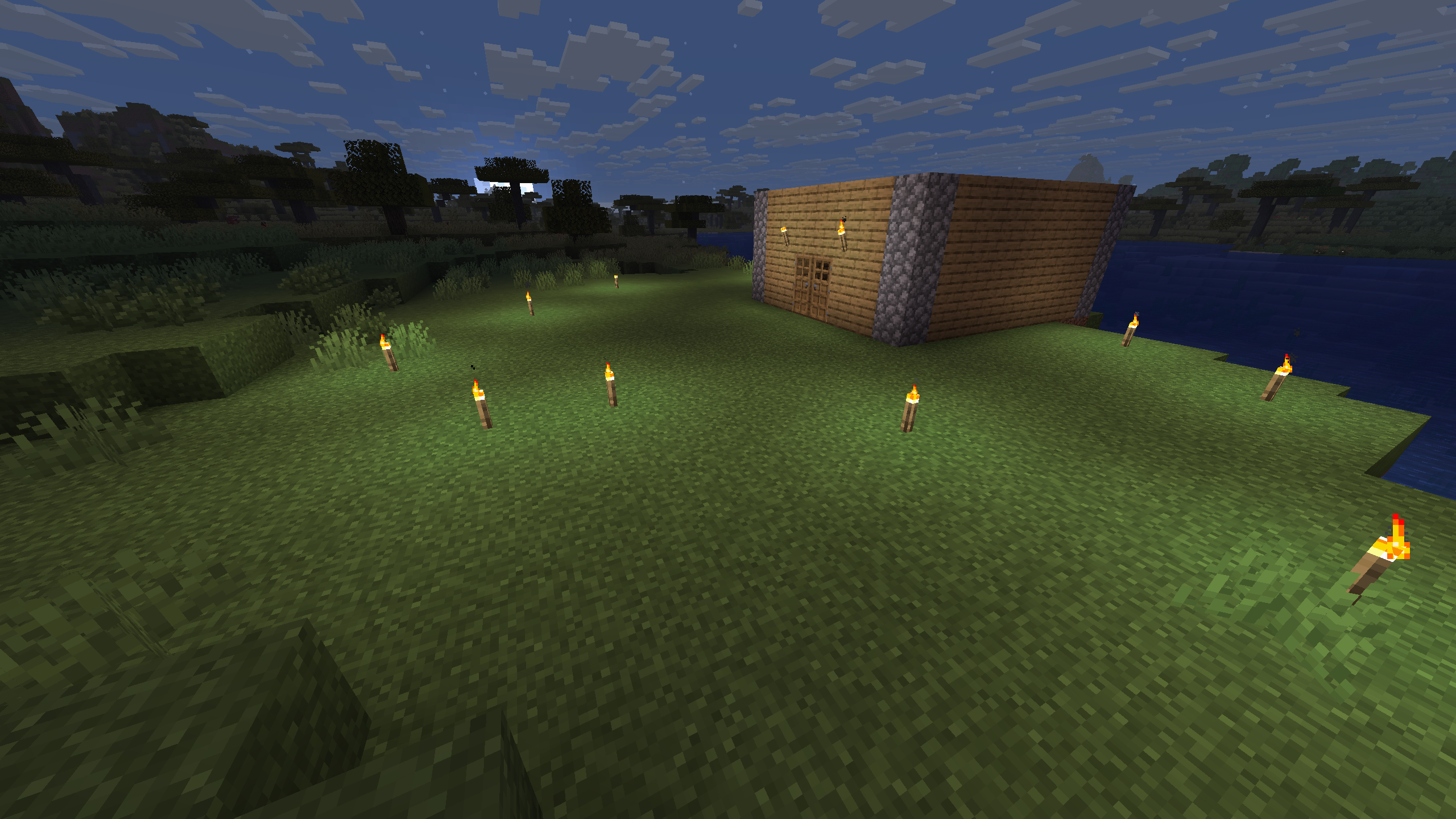
Torches, lanterns, and other light sources should be placed evenly throughout your build. Roofs, corners, and storage areas are common problem spots.
Good lighting:
-
Prevents hostile mobs
-
Makes navigation easier
-
Improves overall atmosphere
A well-lit base feels safer and more comfortable to use.
Storage and Interior Layout
A good build is not just about the outside. Interior layout affects how enjoyable your survival experience feels.
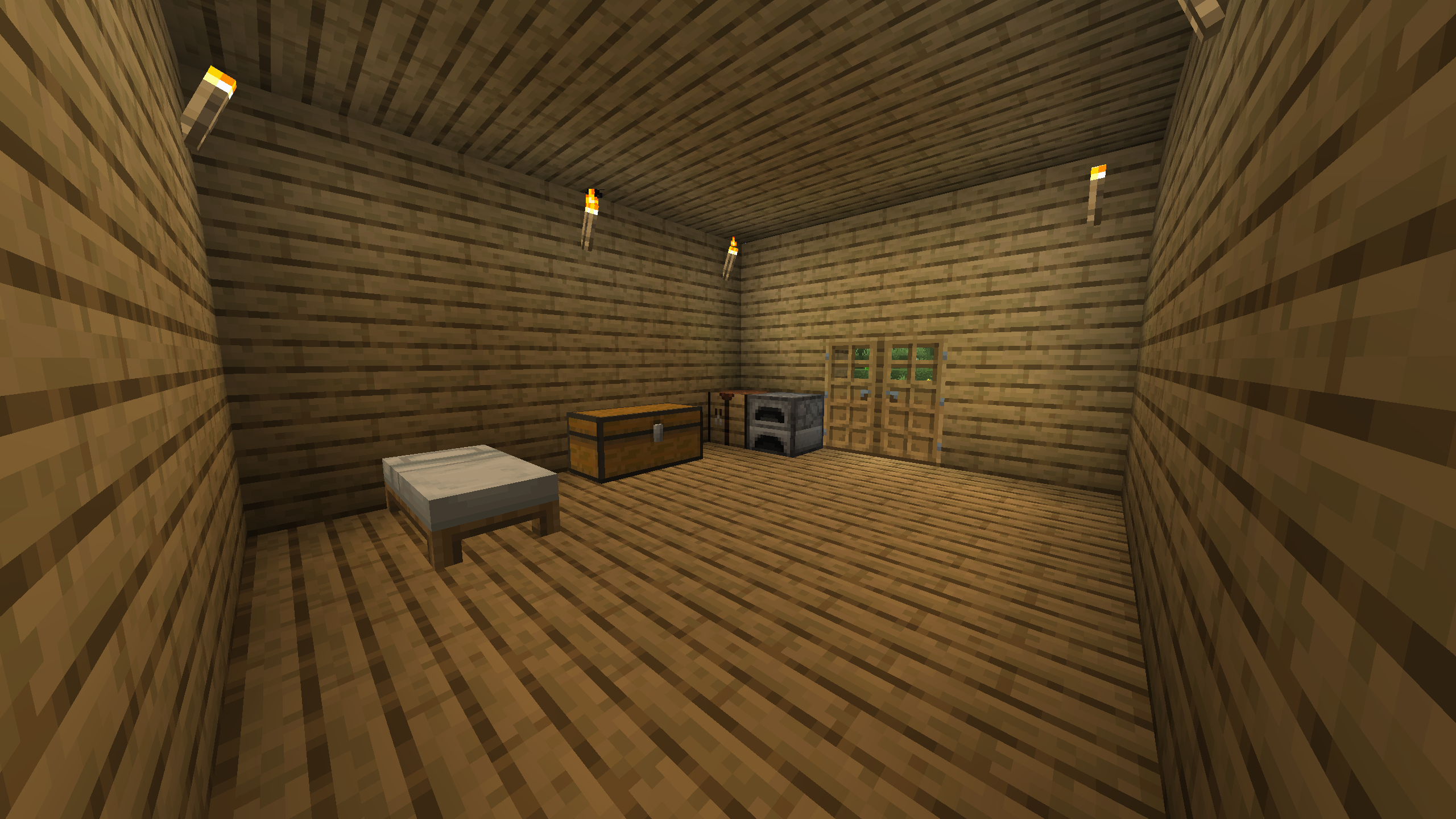
Your base should have:
-
Clear walking paths
-
Organized storage areas
-
Easy access to crafting stations
Placing chests near crafting tables and furnaces saves time. As your item count grows, expanding storage vertically or into separate rooms keeps things manageable.
Good organization reduces frustration and speeds up gameplay.
Expanding Your Base Over Time
One of the biggest mistakes beginners make is trying to build everything at once. Minecraft building works best when it grows naturally.
Instead of rebuilding constantly, expand gradually:
-
Add a second floor
-
Extend storage rooms
-
Build separate farming or enchanting areas
This approach saves resources and makes your base feel alive as it evolves.
Many experienced players keep their original starter base and slowly transform it into a long-term hub.
Building for Long-Term Survival
As you progress, your building goals change. Safety becomes less important, and efficiency becomes more valuable.
Long-term survival builds often include:
-
Dedicated storage buildings
-
Automated farms
-
Villager trading halls
-
Redstone systems
Planning space early makes these upgrades easier. Even if you don’t build them immediately, leaving room for future projects is always smart.
Common Beginner Building Mistakes
Every player makes mistakes when learning to build. The key is understanding them early.
Common mistakes include:
-
Building too big too fast
-
Ignoring lighting
-
Poor storage planning
-
Choosing difficult terrain
Avoiding these mistakes keeps building fun instead of stressful.
Building Style Comes Later
Many players worry too much about how their base looks early on. Style is important, but it comes with experience.
Once survival basics are stable, you can:
-
Experiment with different block palettes
-
Add depth and detail
-
Improve roof designs
Building skill improves naturally the more you play. Every build teaches you something new.
Why Building Is So Important in Minecraft
Building gives players control over the world. It turns survival into creativity and gives meaning to exploration and resource gathering.
A good build:
-
Protects your progress
-
Makes survival easier
-
Reflects your playstyle
Whether small or massive, every build tells a story.
Final Thoughts
Building in Minecraft does not require perfection. It requires patience, planning, and practice. Starting small, choosing smart locations, and expanding gradually leads to stronger and more enjoyable worlds.
Your first base does not need to be perfect. It just needs to work.
As you learn, your builds will naturally improve—and that’s one of the best parts of Minecraft.