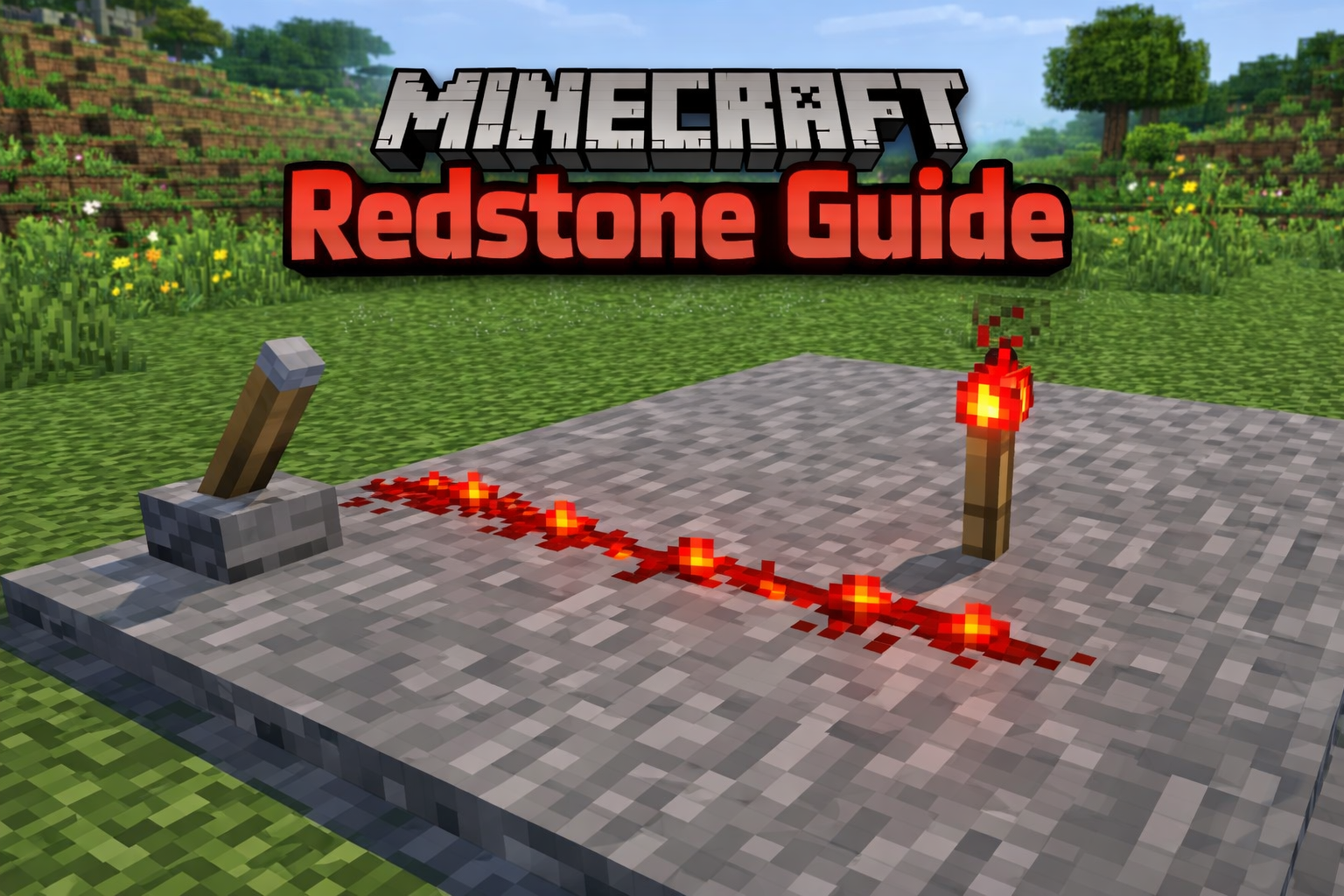
When players first hear the word Redstone in Minecraft, it often sounds complicated. People imagine confusing wires, blinking machines, and massive contraptions that only advanced players can build. Because of that, many beginners completely avoid Redstone early on.
But Redstone is not just for experts. At its core, Redstone is simply Minecraft’s power and automation system. Once you understand the basics, it becomes one of the most useful and rewarding mechanics in the game.
This guide explains what Redstone is, how it works, and why every player should learn it, even in survival mode.
What Is Redstone in Minecraft?
Redstone is a special resource in Minecraft that works like electricity. It allows players to power blocks, activate mechanisms, and automate tasks.
When Redstone dust is placed on the ground, it can carry a signal from one point to another. That signal can open doors, move pistons, activate traps, or power entire systems.
Redstone turns Minecraft from a simple survival game into a world where machines and automation are possible.
How to Get Redstone
Redstone is obtained by mining Redstone ore, which is usually found deep underground. Once mined with an iron or better pickaxe, it drops Redstone dust.
Redstone can also be obtained from:
-
Loot chests
-
Trading with villagers
-
Certain mob drops
Because Redstone is more common underground, players usually discover it after they begin serious mining.
Redstone Dust – The Core Component
Redstone dust is the most basic Redstone item. It acts as a wire that carries power.

Key things to know:
-
Redstone dust can transmit power up to 15 blocks
-
The signal weakens the farther it travels
-
It can power blocks, torches, pistons, and more
When powered, Redstone dust glows bright red. When unpowered, it appears dark.
Understanding Redstone dust is the first step to learning all Redstone mechanics.
Redstone Power Sources
Redstone systems need a power source to function. Without power, nothing activates.
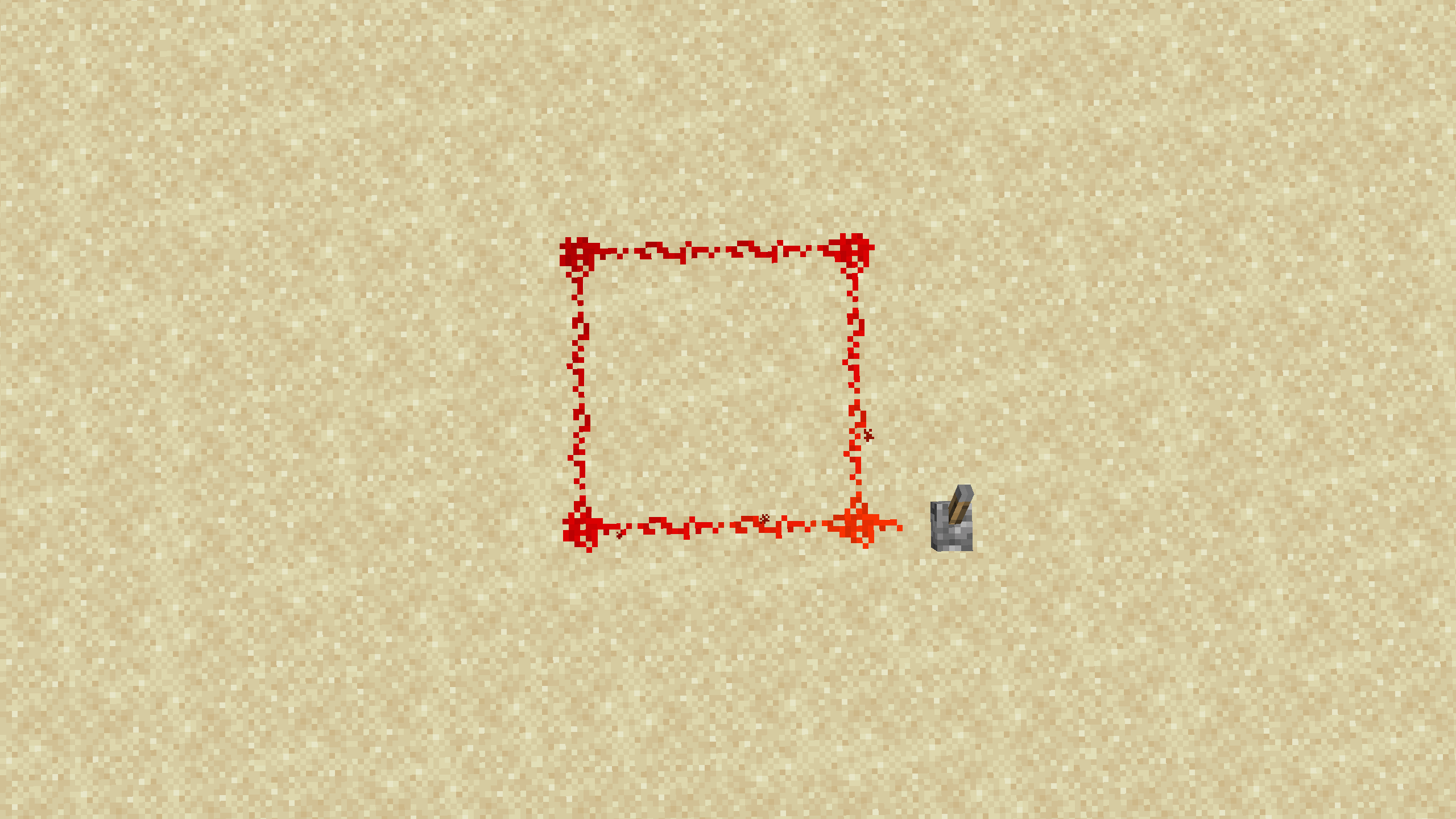
Common Redstone power sources include:
-
Levers
-
Buttons
-
Pressure plates
-
Redstone torches
Levers provide continuous power until switched off. Buttons and pressure plates provide temporary power, making them useful for doors and traps.
Each power source serves a different purpose depending on what you are building.
Redstone Torches – Constant Power
Redstone torches are unique because they provide constant power unless turned off by another Redstone signal.
They are often used for:
-
Compact Redstone circuits
-
Inverting signals
-
Creating logic systems
For beginners, Redstone torches may seem confusing, but they are extremely important for more advanced builds later on.
Pistons – Moving Blocks with Redstone
Pistons are one of the most exciting Redstone components. When powered, pistons can push blocks forward. Sticky pistons can also pull blocks back.
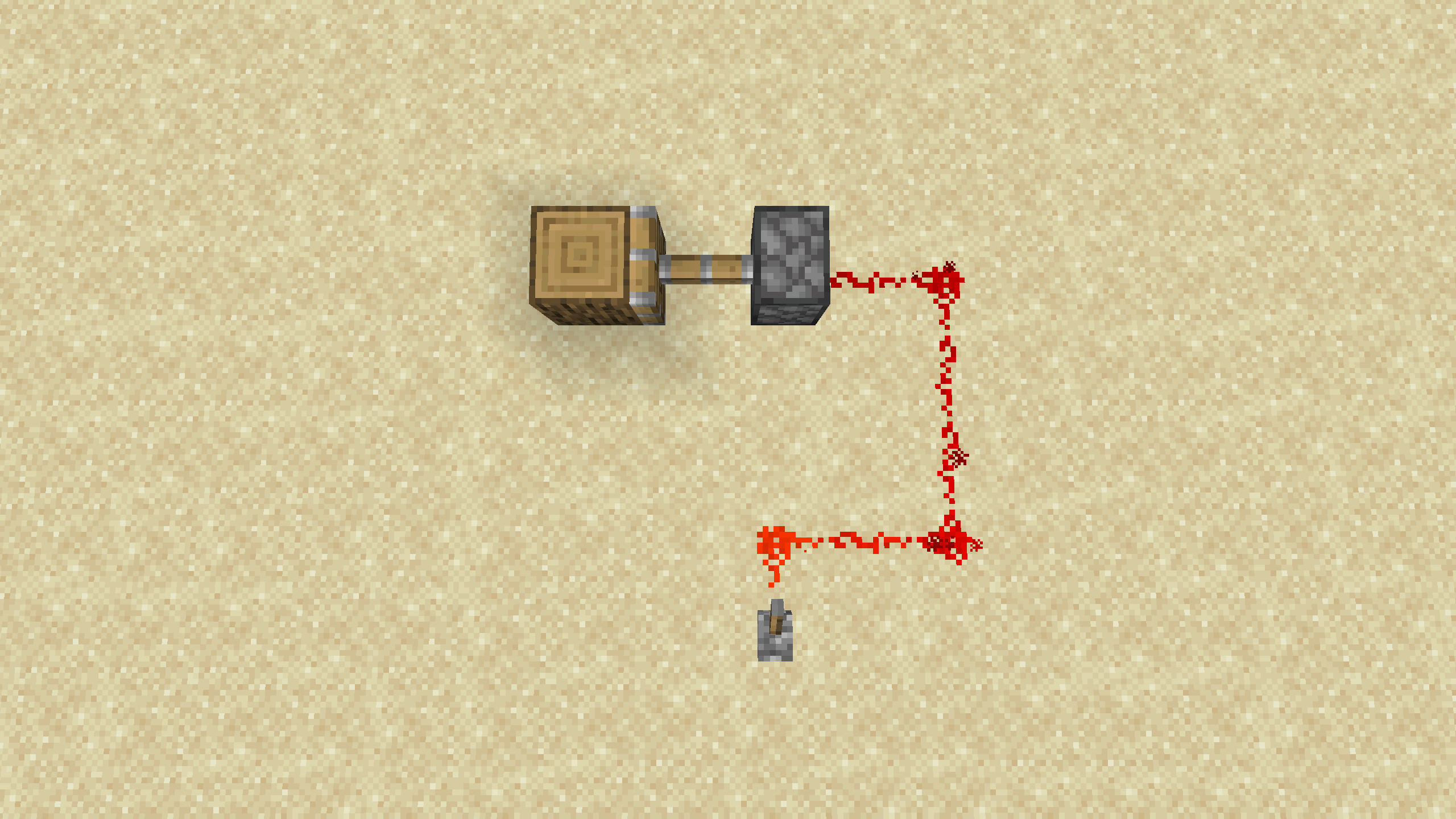
Pistons are used for:
-
Secret doors
-
Hidden staircases
-
Traps
-
Automatic farms
Learning to power pistons with simple Redstone lines opens up many creative possibilities.
Doors, Traps, and Basic Automation
One of the first Redstone builds most players create is an automatic door. With just a few pressure plates or buttons, you can open and close doors automatically.
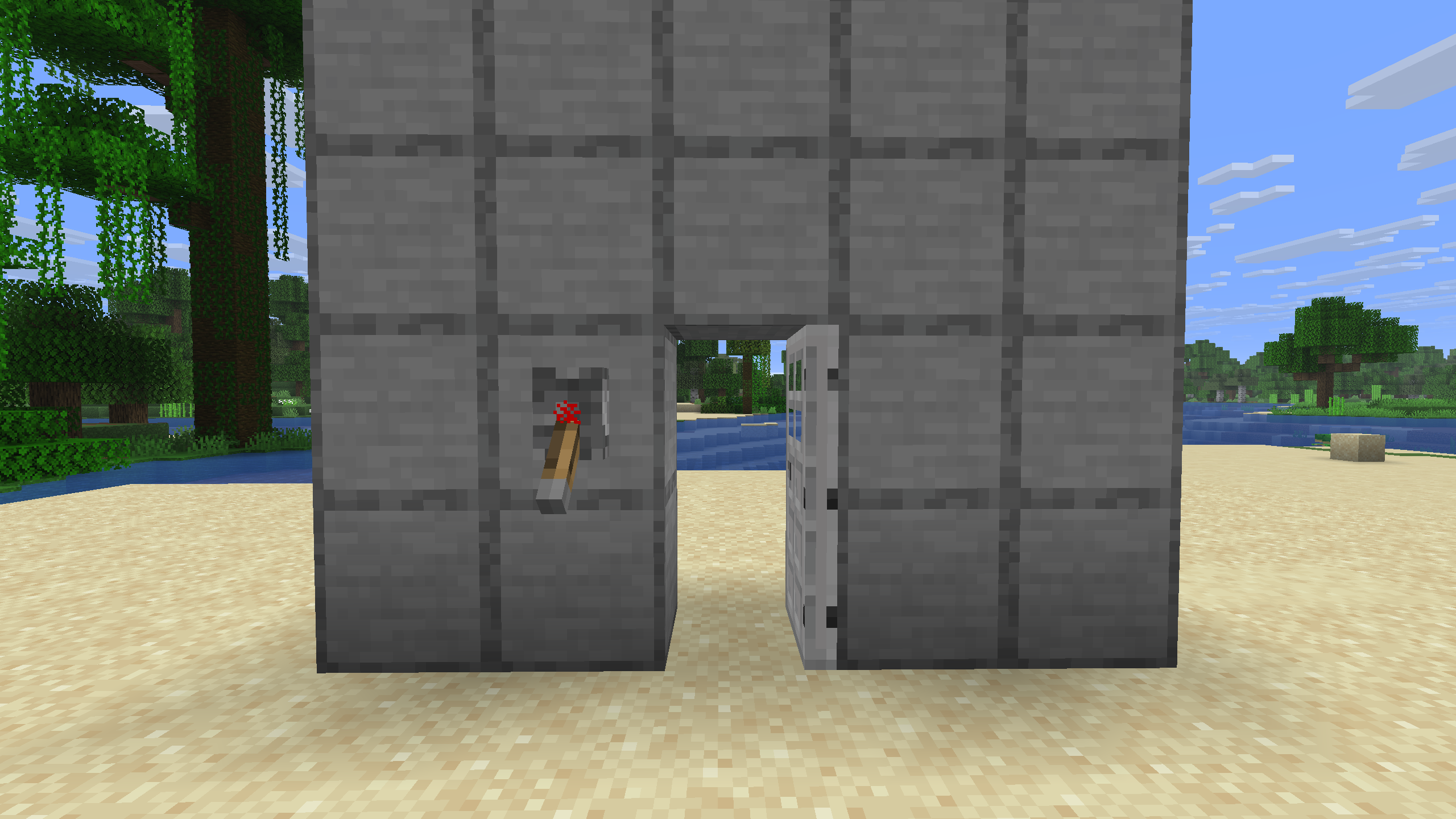
Basic Redstone automation includes:
-
Automatic doors
-
Simple traps
-
Lighting systems
-
Farm activation
These builds require only a small amount of Redstone but greatly improve convenience and safety.
Redstone Repeaters – Extending and Controlling Signals
Redstone repeaters solve one of the biggest limitations of Redstone dust: distance.
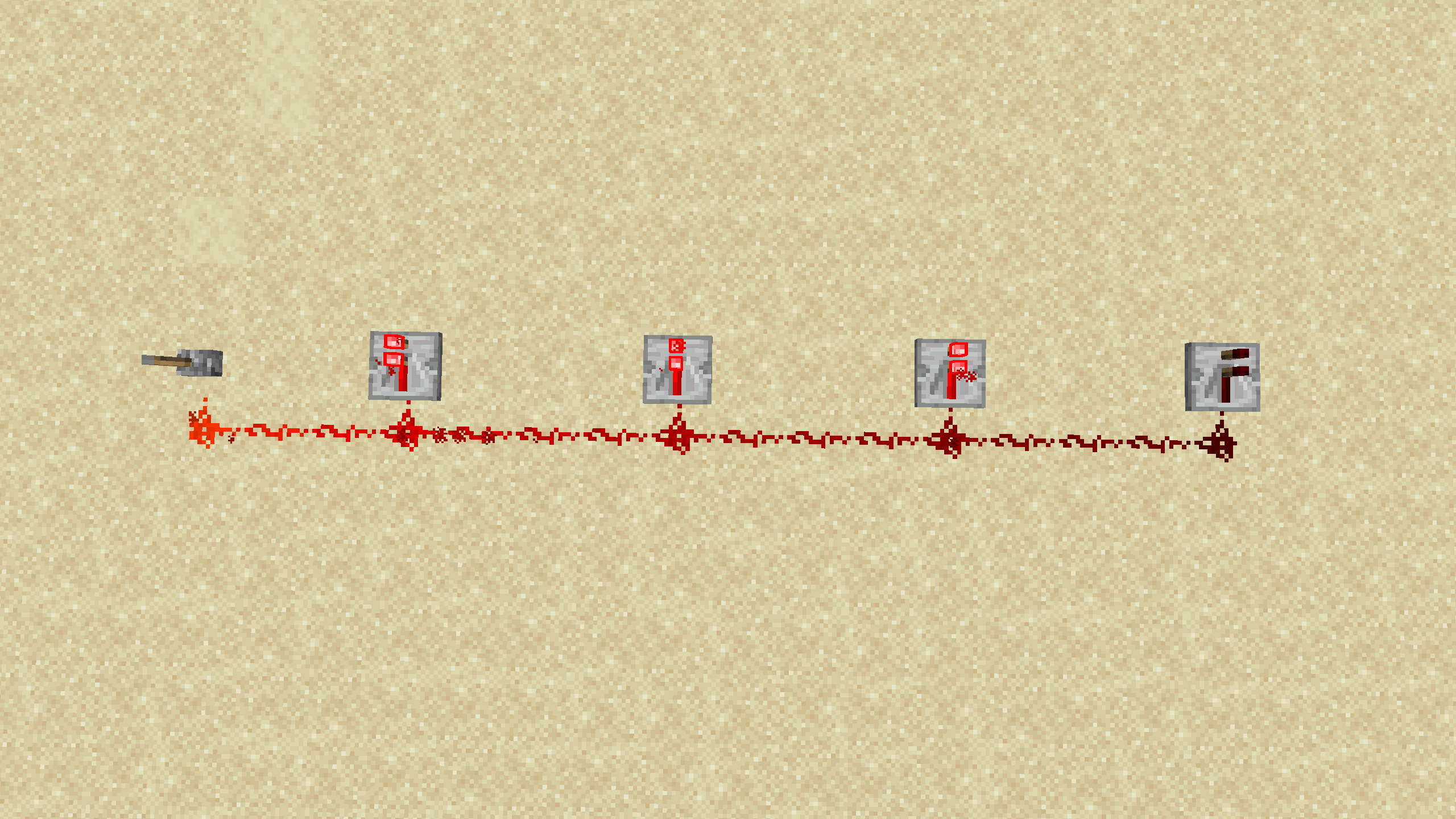
Repeaters:
-
Extend Redstone signals beyond 15 blocks
-
Prevent signal loss
-
Control signal timing
Repeaters are essential for larger builds and clean Redstone circuits. They also help organize Redstone lines and reduce errors.
Redstone Comparators – Reading Data
Comparators are slightly more advanced but incredibly powerful. They can read data from containers like chests, furnaces, and hoppers.
They are used for:
-
Item sorting systems
-
Storage indicators
-
Advanced automation
While beginners may not use comparators immediately, understanding their purpose helps when moving into complex Redstone builds.
Redstone in Survival Mode
Many players think Redstone is only useful in creative mode, but that is not true. Redstone has huge value in survival gameplay.
In survival, Redstone helps:
-
Automate farms
-
Improve base security
-
Save time
-
Reduce repetitive tasks
Even simple Redstone systems can make survival smoother and more efficient.
Common Beginner Mistakes with Redstone
New players often struggle with Redstone because of a few common mistakes.
These include:
-
Forgetting signal limits
-
Mixing power sources incorrectly
-
Overcomplicating simple builds
-
Ignoring Redstone orientation
Redstone works best when builds are kept simple. Learning step by step is far better than jumping into complex machines too early.
Why Redstone Is Worth Learning
Redstone adds a whole new layer to Minecraft. It rewards logic, creativity, and problem-solving.
Learning Redstone:
-
Makes your world feel alive
-
Unlocks automation
-
Improves efficiency
-
Adds long-term goals
Even if you never become a Redstone expert, understanding the basics will always benefit your gameplay.
Is Redstone Hard to Learn?
Redstone looks intimidating at first, but it becomes much easier once you understand the fundamentals. Most complex machines are built from simple concepts repeated many times.
If you start with small builds and experiment, Redstone becomes one of the most enjoyable parts of Minecraft.
Final Thoughts
Redstone is not just for advanced players or technical builders. It is a core Minecraft system that anyone can learn with patience and practice.
From simple doors to powerful automation systems, Redstone gives players control over their world in a way no other mechanic does.
If you want to take your Minecraft survival experience to the next level, learning Redstone is one of the best choices you can make.