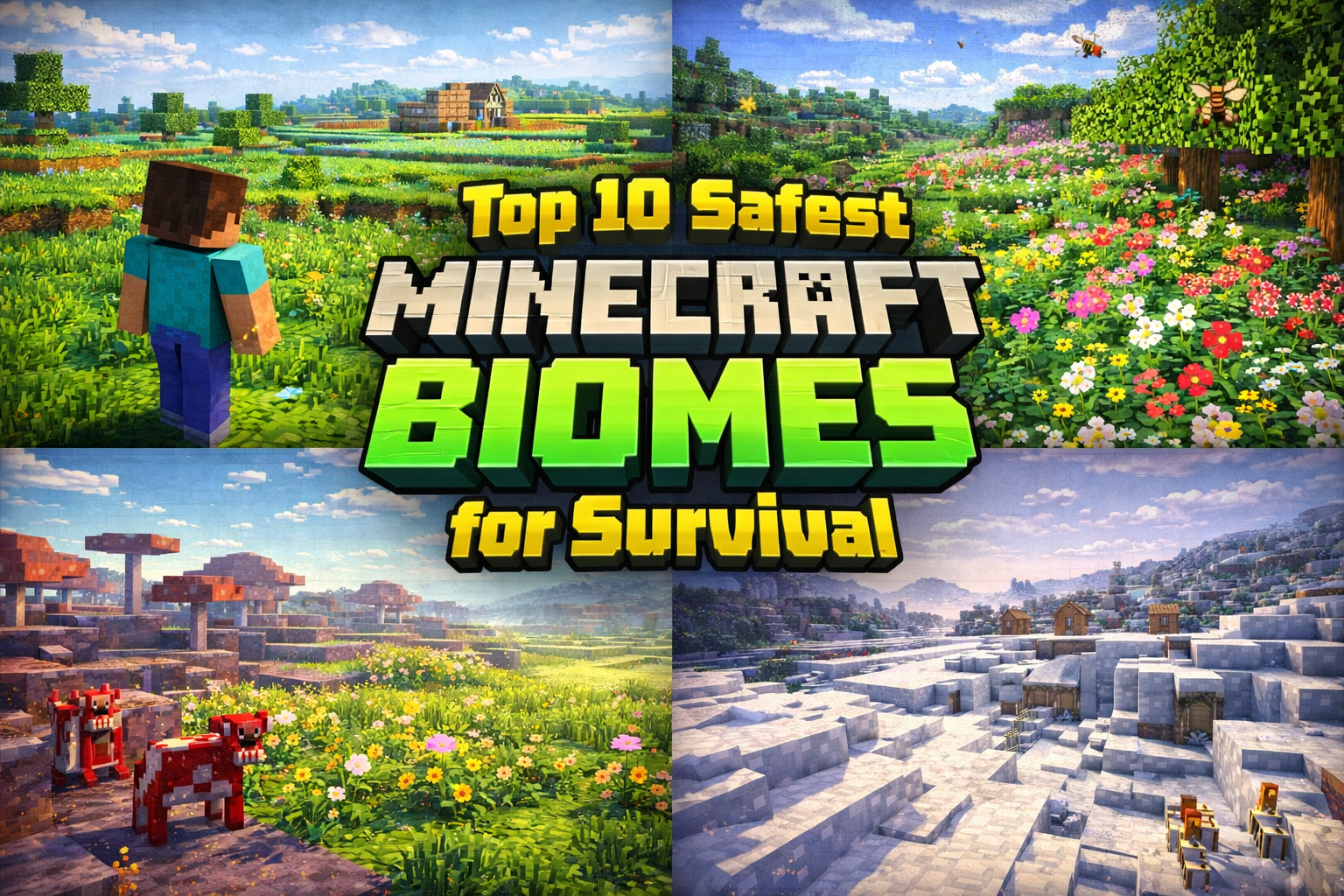
Not every Minecraft biome is meant to test your skills or push you into danger. Some Biomes quietly make survival easier by offering flat land, food, good visibility, and fewer natural threats. These are the places where most successful survival worlds begin, especially for beginners.
Choosing the right biome early can completely change how Minecraft feels. Instead of struggling to stay alive, you can focus on learning mechanics, building confidently, and enjoying exploration at your own pace. Even experienced players often choose safe biomes for long-term bases because they support stability and creativity.
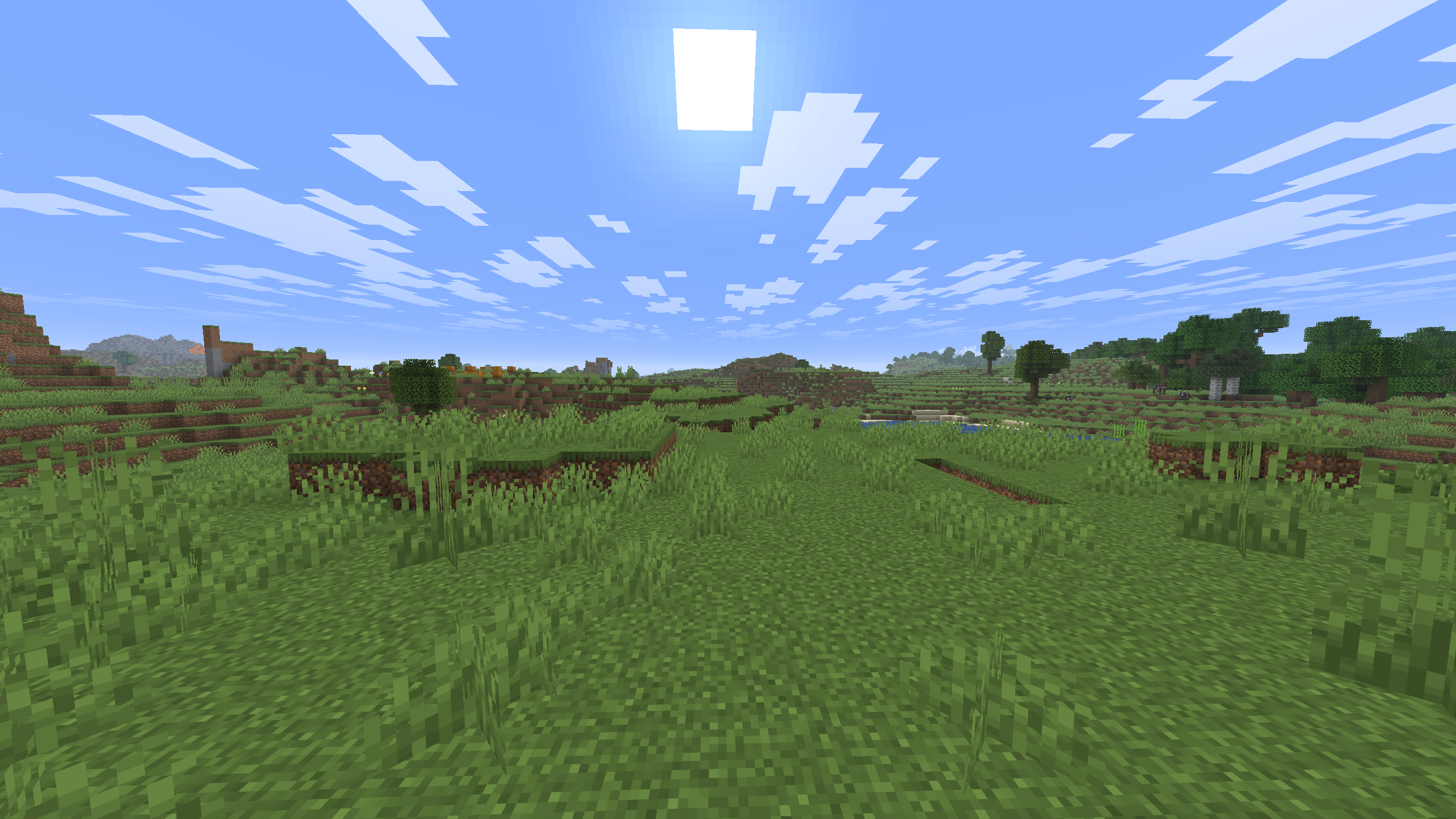
This guide covers the top 10 safest Minecraft biomes, explaining why they are safe, what makes them beginner-friendly, and who they are best suited for.
What Makes a Biome “Safe” in Minecraft?
Before listing the safest biomes, it’s important to understand what safety actually means in Minecraft. A biome is considered safe when it reduces risk without limiting gameplay.
Safe biomes usually have:
-
Flat or predictable terrain
-
Easy access to food
-
Good visibility
-
Few natural hazards
-
Support for farming and building
A biome doesn’t need to be completely danger-free to be safe. It simply needs to give players enough control to survive comfortably.
1. Plains Biome – The Safest Biome Overall
The Plains Biome is widely considered the safest biome in Minecraft and the best starting point for beginners. Its flat terrain, open visibility, and frequent villages make early survival smooth and forgiving.
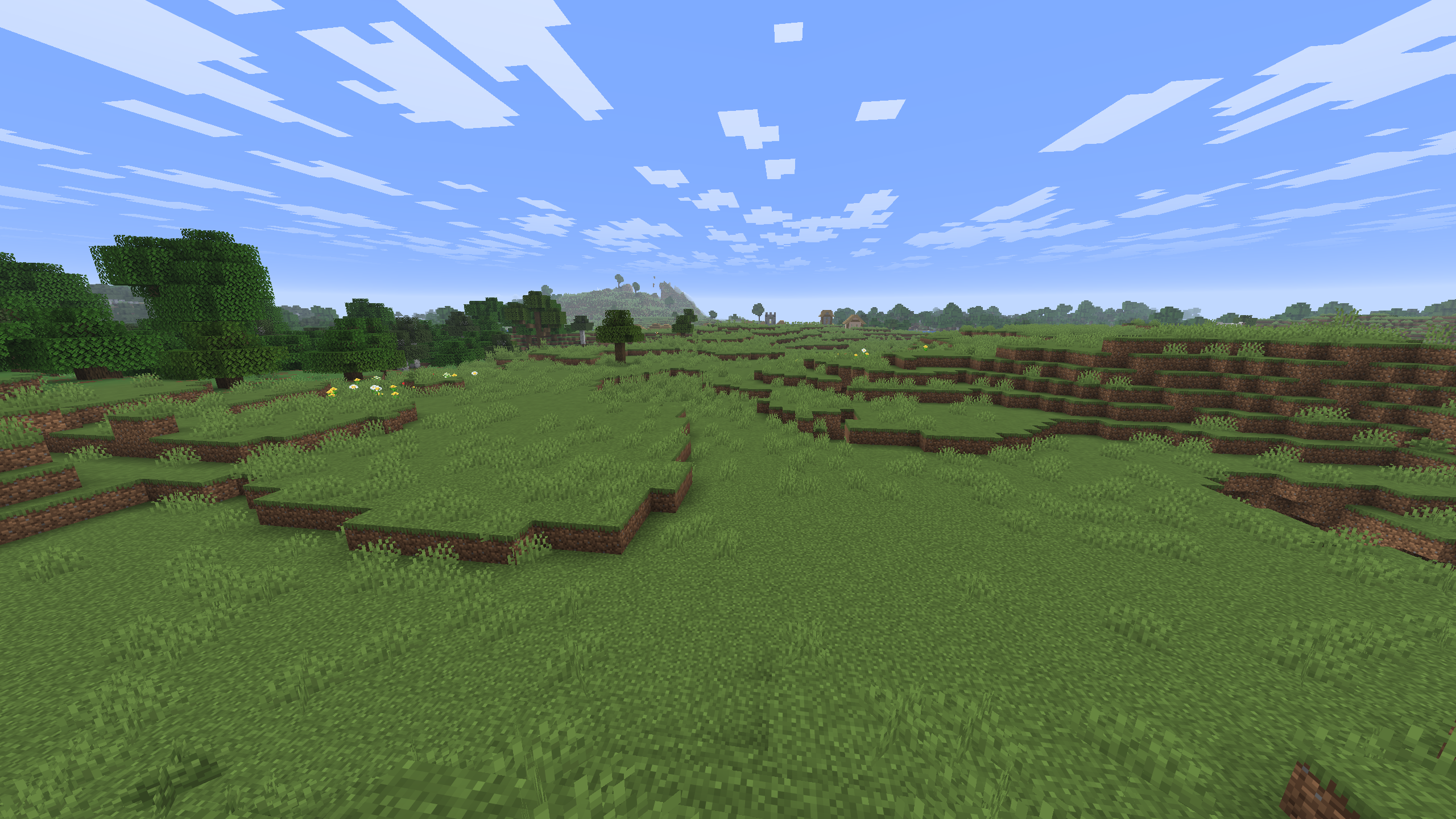
Plains biomes provide:
-
Flat land for easy movement and building
-
High animal spawn rates for food
-
Easy farming conditions
-
Frequent village generation
Because there are no major natural dangers like cliffs, deep water, or dense terrain, players can explore freely without worrying about sudden death. Plains also work extremely well for redstone builds, large farms, and long-term bases.
If you are unsure where to settle, Plains is almost always the right answer.
2. Forest Biome – Safe and Resource-Rich
The Forest Biome is one of the most common and reliable biomes in Minecraft. It offers everything a beginner needs while still feeling natural and immersive.
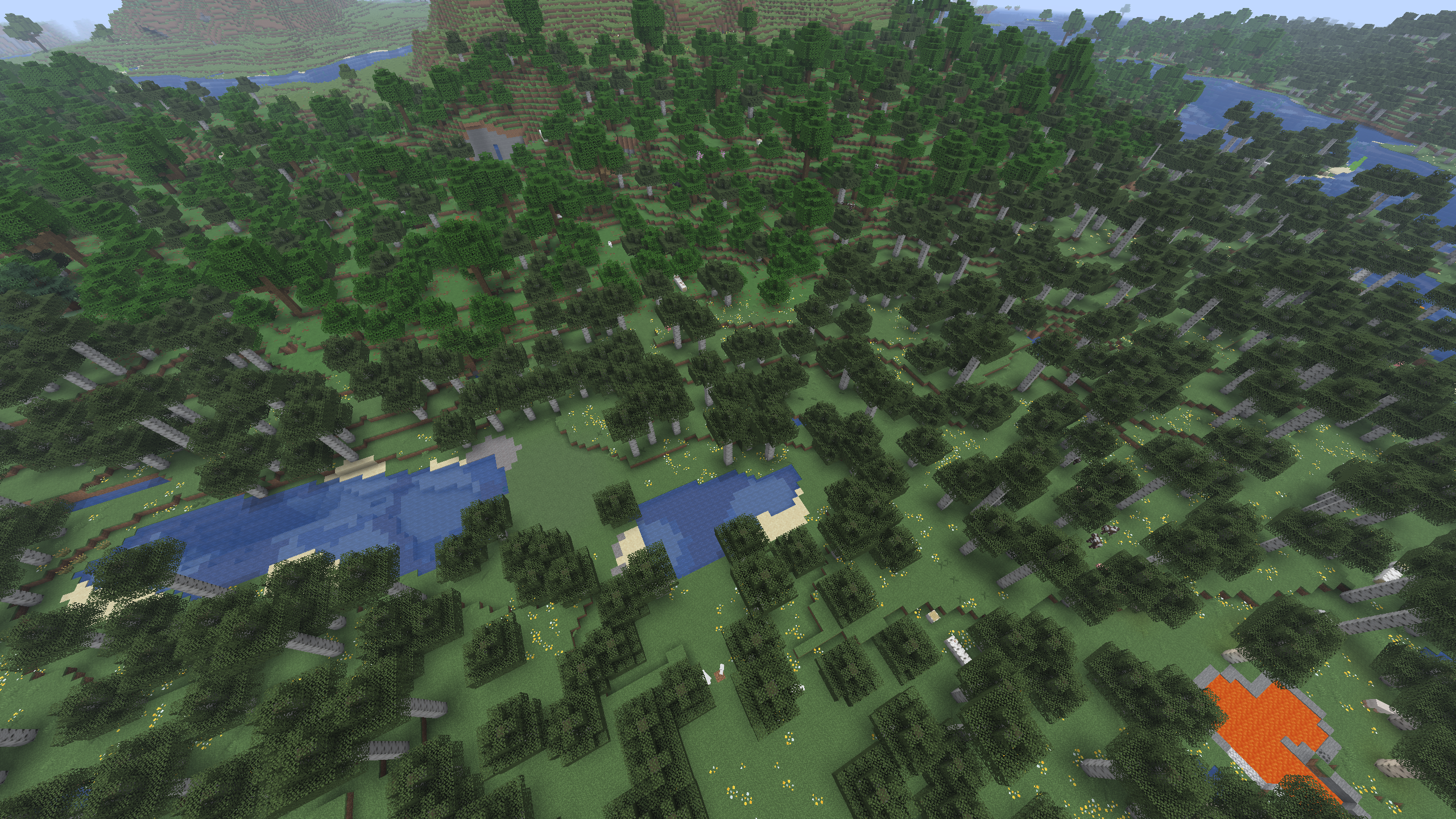
Forests are safe because they provide:
-
Unlimited wood supply
-
Plenty of animals
-
Natural shelter from terrain
-
Normal farming conditions
The only downside is reduced visibility at night due to trees. However, once you place torches and clear a small area around your base, forests become very comfortable places to live.
Many long-term worlds start in forests without players even planning it.
3. Savanna Biome – Open and Predictable
The Savanna Biome looks dry and harsh, but it is surprisingly safe. Its open layout and warm climate make survival predictable and easy to manage.
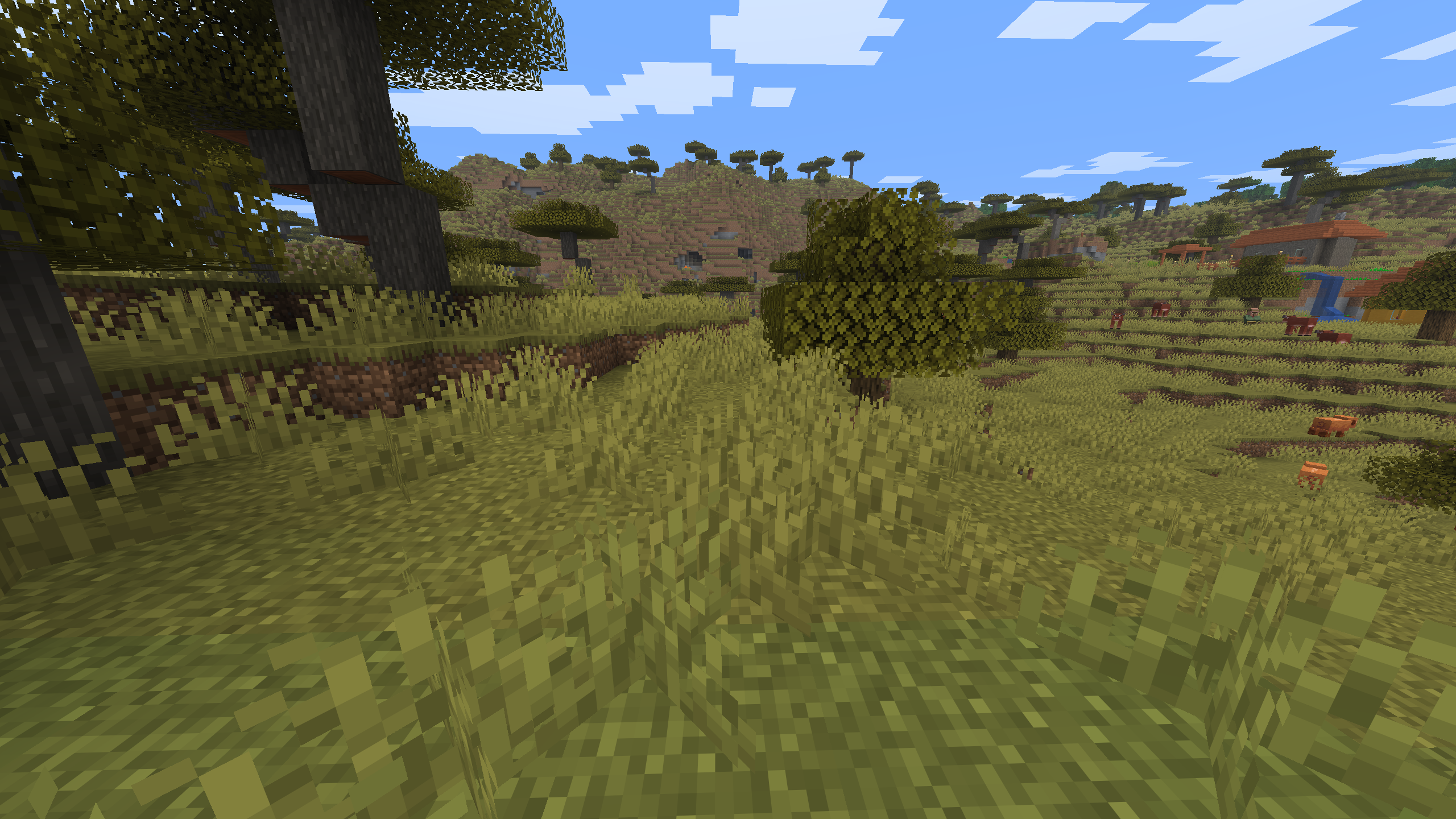
Savannas are safe because:
-
Open terrain improves mob visibility
-
Horses spawn frequently
-
Farming works normally
-
Villages can generate naturally
The Savanna Plateau variant includes cliffs, which require caution, but the flat areas are excellent for base building. Savannas are ideal for players who dislike dense terrain and prefer clear sightlines.
4. Flower Forest – Peaceful and Beginner-Friendly
Flower Forests are one of the most peaceful biomes in Minecraft. As a forest variant, they offer the same resources but with better visibility and a calmer atmosphere.
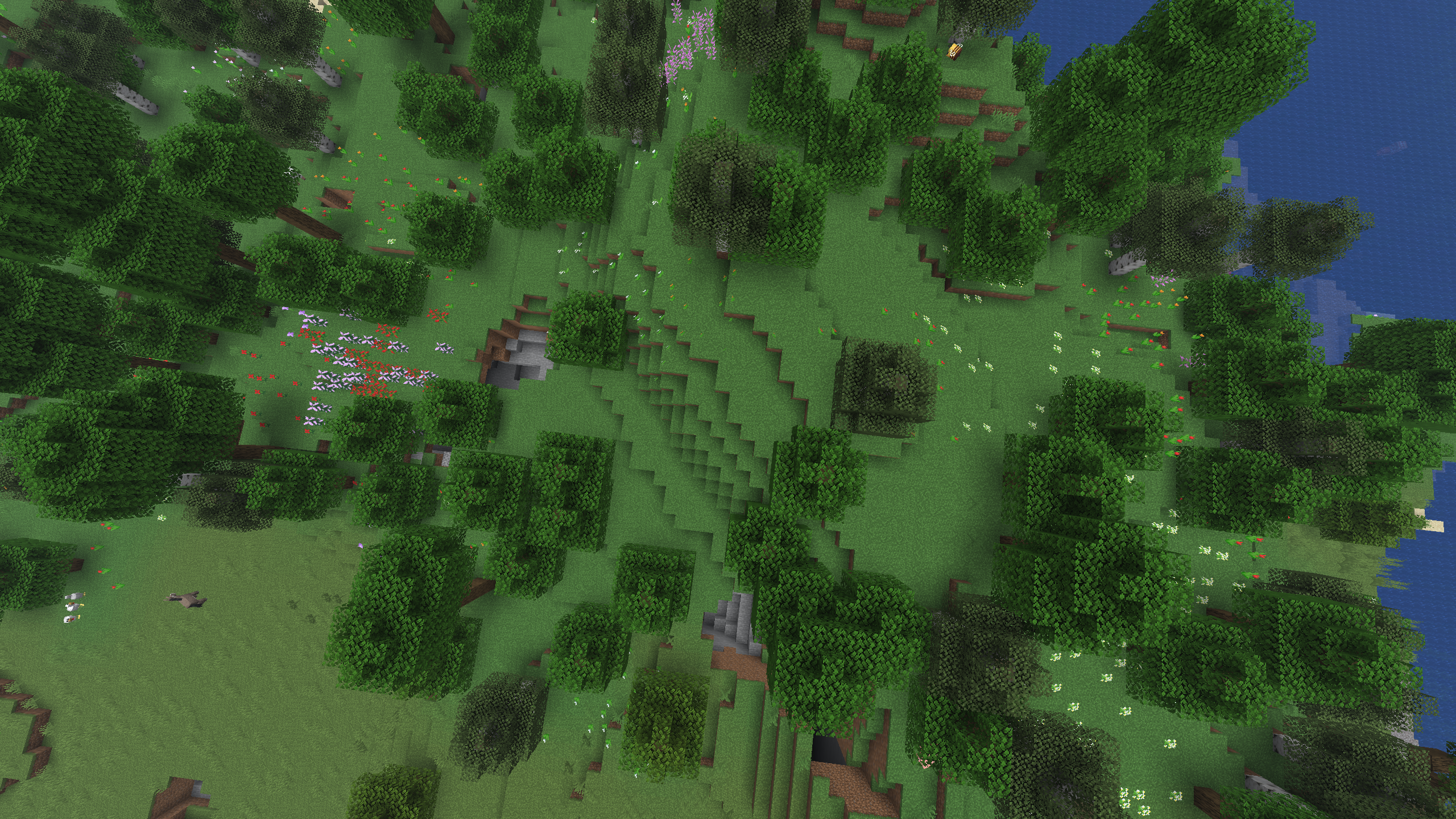
Why Flower Forests are safe:
-
Mostly flat terrain
-
Clear spacing between trees
-
High flower density for dyes and decoration
-
Same animals as regular forests
This biome is especially good for builders and relaxed survival players who want beauty without danger.
5. Meadow Biome – Calm Without the Risk of Mountains
Meadows generate near mountains but are far safer than mountain biomes themselves. They offer open grassland without steep drops.
Meadows provide:
-
Flat grassy areas
-
Flowers and animals
-
Low mob pressure
-
Bright lighting
They are perfect for scenic bases and farming while avoiding mountain dangers like fall damage or snow-related visibility issues.
6. Taiga Biome – Quiet and Stable
Taiga Biomes may feel colder and darker, but they are still relatively safe compared to extreme biomes.
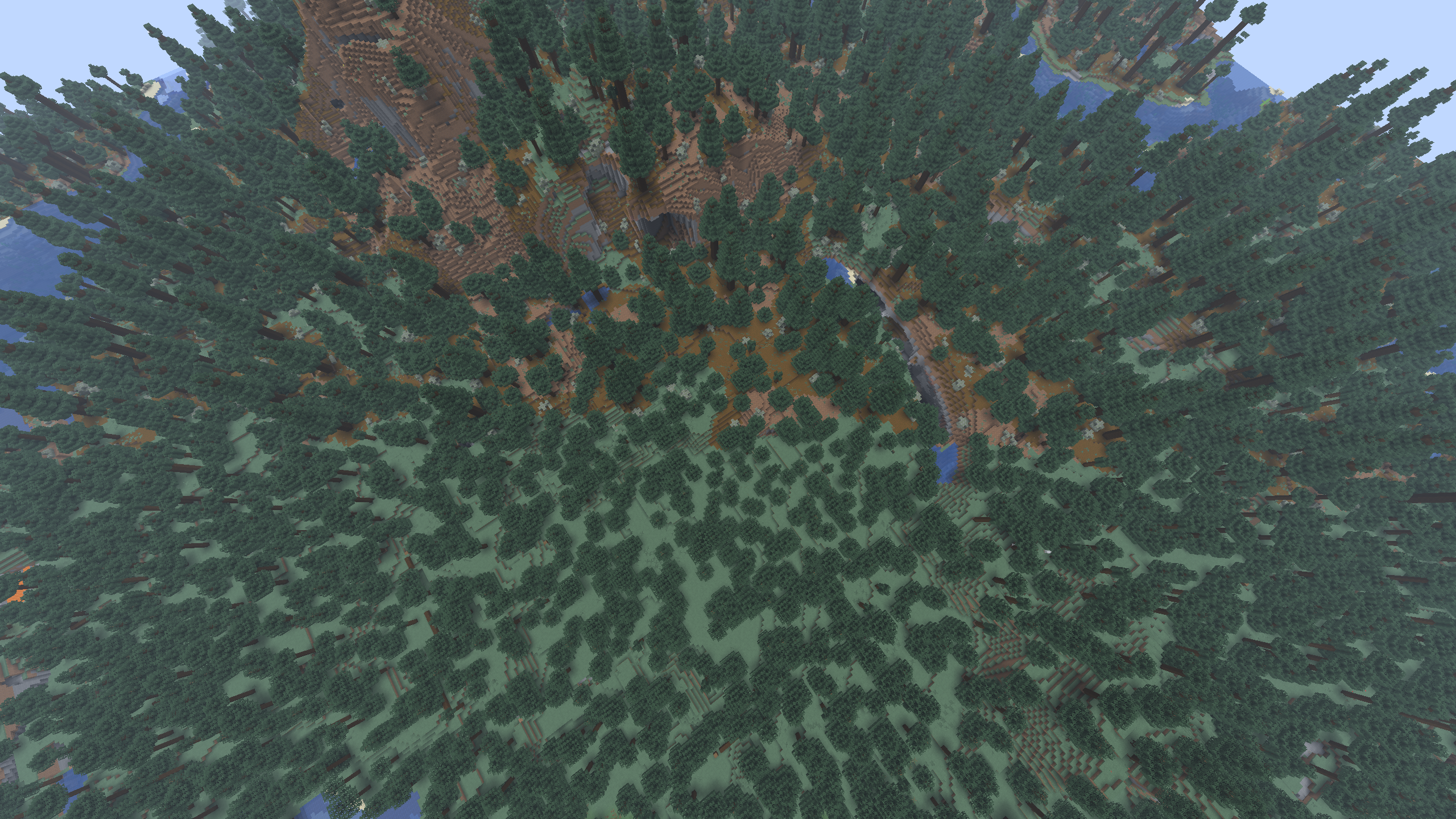
Taigas are safe because:
-
Terrain is generally gentle
-
Wood supply is reliable
-
Animals spawn consistently
-
Snow does not cause damage
While nights can feel darker due to trees, lighting easily solves this problem. Taigas are ideal for players who enjoy quiet environments and slower-paced survival.
7. Plains with Villages – Safety Through Structure
Plains biomes that include villages are among the safest places to start a survival world. Villages provide instant benefits that remove early-game pressure.
Villages offer:
-
Beds to skip the night
-
Crops and food
-
Early access to iron
-
Villager trading
Finding a Plains village early can turn survival from difficult to comfortable almost instantly.
8. Mushroom Fields – The Safest but Least Practical
Mushroom Fields are technically the safest biome in Minecraft because hostile mobs do not spawn naturally.
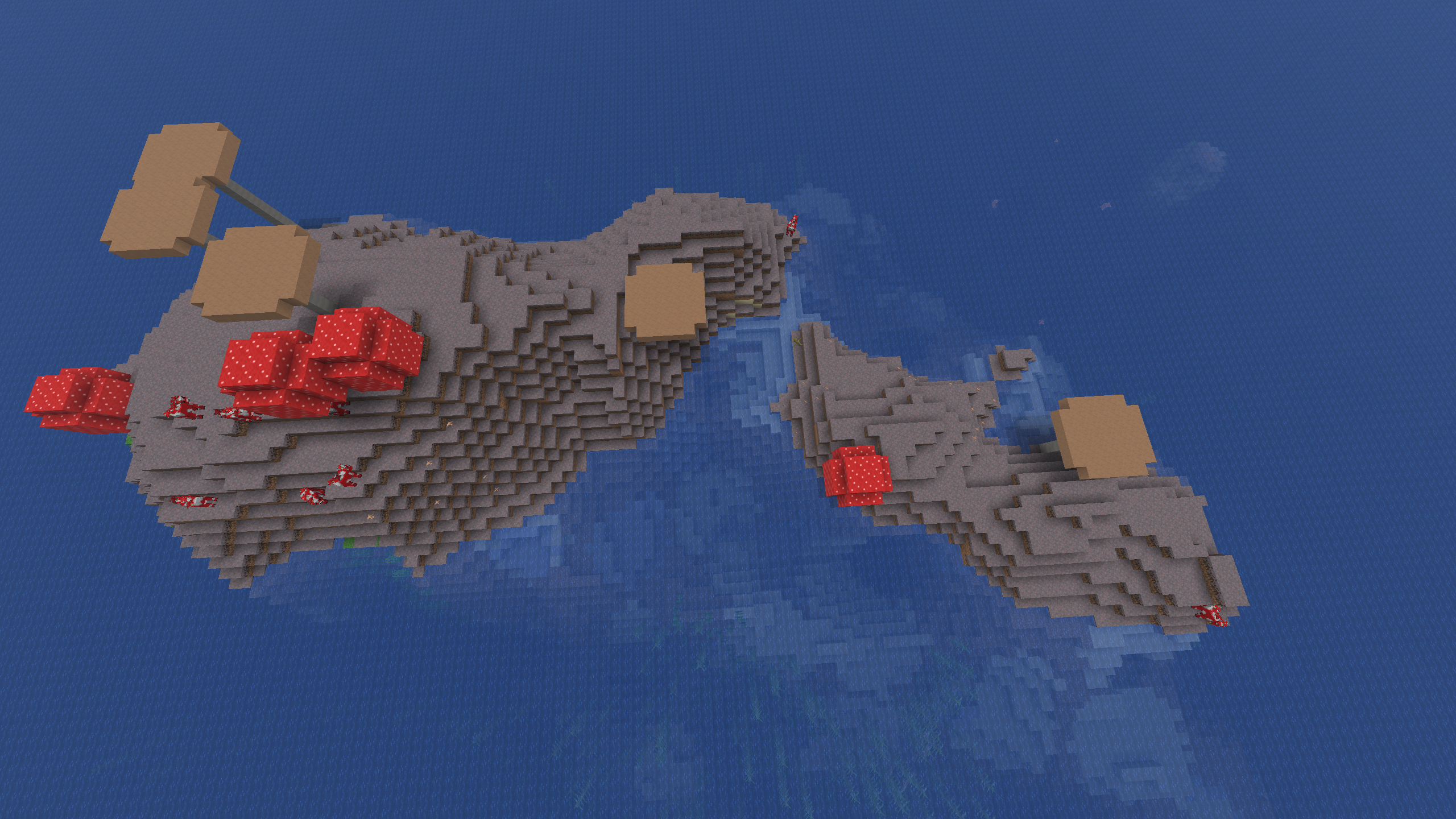
This biome provides:
-
Complete mob safety
-
Unique blocks
-
Mushroom-based food sources
However, Mushroom Fields are extremely rare and lack wood, villages, and common resources. While safe, they are impractical for most beginners and better suited for experienced players who want a unique base.
9. Birch Forest – Clean and Comfortable
Birch Forests are similar to regular forests but offer better visibility and cleaner terrain.
They are safe because:
-
Tall trees with open spacing
-
Flat land
-
Reliable animal spawns
-
Calm visual environment
Birch forests are excellent for players who like forests without clutter.
10. Snowy Plains – Safe but Slower
Snowy Plains provide flat land and open visibility, making them safer than many cold biomes.
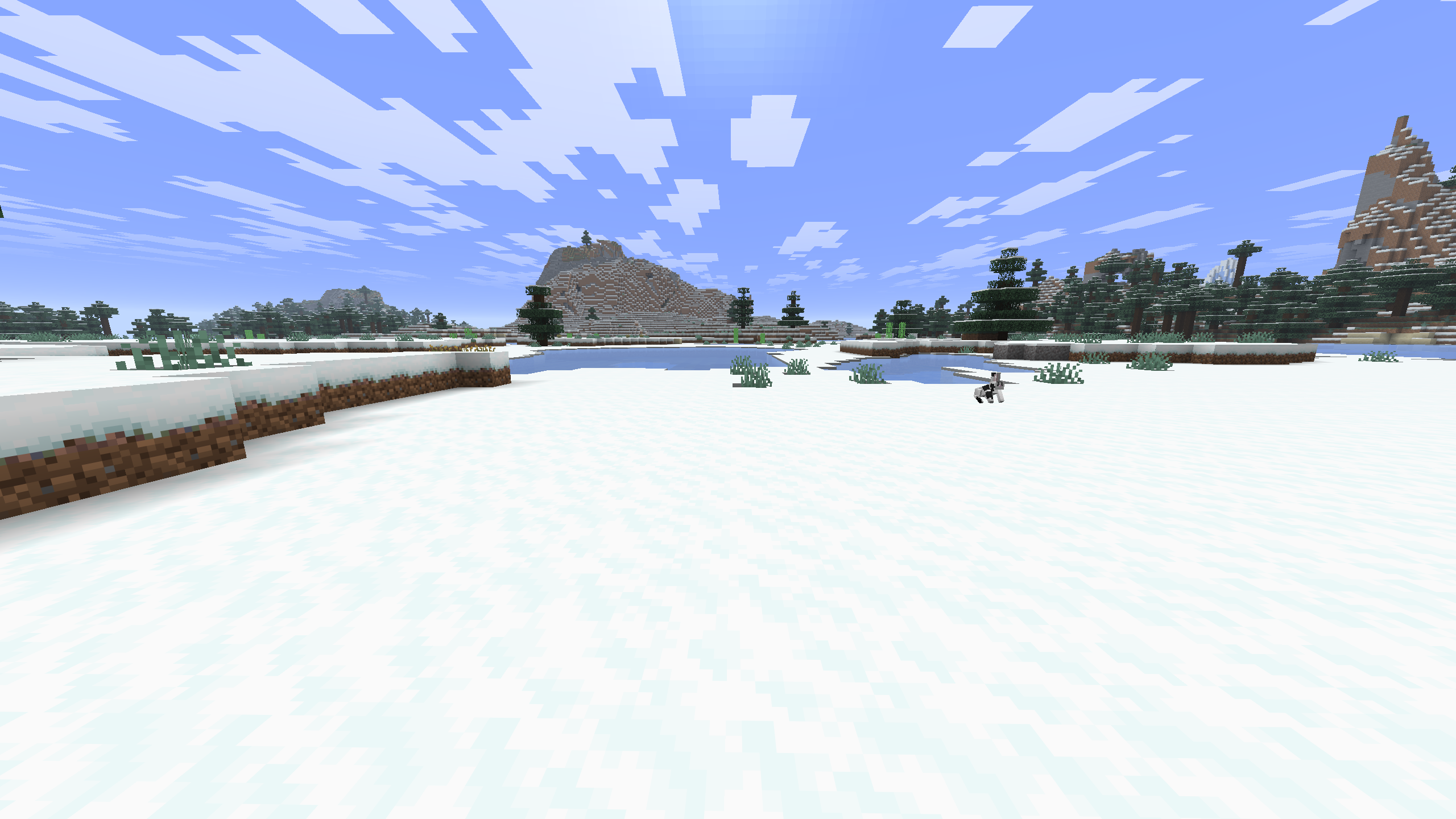
They offer:
-
Flat terrain
-
Clear sightlines
-
Snowy villages
However, snow slows movement and early food can be slightly harder to manage. Still, they are much safer than frozen oceans or mountains.
Biomes That Look Safe but Are Actually Dangerous
Some biomes appear calm but hide serious risks, especially for beginners.
Examples include:
-
Mountains (fall damage)
-
Jungles (poor visibility)
-
Swamps (slimes and water hazards)
-
Deserts (lack of food)
These biomes should be avoided early unless you are prepared.
How to Make Any Biome Safer
Even unsafe biomes can become livable with preparation.
Key safety strategies include:
-
Lighting all nearby areas
-
Building walls or fences
-
Avoiding vertical movement early
-
Establishing food sources quickly
Safety is not just about where you spawn—it’s about how you adapt.
Best Biomes for Different Playstyles
For beginners:
Plains, Forest, Savanna
For builders:
Flower Forest, Meadow, Birch Forest
For relaxed long-term survival:
Taiga, Snowy Plains
Final Thoughts
The safest Minecraft biomes are not the most dramatic or rare. They are the ones that quietly support survival without forcing constant danger.
Starting in a safe biome allows you to learn Minecraft naturally, build confidently, and explore without stress. Once you understand the game, you can always travel to more dangerous areas later.
Minecraft rewards patience, and safe biomes give you the freedom to grow at your own pace.
If your goal is long-term survival and enjoyment, choosing a safe biome is one of the smartest decisions you can make.