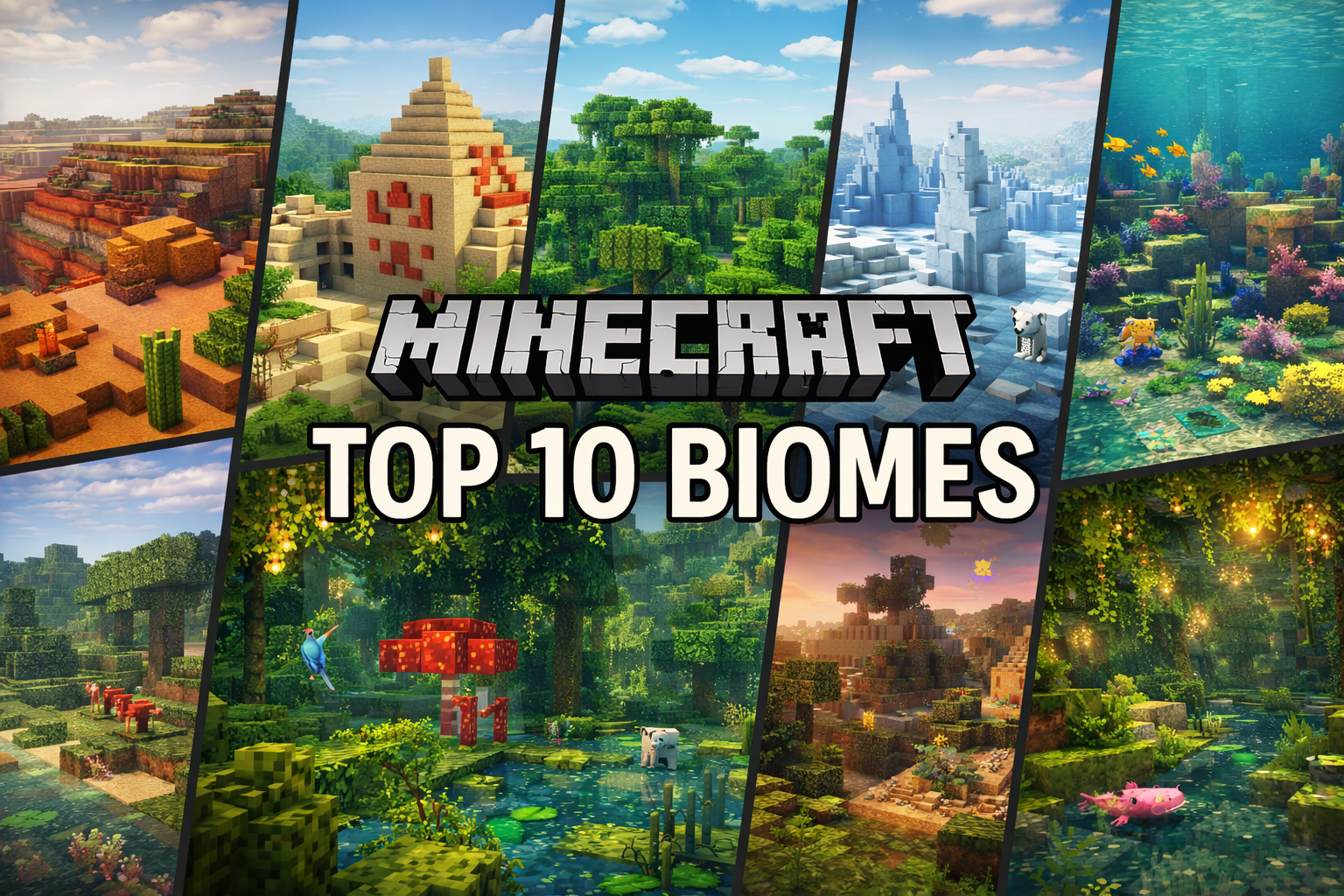
Minecraft is not just about mining blocks or fighting mobs. At its core, the game is about exploration. Every new world is built from a mix of unique landscapes called biomes, each with its own terrain, resources, mobs, and atmosphere. Some biomes feel calm and safe, while others are dangerous, mysterious, or extremely rare.
In this guide, we’ll explore the 10 best Minecraft Biomes, explain what makes each one special, and help you understand why players love building, surviving, and exploring in them.
1. Lush Caves Biome – Life Beneath the Surface
The Lush Caves Biome completely changed underground exploration in Minecraft. Instead of dark, lifeless caves, you now find vibrant underground ecosystems filled with plants, water, and wildlife.
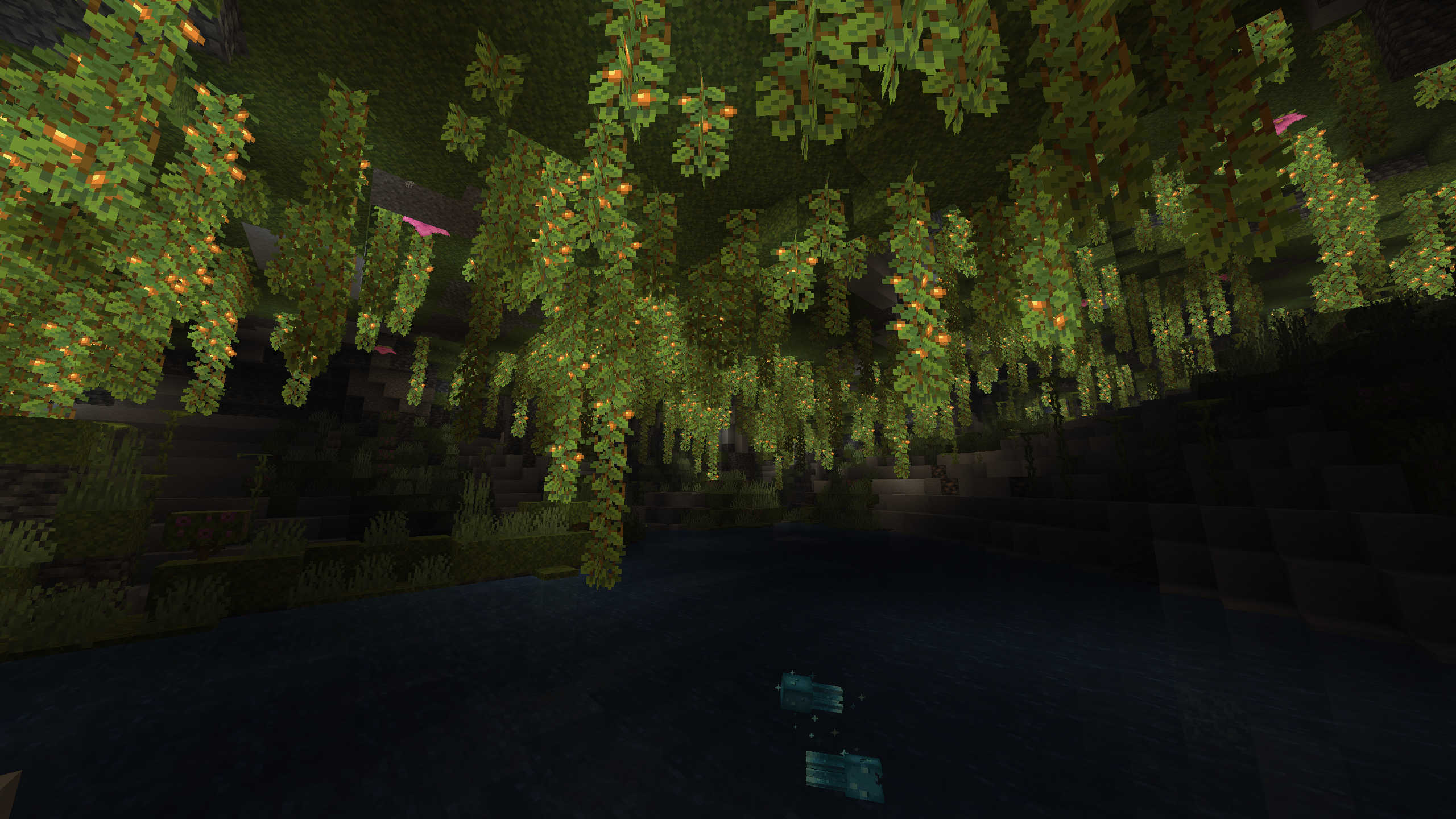
Lush caves are easy to recognize thanks to glow berries, moss blocks, dripleaf plants, and axolotls swimming in underground pools. These caves are perfect for early-game exploration because they often connect to surface caves and provide food, light, and building materials.
Players love this biome for underground bases. With natural lighting and water features, lush caves feel alive and peaceful compared to traditional caves.
2. Snowy Tundra Biome – A Frozen Survival Challenge
The Snowy Tundra Biome is a cold, open landscape covered in snow and ice. Trees are sparse, visibility can be limited during snowstorms, and survival can feel challenging at first.
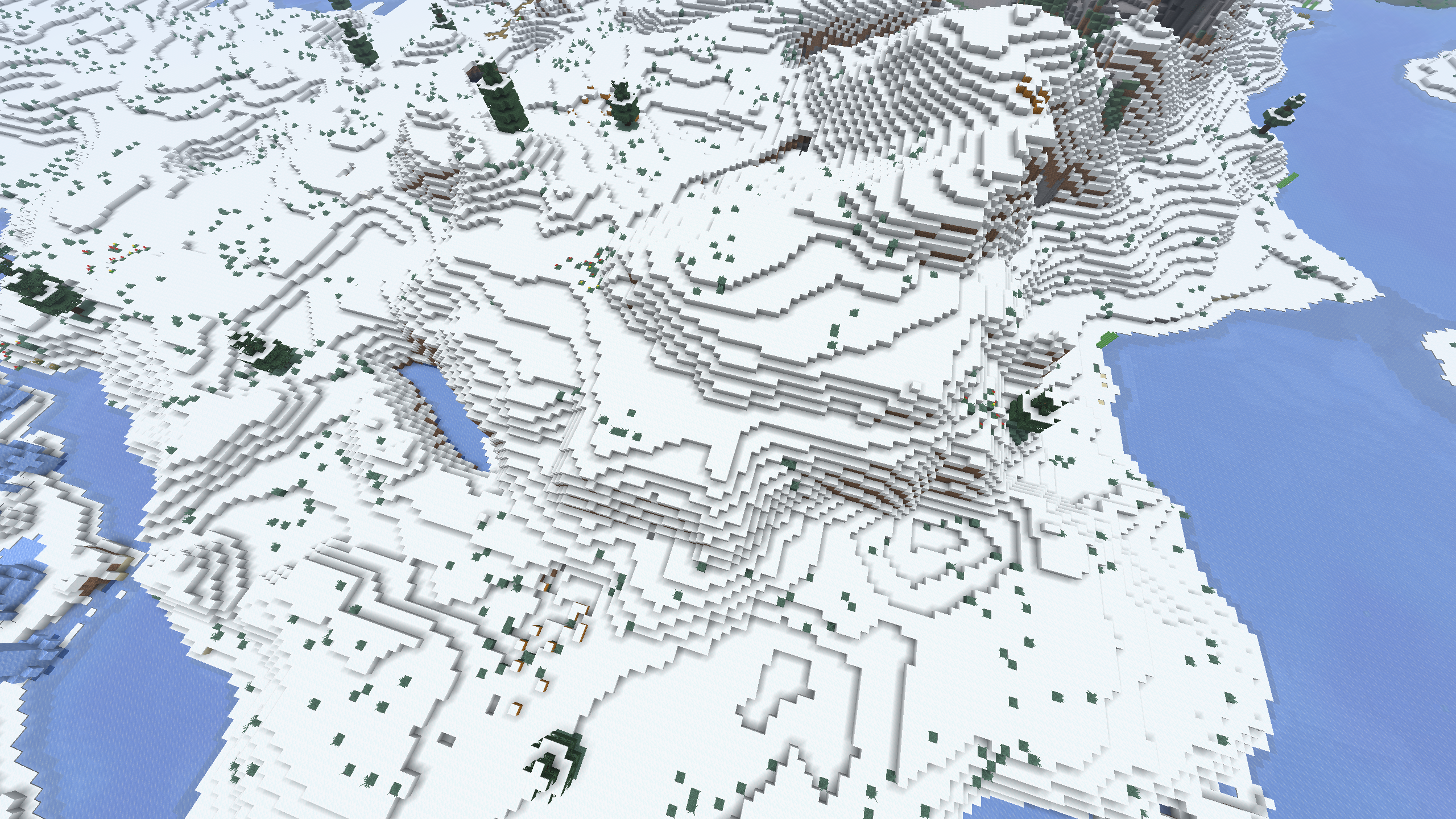
Despite its harsh environment, this biome offers valuable structures like igloos, which may contain hidden basements with loot and villagers. You’ll also find polar bears, rabbits, and strays, adding to the biome’s unique atmosphere.
Snowy tundra is ideal for players who enjoy building winter-themed bases or want a tougher survival experience without constant hostile mob pressure.
3. Mushroom Fields Biome – The Safest Place in Minecraft
The Mushroom Fields Biome is one of the rarest and most unique biomes in Minecraft. Covered in mycelium and giant mushrooms, this biome stands out visually from all others.
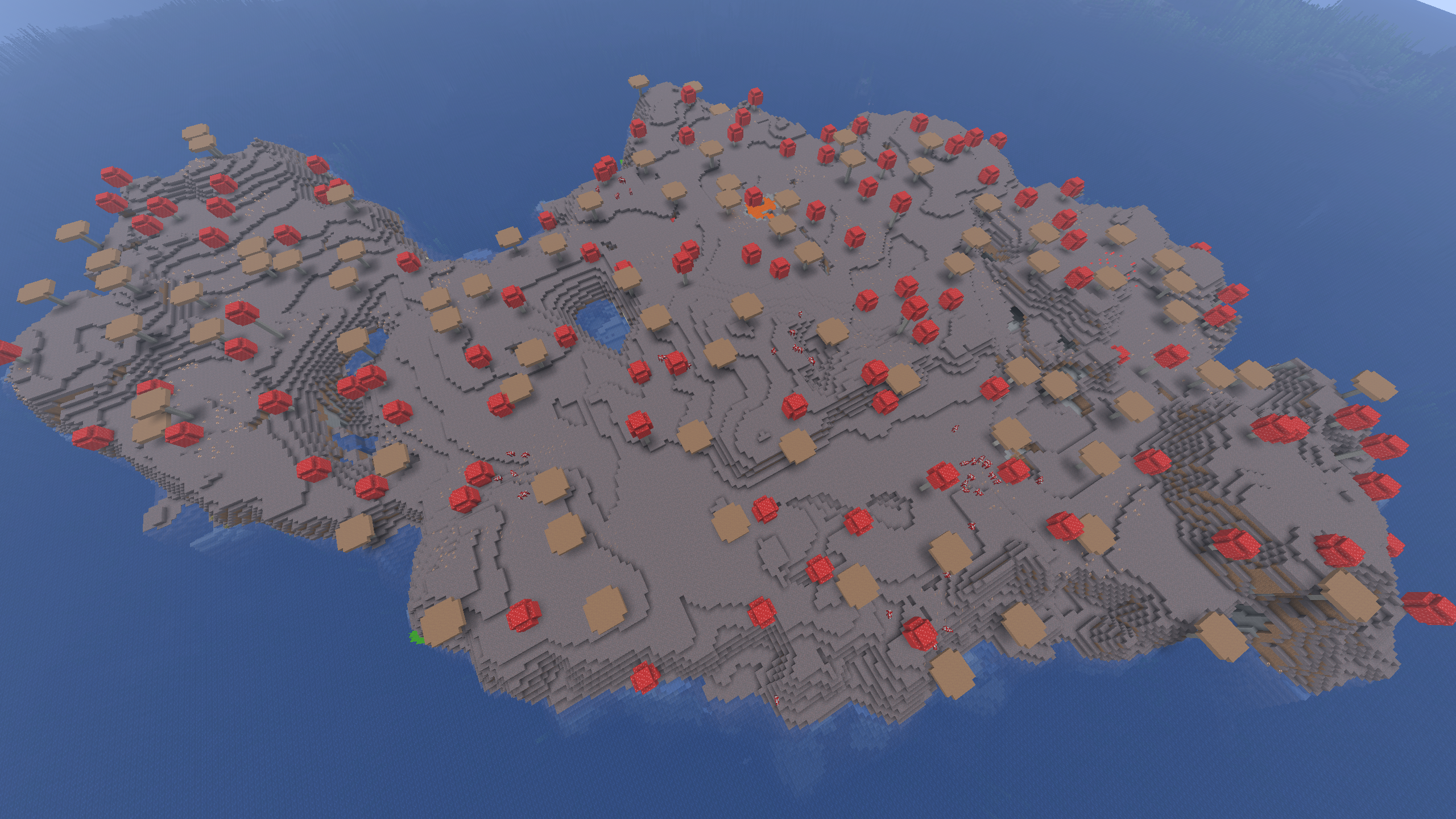
What truly makes Mushroom Fields special is that hostile mobs do not spawn here naturally. This makes it the safest biome for survival, perfect for peaceful base building.
You’ll also find mooshrooms, which can be milked for mushroom stew. While resources like wood and stone are limited, players often use this biome as a secure main base or farming hub.
4. Desert Biome – Ancient Structures and Hidden Treasure
The Desert Biome may look empty at first, but it is one of the most valuable biomes for exploration. Vast sand dunes, cacti, and dead bushes dominate the landscape.
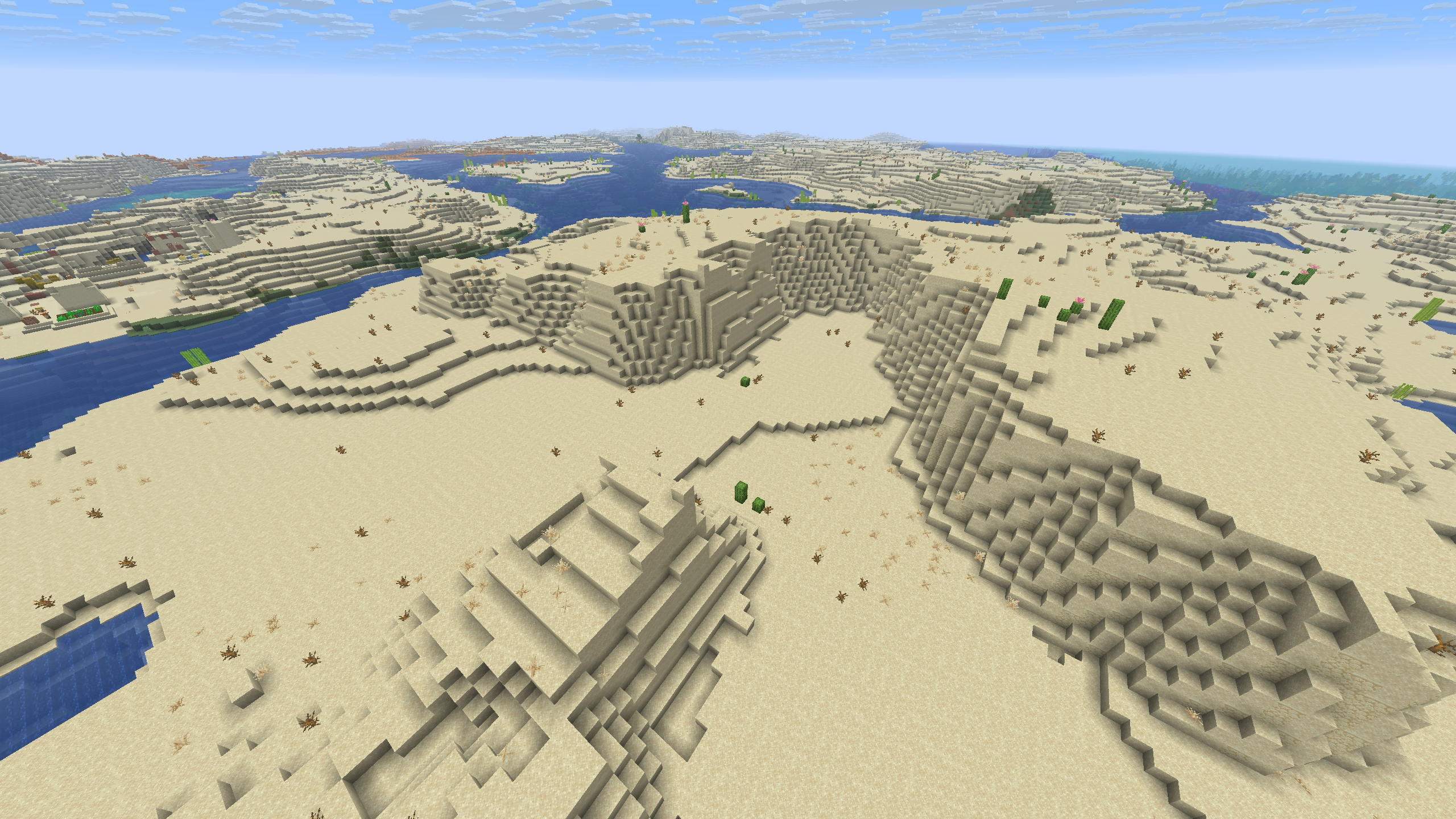
The real value lies underground and within structures. Desert temples offer some of the best early-game loot, including diamonds, enchanted books, and rare items. Desert villages are common and provide easy access to villagers.
Because mobs don’t burn easily on sand, nights can be dangerous, but the flat terrain makes building and navigation easy.
5. Swamp Biome – Dark, Mysterious, and Resource-Rich
The Swamp Biome is known for its murky water, thick trees, foggy atmosphere, and slow movement. While it can feel uncomfortable to travel through, it is incredibly useful.

Swamps are the primary spawning area for slimes, making them essential for redstone players. You’ll also find witch huts, which can be turned into powerful mob farms.
With shallow water and abundant vegetation, swamps are great for potion ingredients and spooky-themed builds.
6. Taiga Biome – Cold Forests and Cozy Survival
The Taiga Biome is a cold forest filled with tall spruce trees, ferns, and wildlife. It often generates villages, making it a solid starting biome for survival.
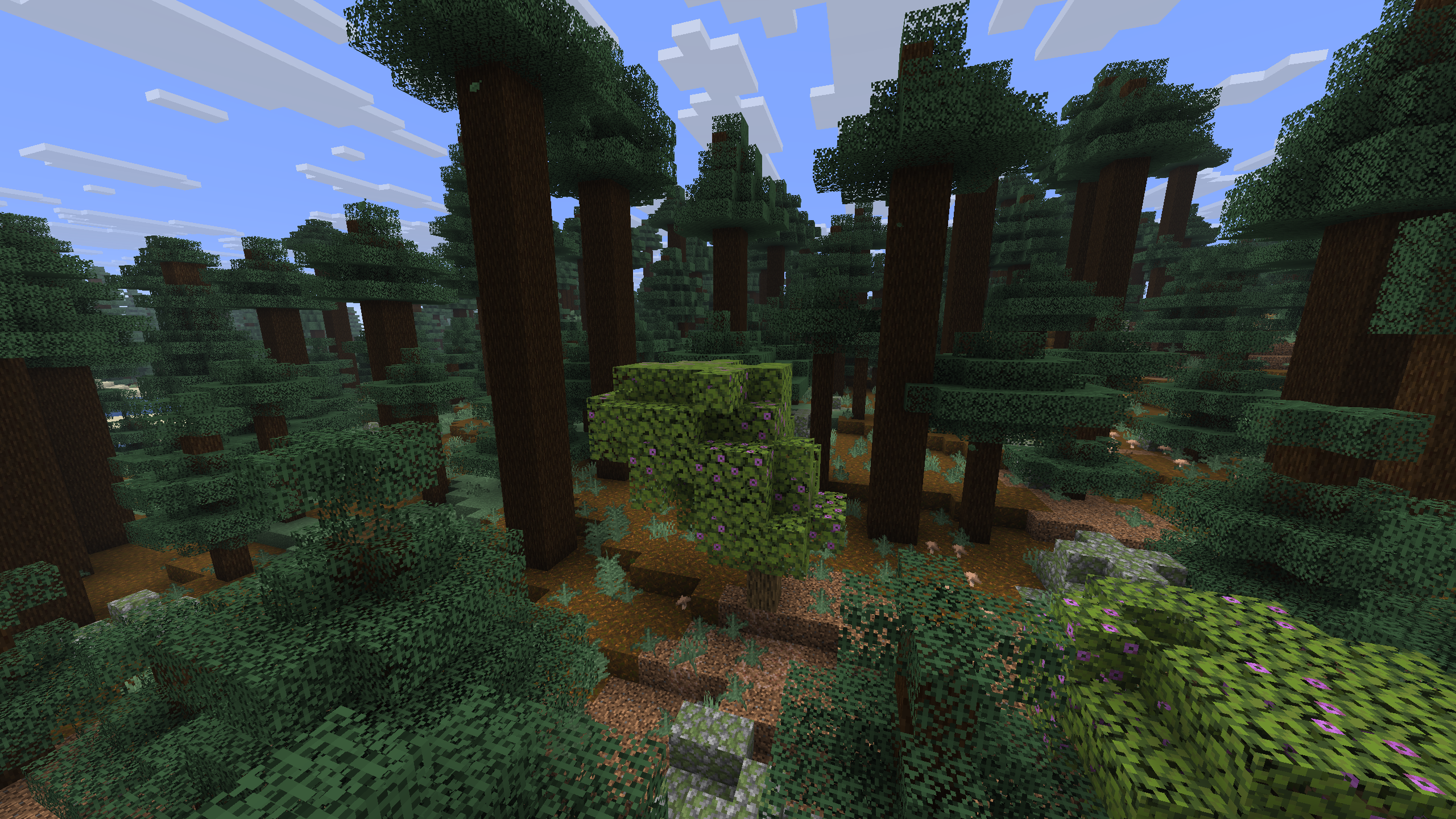
One of the biggest advantages of taiga biomes is access to wolves, which can be tamed and used as companions. Spruce wood is popular for building cabins, lodges, and rustic bases.
Taiga biomes also frequently connect to mountains, caves, and snowy regions, offering a balanced mix of exploration and resources.
7. Savanna Biome – Wide Open Landscapes
The Savanna Biome features dry grasslands, acacia trees, and unique terrain with plateaus and cliffs. The biome has a warm climate and minimal rainfall, making visibility clear and travel easy.
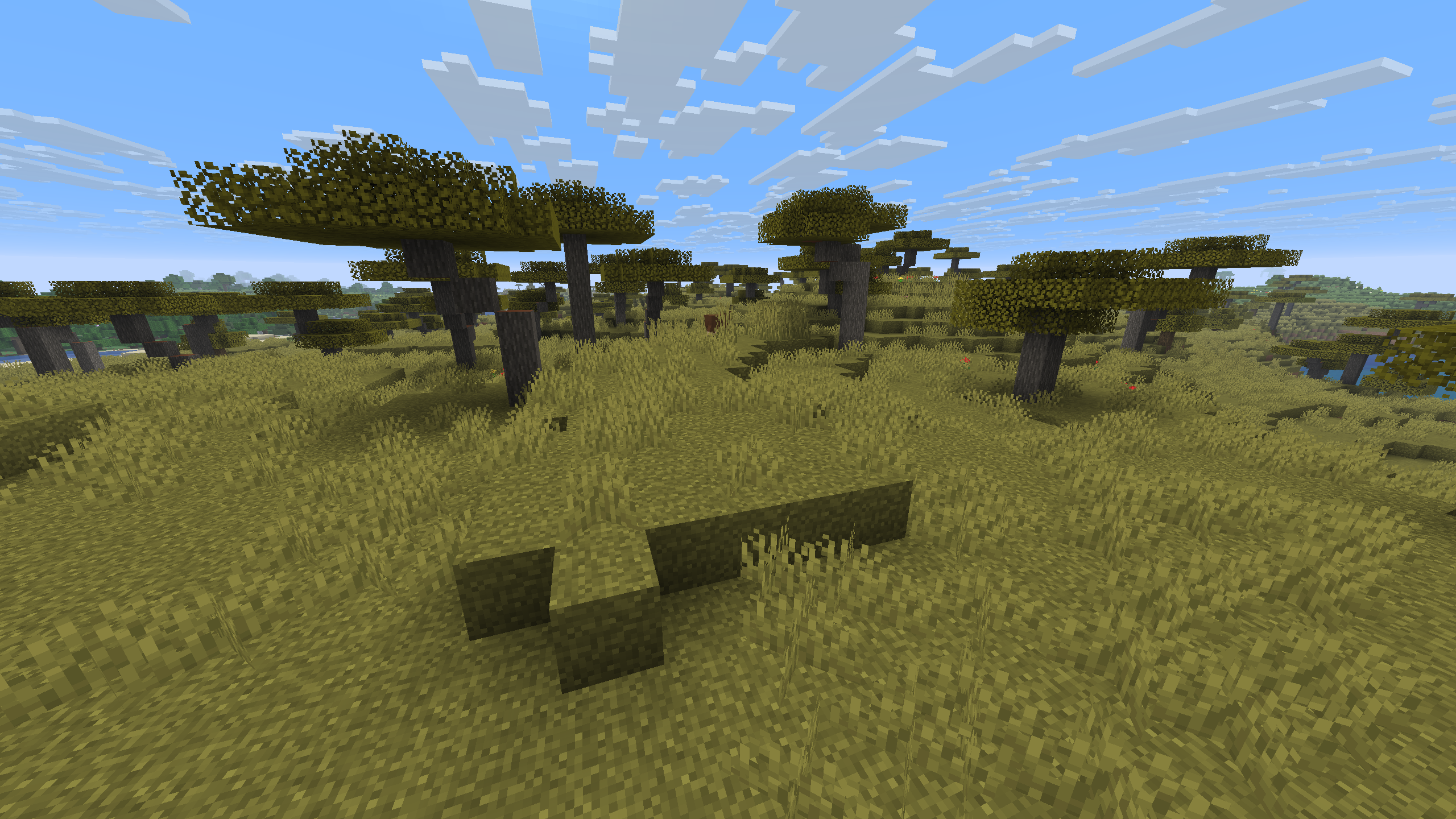
Savanna villages are common and visually unique. Acacia wood adds variety to building styles and is perfect for modern or desert-inspired builds.
Because of its open terrain, the savanna is excellent for large-scale builds, animal farms, and long-distance travel.
8. Badlands (Mesa) Biome – Riches Below the Surface
The Badlands Biome, also known as the Mesa, is one of the most visually striking biomes in Minecraft. Layers of red, orange, and white terracotta form tall mesas and deep canyons.
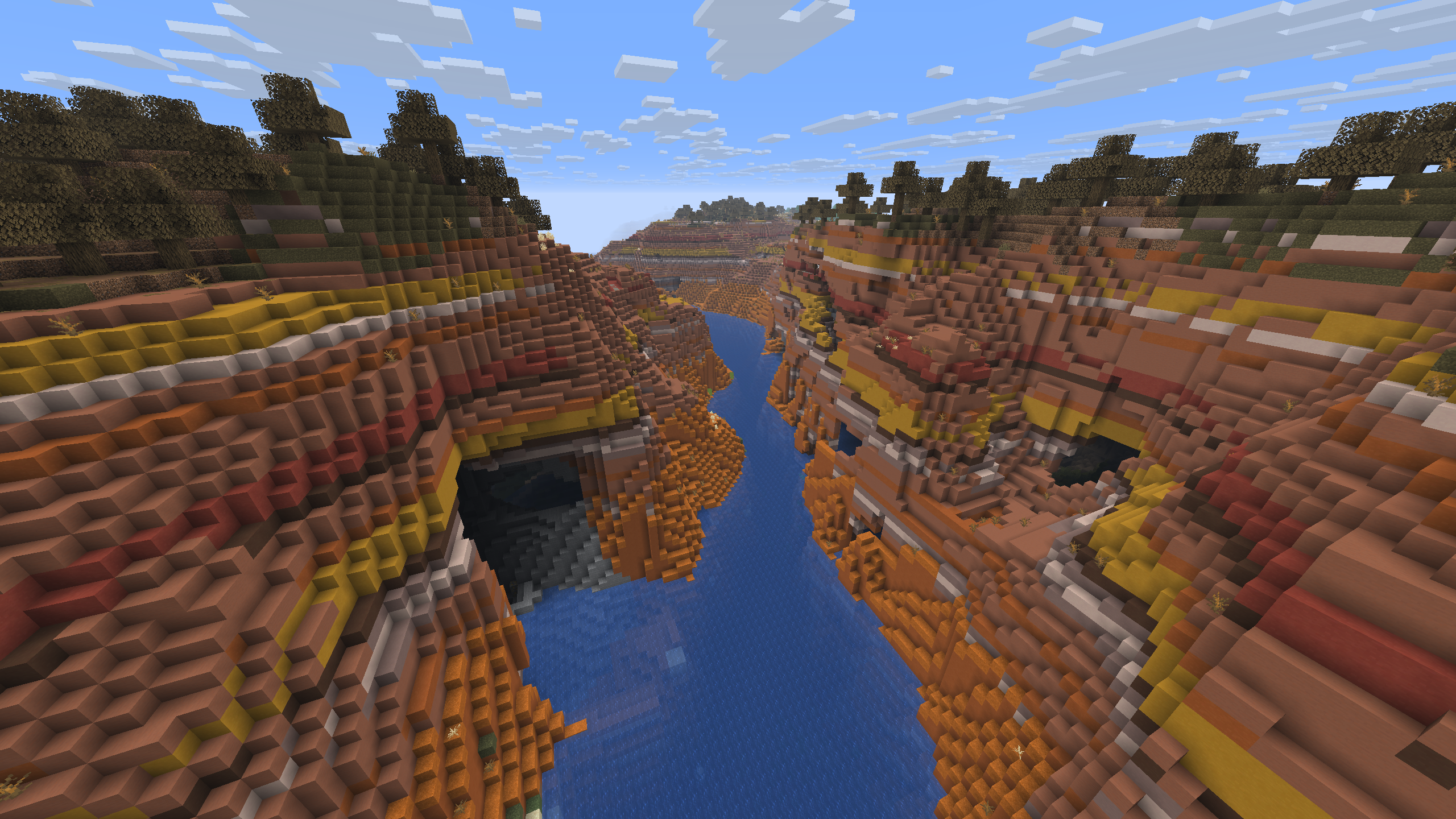
This biome is especially valuable because gold ore generates more frequently here. You’ll also find exposed mineshafts above ground, making early exploration easier.
Badlands are perfect for western-style builds and mining-focused gameplay.
9. Warm Ocean Biome – A Colorful Underwater World
The Warm Ocean biome is one of the most beautiful biomes in Minecraft. Bright coral reefs, tropical fish, sea pickles, and clear water make it visually stunning.
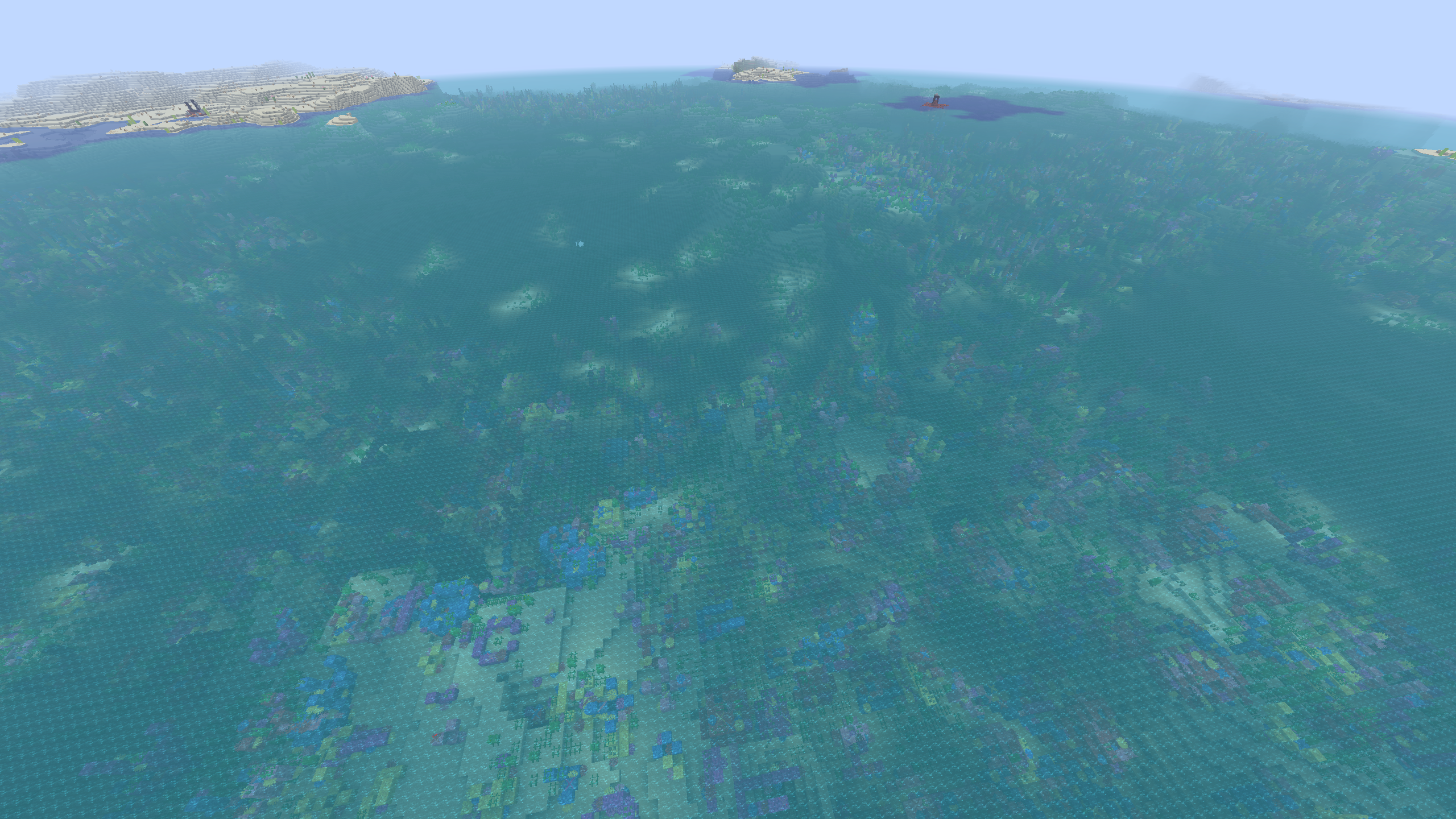
Warm oceans are rich in resources such as coral blocks, sea lanterns, and shipwrecks. Players often build underwater bases here due to the vibrant environment.
Exploration-focused players will enjoy searching for ocean ruins and monuments hidden beneath the waves.
10. Nether Biomes – Danger and Reward
The Nether is not a single biome but a collection of dangerous environments, including Crimson Forests, Warped Forests, Basalt Deltas, and Soul Sand Valleys.
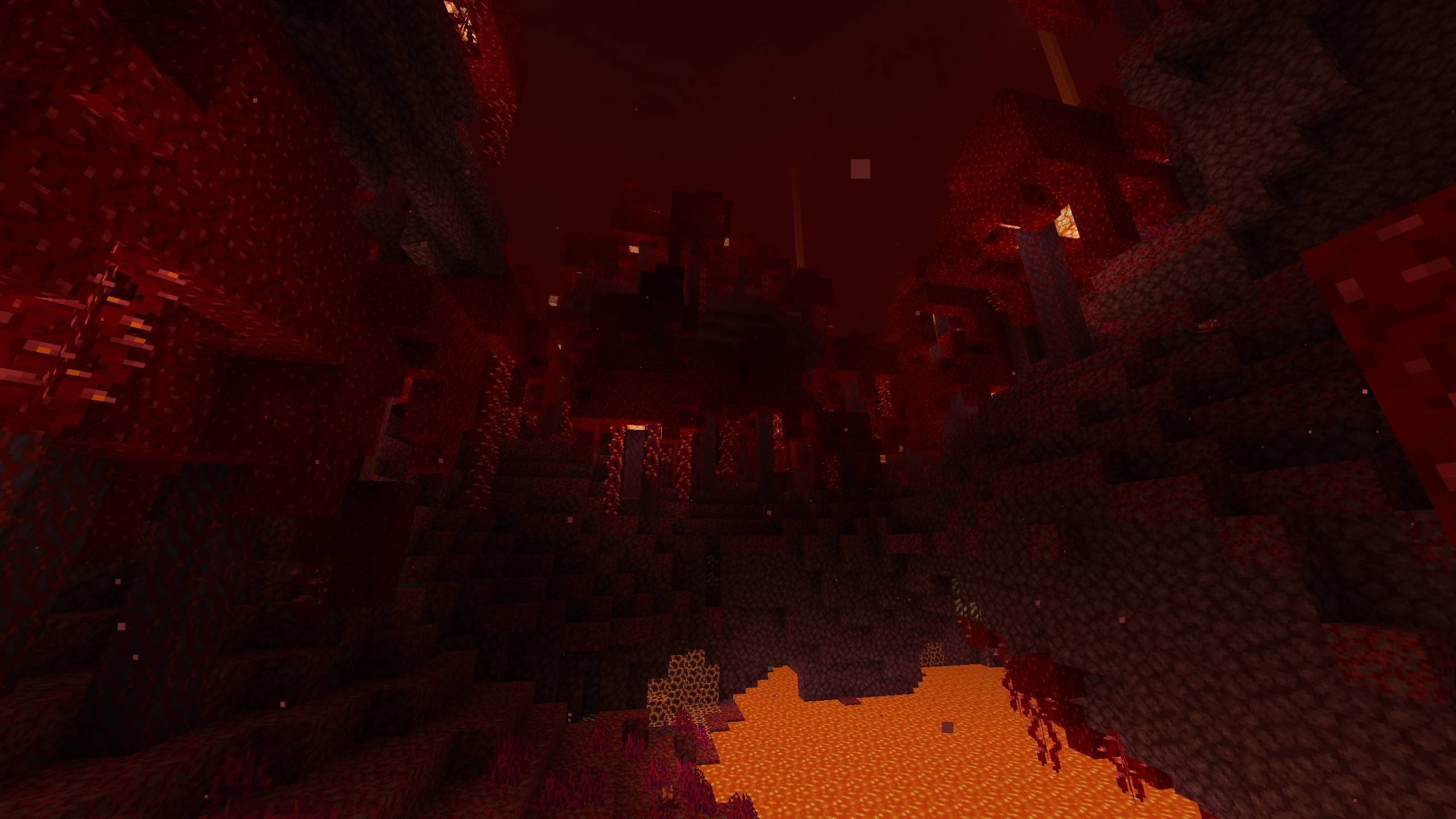
The Nether is essential for progression, offering resources like Netherite, blaze rods, and ancient debris. Each biome presents different threats and rewards.
While extremely dangerous, mastering Nether biomes unlocks some of the most powerful items in the game.
Conclusion
Minecraft’s biomes are what make every world feel unique. From peaceful Mushroom Fields to dangerous Nether landscapes, each biome offers something different for every type of player.
Whether you enjoy building, surviving, exploring, or farming resources, there is always a biome that fits your playstyle. The key is learning how each one works and using its strengths to your advantage.
Grab your gear, explore the world, and let Minecraft’s biomes guide your next adventure.