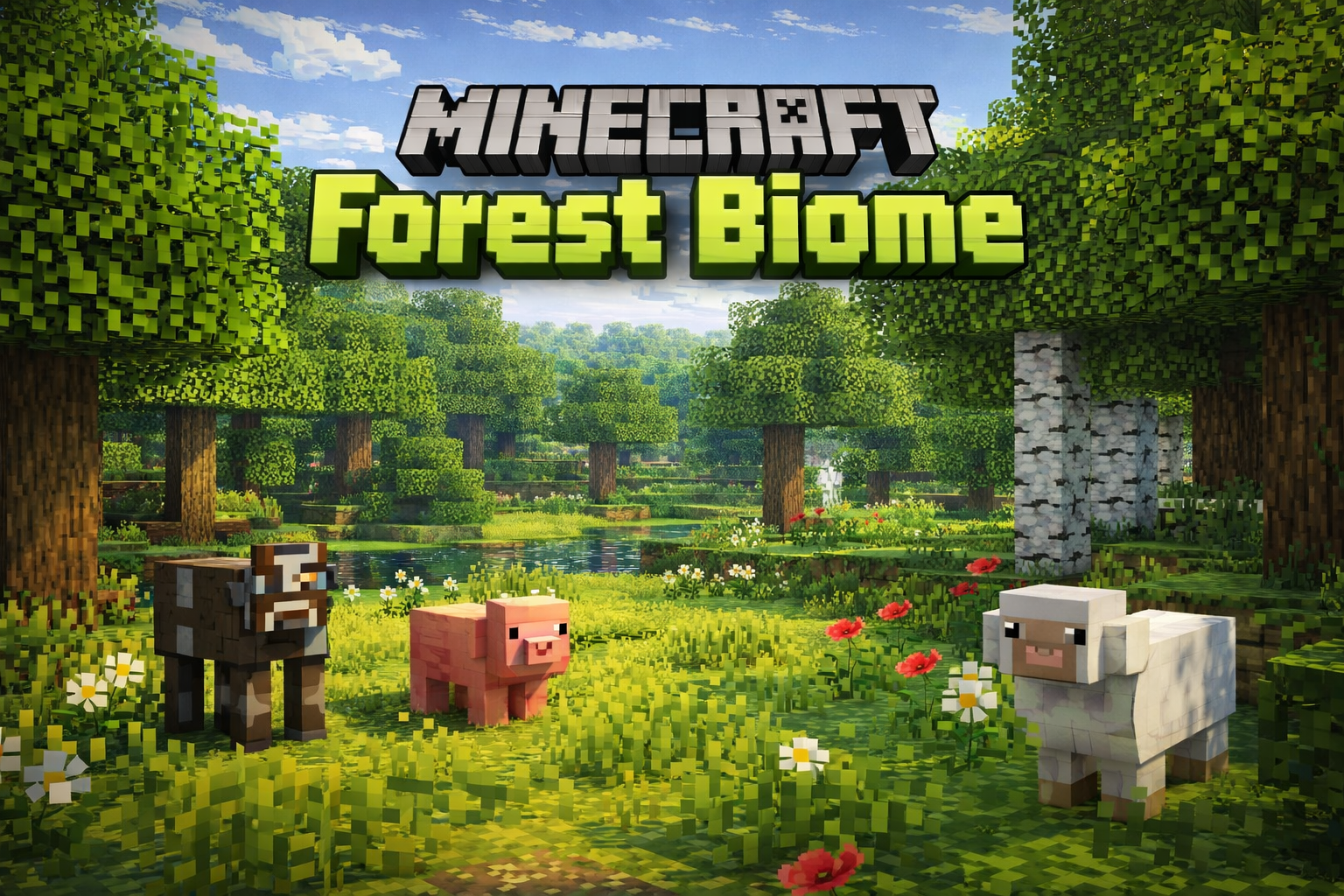
When players first spawn into a new Minecraft world, there’s a good chance they’ll find themselves surrounded by trees. That’s because the Forest biome is one of the most common and familiar Biomes in the game. While it may not look rare or dramatic, the Forest biome quietly provides some of the best conditions for survival.
Forests offer everything a player needs early on: wood, animals, shelter, and safety. Because of this, many long-term worlds begin in a Forest biome without players even planning it.
This guide explains what the Forest biome is, why it’s so useful for survival, what resources it offers, and whether it’s a good place to build a base.
What Is the Forest Biome in Minecraft?
The Forest biome is an overworld biome filled with oak and birch trees, grass, flowers, and wildlife. It usually generates near Plains, rivers, and other beginner-friendly biomes, making it easy to reach early in the game.
Forests are balanced biomes. They are not too dangerous, not too empty, and not too extreme. This balance is what makes them ideal for beginners and reliable for experienced players.
Terrain and Landscape of the Forest Biome
The Forest biome usually has gentle hills, flat land, and small elevation changes. The terrain is easy to walk through, but dense trees can sometimes slow down movement.
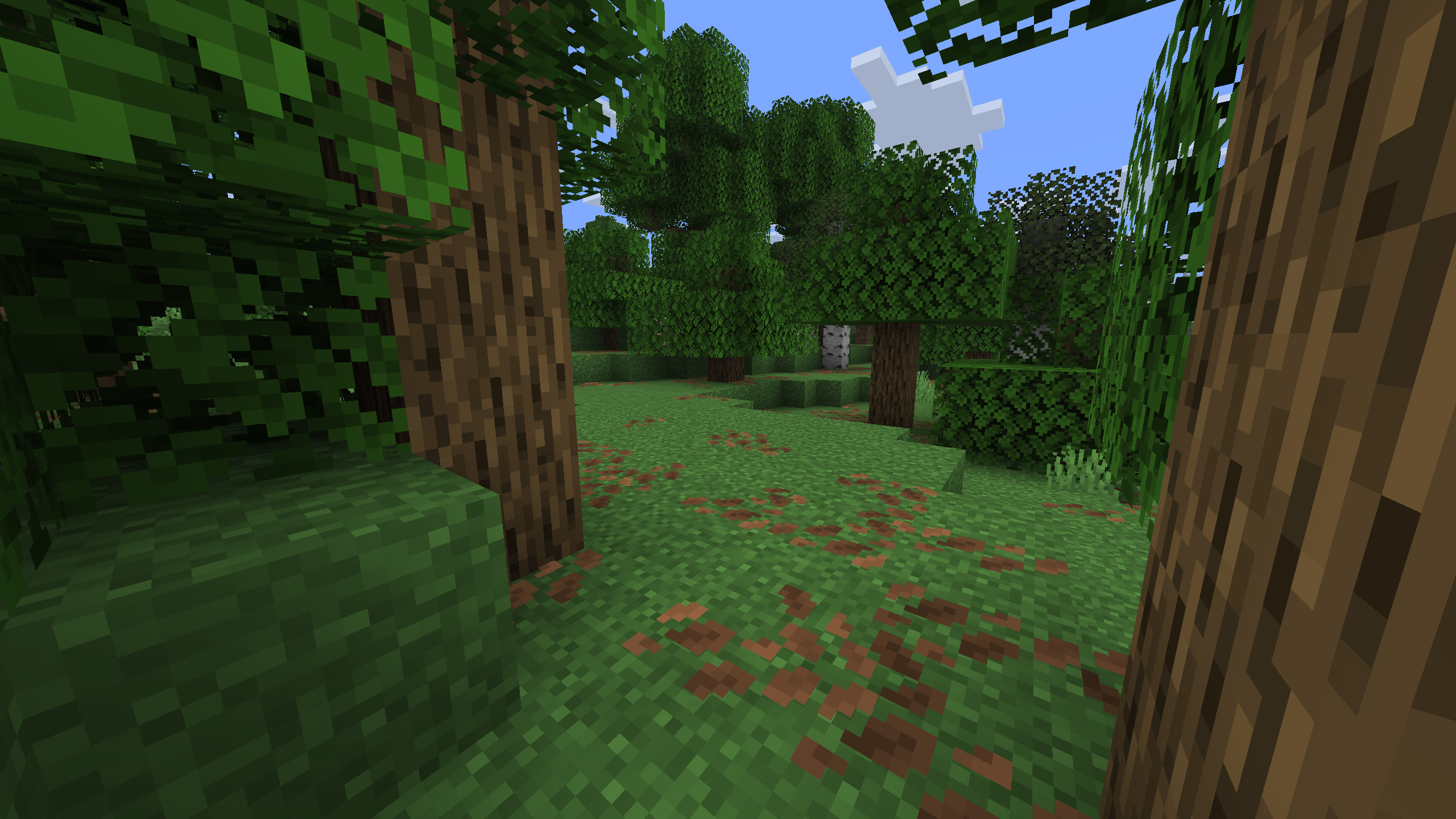
Common landscape features include:
-
Thick tree coverage
-
Grass blocks and dirt
-
Small hills and slopes
-
Occasional lakes and rivers
Because the land is not extreme, forests are easy to terraform and shape into bases, farms, or towns.
Trees and Vegetation in the Forest
Trees are the main feature of the Forest biome. Oak trees are the most common, while birch trees appear in certain forest variants.

Oak and birch wood are useful for:
-
Crafting tools
-
Building early shelters
-
Creating storage
-
Fuel for furnaces
Forests also generate flowers, tall grass, and Mushrooms. These help with dyes, decoration, and basic farming.
Animals Found in the Forest Biome
The Forest biome supports a wide variety of passive mobs, which makes it excellent for early survival.
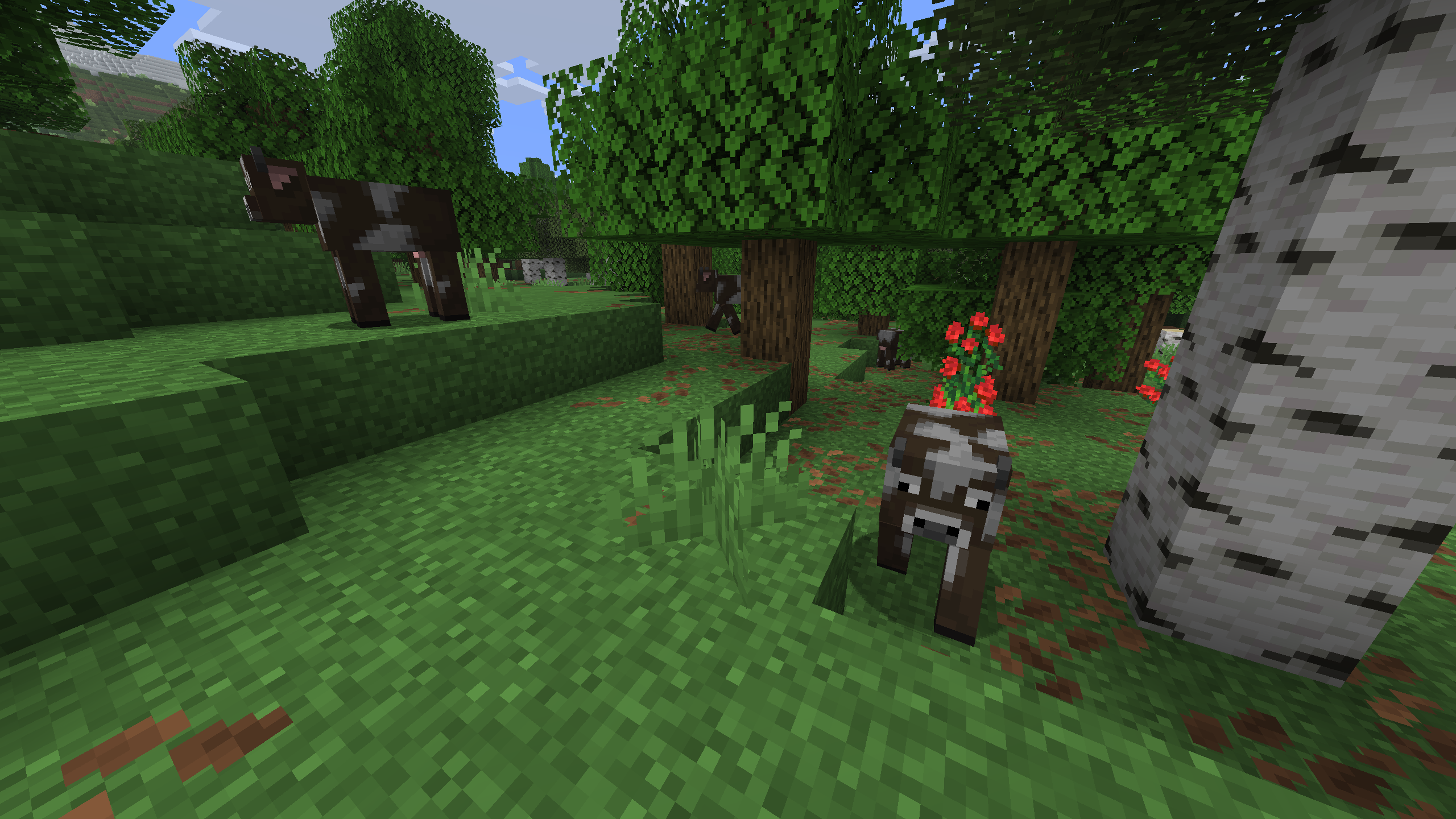
You can commonly find:
-
Cows
-
Sheep
-
Pigs
-
Chickens
These animals provide food, leather, wool, and feathers. Wool is especially important early on because it allows players to craft beds and skip the night.
Because of the tree cover, hostile mobs can sometimes hide more easily at night, so lighting is important.
Resources Available in the Forest Biome
While the Forest biome does not have rare blocks, it offers consistent and reliable resources that support long-term survival.
Key resources include:
-
Unlimited wood
-
Seeds from grass
-
Animals for food and materials
-
Easy access to surface caves
Forests are also great places to start mining, as cave entrances often appear near hills and riverbanks.
Is the Forest Biome Good for Survival?
Yes, the Forest biome is one of the best survival biomes in Minecraft, especially for beginners.
Advantages
-
Plenty of wood
-
Lots of animals
-
Safe terrain
-
Easy farming setup
Challenges
-
Dense trees reduce visibility
-
Mobs can hide at night
-
Slower travel compared to open biomes
With proper lighting and clearing paths, forests become extremely comfortable places to live.
Farming in the Forest Biome
Farming works very well in the Forest biome. Rain falls naturally, allowing crops to grow without special conditions.

Common farming activities include:
-
Wheat, carrot, and potato farms
-
Animal breeding pens
-
Tree farms
Clearing a small section of trees creates enough space for organized farms while keeping the forest environment intact.
Building in the Forest Biome
The Forest biome is one of the most popular places to build bases because it feels natural and immersive.

Popular build styles include:
-
Wooden cabins
-
Treehouses
-
Forest villages
-
Hidden bases
Using oak and birch wood allows builds to blend into the environment. Many players prefer forests because builds feel protected and cozy rather than exposed.
Forest Variants You May Encounter
Not all forests look the same. Minecraft includes several forest variants that slightly change gameplay.
Some examples include:
-
Birch Forests with tall birch trees
-
Flower Forests filled with colorful flowers
-
Dark Forests with dense canopies and larger trees
Each variant has its own feel, but all share similar survival advantages.
Survival Tips for the Forest Biome
To survive comfortably in a forest:
-
Clear small paths between trees
-
Light up your base and surroundings
-
Build vertically if space is limited
-
Use fences to control animals
Managing visibility is the key challenge in forests, especially at night.
Is the Forest Biome Good for a Long-Term Base?
Yes, many players keep their main base in a Forest biome for the entire game.
Forests are ideal for:
-
Survival bases
-
Storage hubs
-
Farming centers
-
Decorative builds
With proper planning, a forest base can grow into a large town or hidden survival hub.
Final Thoughts
The Forest biome may be common, but it is far from boring. It provides everything needed for a strong survival start and supports long-term gameplay without forcing players to struggle.
Whether you’re new to Minecraft or starting another world, the Forest biome is one of the safest and most reliable places to build, farm, and explore.
Sometimes, the best biome is the one that quietly supports everything you do—and the Forest biome does exactly that.