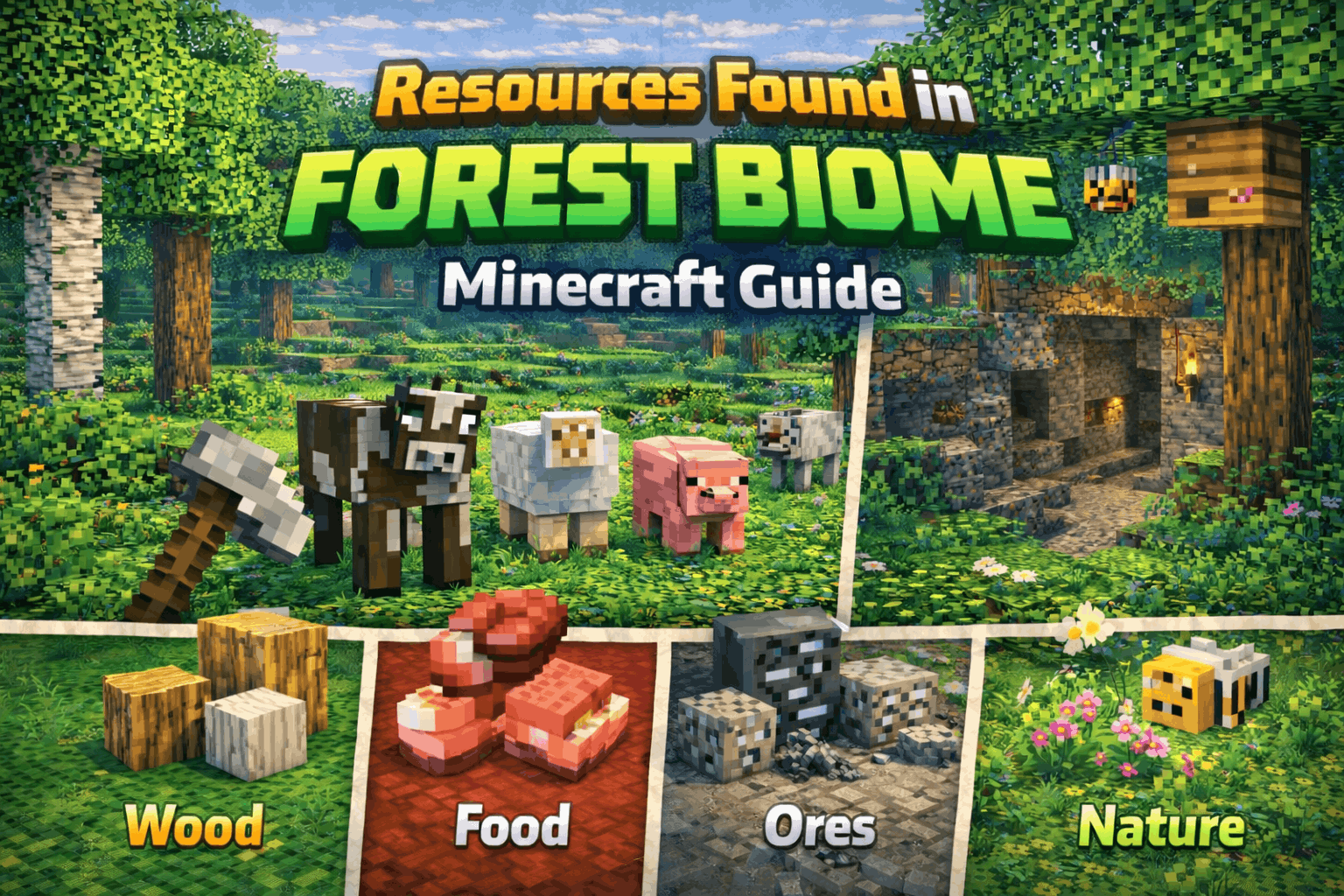
The Forest Biome is one of the most resource-rich and beginner-friendly biomes in Minecraft. At first glance, it may look simple—just trees and grass—but forests quietly provide some of the most important survival resources in the game.
From basic materials like wood and food to advanced resources used in enchanting, farming, and automation, the Forest biome can support you from early game all the way to endgame.
In this guide, we’ll break down all resources found in the Forest biome, explain why they matter, and show how players actually use them in survival.
Overview: Why the Forest Biome Is Resource-Rich
Forest biomes generate with:
-
High mob diversity
-
Dense natural blocks
-
Nearby water sources
-
Underground cave systems
This combination makes forests extremely efficient for gathering both surface and underground resources without long travel.
Wood Resources (Core Survival Material)
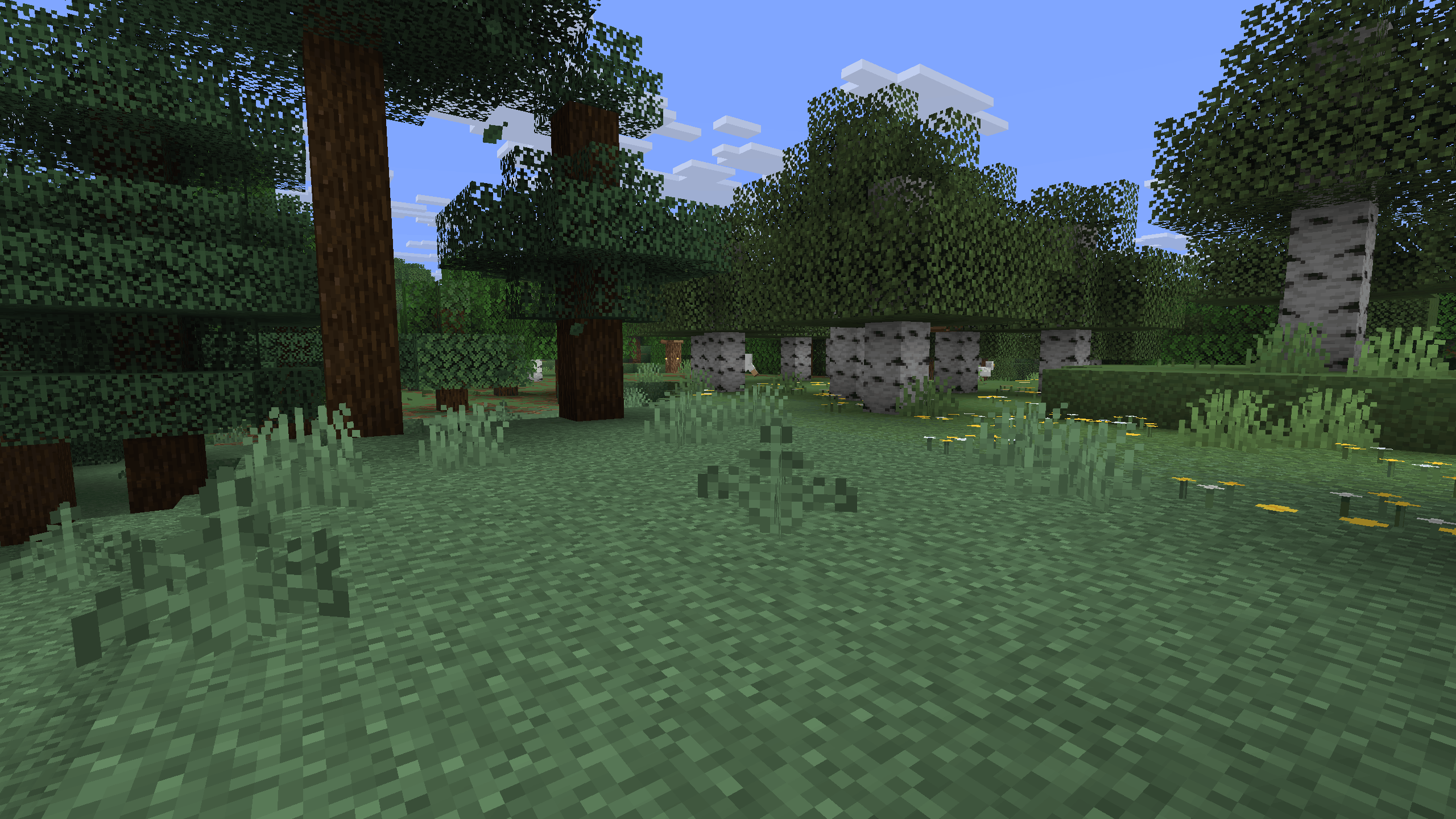
🌳 Oak & Birch Wood
-
Found everywhere in forest biomes
-
Used for tools, crafting tables, chests, and buildings
-
Renewable and unlimited
Wood is the backbone of survival. Forests are one of the Best Biomes in the game for wood farming, especially for early and mid-game.
🍎 Apples
-
Drop from oak leaves
-
Used for food and golden apples
Apples are an underrated forest resource, especially useful for healing and combat preparation.
Food Resources in Forest Biome
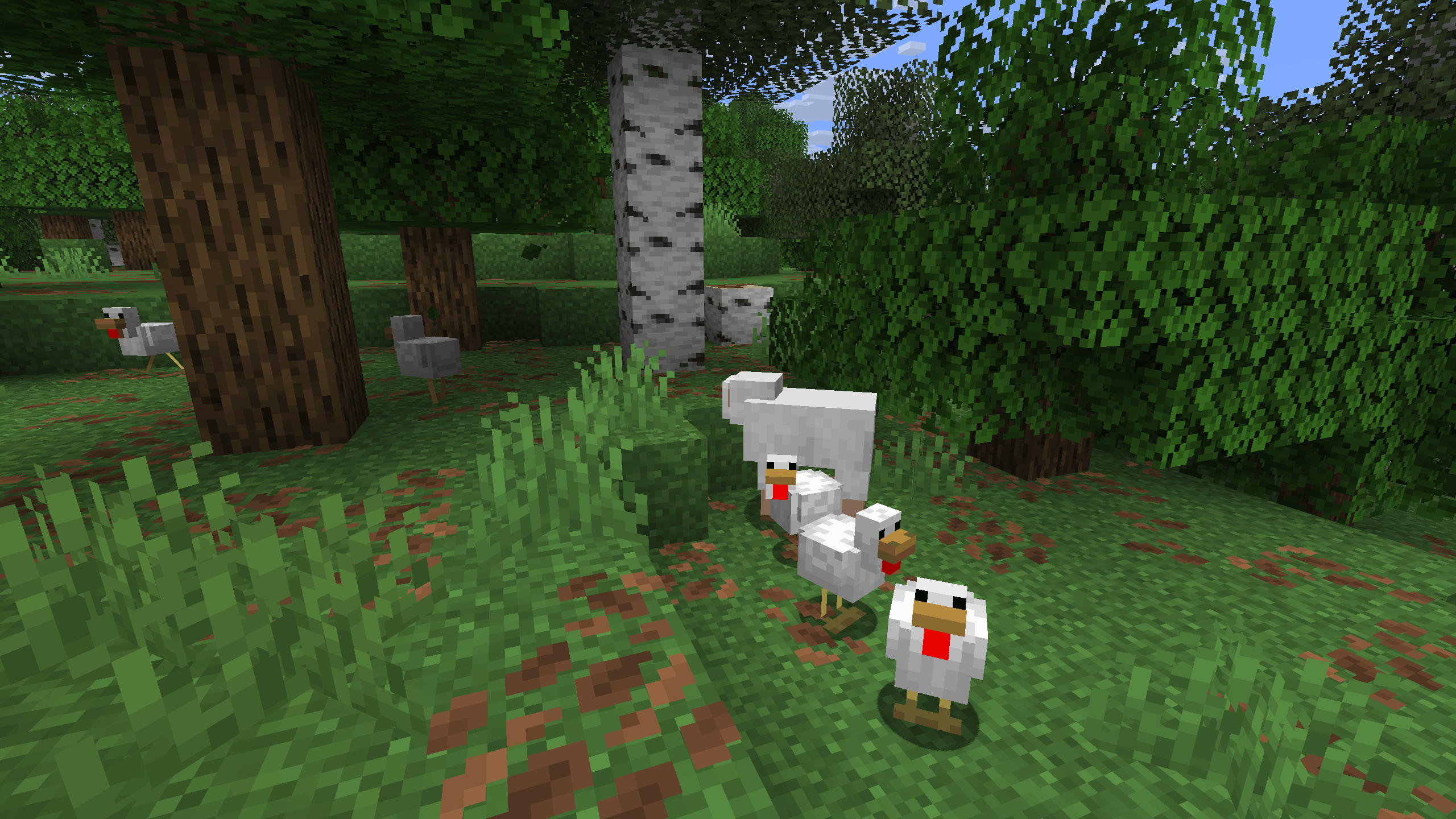
🐄 Animal Drops (Meat & Materials)
Forests spawn many passive Mobs, providing:
-
Beef, pork, mutton, chicken
-
Leather (for bookshelves)
-
Wool (for beds)
These resources make forests excellent for:
-
Early survival food
-
Animal farming
-
Enchanting setups
🌾 Farming Potential
Forests often generate near:
-
Rivers
-
Flat grass areas
This allows easy farming of:
-
Wheat
-
Carrots & potatoes (from villages or zombies)
-
Sugarcane (near water)
Food sustainability is one of the forest biome’s biggest strengths.
Plant & Nature Resources
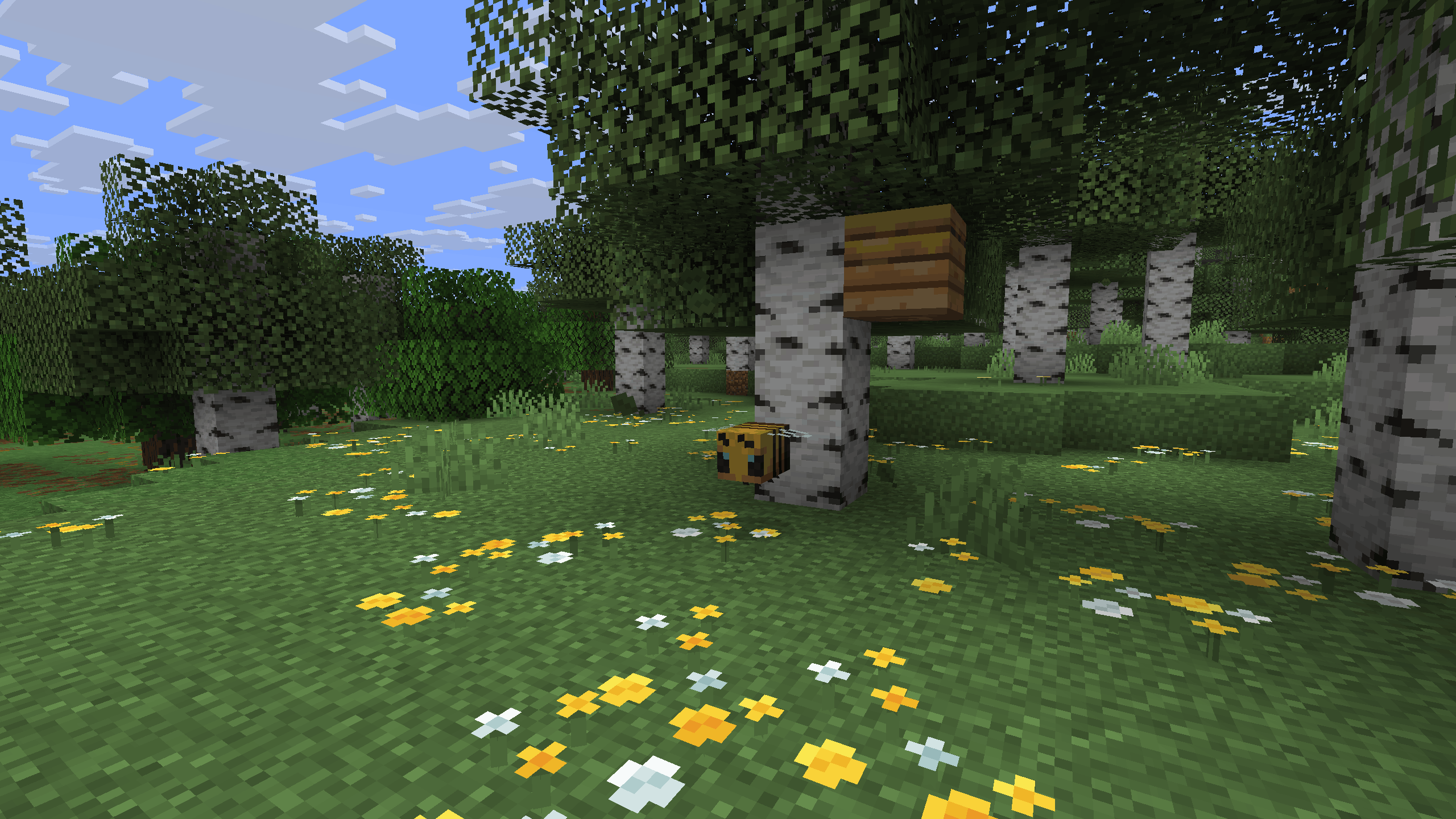
🌼 Flowers & Tall Grass
-
Found in large quantities
-
Used for dyes and decoration
-
Flowers attract bees
Flower Forest variants are especially valuable for dye farming and honey production.
🐝 Bees & Honey (Specific Forests)
In Flower Forests:
-
Beehives generate naturally
-
Bees produce honey & honeycomb
Honey is used for:
-
Food
-
Redstone (honey blocks)
-
Crafting candles
This makes certain forest variants very valuable.
Underground Resources Beneath Forest Biomes
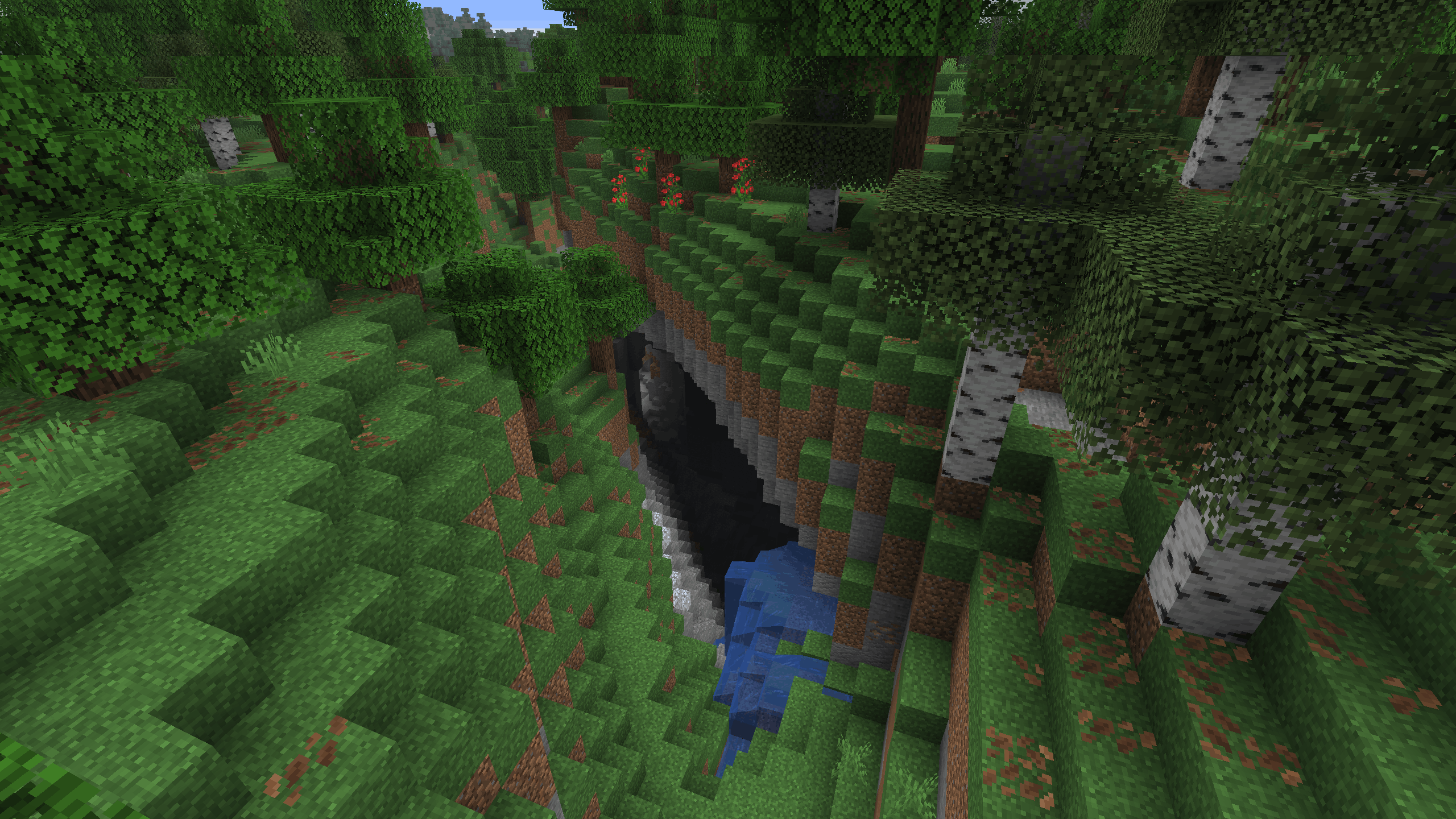
Forests aren’t just good on the surface.
⛏️ Ores Found Underground
Below forest biomes, you’ll find:
-
Coal
-
Iron
-
Copper
-
Redstone
-
Gold
-
Diamonds
There are no ore disadvantages to living in a forest biome. Mining works just as well as in plains or deserts.
🕸️ Mineshafts & Caves
Forests often generate:
-
Abandoned mineshafts
-
Large cave entrances
These provide:
-
Rails
-
Chests with loot
-
Spawner access
-
String from cave spiders
Great for early exploration—just be careful.
Special & Utility Resources
🐺 Wolves
-
Found naturally in forests
-
Can be tamed using bones
Wolves act as:
-
Base protection
-
Combat support
-
Companion mobs
They aren’t traditional “resources,” but they provide strong survival value.
🍄 Mushrooms
-
Common in shaded forest areas
-
Used for mushroom stew
-
Renewable food source
Useful in early survival when farms aren’t ready yet.
Village-Related Resources (Nearby)
Forests often generate close to plains, where villages spawn.
Villages provide:
-
Crops
-
Beds
-
Villagers (trading)
-
Iron golems
A forest base near a village gives access to one of the strongest resource systems in the game: villager trading.
What Resources Forest Biomes Lack
To be fair, forests do not naturally provide:
-
Sand (limited unless near rivers)
-
Cactus
-
Terracotta
These are minor issues and easy to solve by traveling to nearby biomes.
Forest Biome vs Other Biomes (Resources)
Forest vs Desert
-
Forest: Food, wood, animals
-
Desert Biome: Sand, temples
-
Forest: More wood & cover
-
Plains: Easier farming
Forest vs Jungle
-
Forest: Simpler, safer
-
Jungle: Rare resources but harder survival
Forests are the most balanced biome overall.
Why Forest Biomes Are Great for Long-Term Survival
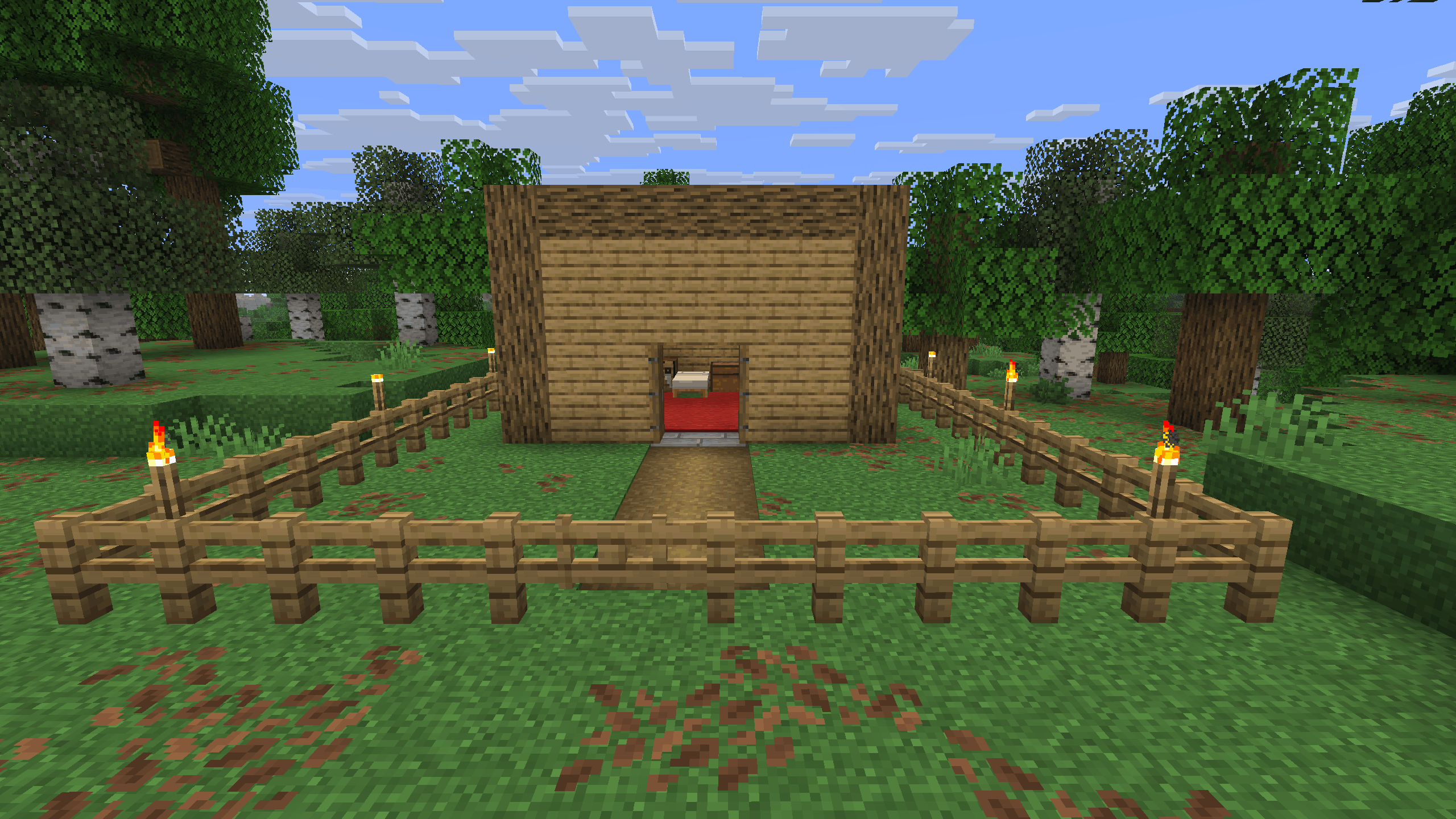
Forests support:
-
Early survival basics
-
Mid-game enchanting & farming
-
Late-game automation and villager trading
With proper planning, you rarely need to leave once your base is established.
Final Thoughts
The Forest biome is one of the best biomes for gathering resources in Minecraft. It may not look flashy, but it provides almost everything a survival player needs—wood, food, animals, plants, and full access to underground ores.
If you want a biome that is stable, forgiving, and powerful, the Forest biome is an excellent choice.