If you are new to Minecraft Survival Mode, the early game can feel overwhelming.
You spawn with nothing.
Mobs attack at night.
Hunger drains quickly.
Caves look dangerous.
The good news?
Survival is simple once you follow the right priorities.
This guide explains the exact beginner survival strategy that keeps you alive, builds stability, and prevents early mistakes.
1. Focus on Priorities, Not Exploration
New players often explore too early.
That’s the first mistake.
Your first 10–15 minutes should focus on:
-
Collecting wood
-
Crafting stone tools
-
Gathering food
-
Building temporary shelter
Exploration comes later.
Stability comes first.
2. Upgrade to Stone Tools Immediately
Wooden tools are temporary.
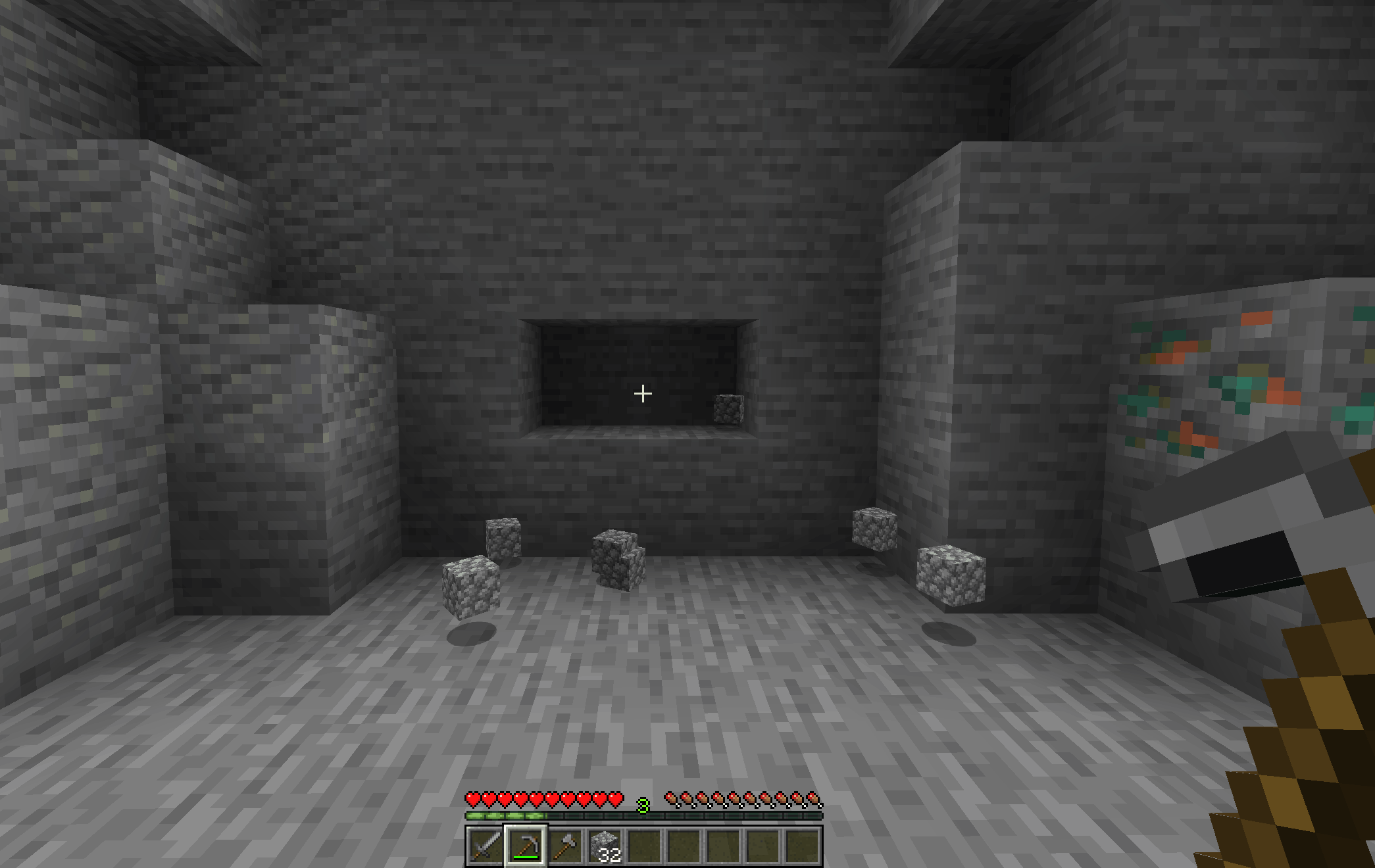
Correct progression:
Wood → Stone → Iron → Diamond
After crafting a wooden pickaxe, mine stone and upgrade immediately.
Stone tools:
-
Break blocks faster
-
Last longer
-
Deal more damage
Delaying this upgrade slows everything down.
3. Always Craft a Bed Before Night
Nighttime is when most beginner deaths happen.
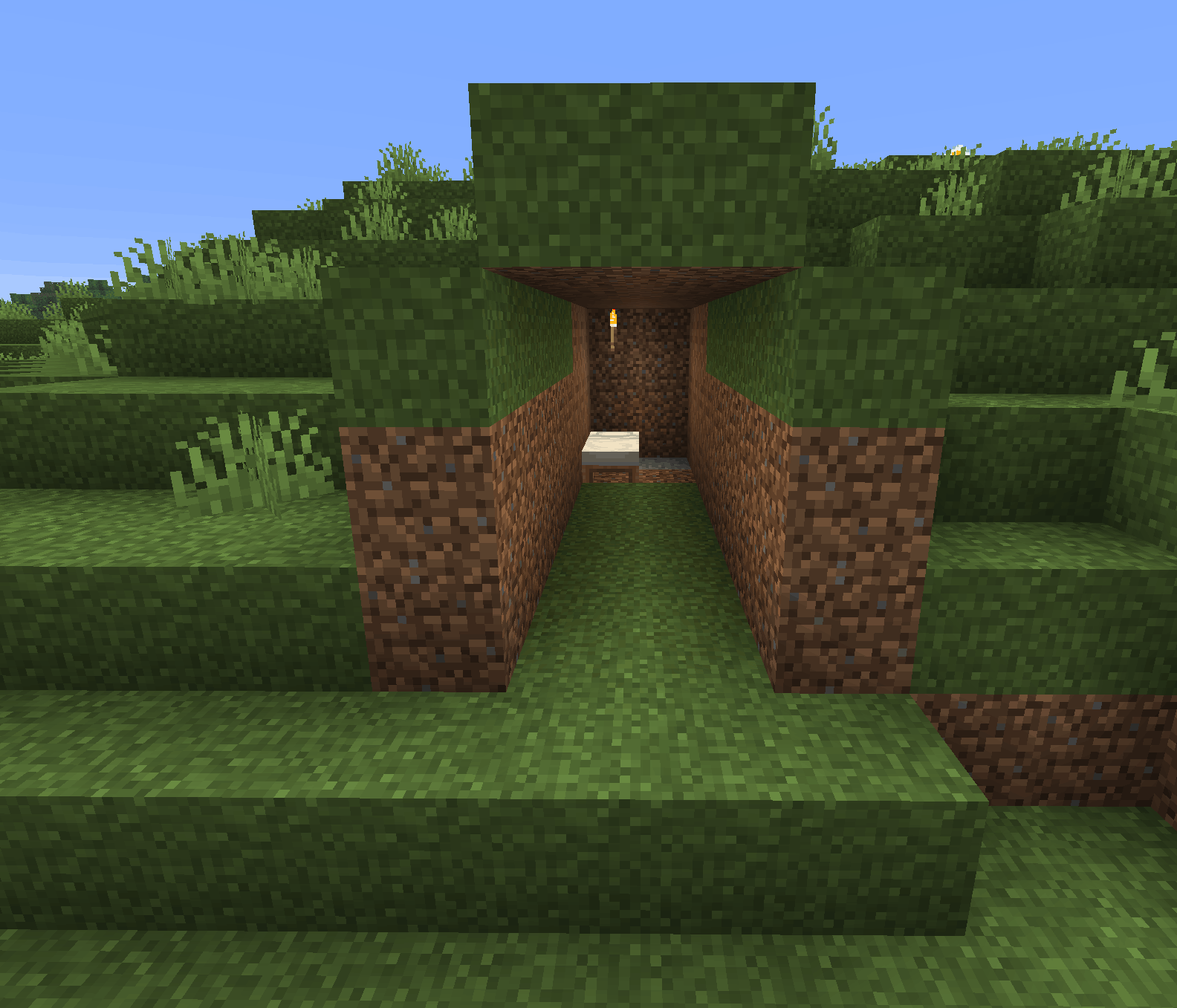
Beds:
-
Skip the night
-
Set spawn point
-
Prevent long recovery walks
Kill 3 sheep or gather wool early.
If sheep aren’t nearby, build a small dirt or wood shelter before sunset.
Never stay outside unprepared.
4. Cook Your Food
Raw food restores less hunger.
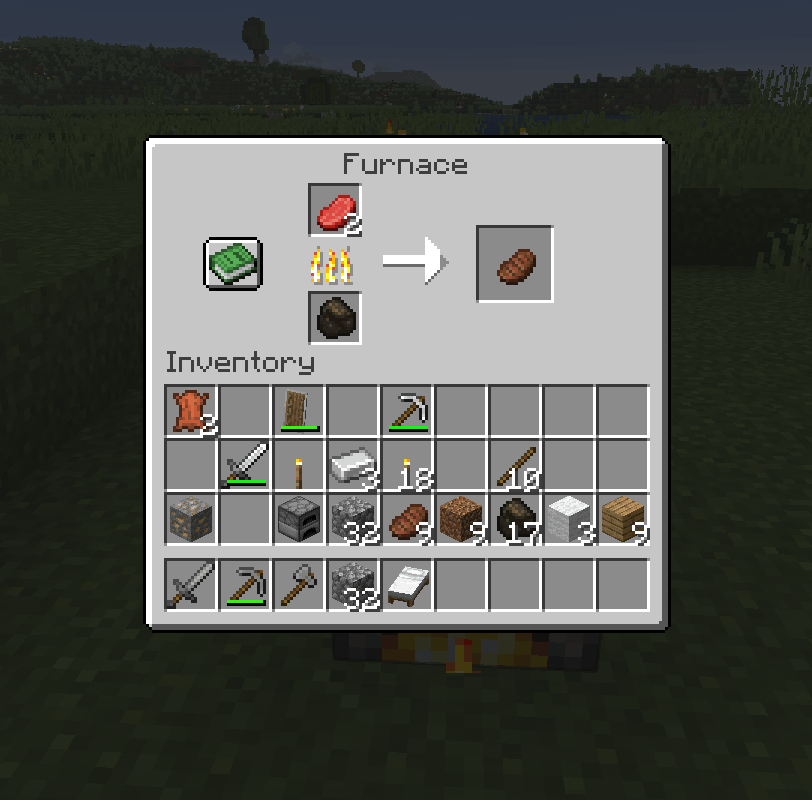
Cooked food:
-
Restores more hunger
-
Keeps you full longer
-
Helps health regenerate
Priority Day One:
-
Kill cows, pigs, chickens
-
Craft furnace
-
Cook meat
Low hunger = slow healing = easy death.
5. Light Your Base Area
Hostile mobs spawn in darkness.
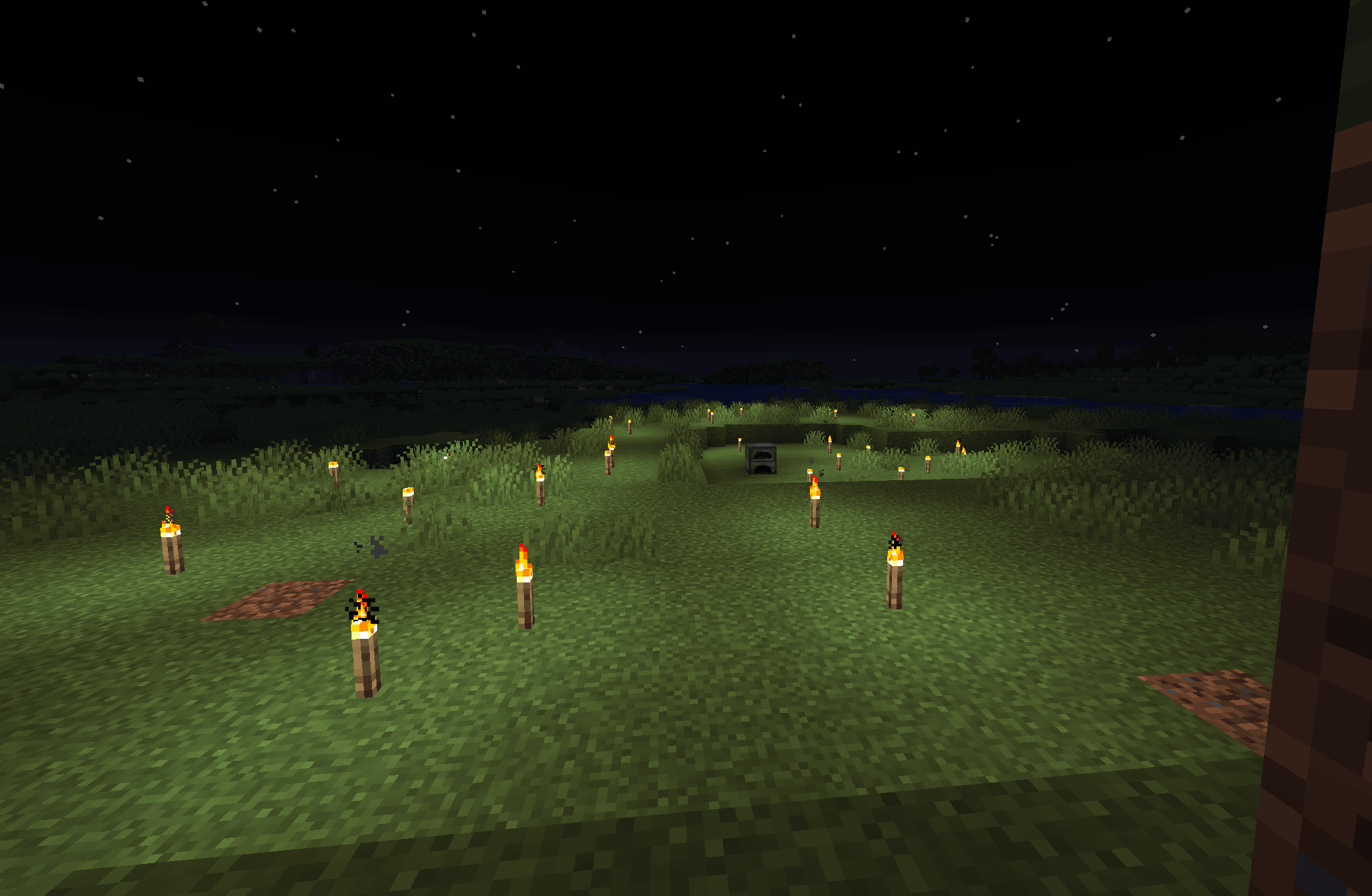
Place torches:
-
Around your base
-
Near doors
-
Around farms
-
On rooftops
Lighting is one of the easiest survival upgrades.
Dark areas = danger.
6. Craft a Shield Early
The shield is one of the strongest early-game items.
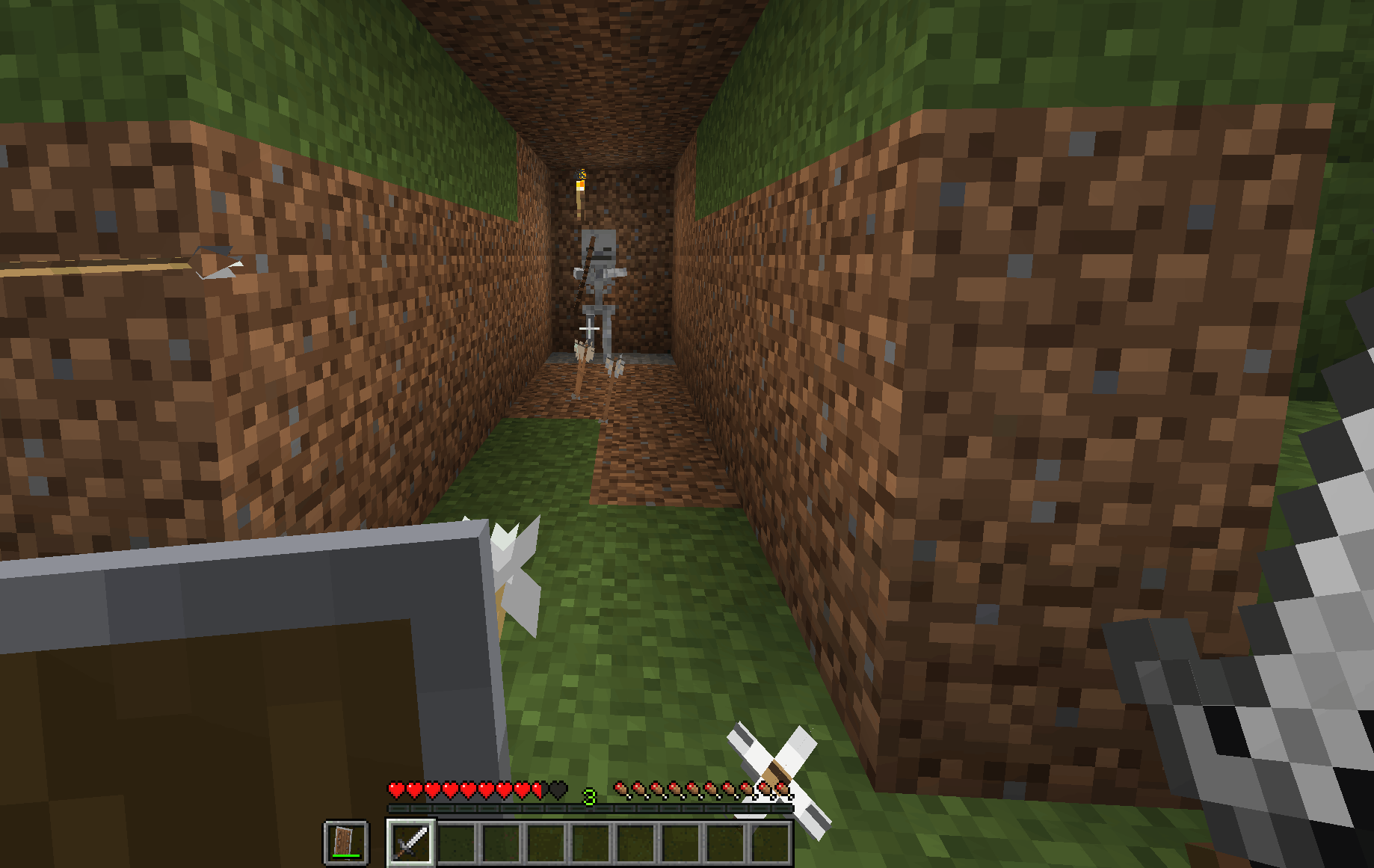
It blocks:
-
Skeleton arrows
-
Zombie attacks
-
Spider hits
-
Most melee damage
Recipe:
6 planks + 1 iron ingot
Once you have iron, shield should be a priority.
It dramatically reduces early deaths.
7. Avoid Deep Caves Too Soon
Caves are tempting.
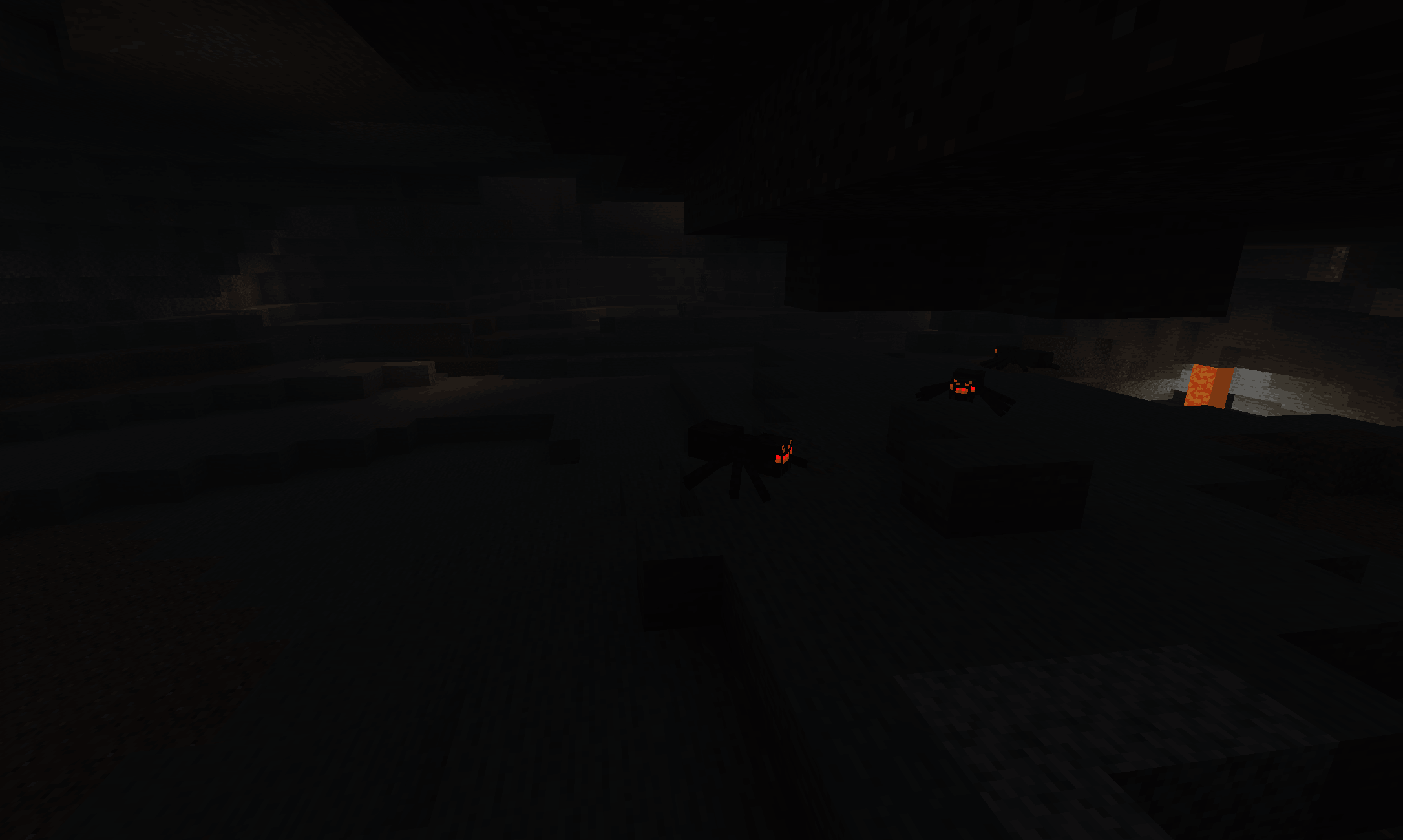
But early-game caves are dangerous because:
-
Skeletons shoot from distance
-
Creepers explode in tight spaces
-
You can fall into ravines
Only explore caves when you have:
-
Shield
-
Iron tools
-
Extra food
-
Plenty of torches
Rushing caves is a common beginner mistake.
8. Manage Hunger Properly
Sprinting drains hunger fast.
If hunger drops to zero:
-
You stop sprinting
-
Health regenerates slowly
Walk when safe.
Sprint only when escaping danger.
Keep emergency food in your hotbar.
9. Organize Your Hotbar
In combat, speed matters.
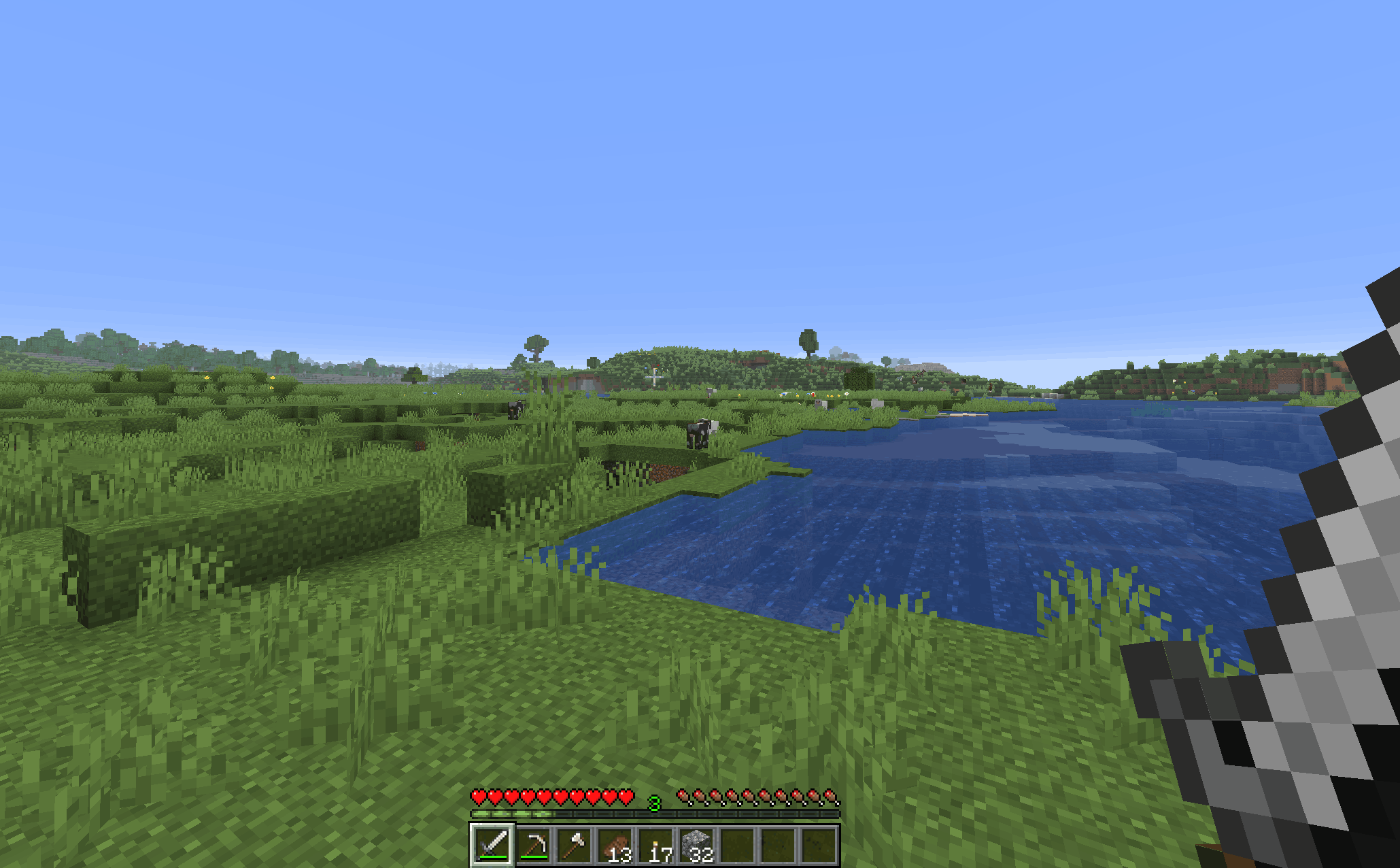
Recommended early setup:
-
Sword
-
Pickaxe
-
Axe
-
Food
-
Torches
-
Blocks
You should not scroll around Searching for Food during a fight.
Preparation prevents panic.
10. Learn Basic Combat Timing
Every mob behaves differently.
Zombies:
-
Slow but group attack
Skeletons:
-
Keep distance
-
Use shield
Creepers:
-
Hit and back up
-
Never fight in tight caves
Spiders:
-
Fast movement
-
Attack during night
Don’t spam-click randomly.
Time your attacks.
11. Don’t Dig Straight Down
This mistake still kills players.
Digging straight down can drop you into:
-
Lava
-
Deep caves
-
Ravines
Always mine in a staircase pattern.
Safety > speed.
12. Choose a Good Starter Biome
Some biomes are easier for beginners:
-
Plains Biome (flat, open, villages common)
-
Forest Biome (wood available)
-
Taiga Biome (wood + berries)
Avoid starting in:
-
Deep ocean
-
Desert Biome (food is harder early)
-
Mountains (fall damage risk)
Biome choice affects difficulty.
13. Start a Small Farm Early
Food stability reduces stress.
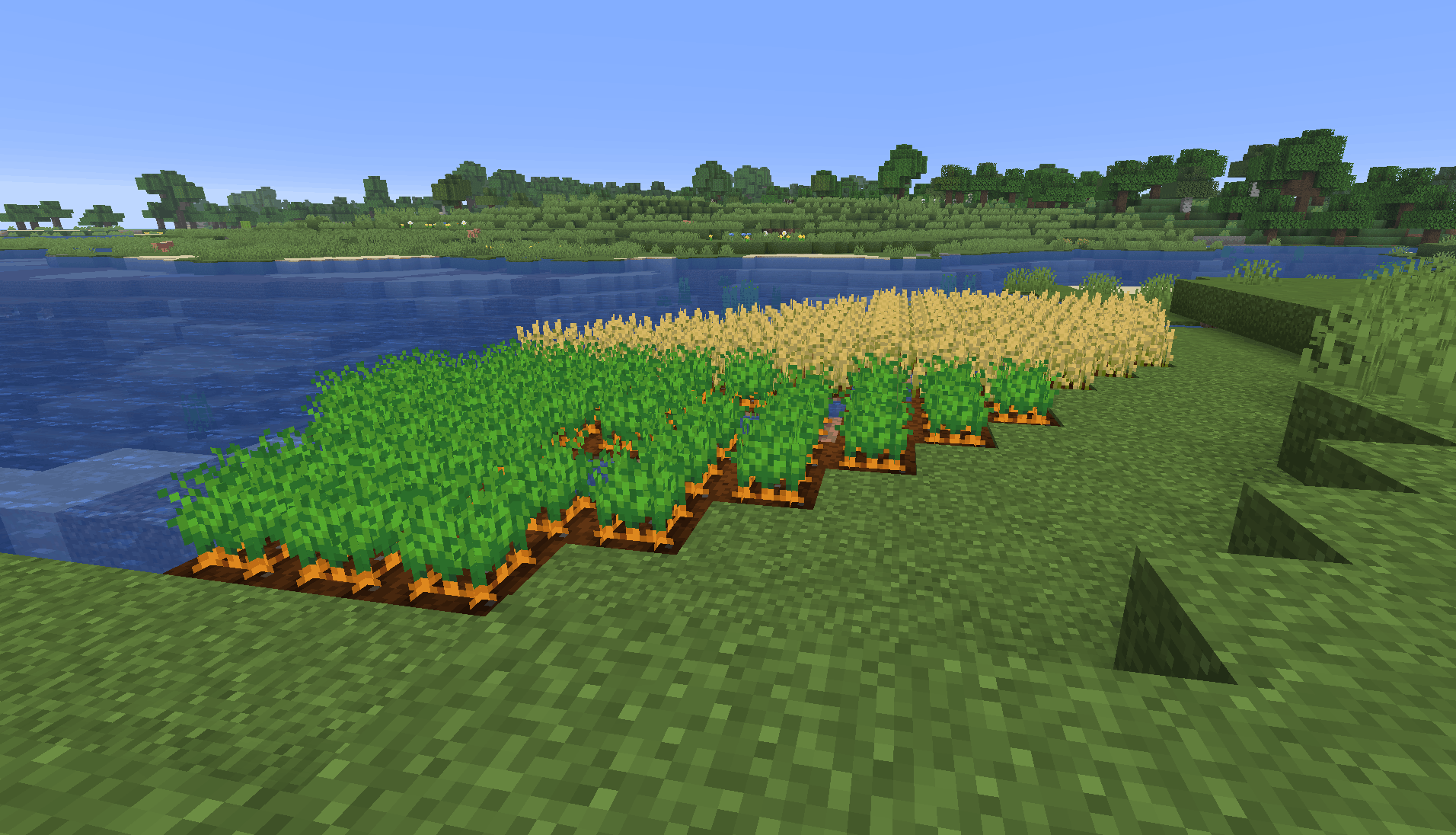
Simple farm setup:
-
Craft hoe
-
Create farmland near water
-
Plant wheat, carrots, or potatoes
Farming gives renewable food.
Less hunting required.
14. Store Backup Gear
Before exploring far:
-
Leave extra food at base
-
Leave spare tools
-
Keep iron safe
If you die, you don’t restart from zero.
This reduces frustration.
15. Build Slowly, Upgrade Smartly
You don’t need a giant base on Day One.
Start small.
Upgrade gradually:
-
Add walls
-
Add lighting
-
Expand storage
-
Improve materials
Survival worlds grow over time.
16. Don’t Panic During Attacks
Panic causes mistakes.
If attacked:
-
Raise shield
-
Create distance
-
Eat food
-
Attack safely
Calm reactions save lives.
17. Progression Plan for Beginners
Day 1:
-
Collect wood
-
Upgrade to stone
-
Cook food
-
Craft bed
Day 2:
-
Mine iron
-
Craft shield
-
Upgrade tools
Day 3:
-
Expand base
-
Explore carefully
Simple progression prevents chaos.
Beginner Survival Checklist
Before night:
✅ Stone tools
✅ Bed
✅ Furnace
✅ Cooked food
✅ Torches
Before cave exploration:
✅ Shield
✅ Iron pickaxe
✅ Extra food
✅ 20+ torches
If you follow this, early survival becomes stable.
Final Thoughts
Minecraft survival is not about speed.
It’s about preparation.
Most beginner deaths happen because players:
-
Rush caves
-
Ignore beds
-
Don’t cook food
-
Forget shields
-
Stay in darkness
Fix those five things, and your survival world becomes stable.
Once early survival is under control, everything becomes easier.
Take it step-by-step.
Stay prepared.
Build smart.
Survive longer.