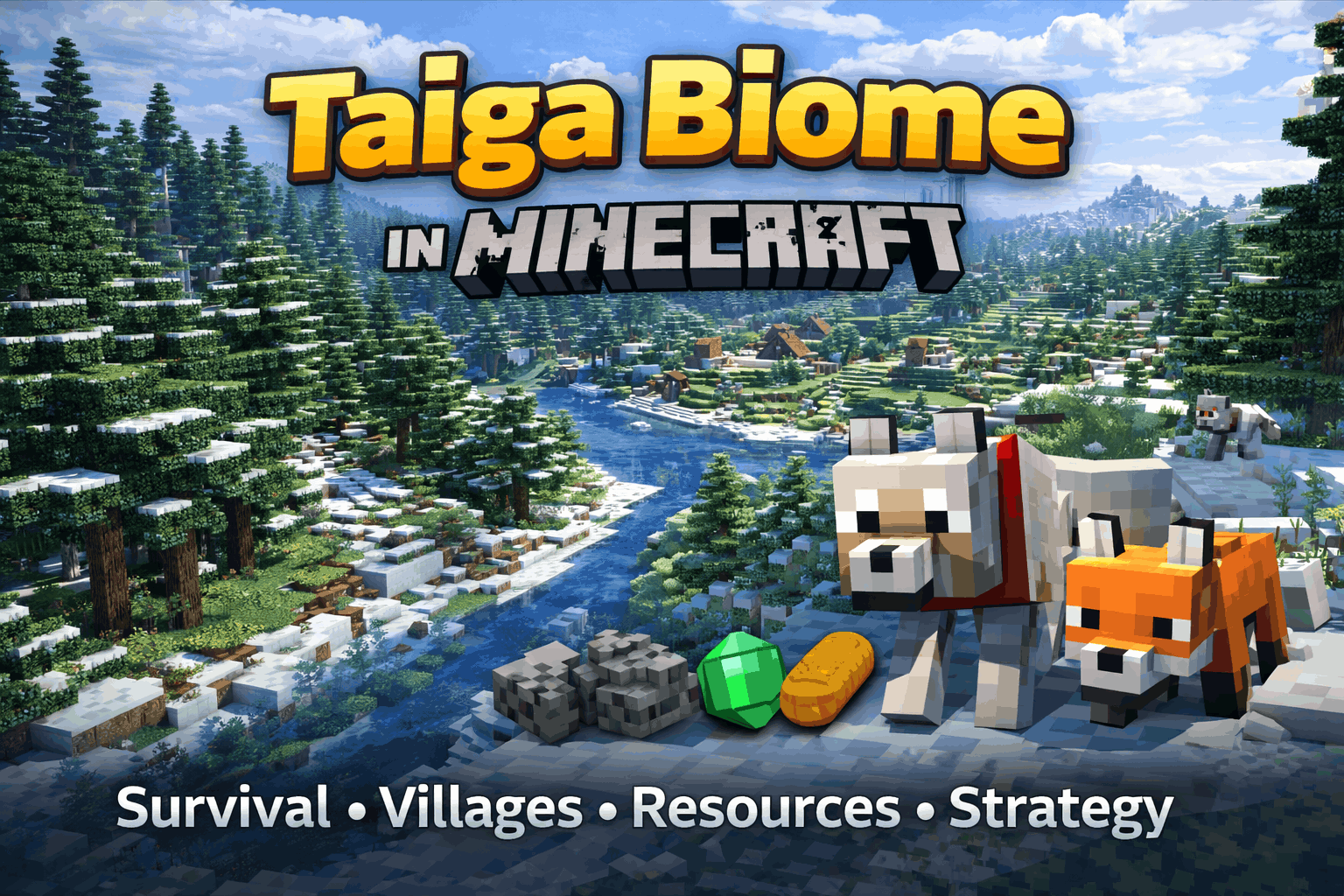
The Taiga biome is one of Minecraft’s most distinctive overworld Biomes. It combines dense spruce forests, cold temperatures, unique wildlife, and a survival experience that sits between peaceful and challenging. While it may look calm on the surface, Taiga survival requires smart planning—especially when dealing with snow, limited farming options, and low visibility.
This guide is the main Taiga Biome pillar on Gamqo. It covers everything you need to know about Taiga biomes: types, survival difficulty, villages, mobs, resources, base building, and long-term viability.
What Is the Taiga Biome in Minecraft?
The Taiga biome is a cold forest biome dominated by spruce trees, coarse dirt, podzol, and wildlife adapted to colder environments. It often generates with snow-covered ground, frozen rivers, and dense tree cover.
Taiga biomes are known for:
-
Tall spruce forests
-
Cold or snowy terrain
-
Wolves and foxes
-
Limited crop farming early game
-
Strong base-building potential
Unlike extreme cold biomes, Taiga remains playable for long-term survival with the right strategy.
Taiga Biome Variants Explained
Understanding Taiga variants is critical because each version plays differently.
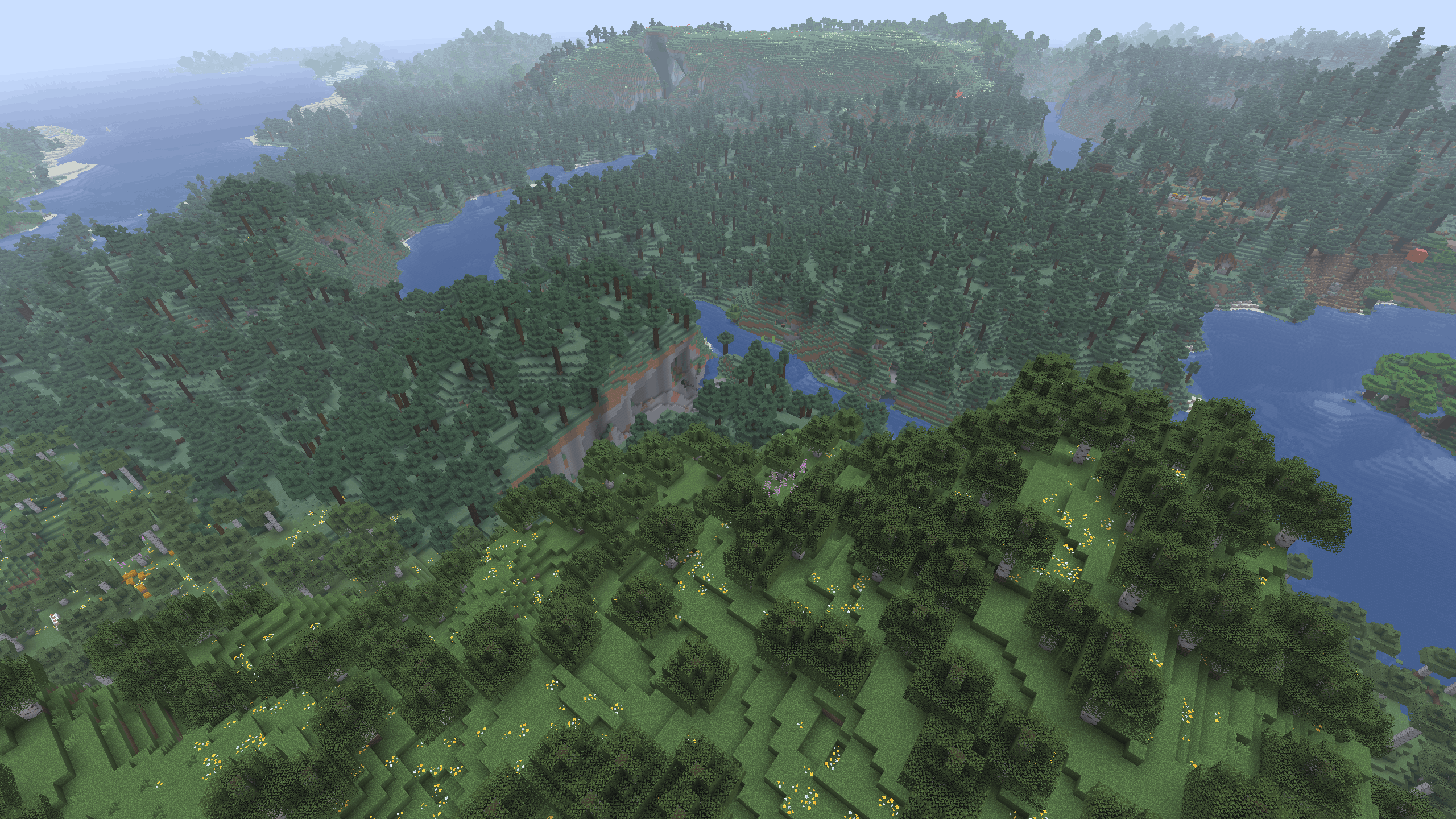
Normal Taiga
-
Cold but usually not fully snow-covered
-
Grass and podzol generate naturally
-
Easier early survival
-
Best for beginners
Snowy Taiga
-
Snow covers most blocks
-
Rivers freeze into ice
-
Harder visibility and movement
-
Higher early difficulty
Old Growth Pine Taiga
-
Taller spruce trees
-
More podzol
-
Fewer mobs on surface
-
Excellent for large bases
Old Growth Spruce Taiga
-
Massive spruce trees
-
Very dense terrain
-
Best for builders and late-game worlds
Each variant affects movement, mob spawning, and base design, so choosing the right one matters.
Is the Taiga Biome Good for Survival?
Yes — but it is not beginner-easy like Plains or Forest.
Taiga survival sits in the intermediate difficulty range.
Why Taiga Is Good for Survival
-
Unlimited spruce wood
-
Natural protection from terrain
-
Wolves for early defense
-
Villages can generate
-
Strong long-term base potential
Why Taiga Can Be Challenging
-
Snow reduces visibility
-
Farming is slower early
-
Dense trees create mob spawn shadows
-
Powder Snow in some variants
Taiga rewards planning and awareness, not rushing.
Taiga Biome Difficulty (Early → Late Game)
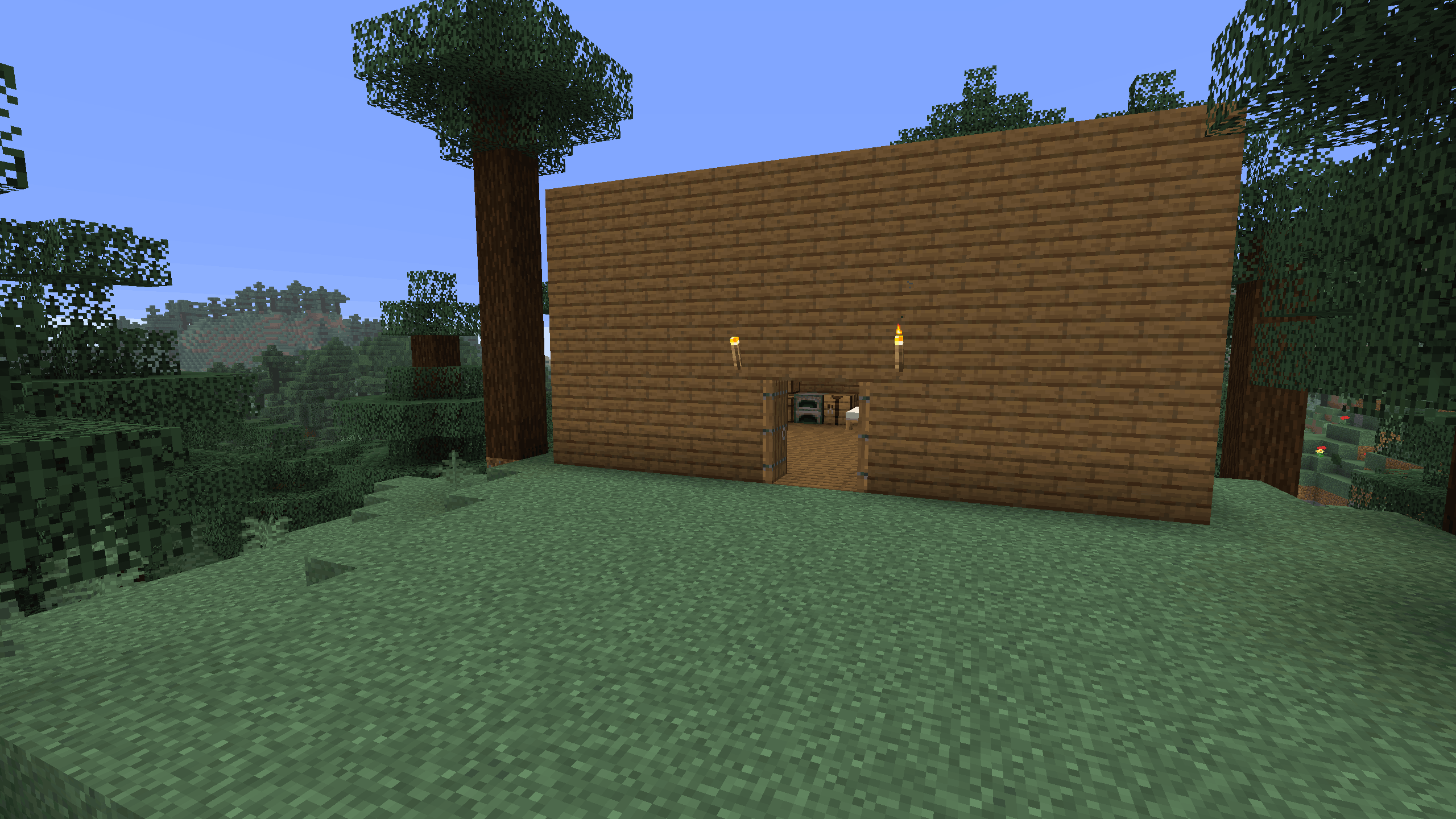
Early Game
-
Harder than Plains
-
Easy wood, limited food
-
High mob risk at night
Mid Game
-
Very stable
-
Villagers + wolves make survival safe
-
Underground expansion works well
Late Game
-
Excellent
-
Ideal for mega bases
-
Natural aesthetic for large builds
Taiga difficulty decreases over time, which is ideal for long worlds.
Taiga Villages Explained
Taiga biomes can naturally generate villages.
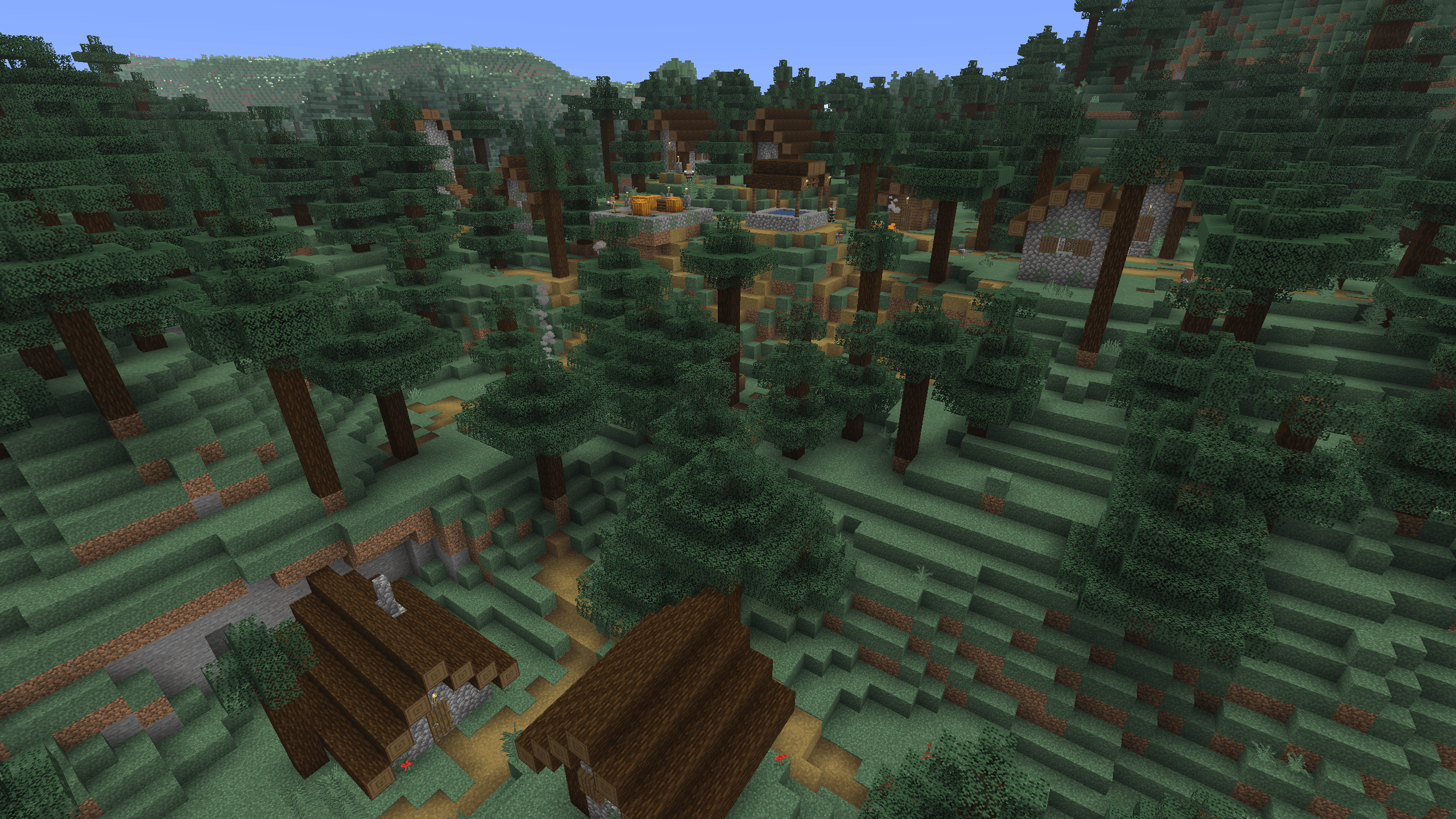
Taiga Village Characteristics
-
Built from spruce and stone
-
Smaller farms
-
Compact layouts
-
Often surrounded by trees
These villages are valuable but need immediate lighting to prevent mob issues.
Are Taiga Villages Worth Using?
Yes. They offer:
-
Early beds
-
Villagers for trading
-
Food sources
-
Safe starter locations
Taiga villages are less open than Plains villages but scale very well.
Wildlife and Mobs in the Taiga Biome
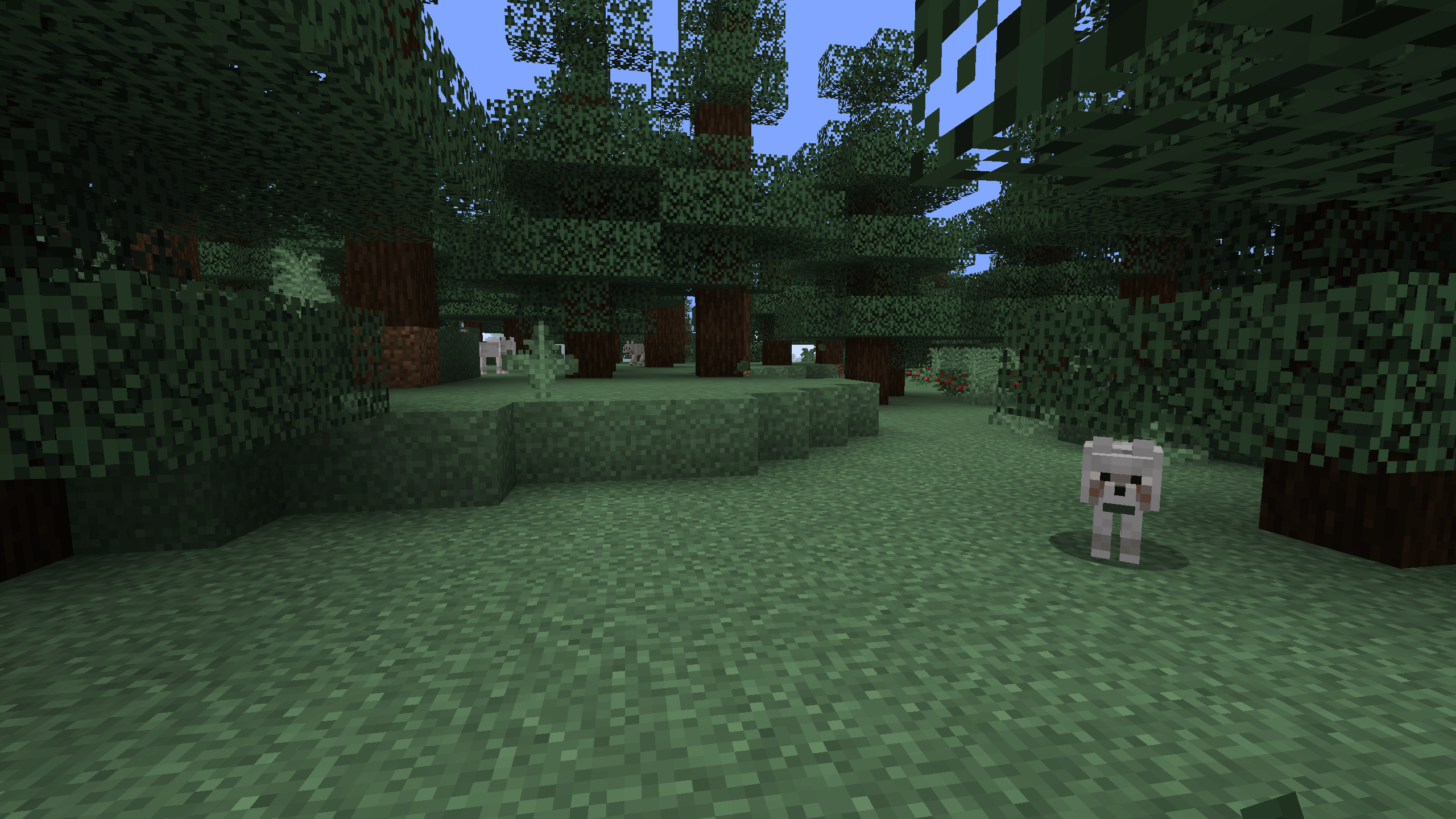
Passive & Neutral Mobs
-
Wolves (very common)
-
Foxes
-
Rabbits
-
Sheep (less frequent)
-
Pigs and cows (varies)
Hostile Mobs
-
Standard overworld mobs at night
-
Increased danger due to tree cover
-
Powder Snow traps mobs and players
Wolves are a major advantage, especially early game.
Resources Found in the Taiga Biome
Taiga is not resource-rich, but it is resource-stable.
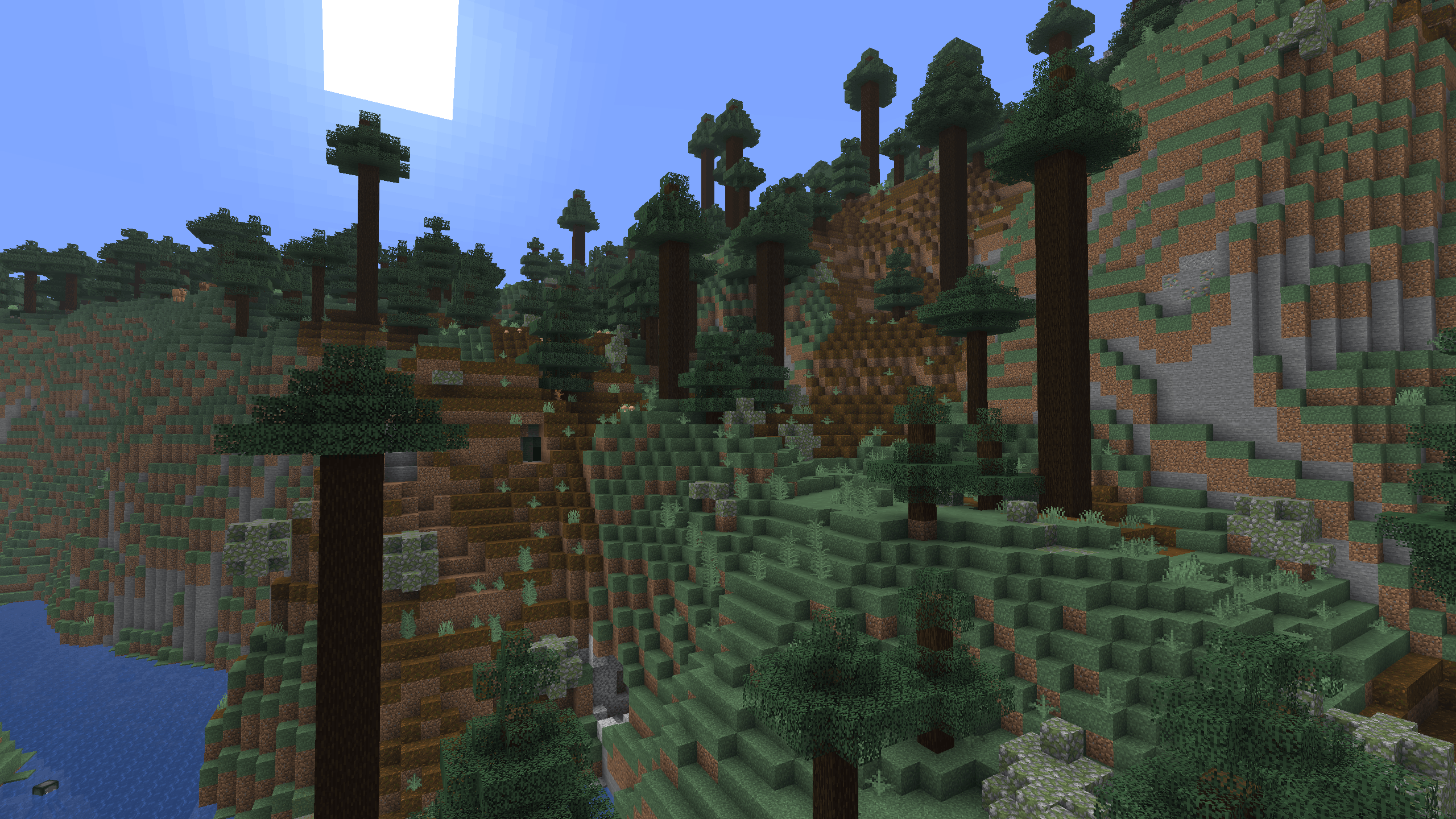
Common Resources
-
Spruce logs
-
Stone and coal
-
Snow blocks
-
Ice (Snowy Taiga)
-
Berries (in some areas)
What Taiga Lacks
-
No desert loot structures
-
Fewer crops naturally
-
Limited flat farmland
Taiga relies more on mining and animal farming than surface farming.
Farming in the Taiga Biome
Crop Farming
-
Works normally once land is prepared
-
Snow must be cleared
-
Slower early progression
Animal Farming
-
Very effective
-
Wolves protect farms
-
Rabbits provide emergency food
Taiga favors animal-based food systems early.
Building Bases in the Taiga Biome
Taiga is one of the best biomes for immersive base building.
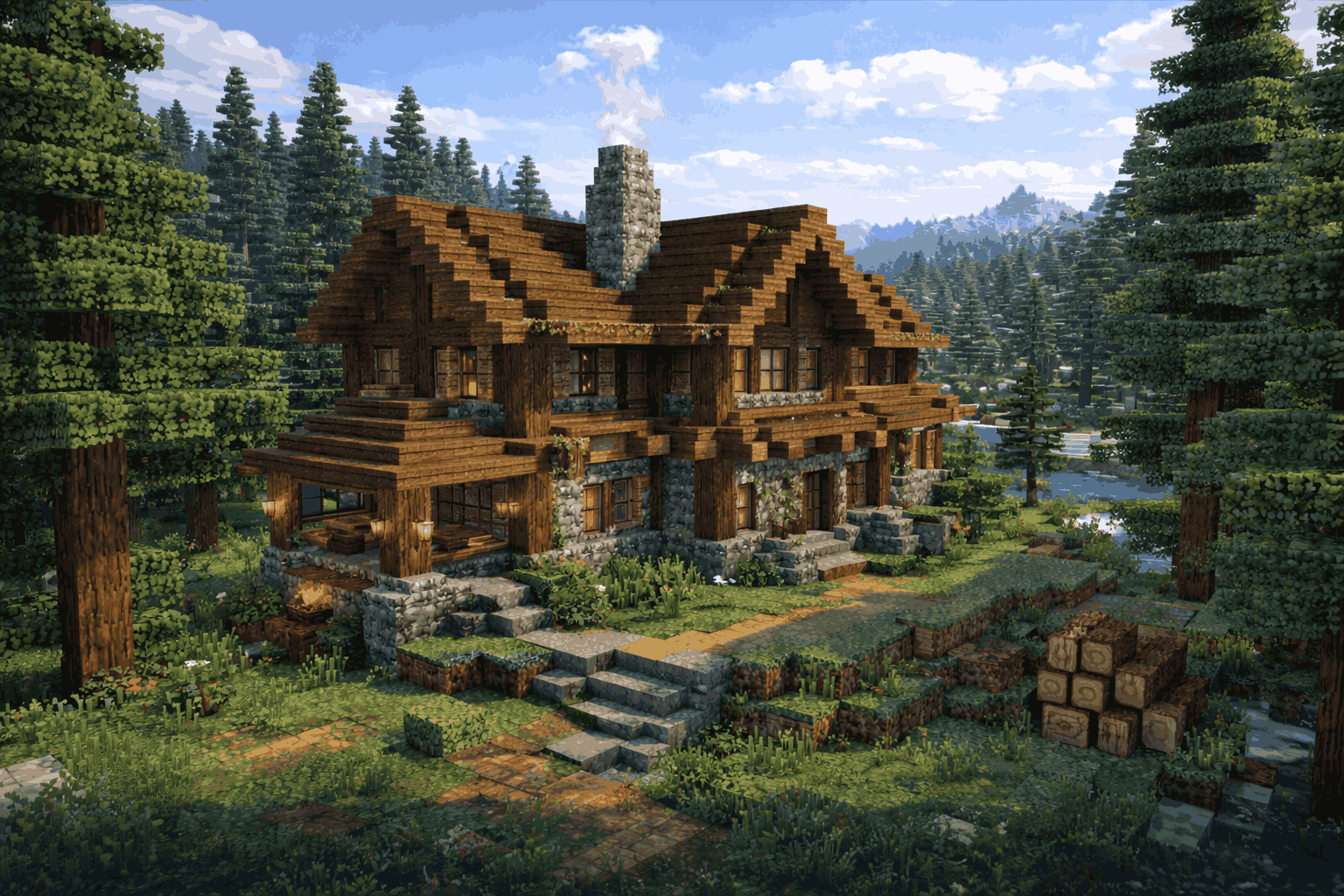
Best Base Types
-
Log cabins
-
Underground bunkers
-
Cliffside builds
-
Fortress-style villages
Why Taiga Is Great for Bases
-
Natural camouflage
-
Vertical building options
-
Weather fits medieval themes
-
Large tree coverage for privacy
Late-game Taiga bases feel natural and realistic.
Mob Control & Safety in Taiga
Taiga can become dangerous without planning.
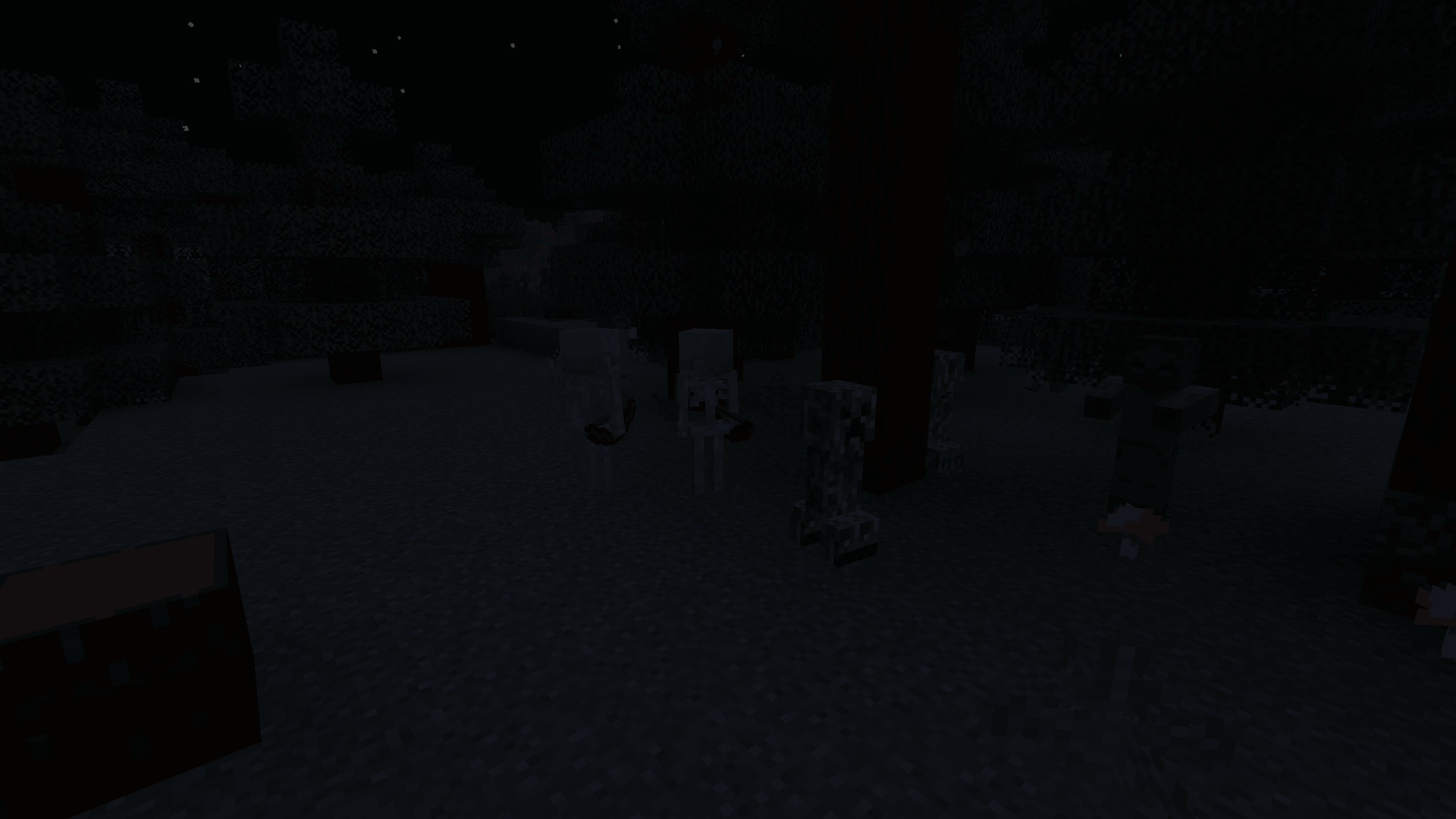
Safety Tips
-
Clear trees around base
-
Place torches aggressively
-
Use slabs and paths
-
Avoid night travel early
Snow increases darkness, so lighting matters more than usual.
Powder Snow: A Unique Taiga Danger
Powder Snow can:
-
Trap players
-
Slowly freeze health
-
Kill unprepared explorers
How to Counter Powder Snow
-
Leather boots
-
Carry blocks
-
Avoid unknown snow patches
This is a Taiga-specific survival check.
Taiga vs Other Biomes (Quick Comparison)
Taiga vs Forest
-
Taiga: colder, fewer crops
-
Forest: easier food
Taiga vs Snowy Plains
-
Taiga: more wood and wildlife
-
Snowy Plains: flatter but harsher
Taiga vs Plains
-
Taiga: harder early, better atmosphere
-
Plains: easiest survival biome
Taiga is not the easiest—but it is one of the most rewarding.
Best Uses of the Taiga Biome
Taiga is best for:
-
Long-term Survival Worlds
-
Immersive builds
-
Custom villages
-
Hardcore players who want balance
-
Players who enjoy slower progression
It is not ideal for speedrunners or ultra-easy starts.
Hardcore Mode in the Taiga Biome
Taiga works well in Hardcore Mode if you respect early risks.
Hardcore Tips
-
Secure bed quickly
-
Avoid night combat
-
Use wolves
-
Build underground first
Once established, Taiga becomes very safe.
Who Should Choose the Taiga Biome?
Choose Taiga If You:
-
Like forest environments
-
Enjoy survival challenges
-
Build long-term worlds
-
Prefer realism over speed
Avoid Taiga If You:
-
Want instant farming
-
Hate snow mechanics
-
Prefer flat terrain
Taiga is about depth, not convenience.
Final Verdict: Is the Taiga Biome Worth Living In?
Yes — if you play it correctly.
The Taiga biome is:
-
More challenging than Forest or Plains
-
More immersive than most biomes
-
Extremely strong for long-term worlds
It rewards players who:
-
Plan ahead
-
Respect the environment
-
Build smart, not fast
If you want a biome that grows with you from early survival to late-game mastery, Taiga is one of Minecraft’s best choices.