The Plains Biome is often described as simple, flat, and beginner-friendly. While it doesn’t contain rare or flashy blocks, it quietly offers some of the most reliable and useful resources in Minecraft. This is why so many Survival Worlds begin and grow in Plains biomes.
Understanding which resources are found in the Plains biome helps players make smarter decisions early on. From food and animals to underground ores and villages, the Plains biome provides a strong foundation for both short-term survival and long-term progression.
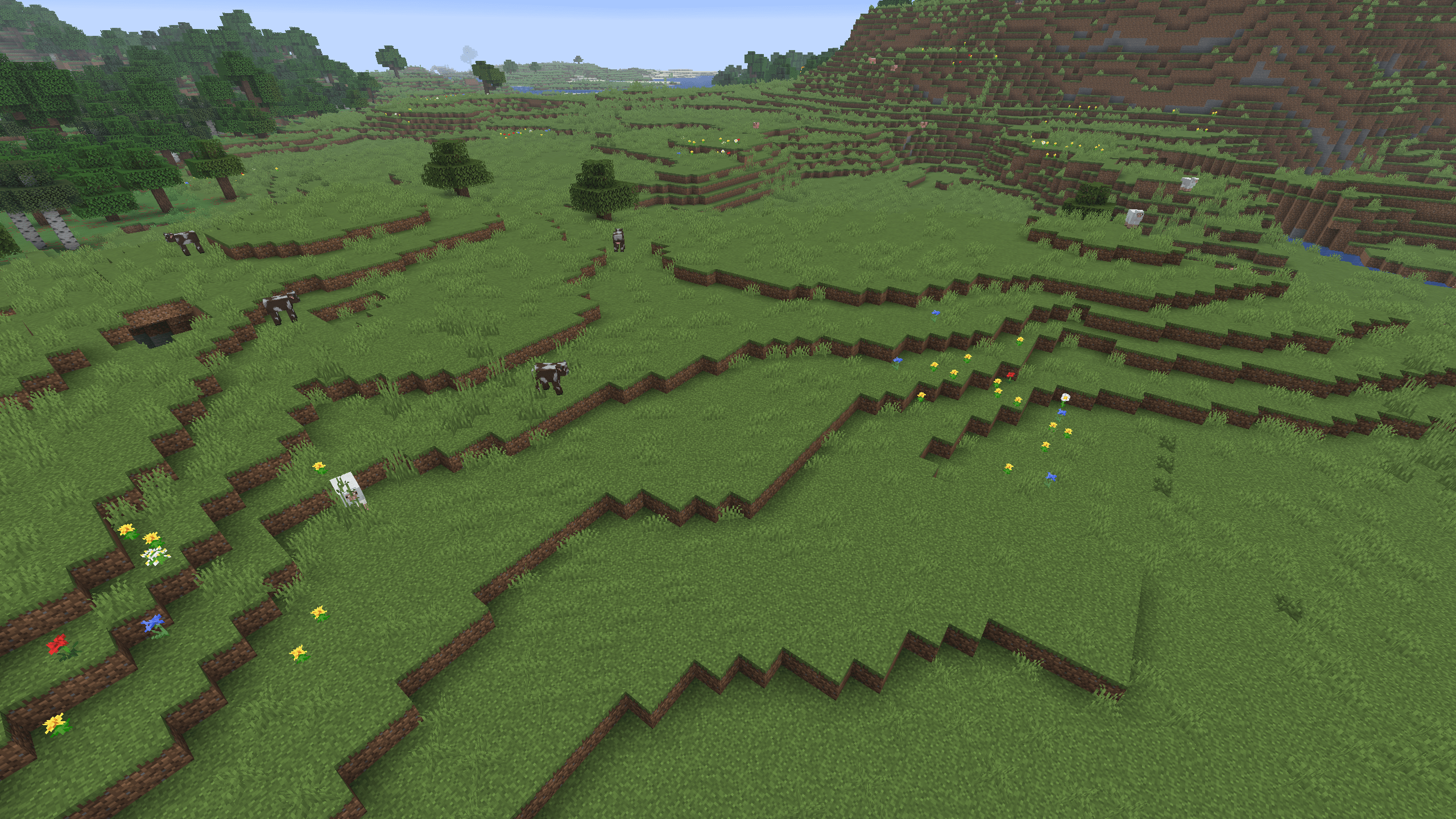
This guide explains all major resources available in Plains biomes, how they are used, and why they matter for survival.
Why the Plains Biome Is Resource-Friendly
Plains biomes are designed to support balance rather than extremes. They don’t overwhelm players with danger, and they don’t limit access to essential materials.
Plains biomes are resource-friendly because:
-
Terrain is easy to explore
-
Resources are easy to locate
-
Food is abundant
-
Villages spawn frequently
This combination makes Plains one of the most efficient biomes for gathering early-game resources.
Grass and Dirt Blocks
Grass and dirt are the most visible resources in the Plains biome.
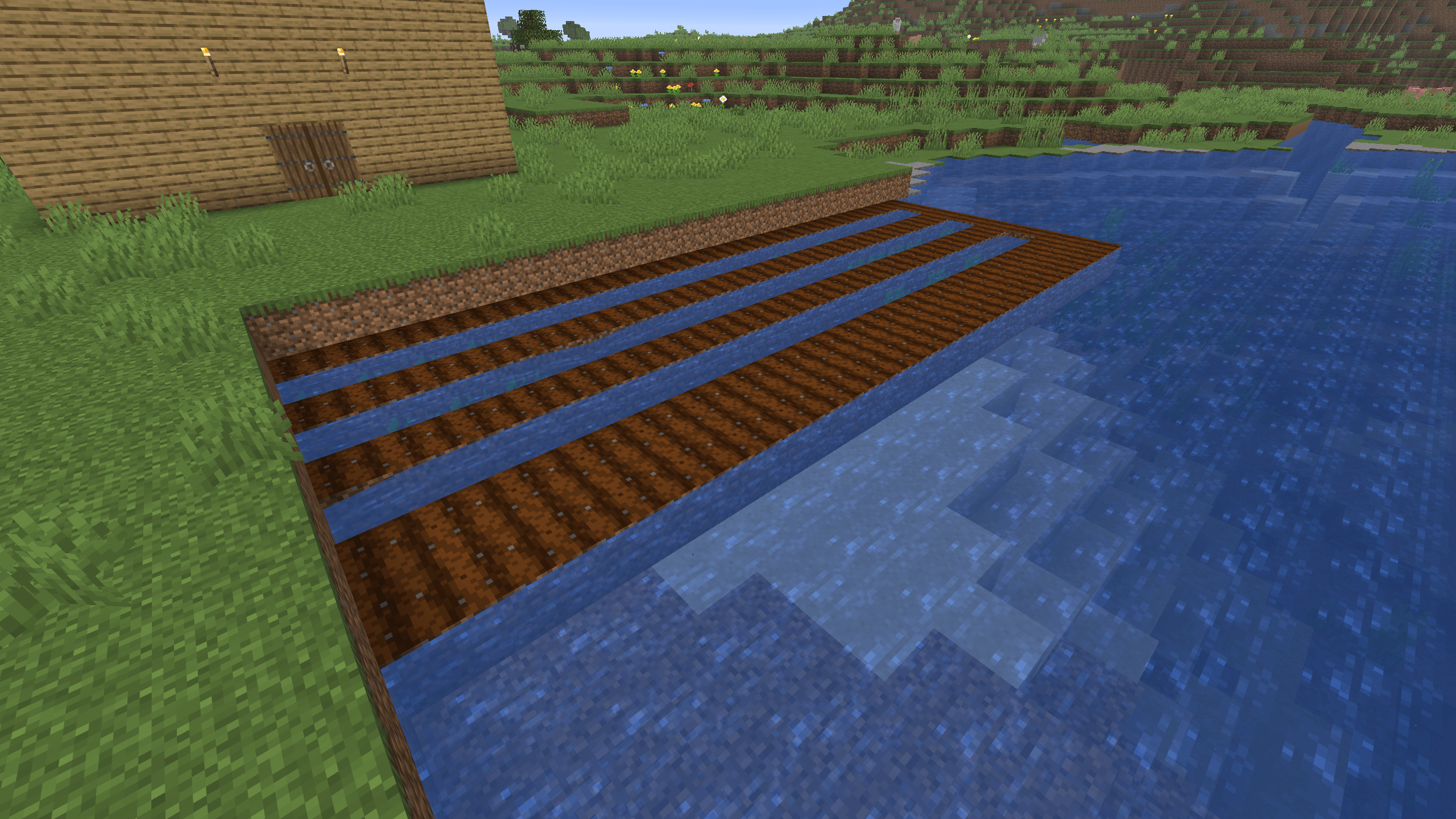
These blocks are useful for:
-
Terraforming
-
Building foundations
-
Creating paths
-
Farming
Grass blocks also allow crops to grow when converted to farmland, making them essential for long-term survival.
Passive Animal Resources
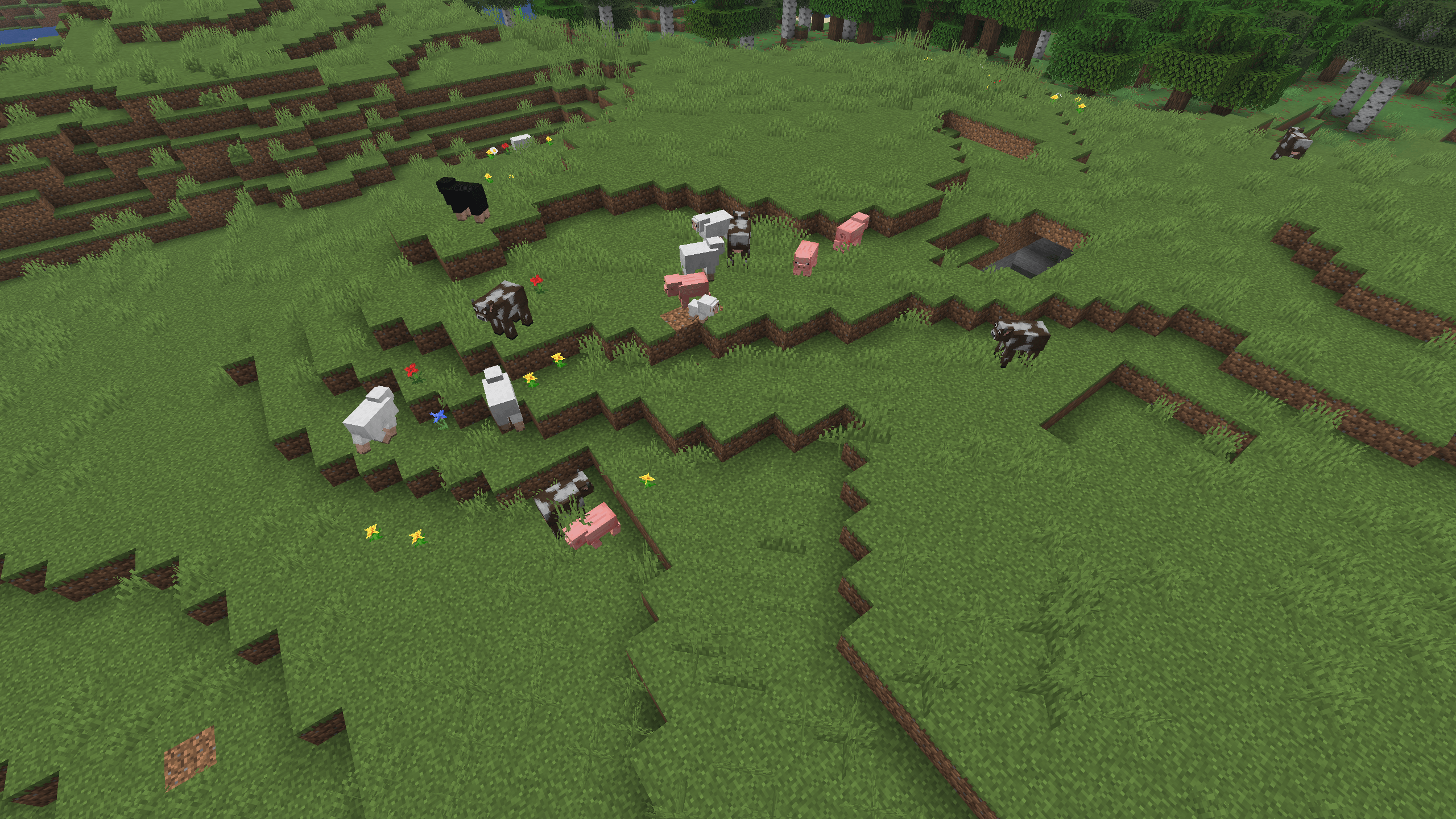
One of the biggest advantages of the Plains biome is the number of passive Mobs that spawn naturally. These mobs provide renewable resources that support survival from day one.
Food Resources From Animals
Plains biomes commonly spawn:
-
Cows
-
Sheep
-
Pigs
-
Chickens
These animals provide:
-
Beef, mutton, porkchops, and chicken for food
-
Easy early hunger management
Food security is rarely a problem in Plains biomes, which is why they are recommended for beginners.
Leather and Wool
Cows and sheep provide important crafting materials.
Leather is used for:
-
Books
-
Item frames
-
Enchanting setups
Wool is used for:
-
Beds
-
Decoration
-
Redstone mechanics
Being able to craft a bed early is a major survival advantage, and Plains biomes make this easy.
Horses and Donkeys
Horses and donkeys are valuable mobility resources found in Plains biomes.
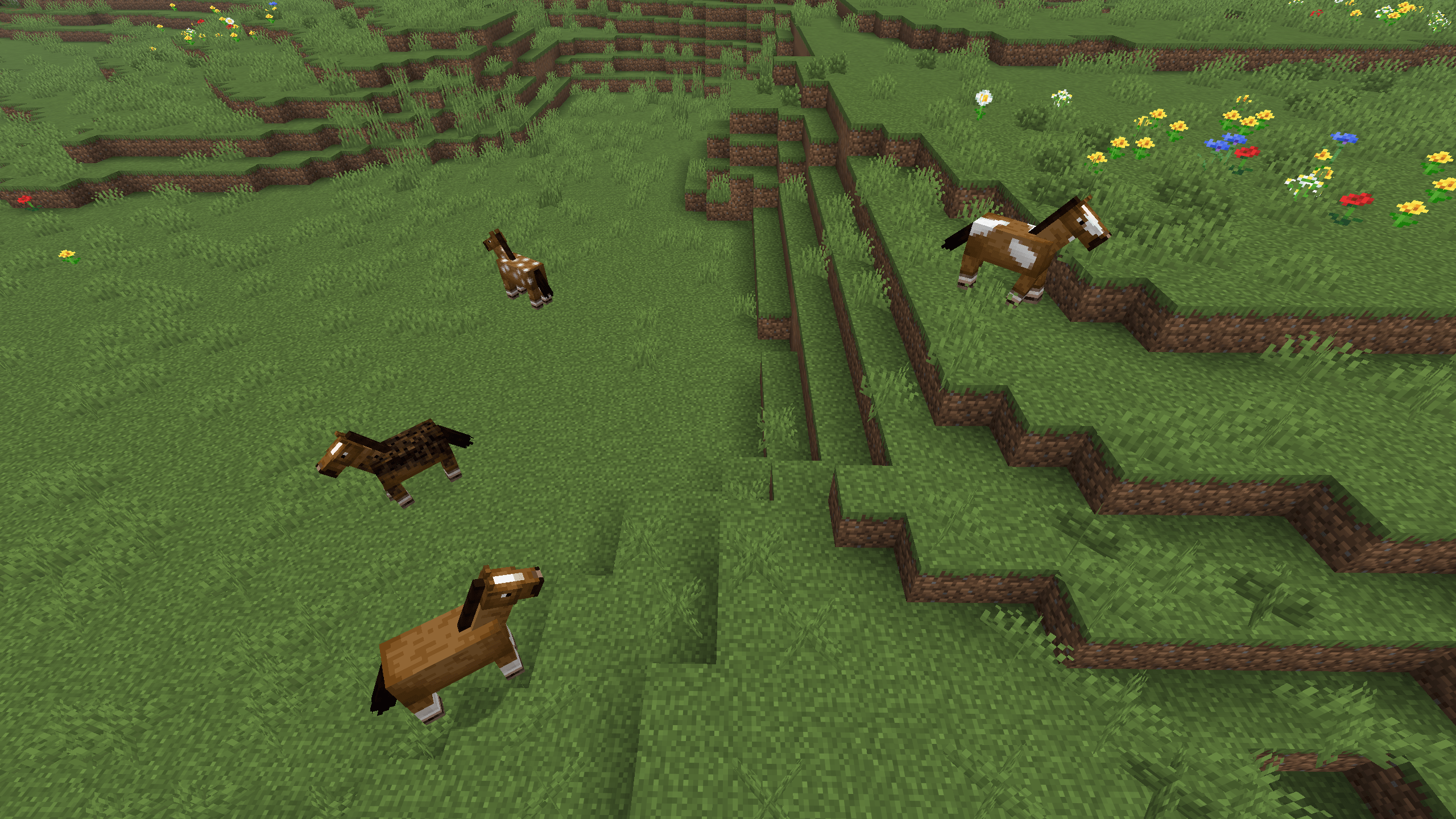
They provide:
-
Faster travel
-
Easier exploration
-
Chest storage (donkeys)
Because of the flat terrain, Plains biomes are one of the best places to find and use horses effectively.
Plant-Based Resources in Plains Biomes
Plants may seem basic, but they play a big role in survival.
Seeds and Crops
Breaking grass in Plains biomes yields seeds, which are essential for farming.
Seeds are used to grow:
-
Wheat
-
Food sources
-
Animal breeding supplies
Once farming is established, food becomes fully renewable.
Flowers and Decorative Plants
Plains biomes generate many flowers, which can be used for:
-
Dyes
-
Decoration
-
Bee attraction
While not essential for survival, these resources support crafting and building creativity.
Village Resources in Plains Biomes
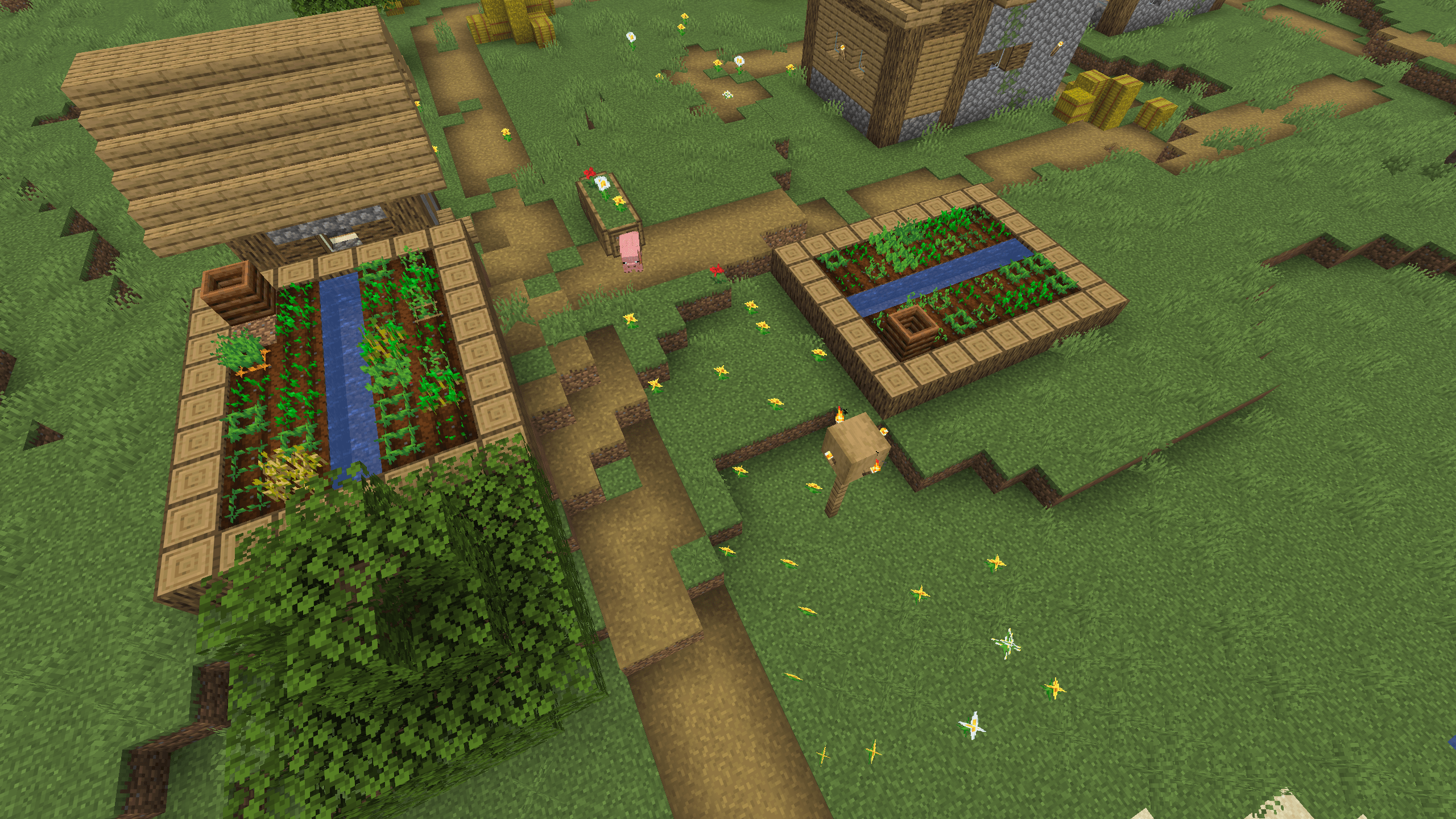
Plains biomes have one of the highest chances of village generation, making them extremely resource-rich.
Crops and Food From Villages
Plains Villages often include farms with:
-
Wheat
-
Carrots
-
Potatoes
Villages also contain food in chests, helping players survive early days without farming.
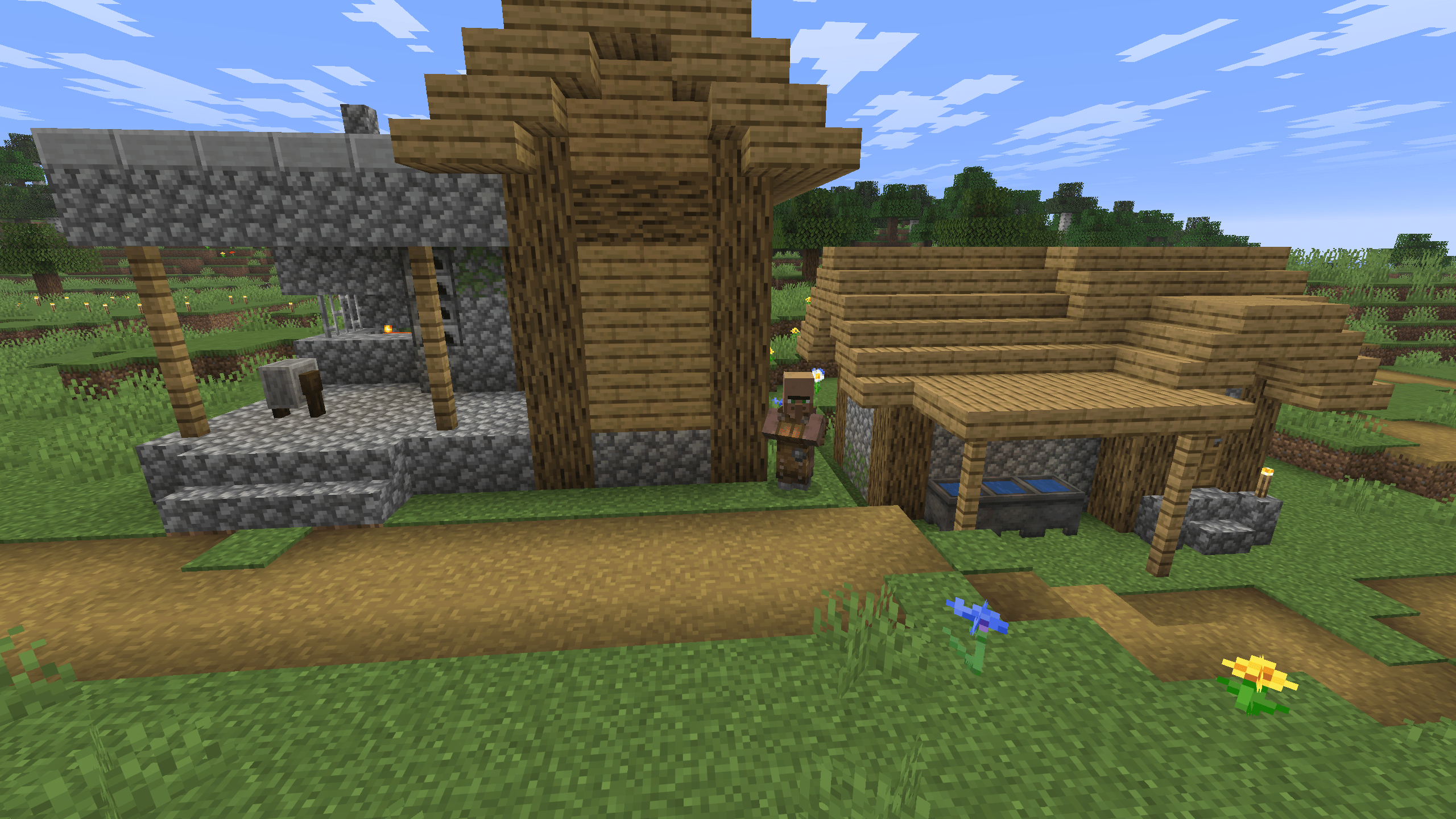
Workstations and Crafting Blocks
Villages provide useful blocks such as:
-
Blast furnaces
-
Grindstones
-
Lecterns
-
Smithing tables
These save time and resources early in the game.
Villagers and Trading Resources
Villagers are one of the most valuable resources in the game.
Trading provides:
-
Emeralds
-
Enchanted books
-
Tools and armor
A Plains village can become the backbone of a long-term survival world.
Underground Resources Beneath Plains Biomes
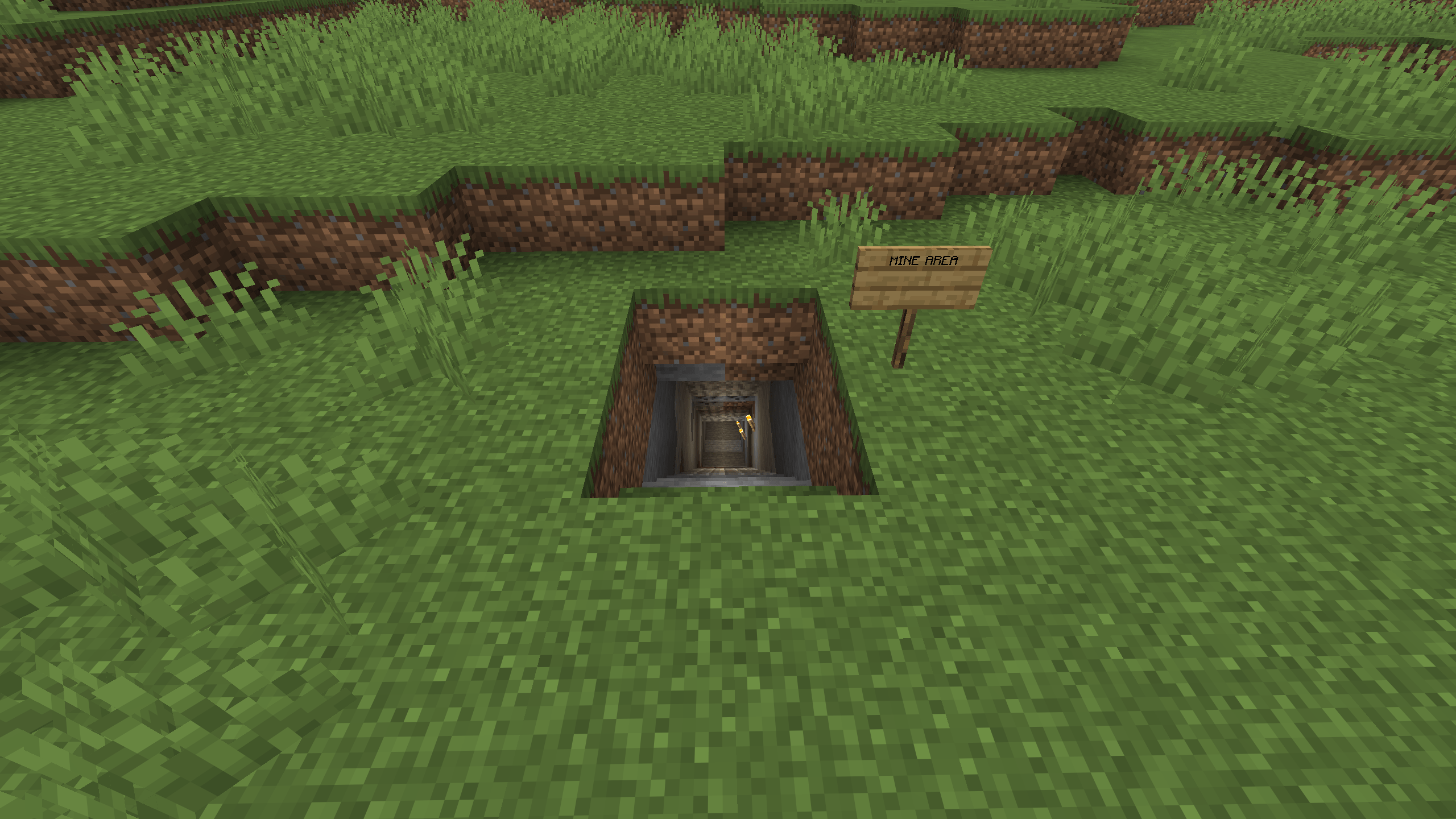
While Plains biomes don’t have unique surface blocks, they sit above the same valuable underground resources as other biomes.
Stone and Building Materials
Digging beneath Plains biomes provides:
-
Stone
-
Cobblestone
-
Deepslate
These materials are essential for tools, furnaces, and building.
Ores Found Under Plains Biomes
Plains biomes contain all standard overworld ores, including:
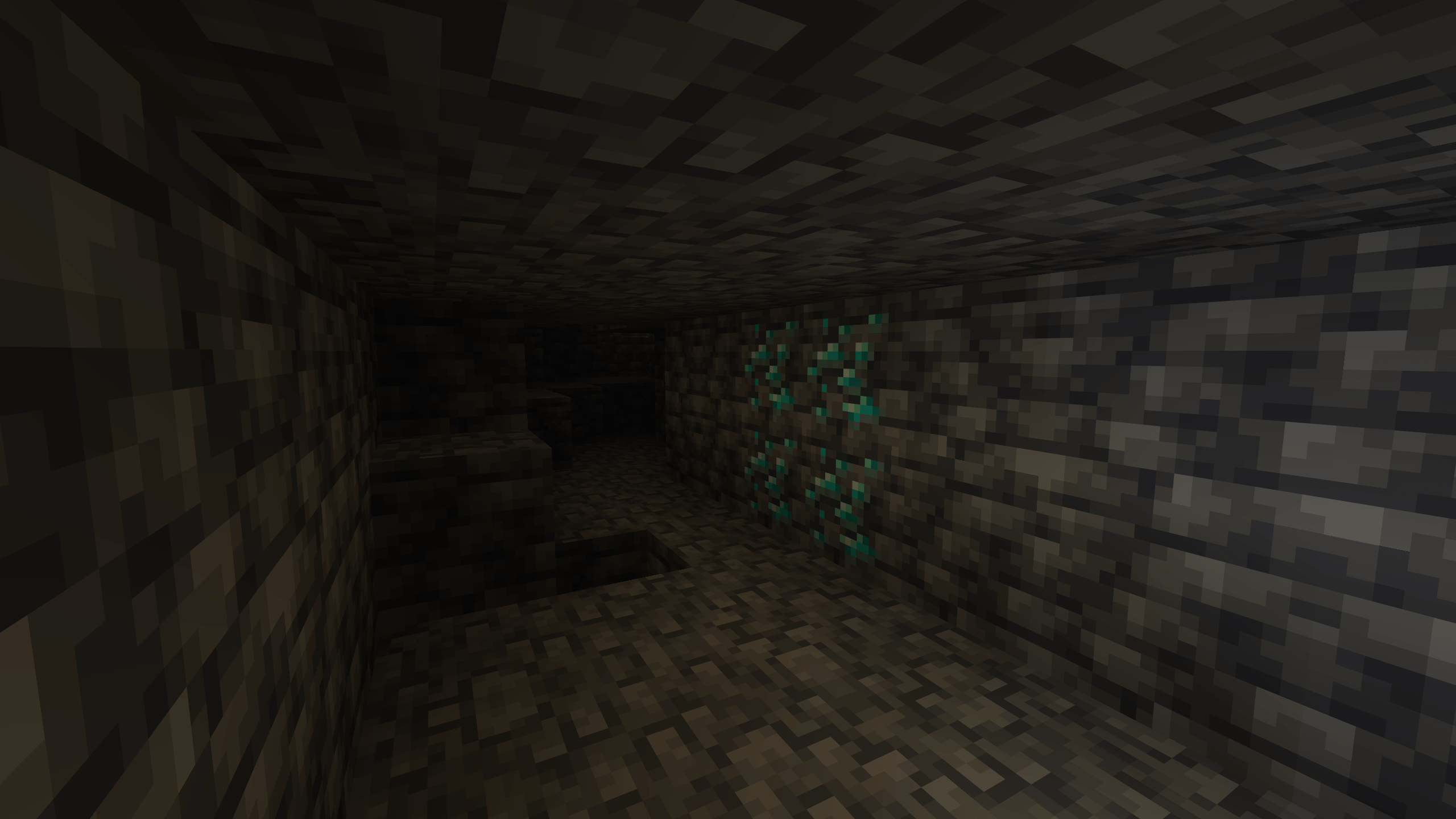
- Coal
-
Iron
-
Copper
-
Gold
-
Redstone
-
Diamonds
Because the surface is flat, setting up mining entrances is easier and safer compared to mountainous biomes.
Coal and Iron for Early Progression
Coal and iron are especially important early on.
Coal is used for:
-
Torches
-
Smelting
Iron is used for:
-
Tools
-
Armor
-
Buckets
Plains biomes allow players to mine efficiently without worrying about falling or difficult terrain.
Water and River Resources
Plains biomes often generate near rivers or small ponds.
Water is essential for:
-
Farming
-
Animal breeding
-
Transportation
-
Safety
Having water nearby makes Plains even more valuable as a Base Location.
Redstone and Technical Resources
Redstone resources are found underground and are easier to use in Plains biomes due to flat land.
Plains biomes are ideal for:
-
Redstone farms
-
Storage systems
-
Automation builds
This makes them popular among technical players.
Why Plains Resources Support Long-Term Survival
Plains biomes don’t specialize in rare materials, but they excel at consistency.
They provide:
-
Reliable food
-
Easy building materials
-
Strong villager access
-
Full underground resource availability
This makes Plains one of the Best Biomes for long-term survival worlds.
Common Mistakes Players Make in Plains Biomes
Some players underestimate Plains resources.
Common mistakes include:
-
Ignoring villages
-
Overhunting animals early
-
Not setting up farms
-
Delaying mining
Using Plains resources wisely leads to smoother progression.
Final Thoughts
The Plains biome may look simple, but it offers one of the most complete resource packages in Minecraft. Food, animals, villages, farming space, and underground ores all come together to support survival from the first day to late-game projects.
If you’re looking for a biome that provides reliable resources without unnecessary risk, the Plains biome is one of the best choices in the game.
Sometimes the strongest biomes are the ones that quietly give you everything you need.