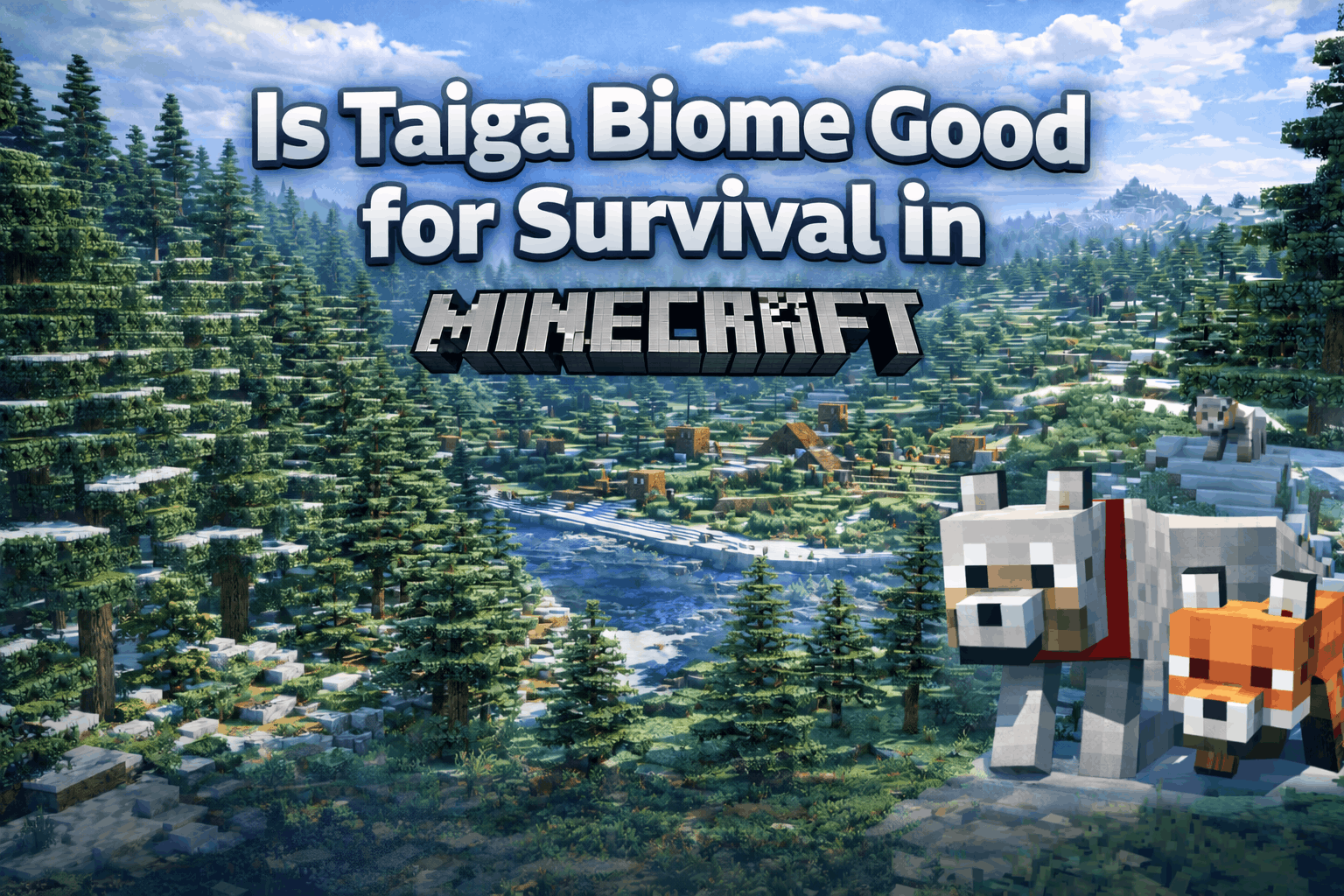
Yes, the Taiga Biome is good for survival—but it is not the easiest biome to start in.
Taiga offers strong long-term survival potential, excellent building opportunities, and reliable resources, but early survival can feel challenging if you are unprepared. Compared to beginner-friendly biomes like Plains or Forest, Taiga demands more planning, especially at night and during winter conditions.
This guide explains exactly when Taiga is good for survival, when it is not, and who should choose it.
What Makes the Taiga Biome Unique for Survival?
Taiga is a cold forest biome dominated by spruce trees, podzol, snow, and dense terrain. It feels calm and immersive, but survival here is shaped by visibility, weather, and forest density rather than open space.
Key traits that affect survival:
-
Tall spruce forests block light
-
Snow and ice reduce mobility
-
Wolves provide defense
-
Villages can generate
-
Farming is slower early game
Taiga survival is about control and preparation, not speed.
Early Game Survival in the Taiga Biome
Is Taiga Hard at the Start?
Yes, early survival in Taiga is moderately difficult.
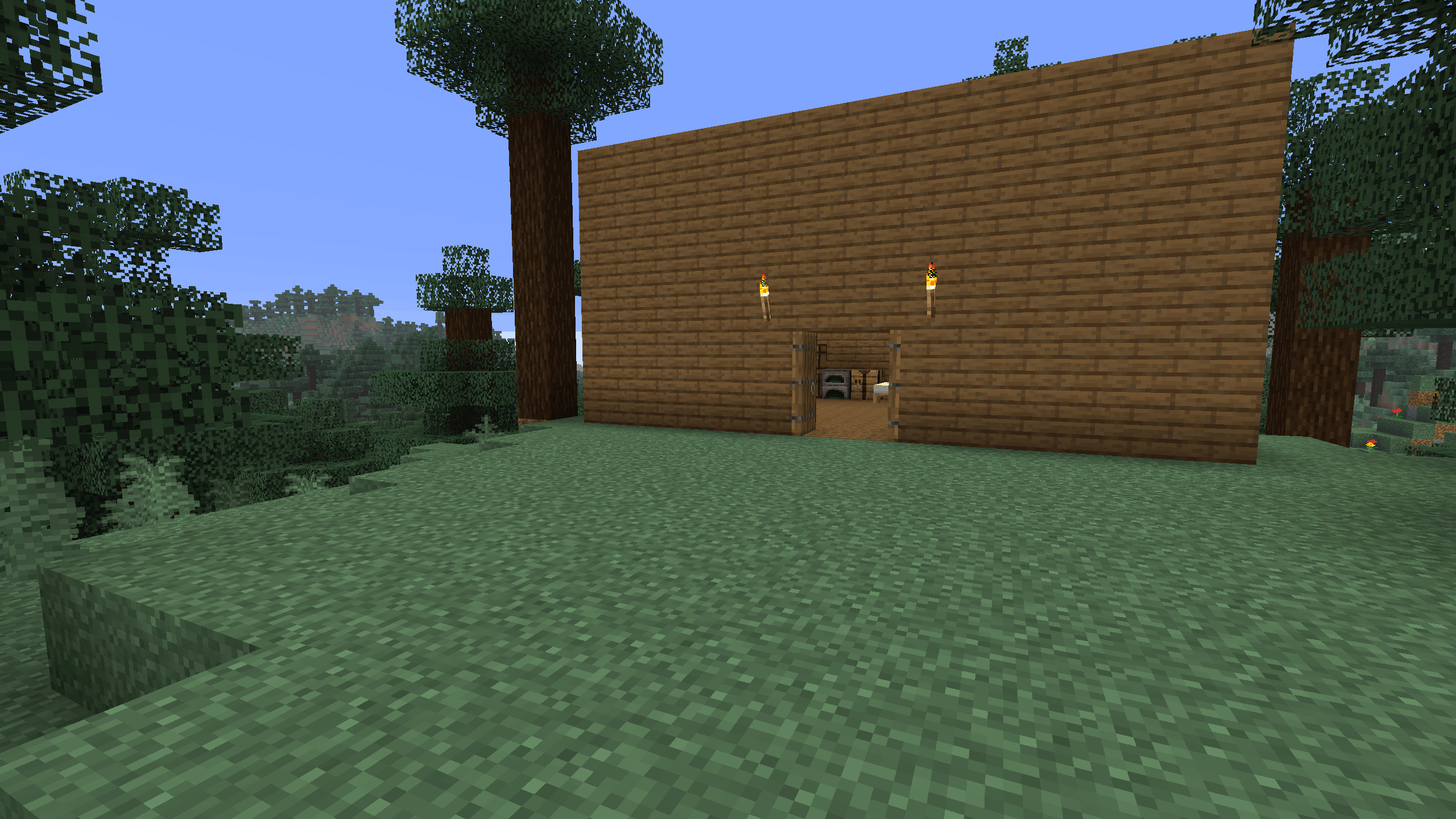
Why Early Taiga Survival Is Challenging
-
Dense trees create dark areas quickly
-
Snow reduces contrast and visibility
-
Fewer animals compared to Plains
-
Farming requires clearing snow
Players who delay building a shelter often struggle during the first night.
Early Survival Tips That Matter
-
Build a shelter before nightfall
-
Clear trees near your base
-
Place torches aggressively
-
Avoid wandering at night
If you secure a bed early, Taiga becomes manageable very quickly.
Food Availability in the Taiga Biome
Is Food Hard to Find?
Food is not scarce, but it is less convenient than in Plains.
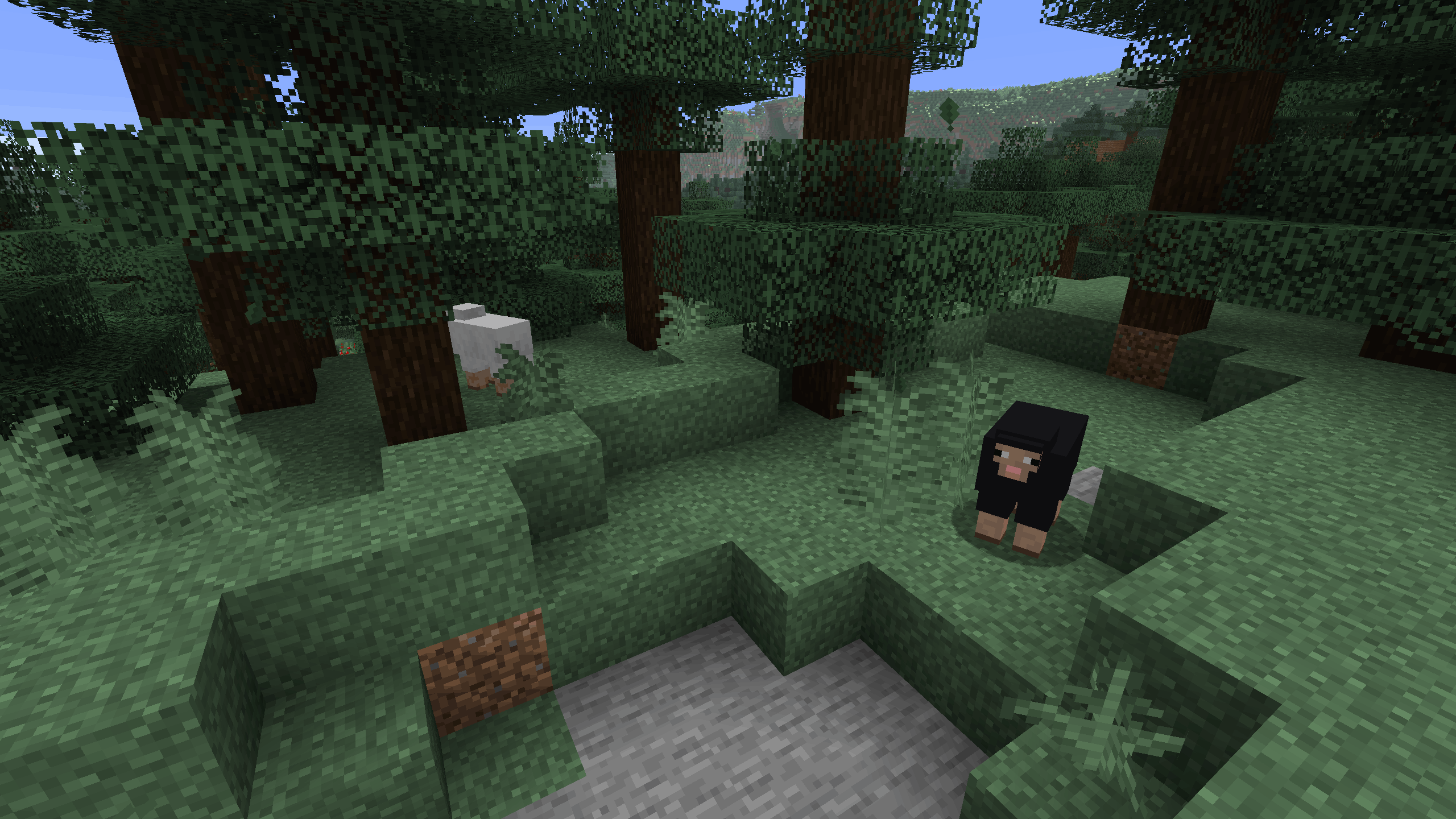
Common Food Sources
-
Rabbits (frequent)
-
Fish (rivers and frozen lakes)
-
Sheep, pigs, cows (spawn inconsistently)
Rabbit meat helps early but is inefficient long-term. Fishing is often the most reliable early solution.
Farming in Taiga
-
Crops work normally once snow is cleared
-
Early farms are slower to set up
-
Animal farming is more effective than crop farming early
Once a basic farm is established, food stops being an issue.
Wood and Building Resources
One of Taiga’s Biggest Strengths
Spruce wood is abundant and renewable.
Benefits:
-
Unlimited spruce logs
-
Spruce planks fit survival builds
-
Ideal for cabins, forts, and villages
Taiga is one of the Best Biomes for long-term building due to consistent access to wood.
Are Wolves a Real Survival Advantage?
Yes. Wolves are one of Taiga’s biggest survival benefits.
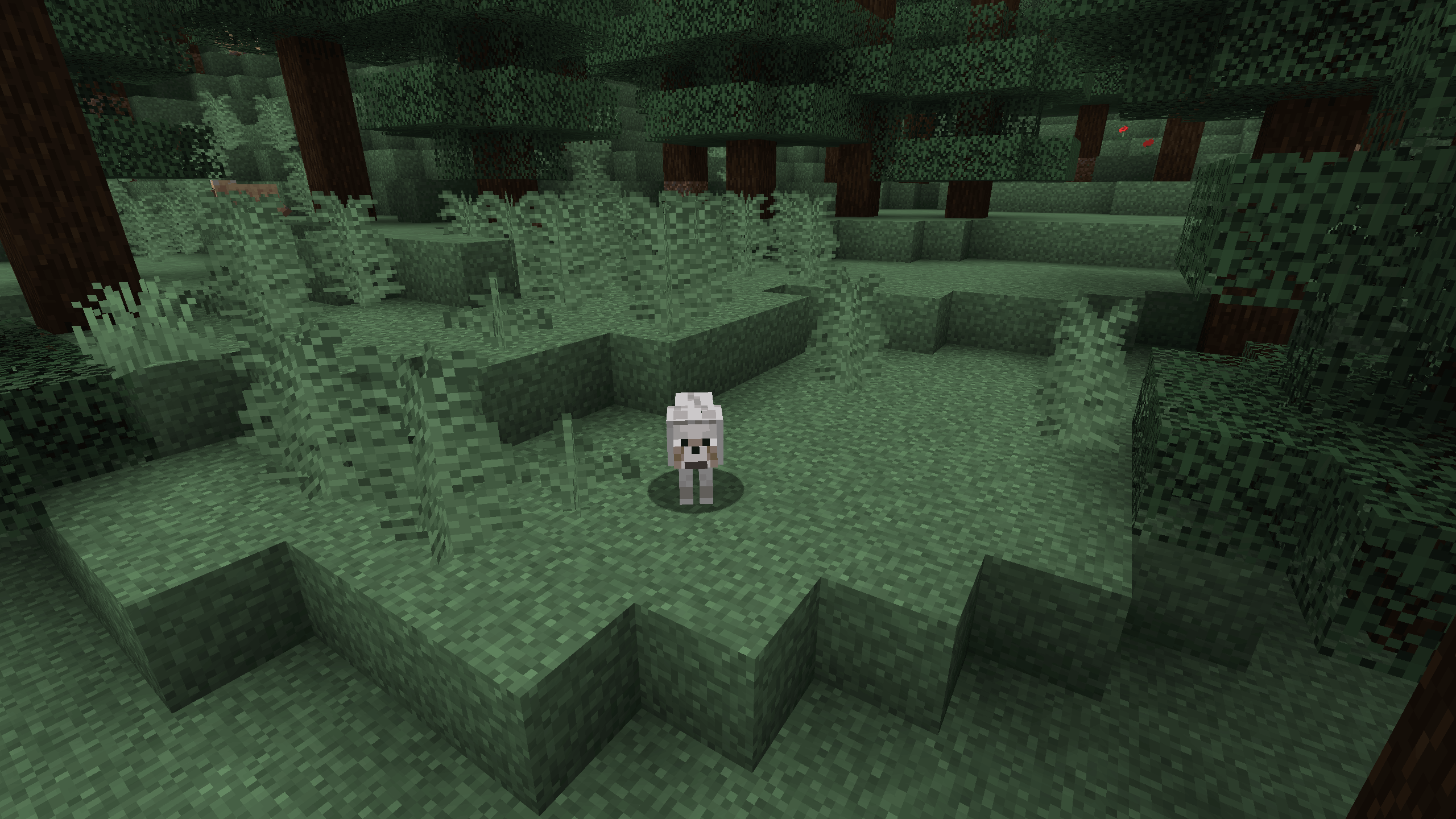
Why Wolves Matter
-
Easy to tame
-
Protect against mobs
-
Patrol base areas
-
Excellent early defense
A small pack of wolves dramatically reduces early survival difficulty.
Mob Danger in the Taiga Biome
Is Taiga More Dangerous Than Plains?
Yes—mainly because of visibility, not stronger mobs.
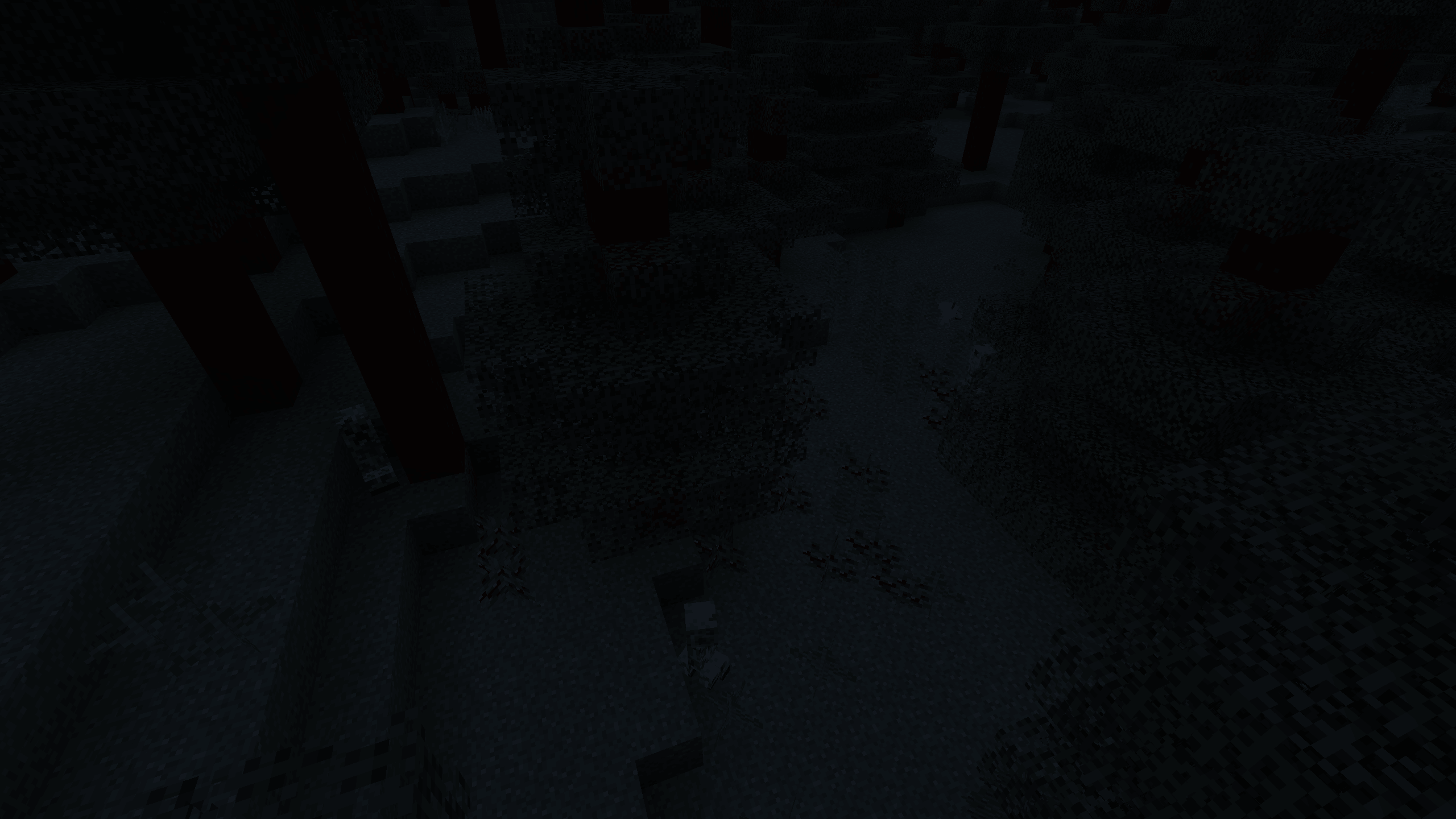
Why Mobs Are Riskier
-
Trees block moonlight
-
Snow makes hostile mobs harder to spot
-
Forest floor has uneven terrain
Mobs spawn closer to bases if lighting is poor.
How to Reduce Mob Risk
-
Clear trees near base
-
Use slabs and paths
-
Light vertically (not just flat)
Taiga becomes safe once you control lighting.
Powder Snow: A Taiga-Specific Risk
In snowy variants, Powder Snow is one of the biggest dangers.
Why It’s Dangerous
-
You fall through silently
-
Health drains slowly
-
Easy to miss while exploring
How to Counter It
-
Wear leather boots
-
Carry blocks
-
Avoid unknown snow patches
This danger is manageable once you know it exists.
Do Villages Spawn in the Taiga Biome?
Yes, Taiga villages can spawn naturally.
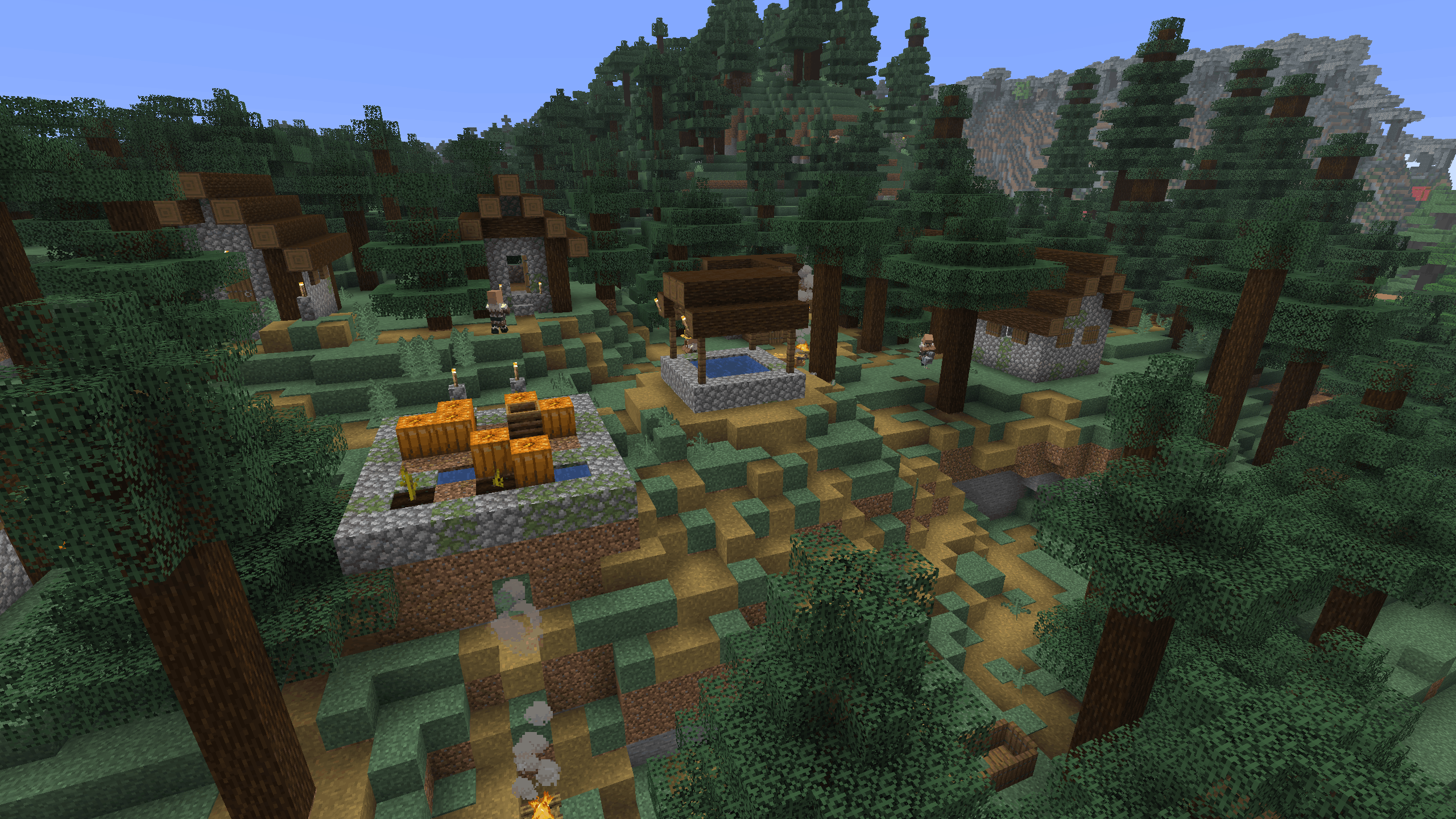
Taiga Village Characteristics
-
Built with spruce and stone
-
Compact layouts
-
Smaller farms
-
Often surrounded by trees
They require lighting upgrades but offer:
-
Beds
-
Villagers
-
Early trading
-
Food sources
Villages greatly improve Taiga survival if secured early.
Mining and Underground Survival
Is Mining Good in Taiga?
Yes. Taiga has no mining disadvantages.
Benefits:
-
Easy cave access
-
Normal ore generation
-
Frozen rivers often expose caves
Underground expansion works extremely well in Taiga and avoids surface mob risks.
Mid-Game Survival: Where Taiga Shines
Once food, lighting, and shelter are secured, Taiga becomes very stable.
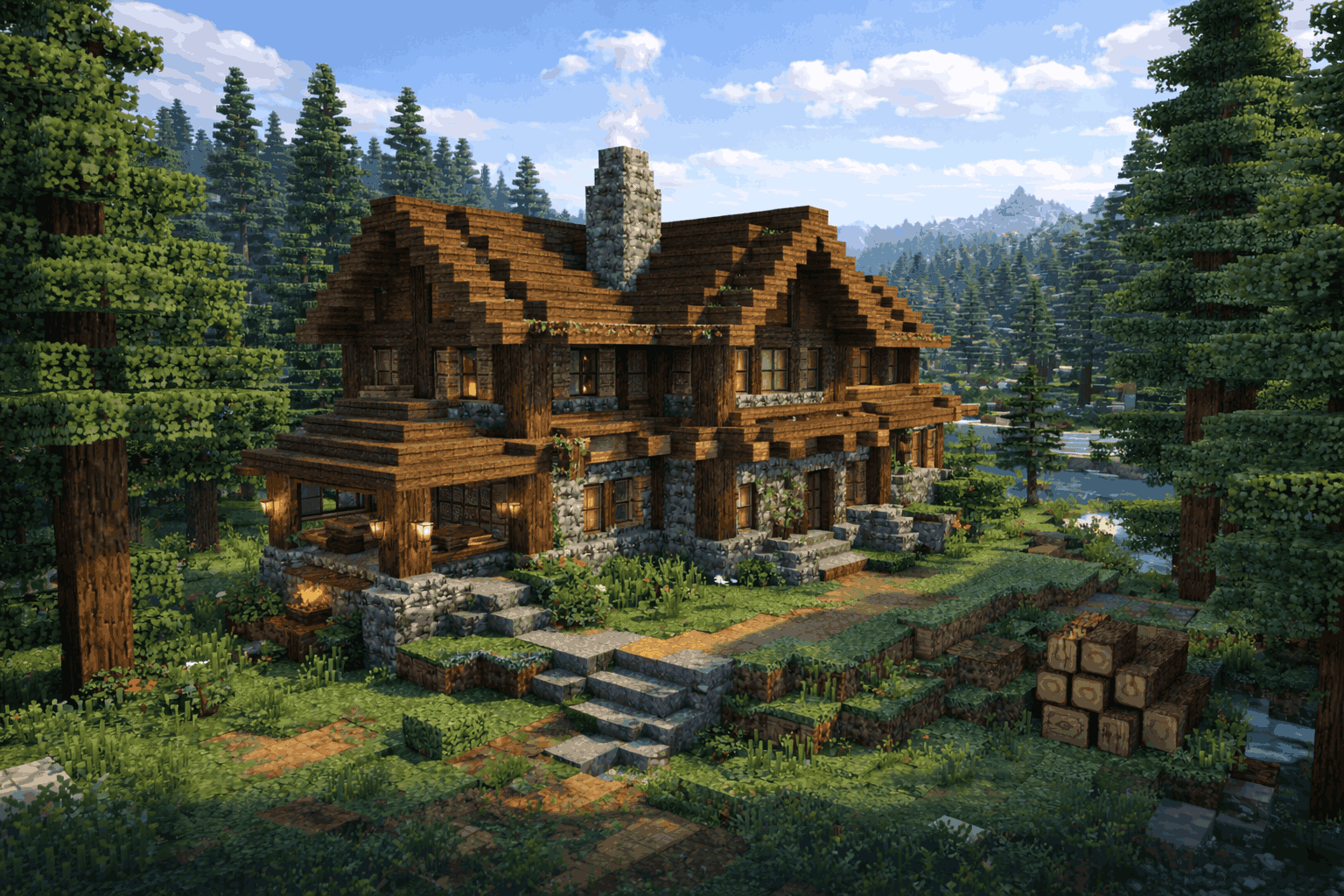
Mid-game advantages:
-
Large base space
-
Easy villager setups
-
Safe animal farms
-
Strong defensive terrain
This is where Taiga overtakes easier biomes in quality.
Late-Game Survival and Mega Bases
Taiga is excellent for long-term worlds.
Why late-game players love Taiga:
-
Massive build space
-
Natural atmosphere
-
Fits medieval and rustic builds
-
Easy to expand vertically or underground
Taiga supports:
-
Mega bases
-
Custom villages
-
Fortress builds
Taiga vs Other Survival Biomes
Taiga vs Plains
-
Plains: easier early game
-
Taiga: stronger long-term potential
Taiga vs Forest
-
Forest: better early farming
-
Taiga: better atmosphere and defense
Taiga vs Snowy Plains
-
Taiga: more resources and wildlife
-
Snowy Plains: harsher and flatter
Taiga is the balanced choice among cold biomes.
Is Taiga Good for Beginners?
Short Answer: Not Ideal, But Possible
Beginners can survive in Taiga, but:
-
Plains is easier
-
Forest is more forgiving
Taiga suits players who:
-
Learn quickly
-
Build early
-
Avoid night exploration
Is Taiga Good for Hardcore Mode?
Yes—if played carefully.
Hardcore tips:
-
Secure bed early
-
Use wolves
-
Avoid powder snow
-
Go underground early
Once established, Taiga is surprisingly safe for Hardcore.
Who Should Choose the Taiga Biome?
Taiga Is Perfect If You:
-
Want a long-term survival world
-
Enjoy building immersive bases
-
Like balanced difficulty
-
Prefer forests over flat land
Avoid Taiga If You:
-
Want instant farming
-
Prefer flat terrain
-
Dislike snow mechanics
Final Verdict: Is Taiga Biome Good for Survival?
Yes — Taiga is good for survival, especially for long-term worlds.
It is:
-
Harder than Plains early
-
Safer than it looks mid-game
-
Excellent for late-game survival
Taiga rewards smart planning, patience, and preparation.
If you enjoy survival worlds that evolve over time rather than instant comfort, Taiga is one of the best biomes you can choose in Minecraft.