The Forest Biome is one of the most common Biomes in Minecraft—and also one of the most underrated. Many players pass through forests without thinking twice, assuming it’s just a starting area before finding something “better.” But is that really true?
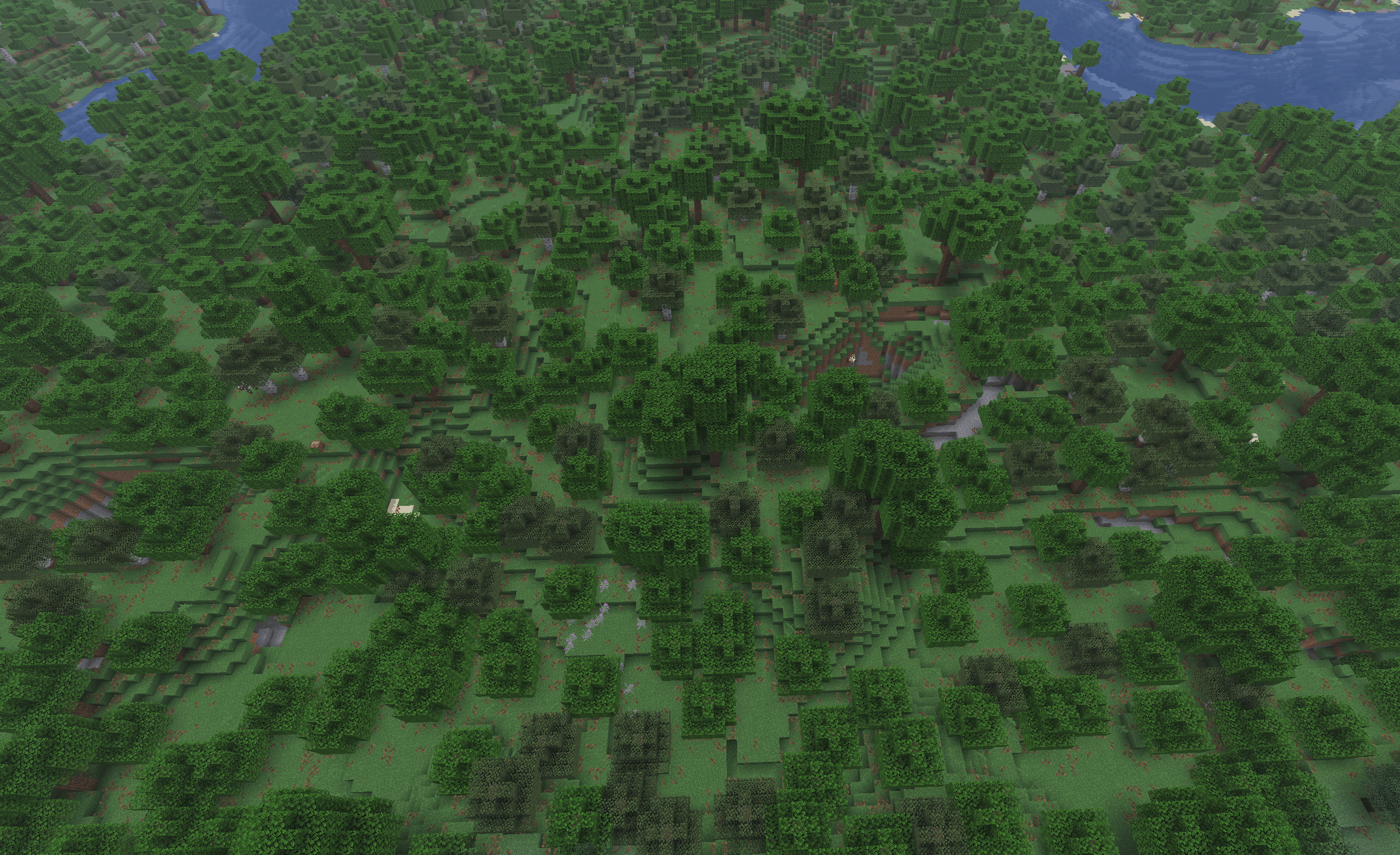
If you’re wondering whether the Forest biome is good for survival, the short answer is: yes, absolutely. In fact, for many players, forests are one of the safest and most practical biomes to live in—especially in the early and mid game.
In this guide, we’ll break down the advantages, disadvantages, and survival strategies of the Forest biome, so you can decide if it’s the right place to build your base.
What Is the Forest Biome in Minecraft?
The Forest biome is a lush, green biome filled with:
-
Oak and birch trees
-
Grass, flowers, and mushrooms
-
Passive mobs like cows, sheep, pigs, and chickens
-
Nearby rivers and Plains Biome (often)
There are also multiple forest variants, including:
-
Birch Forest
-
Dark Forest
-
Flower Forest
Each variant offers slightly different benefits, but overall, forests share the same core survival advantages.
Why the Forest Biome Is Great for Survival
1. Unlimited Wood Supply
Wood is one of the most important resources in Minecraft, and forests provide it in abundance.
You get:
-
Easy access to oak or birch wood
-
Infinite fuel for furnaces
-
Planks for tools, chests, and buildings
Unlike Desert Biome or snowy biomes, you never have to worry about running out of basic materials.
For early survival, this alone makes forests extremely reliable.
2. Easy Food Sources
Food is never a problem in the Forest biome.
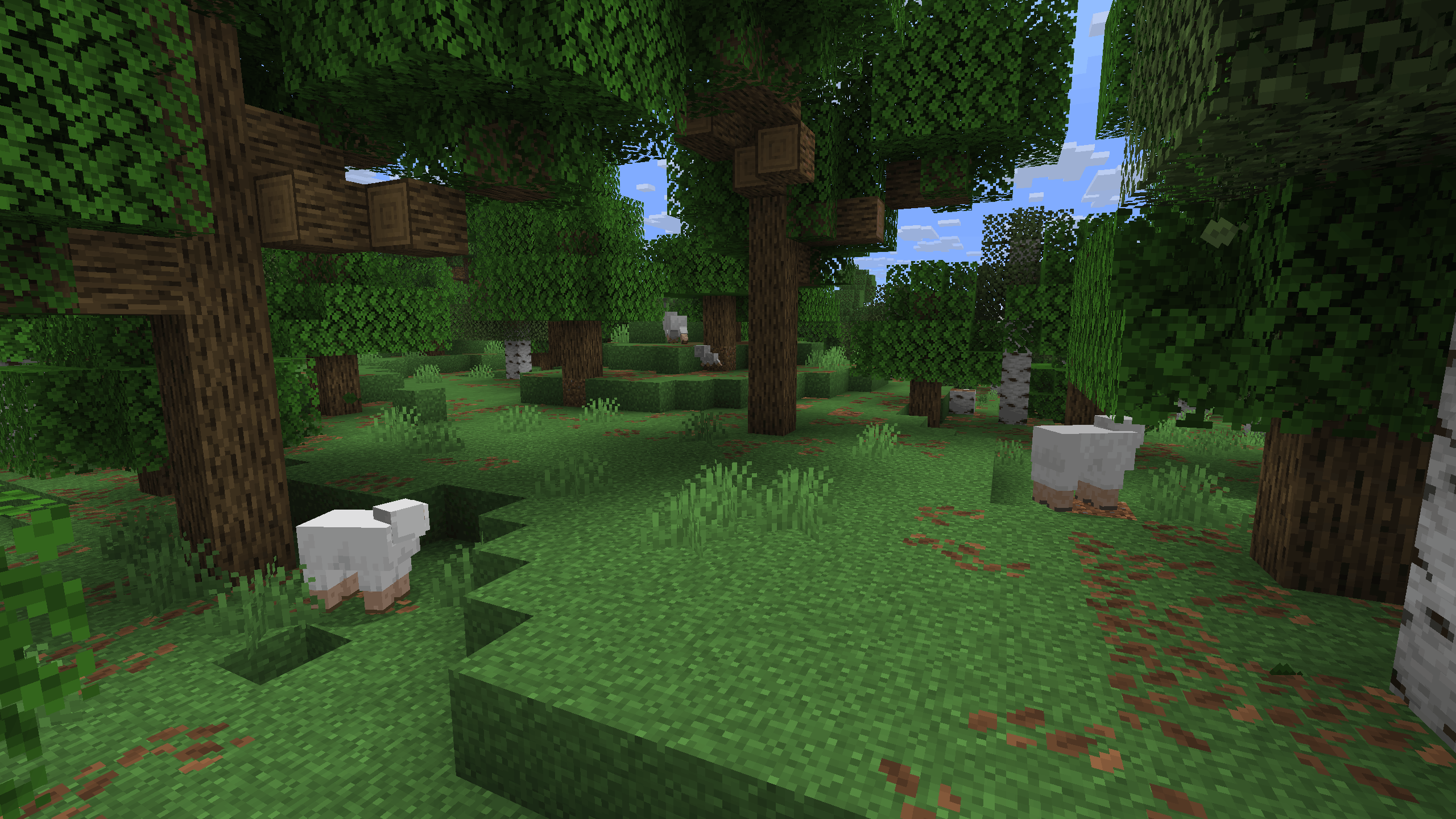
You’ll commonly find:
-
Cows (leather + beef)
-
Sheep (wool + mutton)
-
Pigs (porkchops)
-
Chickens (eggs + feathers)
This makes it easy to:
-
Set up animal farms
-
Collect leather for bookshelves
-
Maintain stable hunger levels
Compared to harsher biomes, forests are very beginner-friendly when it comes to food.
3. Safe and Familiar Terrain
Forest terrain is generally:
-
Flat or gently hilly
-
Easy to navigate
-
Good for building starter bases
You don’t have to deal with extreme cliffs, lava lakes everywhere, or dangerous weather conditions.
This makes forests ideal for:
-
First-time players
-
Hardcore mode (with proper lighting)
-
Long-term survival worlds
4. Strong Connection to Other Biomes
Forests often generate next to:
-
Plains
-
Rivers
-
Mountains
-
Swamps
This gives you easy access to:
-
Sugarcane from rivers
-
Clay and fish
-
Different mobs and resources
A forest base often becomes a central hub, connecting multiple biomes without long travel.
Disadvantages of the Forest Biome
While forests are great, they are not perfect. Let’s be honest about the downsides.
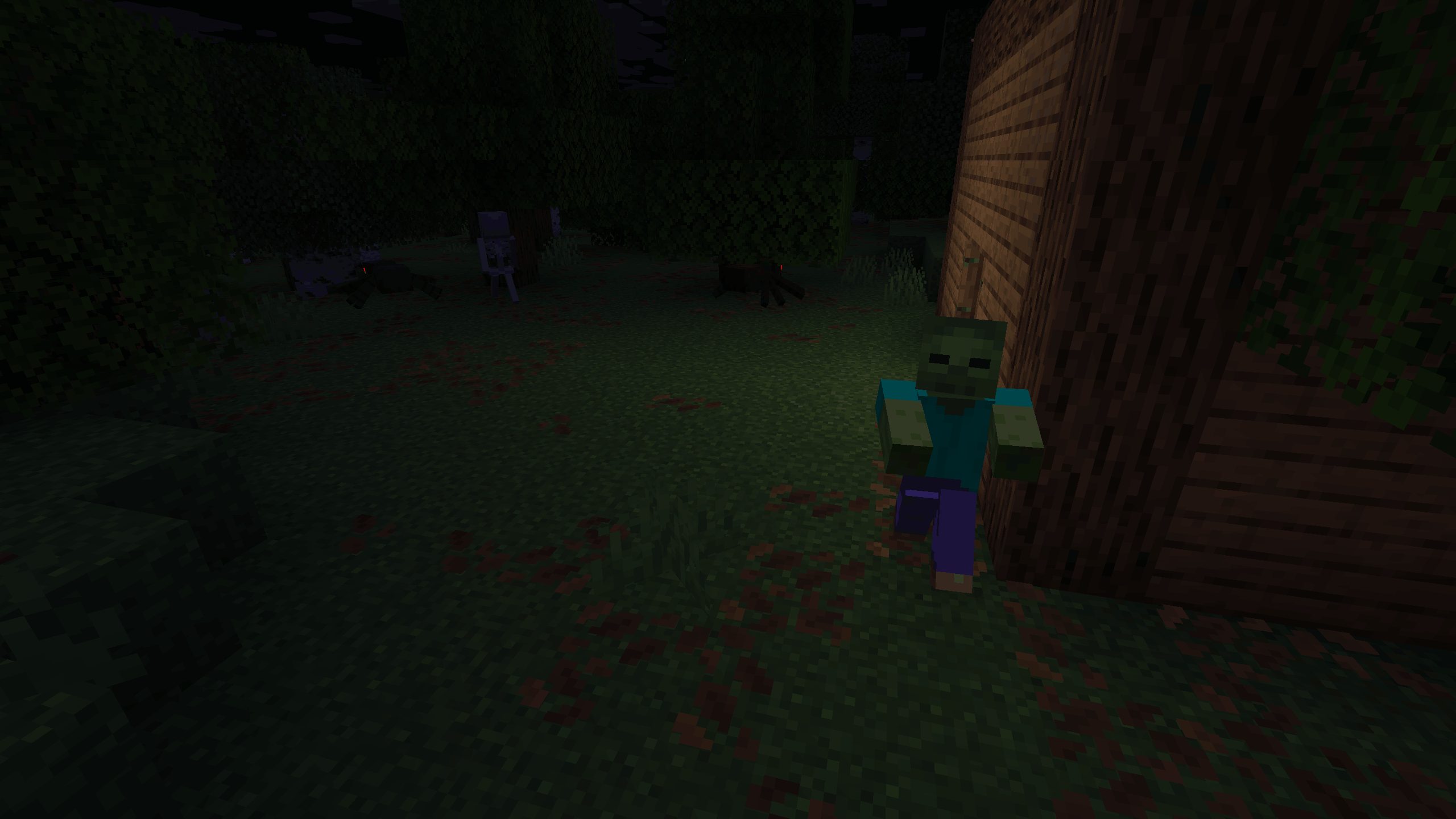
1. Higher Mob Spawns at Night
Because forests have:
-
Dense trees
-
Shadows
-
Tall grass
Hostile mobs can spawn more easily at night compared to open biomes like deserts.
This means:
-
You must light up your area properly
-
Clear trees near your base
-
Use slabs or torches frequently
This problem is manageable, but ignoring it can make nights dangerous.
2. Limited Rare Structures
Unlike deserts or oceans, forests do not naturally generate many valuable structures.
You usually won’t find:
-
Villages (less common than plains)
-
Ruins
However, Dark Forests can contain woodland mansions, which are rare and dangerous—but valuable.
Is Forest Biome Good for Early Survival?
Yes—the Forest biome is one of the best biomes for early survival.
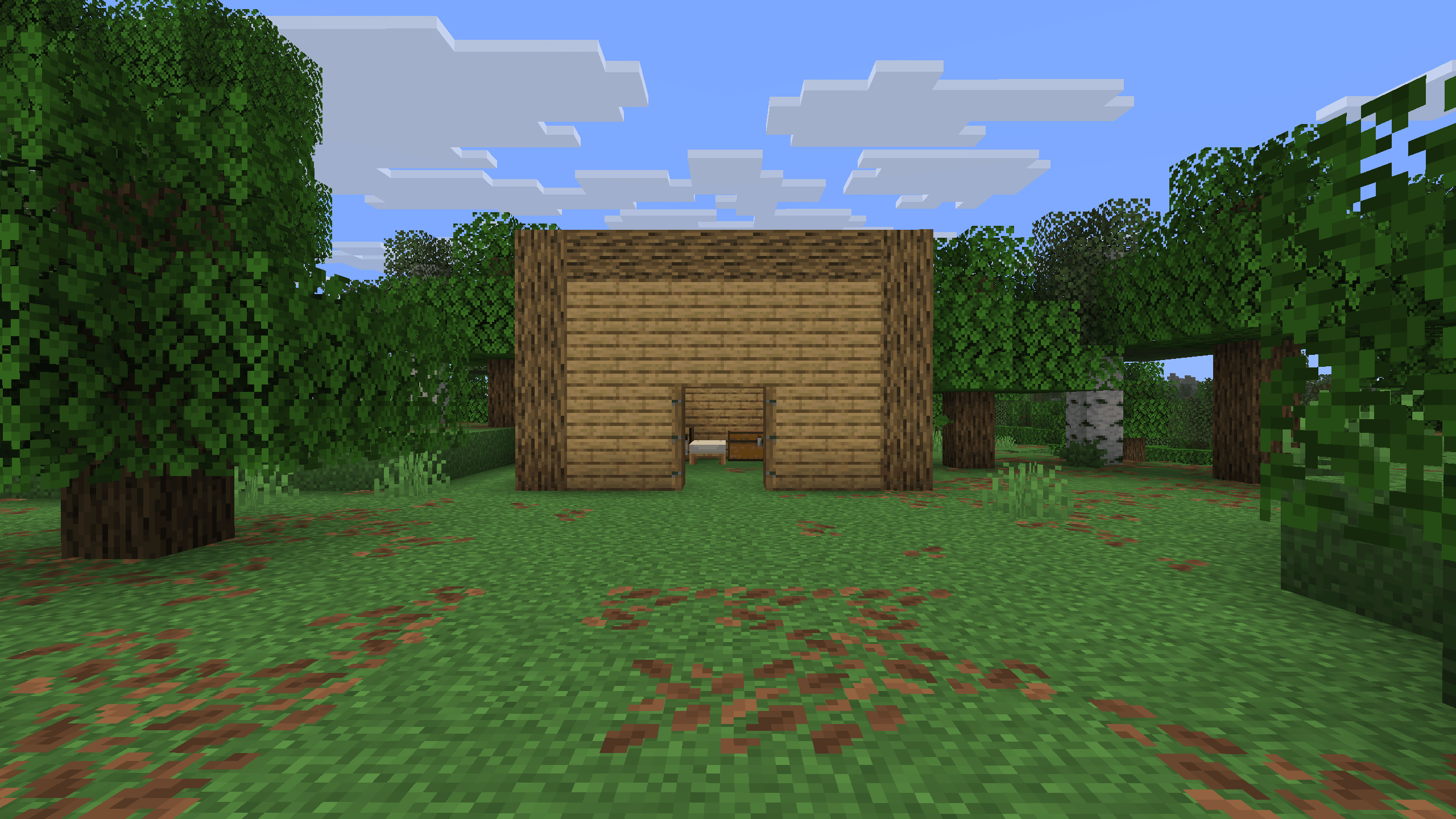
Here’s why:
-
You can craft tools immediately
-
Food is easy to obtain
-
Shelter is quick to build
-
Water is usually nearby
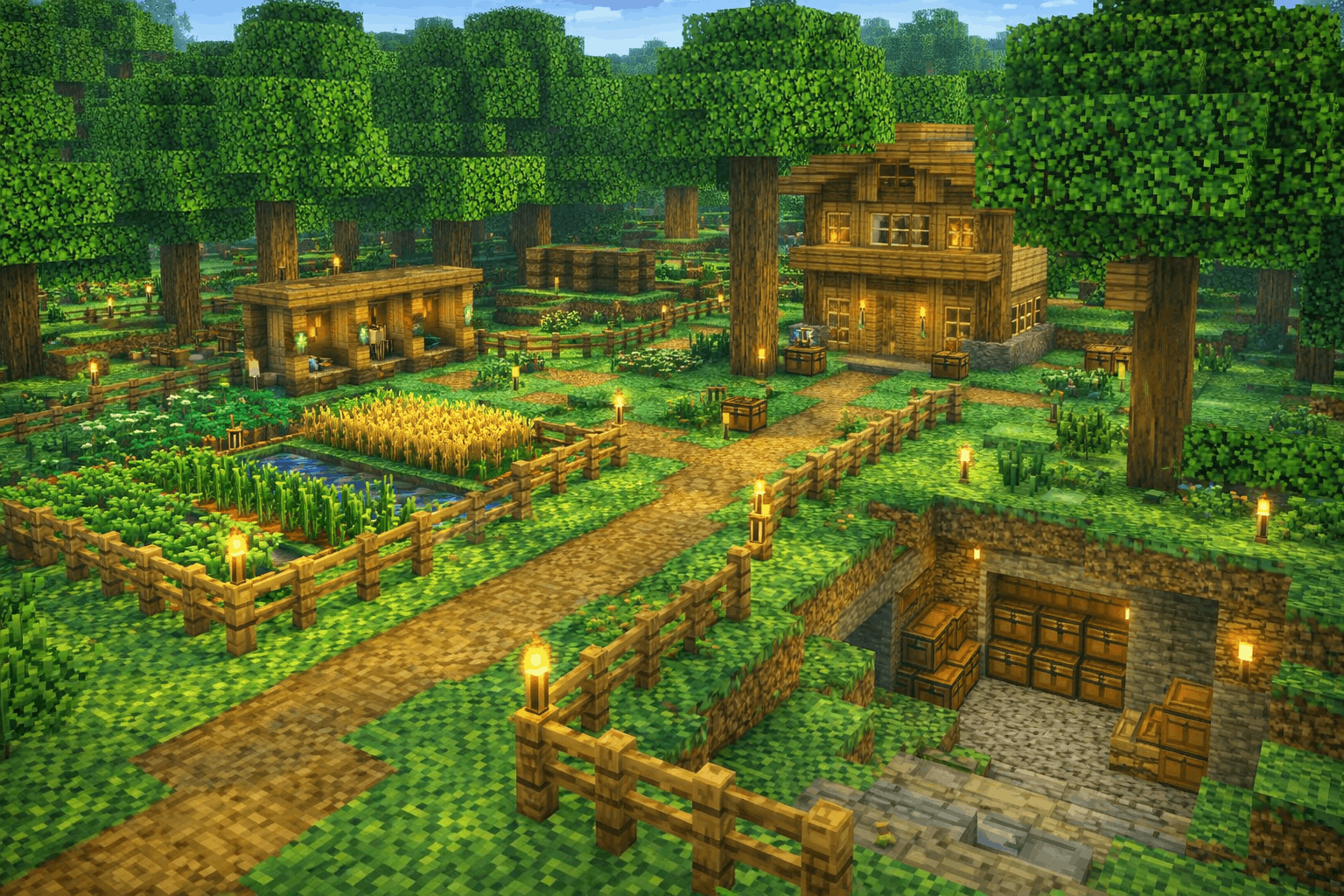
A simple starter base in a forest can include:
-
Wooden or stone house
-
Underground storage
-
Small wheat or animal farm
You can survive your first night easily if you block off entrances and place torches.
Forest Biome for Mid-Game Survival
In mid-game survival, forests continue to be useful.
You can:
-
Expand into a larger base
-
Build underground storage systems
-
Set up villager trading halls (if you transport villagers)
-
Create automatic farms
Forests also work well for:
-
Tree farms
-
Honey farms (bees spawn naturally)
-
XP farms (with nearby caves)
With proper planning, a forest base can support you for a long time.
Is the Forest Biome Good for Long-Term Bases?
Yes—but with some modifications.
To make a forest base work long-term, you should:
-
Clear trees around your main area
-
Flatten terrain for efficiency
-
Light everything properly
-
Use pathways to control mob spawning
Many players transform forests into:
-
Custom towns
-
Medieval villages
-
Nature-style bases
-
Underground mega bases
Forests offer flexibility and freedom in design.
Forest Biome vs Other Biomes (Quick Comparison)
Forest vs Desert
-
Forest: Better food & wood
-
Desert: Better building terrain & fewer mobs
Forest vs Plains
-
Forest: More wood, more cover
-
Plains: Safer at night, easier farms
Forest vs Snowy Biome
-
Forest: Easier survival
-
Snowy: Harder food access
Overall, forests are more balanced than most biomes.
Best Forest Variants for Survival
Birch Forest
-
Bright and open
-
Fewer dark areas
-
Great for building
Flower Forest
-
Beautiful visuals
-
Bees spawn naturally
-
Excellent for aesthetic bases
Dark Forest
-
Harder to survive early
-
Good for mushroom farming
-
Access to woodland mansions
For beginners, Birch and normal Forest biomes are the best choice.
Tips for Surviving in a Forest Biome
-
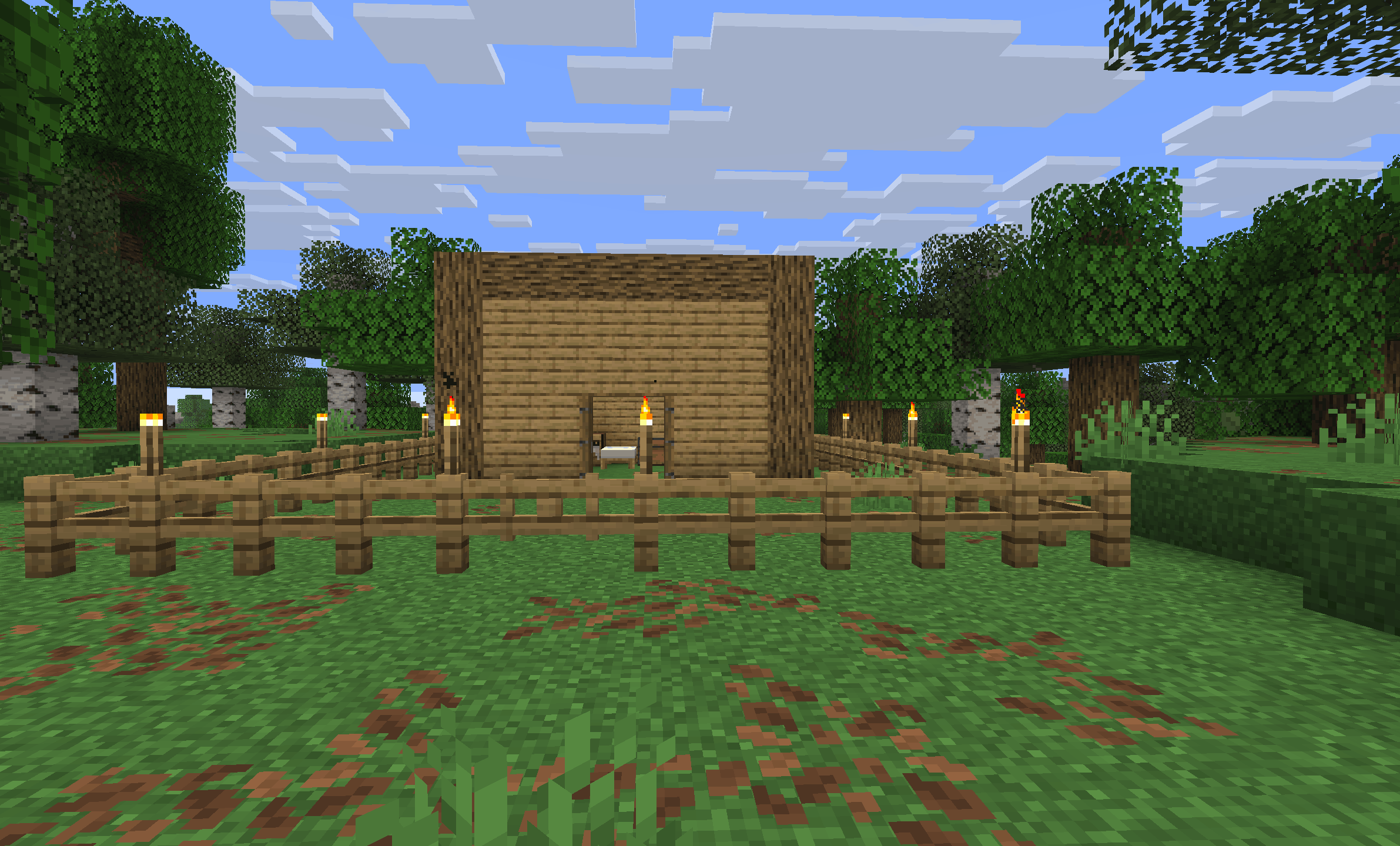
Clear trees near your base
-
Light up paths and roofs
-
Build farms in open areas
-
Use fences to control mobs
-
Keep a bed nearby
With these steps, forests become extremely safe.
Final Verdict: Is Forest Biome Good for Survival?
Yes—the Forest biome is one of the best all-round survival biomes in Minecraft.
It may not look as exciting as rare biomes, but it offers:
-
Stability
-
Easy resources
-
Flexible building options
-
Long-term sustainability
If you want a biome that supports you from day one to endgame, the Forest biome is a smart and reliable choice.