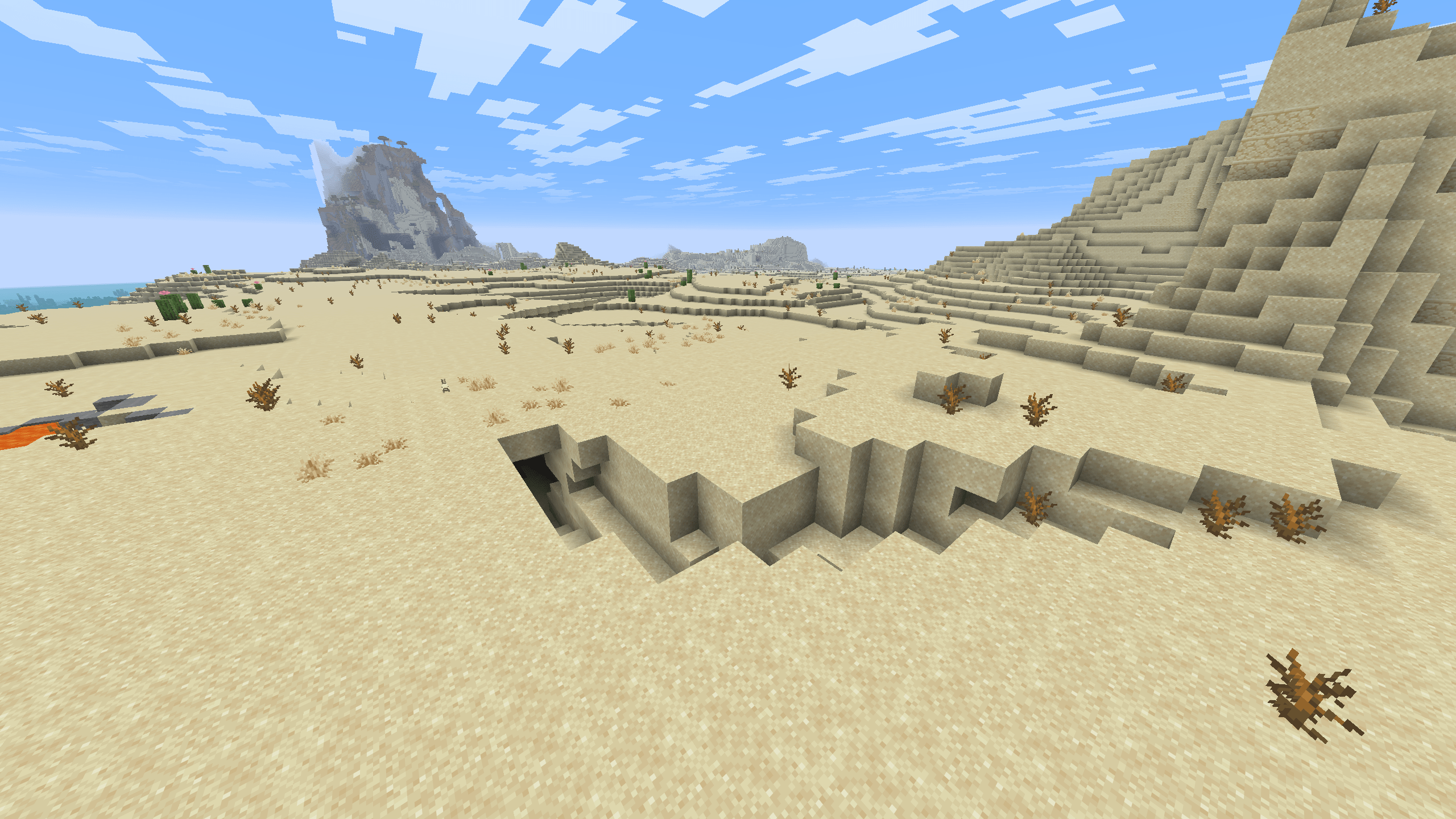
The Desert Biome is one of the hardest places to survive in Minecraft, especially for beginners. At first glance, it looks empty, dry, and unforgiving. There are no trees, very few animals, and water seems almost nonexistent.
Many players spawn in deserts and quickly assume the world is doomed. But deserts are survivable if you understand how to find food, secure water, and adapt to the environment instead of fighting it.
This guide explains how to find water and food in deserts, how to survive the early days, and how to turn a harsh biome into a livable base area.
Why Deserts Feel So Difficult to Survive In
Deserts remove many things players rely on early in the game. There are no trees for wood, animals spawn less often, and water is spread far apart.
Deserts are challenging because:
-
Trees do not naturally generate
-
Animals spawn less frequently
-
Water sources are rare
-
Farming is harder to start
However, deserts also offer hidden advantages once you know where to look.
How Water Generates in Desert Biomes
Water does exist in deserts, but it does not appear as frequently as in other Biomes. Instead of rivers everywhere, deserts rely on scattered sources.
In deserts, water can be found as:
-
Small surface ponds
-
Rivers cutting through the biome
-
Village wells
-
Underground caves
Knowing where to look saves a lot of time and prevents unnecessary exploration.
Finding Water on the Surface
The easiest water sources in deserts are small ponds and rivers. These are not common, but they do generate naturally.
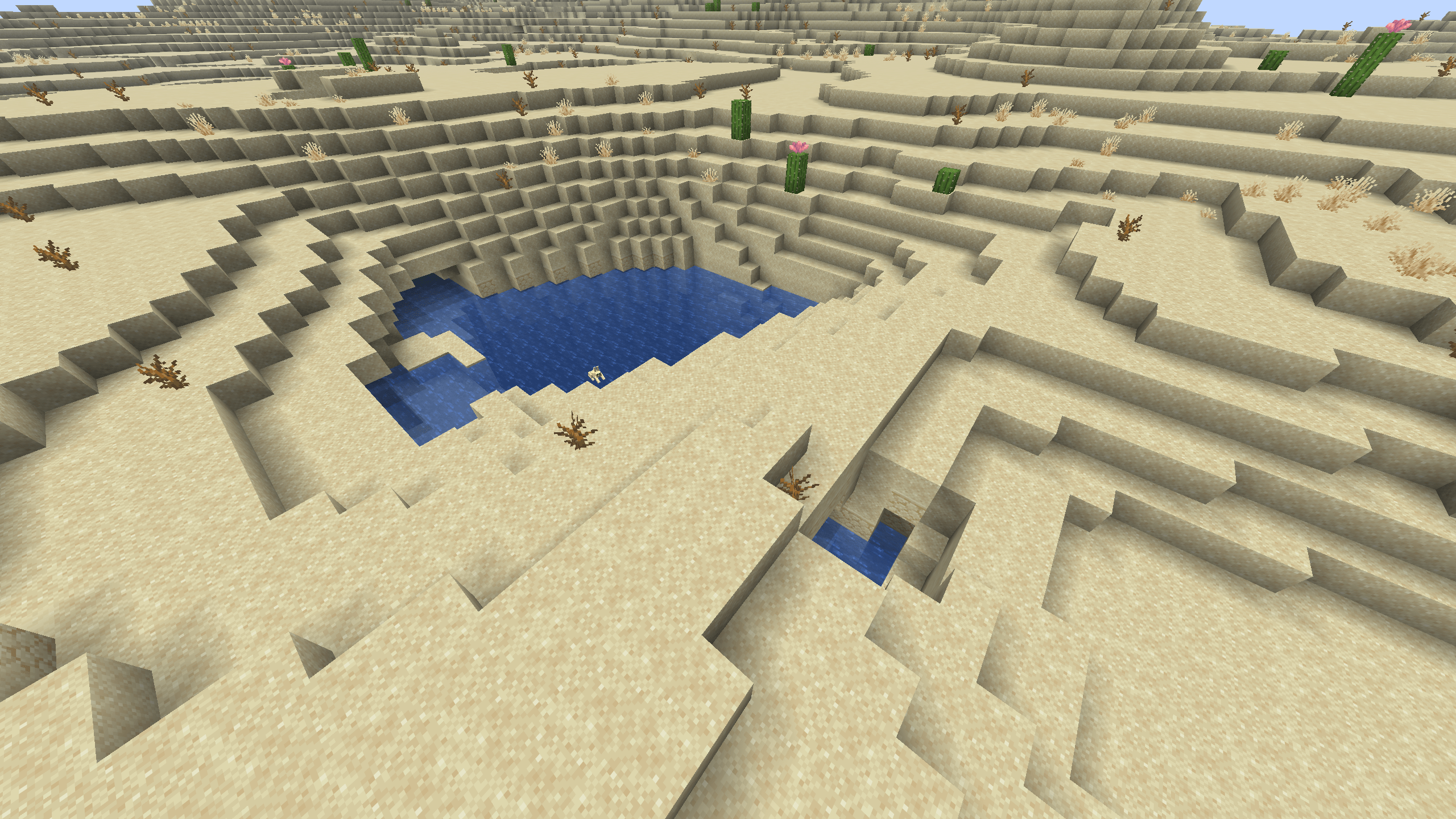
When searching for surface water:
-
Climb sand hills for better visibility
-
Look for green patches near biome edges
-
Follow terrain dips where rivers may form
Desert rivers often separate biomes, so reaching the edge of a desert almost always leads to water.
Using Desert Villages for Water
Desert villages are one of the most reliable early-game lifelines. Almost every desert village includes a well made of sandstone and water.
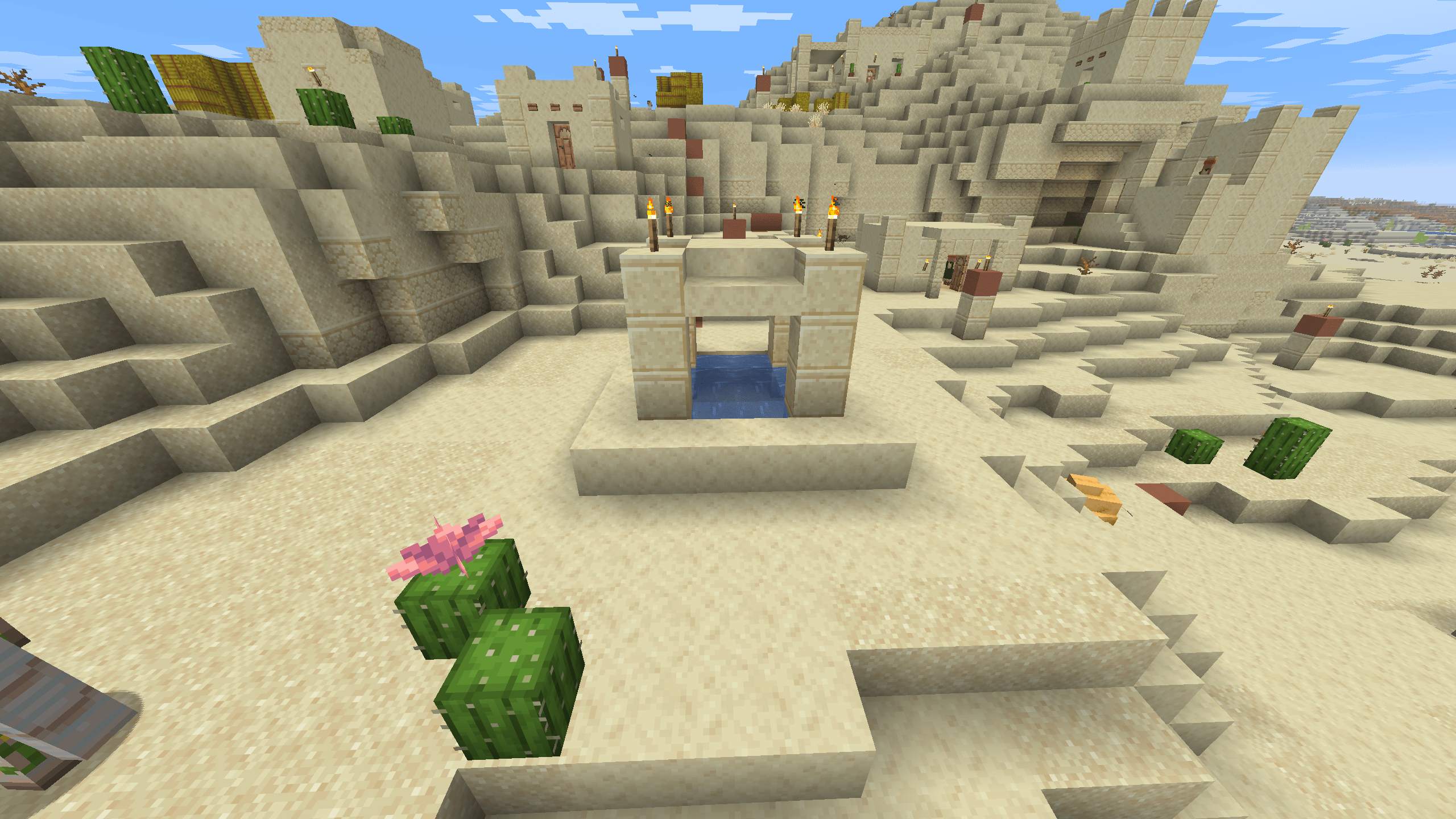
Village wells provide:
-
Infinite water source
-
Safe access early
-
A central landmark
If you find a desert village, securing the well should be your first priority. It solves your water problem immediately.
Finding Water Underground
If surface water is unavailable, caves are your next option. Water frequently generates underground, even in desert biomes.
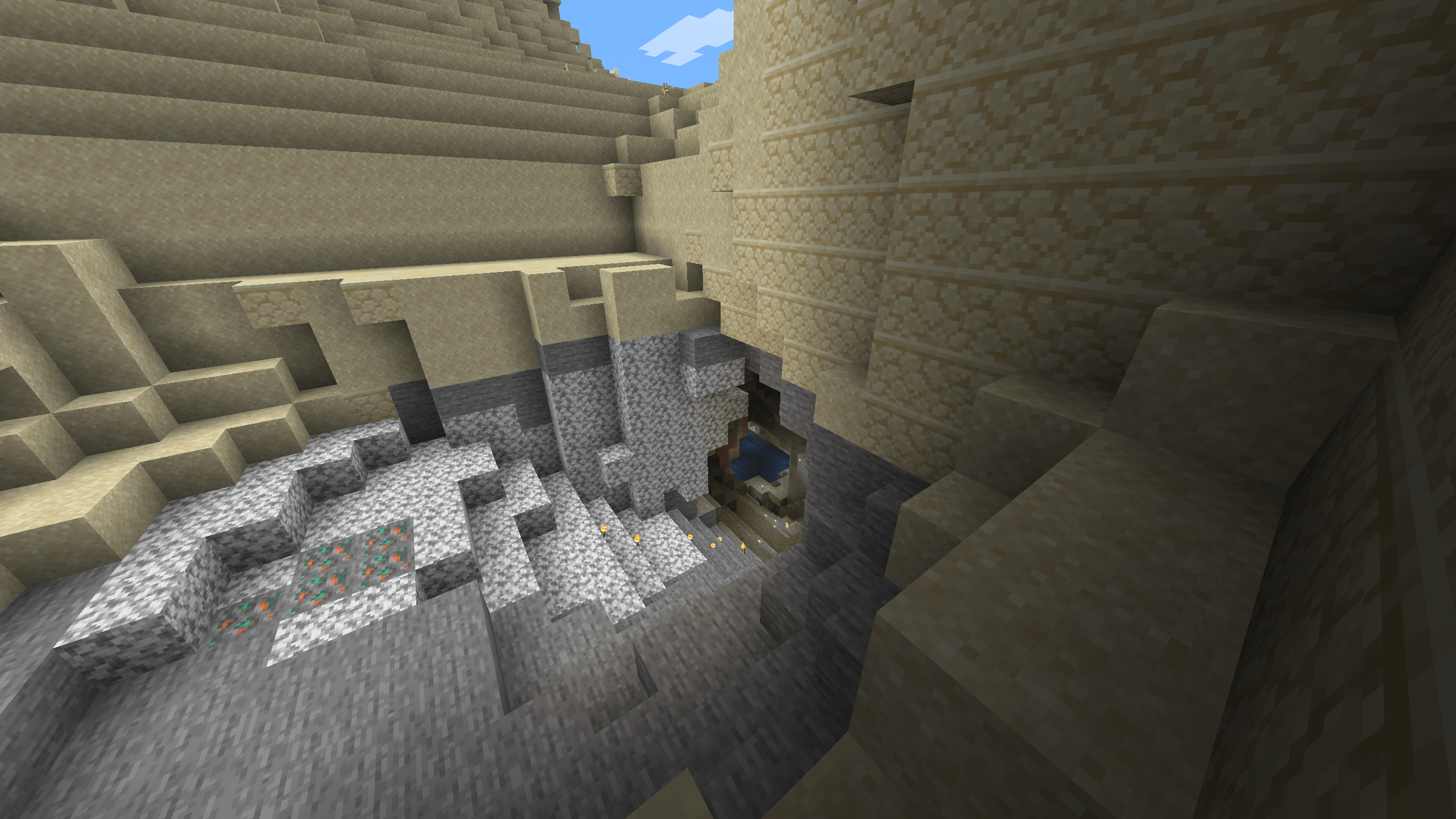
To safely search underground:
-
Dig a staircase instead of straight down
-
Listen for water sounds
-
Bring torches to prevent mob spawns
Once you find underground water, you can bring it to the surface using buckets.
How to Transport Water in Deserts
Once you find water, the goal is to move it closer to your base.
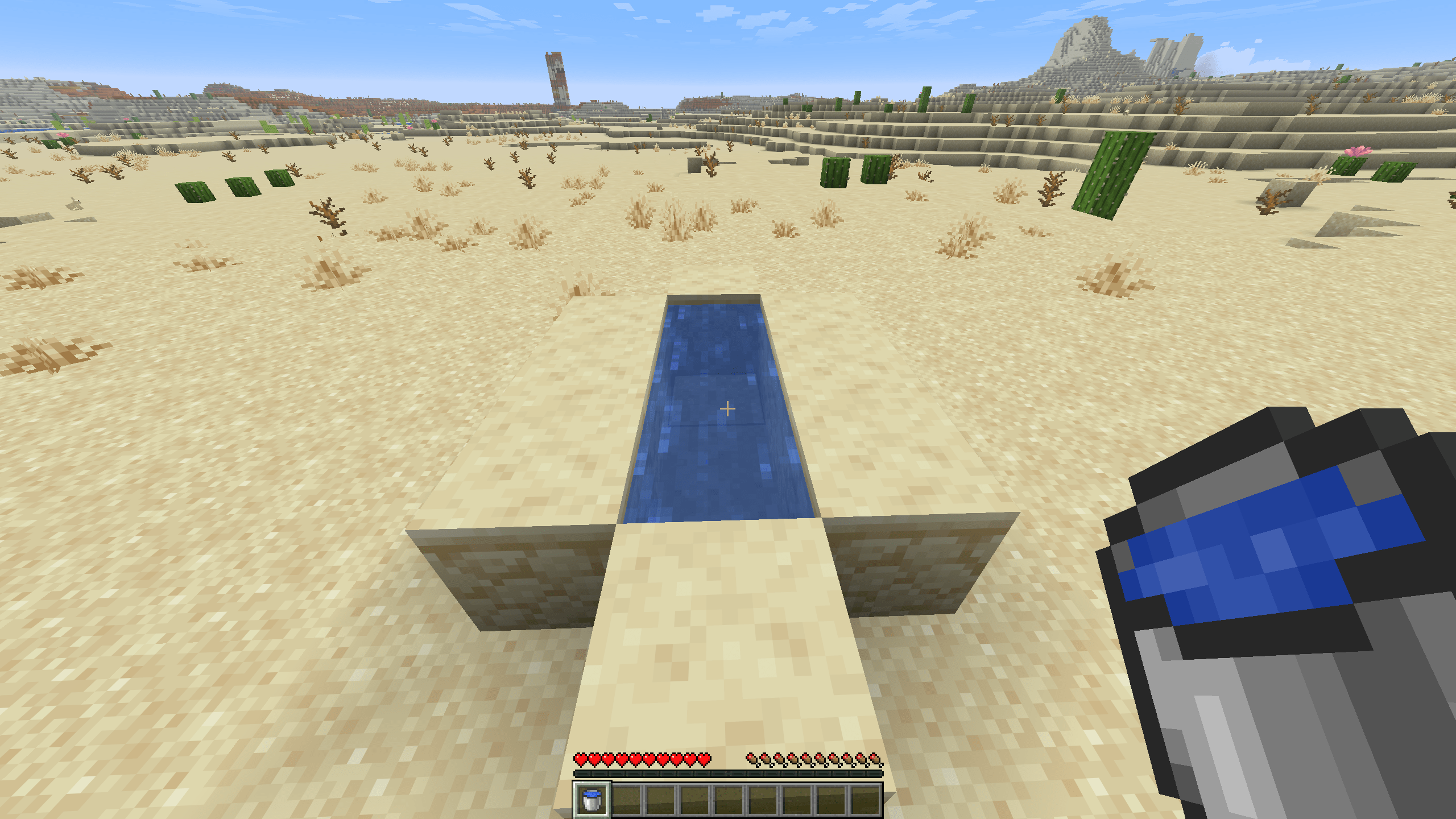
To transport water:
-
Craft a bucket using iron
-
Carry water from rivers or caves
-
Create an infinite water source near your base
Even one bucket is enough to solve water permanently.
Finding Food in Desert Biomes
Food is usually harder to find than water in deserts. Animals spawn less frequently, and crops cannot be harvested without farming.
Early desert food sources include:
-
Rabbits
-
Village crops
-
Cactus (indirect use)
Understanding each option is key to surviving the first few days.
Hunting Rabbits for Early Food
Rabbits are one of the few animals that spawn naturally in deserts. While they are fast, they provide rabbit meat when killed.
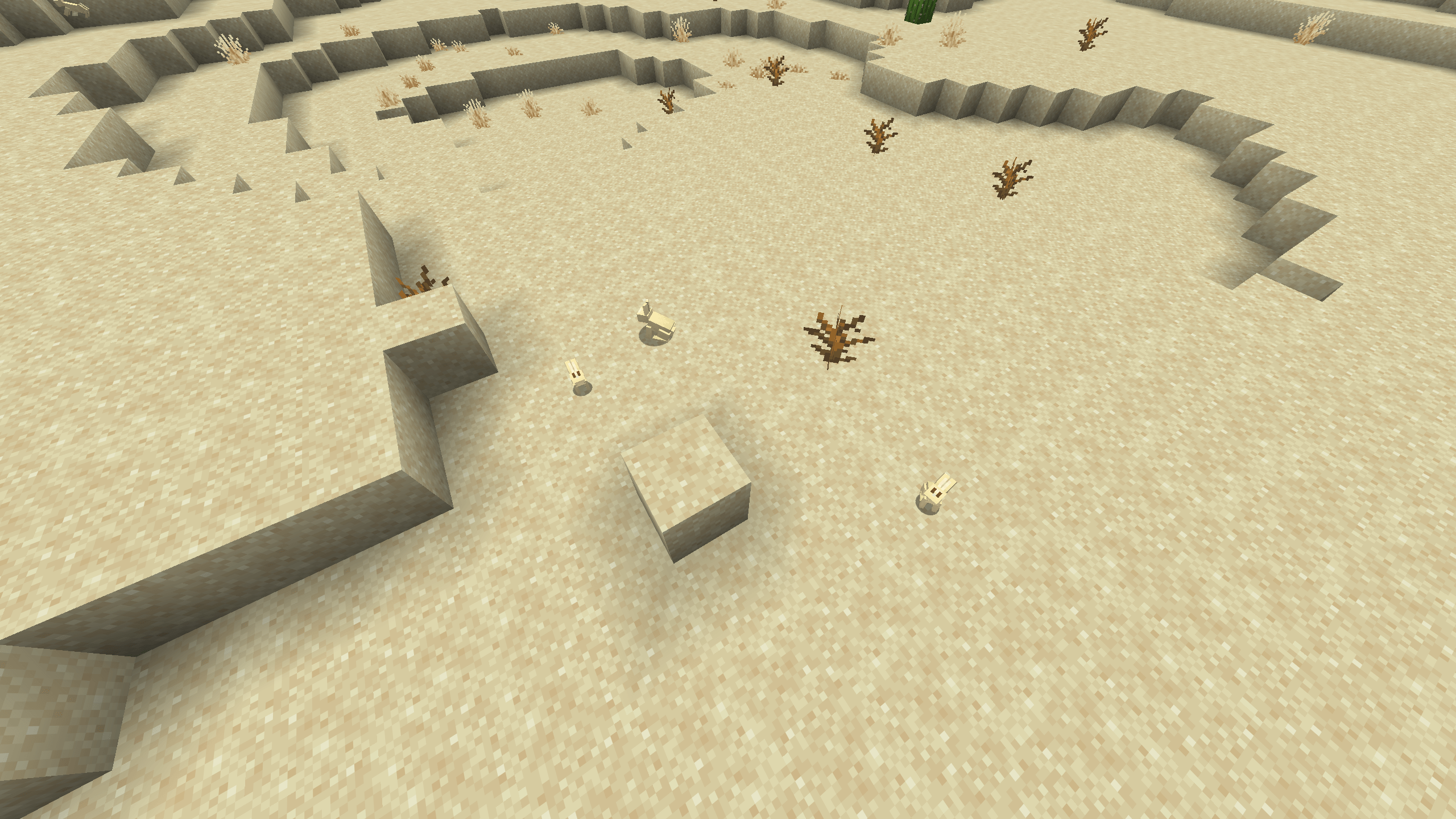
Rabbit meat:
-
Is not very filling
-
Requires multiple kills
-
Is useful early in emergencies
Rabbits should be considered a temporary food source, not a long-term solution.
Using Desert Villages for Food
Desert villages are extremely valuable for food. They often contain farms with wheat, carrots, or potatoes.
Villages provide:
-
Harvestable crops
-
Bread from chests
-
Safe shelter
Taking food from villages early can stabilize your survival quickly.
Farming in the Desert (Yes, It’s Possible)
Once you secure water, farming becomes possible even in deserts.
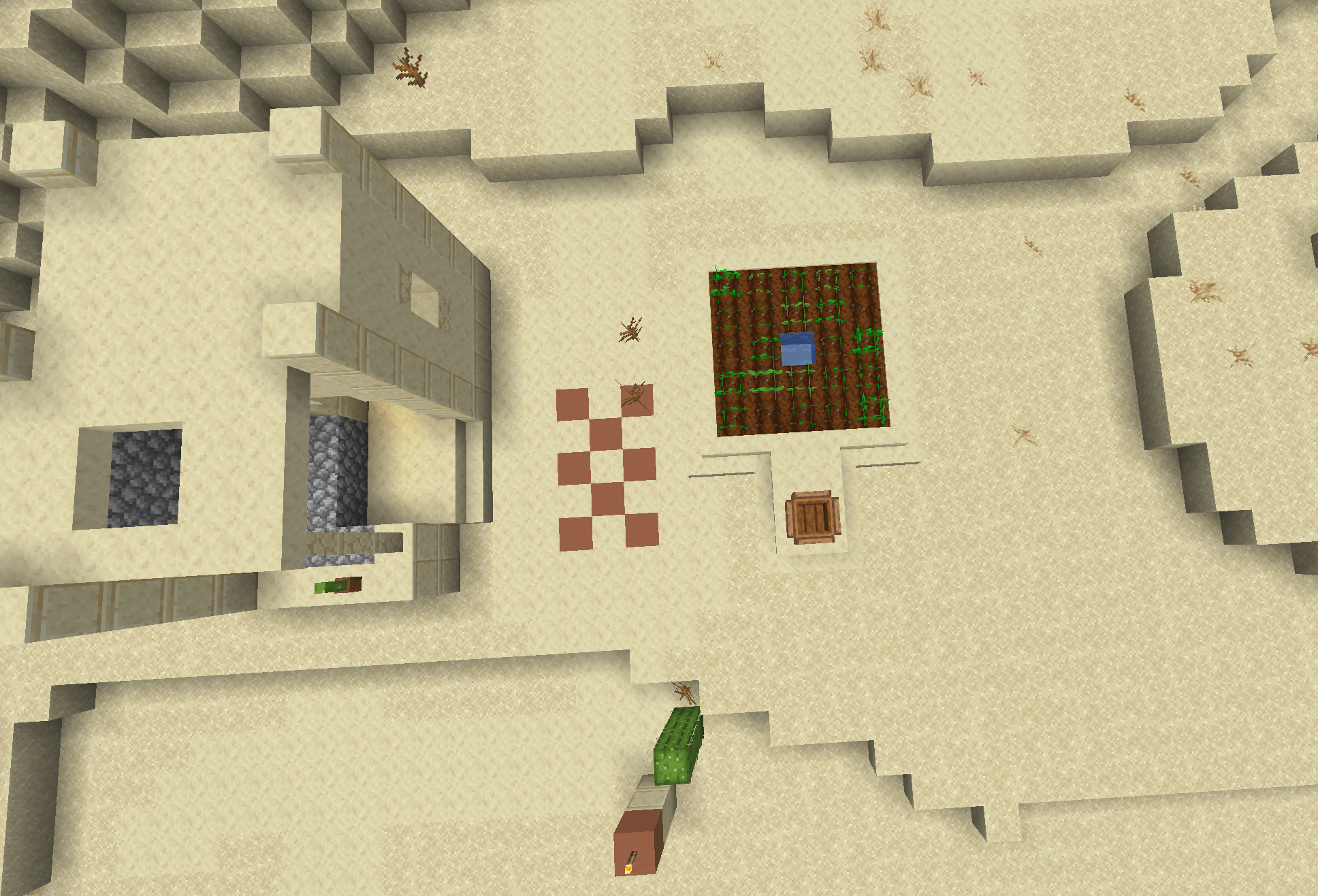
To start farming:
-
Place water next to farmland
-
Use seeds from villages or grass outside the desert
-
Protect crops from mobs
Desert farming requires planning but works just like any other biome once water is available.
Using Cactus for Survival
Cactus is not a direct food source, but it is useful in desert survival.
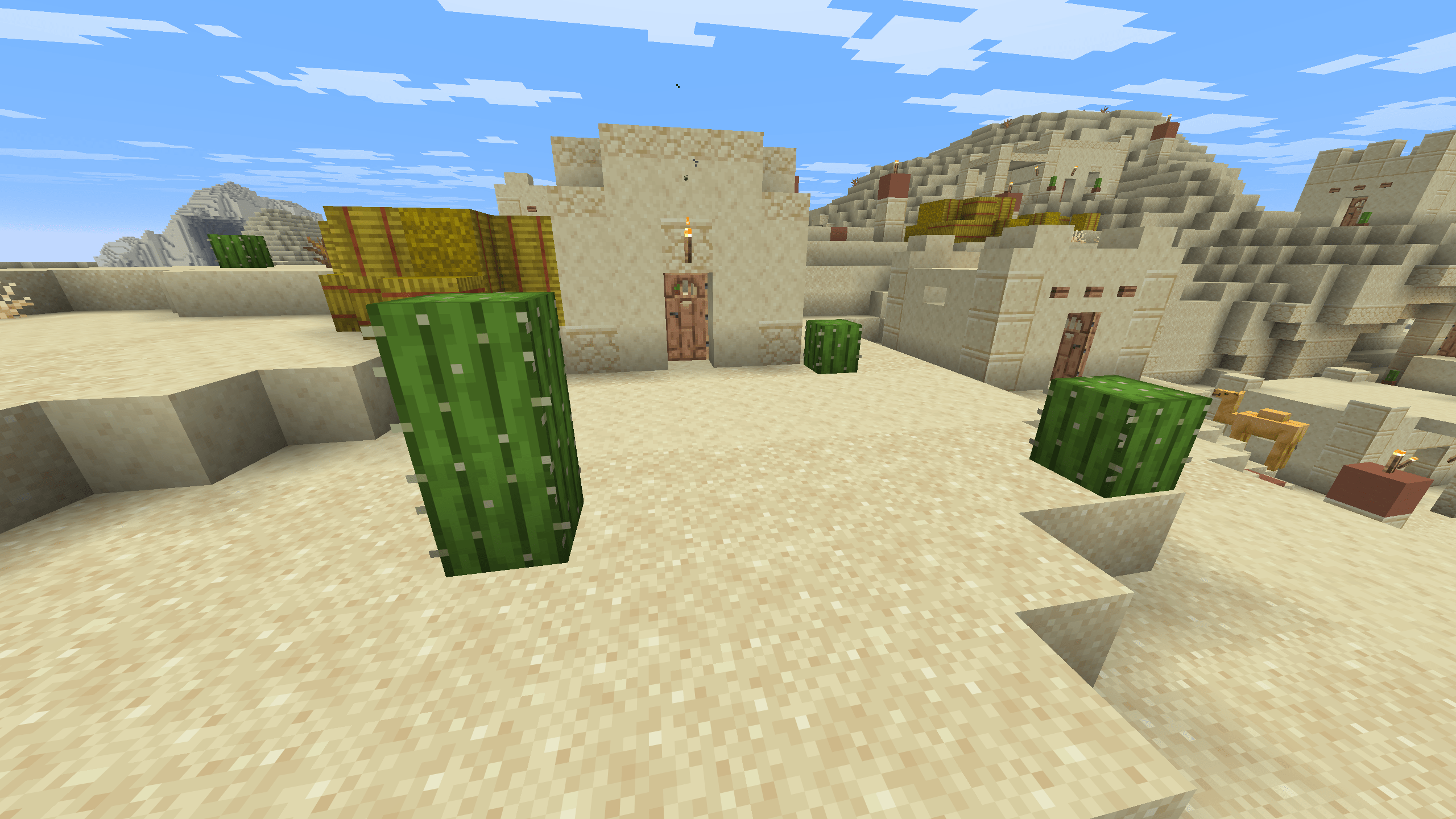
Cactus can be used for:
-
Green dye
-
Composting (Bone Meal)
-
Decoration or defense
While not food, cactus supports farming indirectly through composting.
How to Get Wood in Desert Biomes
Wood is another major problem in deserts. Without trees, tools and crafting become difficult.
To get wood:
-
Travel to nearby biomes
-
Loot village structures
-
Explore abandoned mineshafts
Deserts often border other biomes, so wood is usually not far away.
Long-Term Desert Survival Strategy
Once water and food are secured, deserts become much easier to manage.
For long-term survival:
-
Build near a village or water source
-
Create farms early
-
Light the area to prevent mobs
-
Use sandstone for Building
Deserts offer flat terrain, low rain interference, and clear visibility, making them surprisingly good for bases once stabilized.
Common Desert Survival Mistakes
Many players fail in deserts because they rush or panic.
Common mistakes include:
-
Running too far without food
-
Ignoring villages
-
Not securing water early
-
Digging straight down
Patience and planning matter more in deserts than speed.
Final Thoughts
Deserts are not beginner-friendly, but they are not impossible. With the right approach, you can find water, secure food, and build a stable survival base even in the harshest environment.
The key to desert survival is understanding where resources generate and using villages, caves, and nearby biomes to your advantage.
If you survive the first few days, deserts often become calm, predictable, and rewarding places to live.