The Forest Biome is one of the best biomes for survival in Minecraft, especially for players who want a balanced start with easy Resources and long-term potential. It provides wood, food, animals, and access to nearby biomes—but it also comes with hidden dangers like high mob spawns at night.
This guide shares practical Forest Biome Survival tips that actually matter, from early-game safety to long-term base planning, so you can survive and thrive without unnecessary risks.
Why the Forest Biome Is Good for Survival
Before diving into tips, it’s important to understand why forests are popular for survival worlds.
Forest biomes offer:
-
Unlimited wood
-
Easy access to food mobs
-
Natural terrain for building
-
Nearby rivers, plains, and caves
However, forests also have more shadows, which increases hostile mob spawns if you don’t prepare properly.
1. Secure Wood and Tools Immediately
Wood is everywhere in forests, so take advantage of it early.
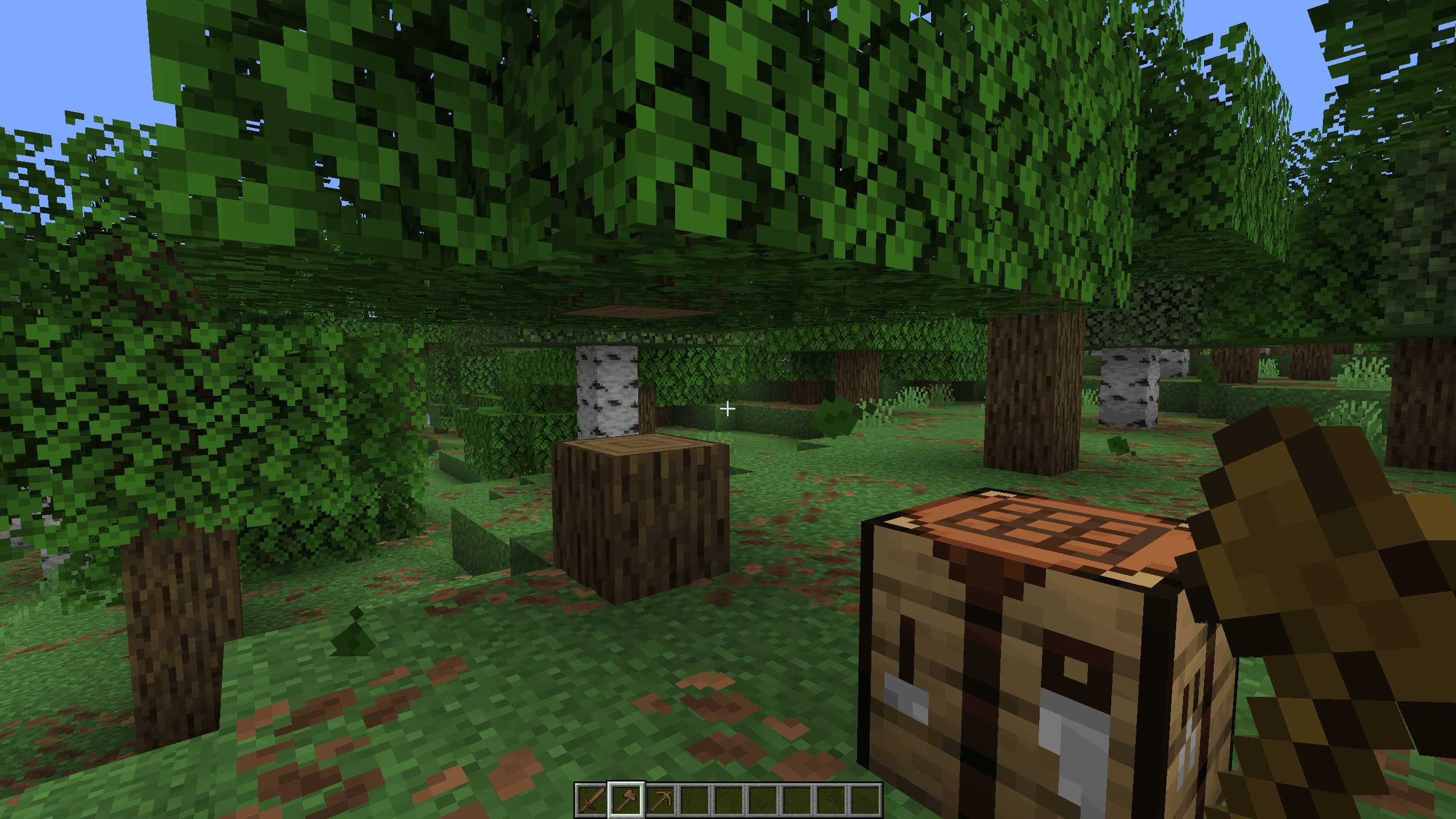
Best Early Steps:
-
Chop oak or birch trees immediately
-
Craft basic tools within the first minute
-
Keep extra logs for fuel and building
Unlike deserts or Snowy Biomes, forests remove the early-game struggle for materials.
2. Craft a Bed as Soon as Possible
Forests are dangerous at night due to trees blocking moonlight.
Why Beds Matter More in Forests:
-
More dark areas = more mobs
-
Creepers hide easily behind trees
-
Skeletons can shoot from cover
Kill sheep early or gather wool before sunset so you can skip nights safely.
3. Clear Trees Around Your Base Area
This is one of the most important Forest Biome survival tips.
Trees create:
-
Dark patches
-
Blind spots
-
Creeper ambush zones
What You Should Do:
-
Clear trees in a 10–15 block radius
-
Remove leaf blocks above ground level
-
Flatten uneven terrain
You don’t need to destroy the entire forest—just secure your living area.
4. Use Torches Aggressively
Forests require more lighting than open biomes.
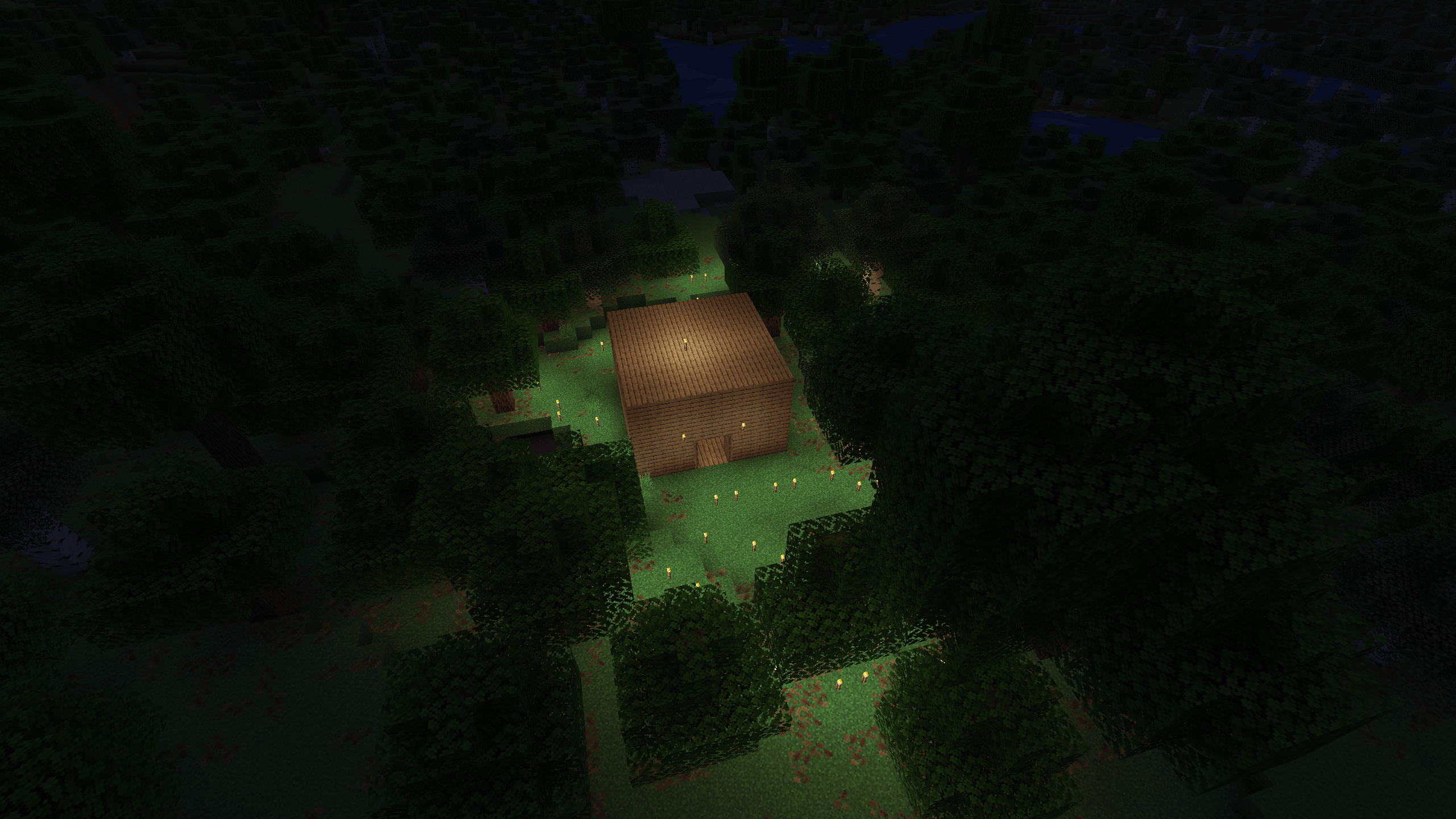
Torch Placement Tips:
-
Place torches every 6–7 blocks
-
Put torches on tree trunks
-
Light paths and village areas clearly
This significantly reduces hostile mob spawns and makes night travel safer.
5. Build Simple Early Shelter (Not Fancy)
In the early game, your forest base should be functional, not decorative.
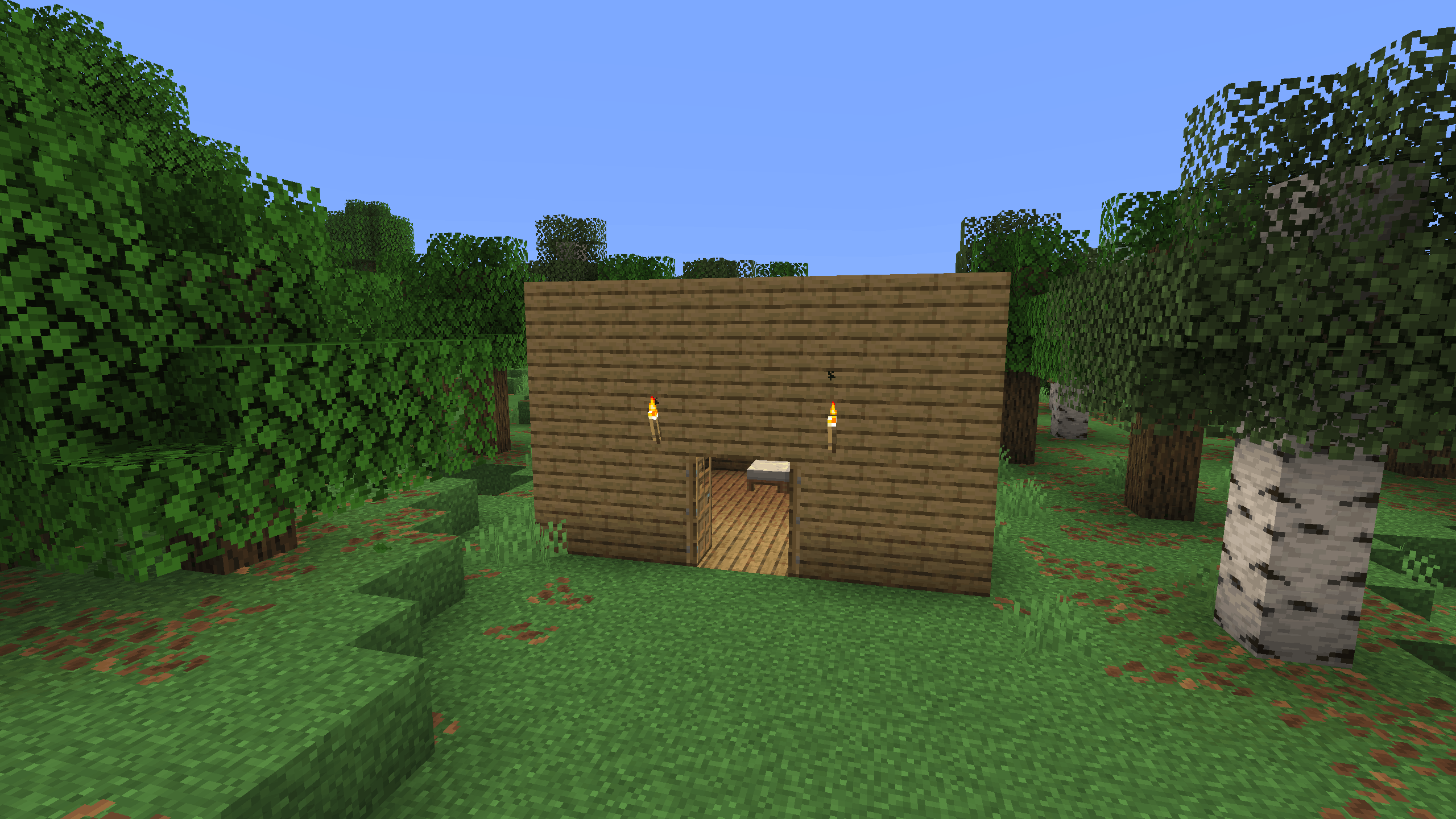
Good Starter Base Ideas:
-
Small wooden house
-
Underground room beneath trees
-
Hillside base using dirt and logs
Save fancy builds for later when you have armor and lighting control.
6. Take Advantage of Forest Food Sources
Forest biomes spawn many passive Mobs.
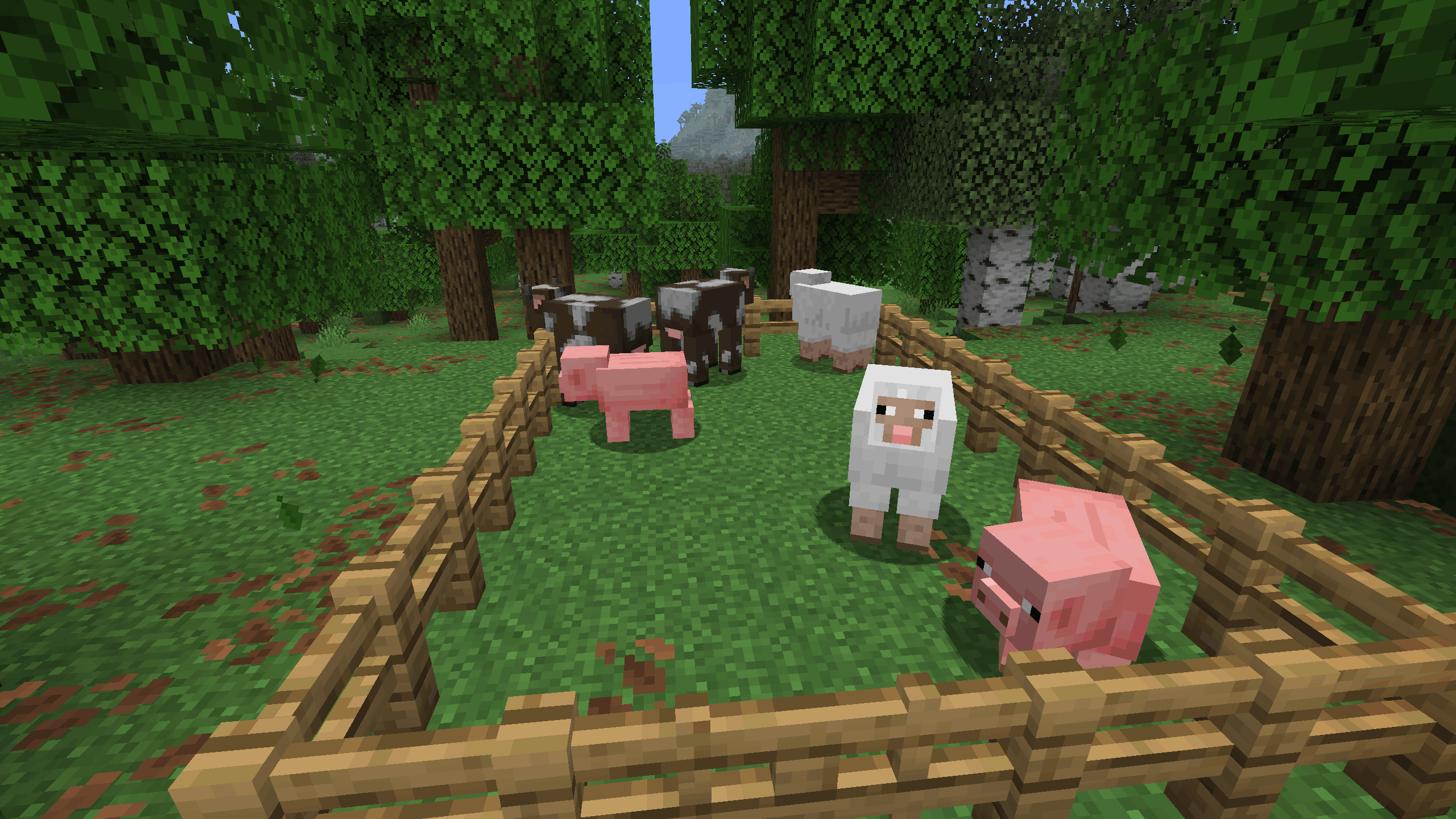
Easy Food Options:
-
Cows → beef + leather
-
Sheep → mutton + wool
-
Pigs → porkchops
-
Chickens → food + feathers
This makes forests one of the easiest biomes to sustain hunger without farming early.
7. Start Animal Farms Early
Because animals spawn naturally in forests, it’s smart to secure them early.
Best Early Farms:
-
Cow farm (leather is crucial)
-
Sheep farm (beds, decoration)
-
Chicken farm (arrows later)
Animal farms reduce the need to explore dangerous areas early.
8. Watch Out for Creepers
Creepers are the biggest threat in forest biomes.
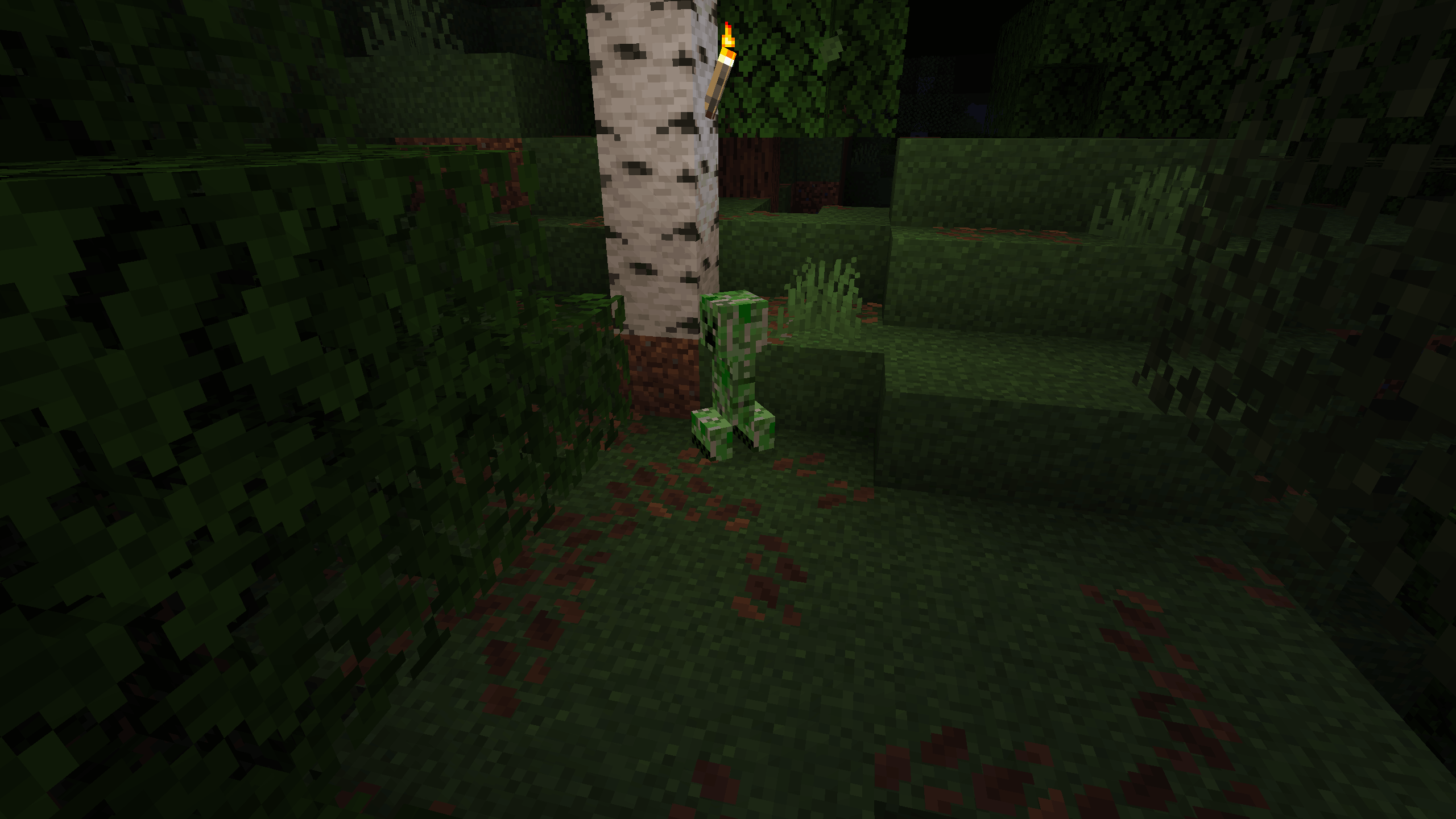
Why they’re dangerous here:
-
Green color blends with leaves
-
Trees block vision
-
Sound is harder to detect
How to Reduce Creeper Deaths:
-
Keep volume high
-
Clear nearby foliage
-
Use shields early
-
Avoid fighting at night
Never underestimate creepers in forests.
9. Use Underground Space Wisely
Forests are perfect for underground expansion.
Best Underground Uses:
-
Storage rooms
-
Enchanting area
-
Farms
-
Villager trading halls
Underground bases stay safe from mobs and don’t require massive lighting.
10. Find and Use Nearby Rivers
Most forests generate near rivers.
Rivers provide:
-
Easy navigation
-
Fish
-
Sugarcane for books
-
Clay for bricks
Settling near a river increases your survival efficiency.
11. Be Careful with Dark Forest Variants
Dark Forests are not beginner-friendly.
They have:
-
Very dense trees
-
Extremely high mob spawns
-
Woodland mansions (dangerous early)
If you spawn in a Dark Forest:
-
Move to a normal or birch forest
-
Or secure shelter immediately underground
12. Use Wolves for Protection
Wolves spawn naturally in forest biomes.
Why Wolves Help:
-
They attack hostile mobs
-
Easy to tame with bones
-
Good early defense system
They won’t replace armor, but they add safety in early survival.
13. Plan Villager Use Carefully
Forest biomes do not spawn villages naturally, but villagers still work perfectly here.
Best Strategy:
-
Find a nearby Plains or Taiga village
-
Transport villagers into the forest
-
Build a controlled trading area
Villager mechanics are biome-independent.
14. Transition to Mid-Game Builds Slowly
Once you have:
-
Iron armor
-
Shield
-
Stable food supply
-
Lighting control
You can start:
-
Expanding your base
-
Building paths and farms
-
Creating custom villages
Forest survival becomes very stable at this stage.
15. Long-Term Forest Survival Tips
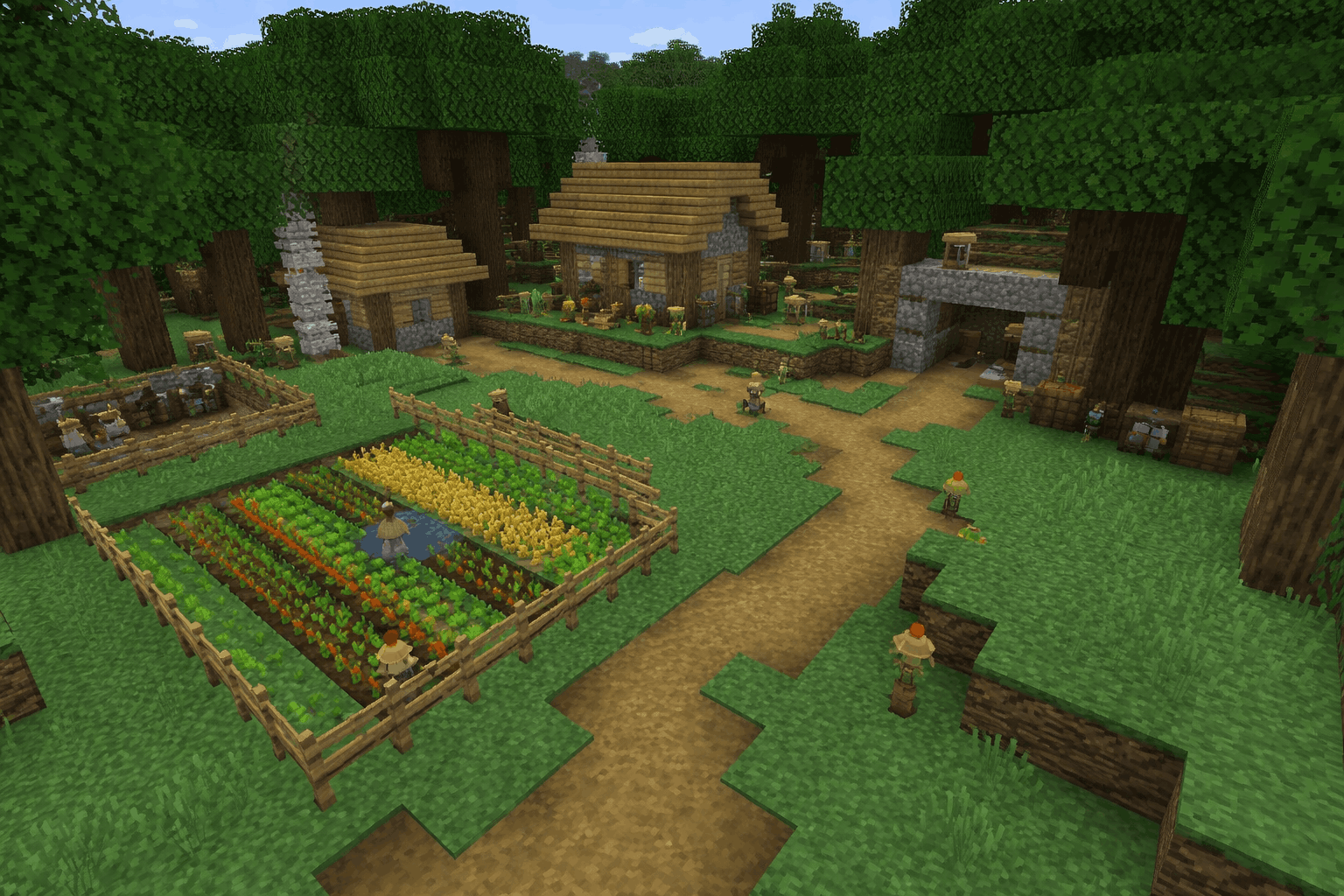
For long-term worlds:
-
Replace grass paths with slabs
-
Use fences or walls around key areas
-
Maintain torch coverage
-
Keep tree growth under control
A well-managed forest base is one of the safest long-term setups in Minecraft.
Forest Biome Survival: Pros vs Cons
Pros:
-
Unlimited wood
-
Easy food access
-
Great base-building potential
-
Natural and immersive
Cons:
-
High mob spawns at night
-
Creeper risk
-
Requires lighting management
With preparation, the pros far outweigh the cons.
Final Verdict: Is Forest Biome Good for Survival?
Yes.
The Forest biome is one of the most balanced survival biomes in Minecraft.
If you:
-
Clear trees
-
Light your area properly
-
Secure food early
You’ll have a safe, resource-rich environment that supports both early survival and late-game builds.
Forest survival rewards smart planning, not brute force.