The first 10 days in Minecraft decide how smooth or frustrating your Survival world will be. Many beginners quit early because they rush, ignore basic survival rules, or don’t know what to prioritize. The good news is that surviving your first 10 days does not require advanced skills, speedrunning, or luck.
With the right plan, those first 10 days can set you up with food, tools, shelter, and confidence. This guide breaks down exactly what to do day by day, without overwhelming you or forcing risky gameplay.
If you follow this approach, you will reach day 10 with a stable base and a strong foundation for the rest of your world.
Why the First 10 Days Matter in Minecraft
Early survival is about stability, not progress. Players who try to rush diamonds or explore far too early often die, lose items, and restart worlds.
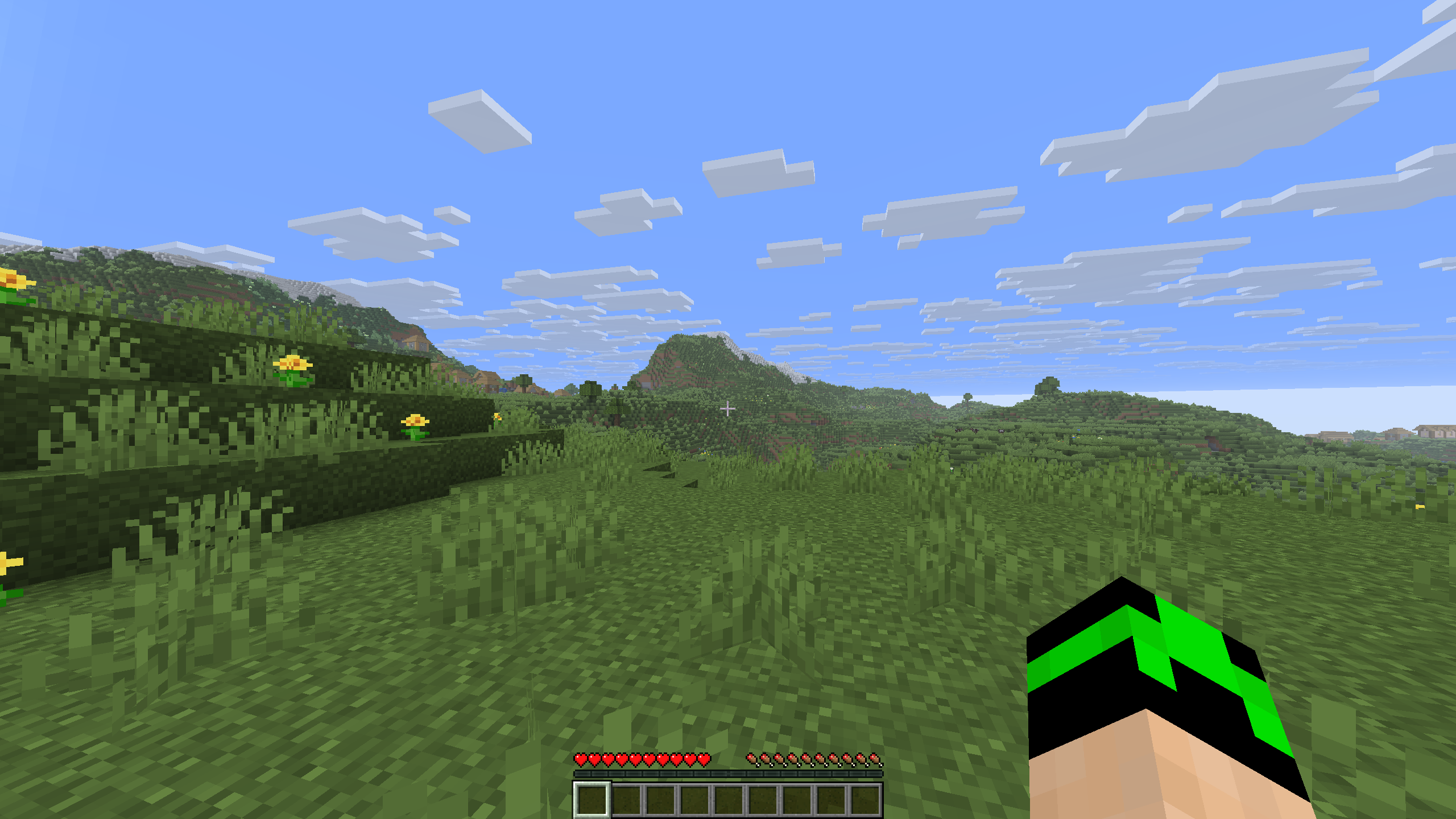
The first 10 days are important because:
-
You establish food sources
-
You secure a safe base
-
You unlock basic tools and armor
-
You learn the world around you
Once these basics are done, Minecraft becomes much more forgiving.
Day 1: Gather Wood and Prepare for Night
Your first day should be simple and calm. Do not explore far and do not fight mobs.

Focus on:
-
Punching trees to collect wood
-
Crafting a crafting table
-
Making wooden tools
-
Upgrading to stone tools
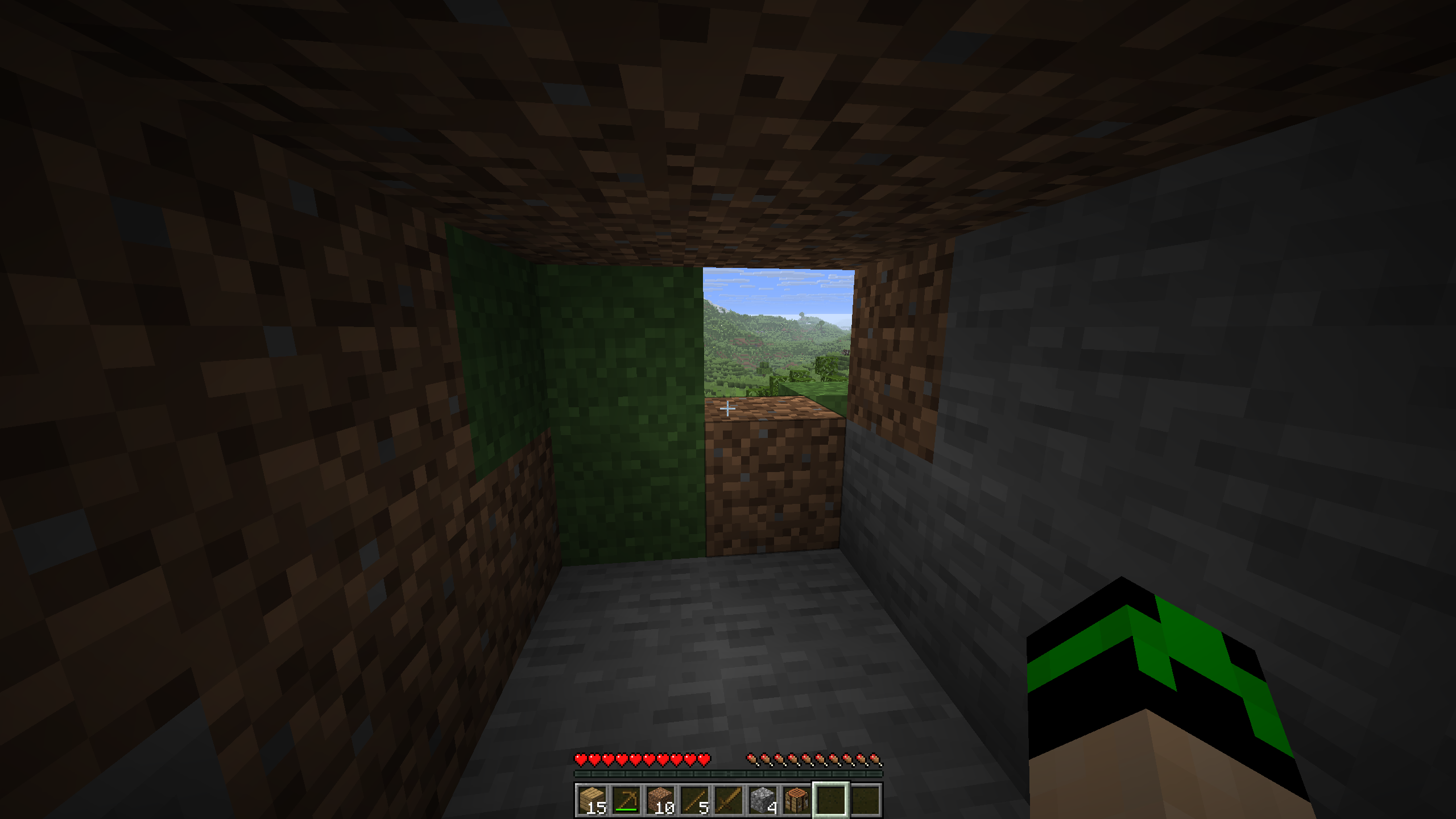
Before nightfall, build a temporary shelter. It does not need to look good. A small wooden hut, dirt box, or hillside cave is enough to survive the first night.
If you see sheep, collect wool if possible, but do not risk dying for it.
Day 2: Secure Food and Basic Tools
Day 2 is about food and preparation. Hunger is one of the biggest beginner problems.
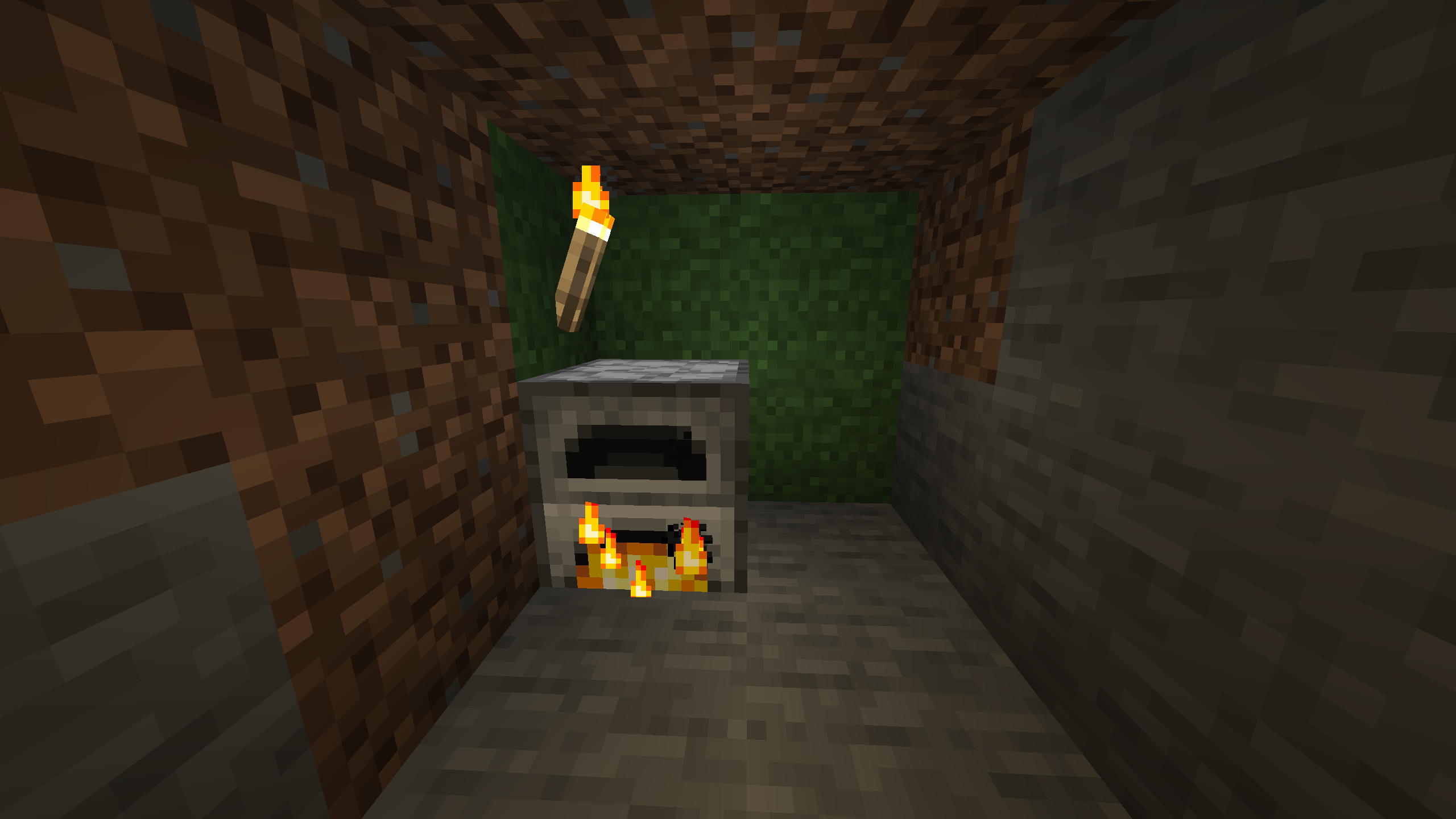
Your priorities:
-
Kill cows, pigs, or chickens
-
Cook food using a furnace
-
Craft a chest to store items
-
Make torches using coal or charcoal
Avoid exploring caves deeply yet. Surface coal and exposed stone are enough for now.
If you collected wool, craft a bed as soon as possible.
Day 3: Craft a Bed and Control Night Time
By day 3, you should aim to control the night.
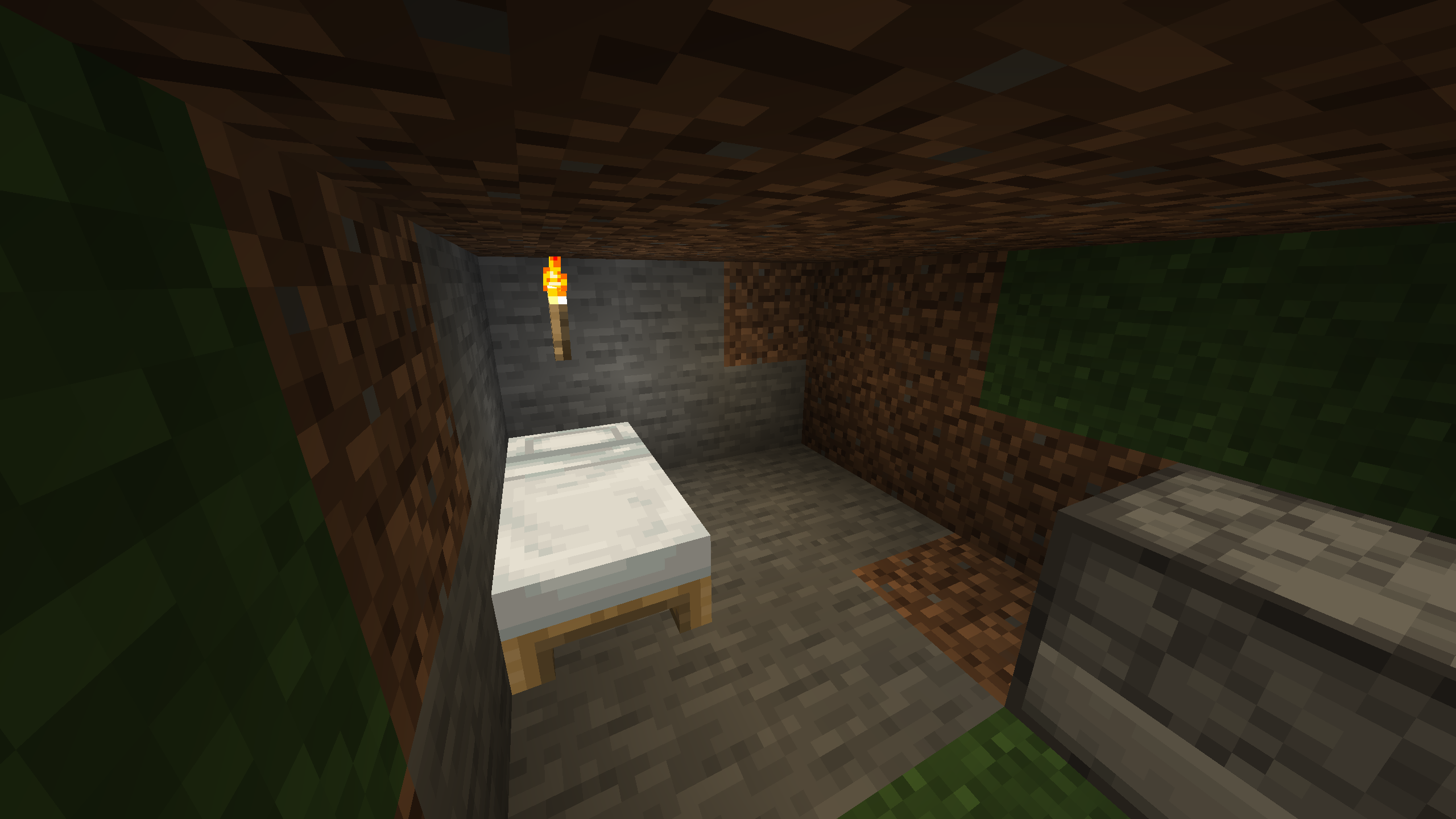
Crafting a bed allows you to:
-
Skip the night
-
Avoid hostile mobs
-
Set your spawn point
If you do not have wool yet, focus on finding sheep during the day. Once you have a bed, survival becomes significantly easier.
Lighting your shelter and nearby area with torches is also important.
Day 4: Start Basic Mining Safely
Now it’s time to mine—but carefully.
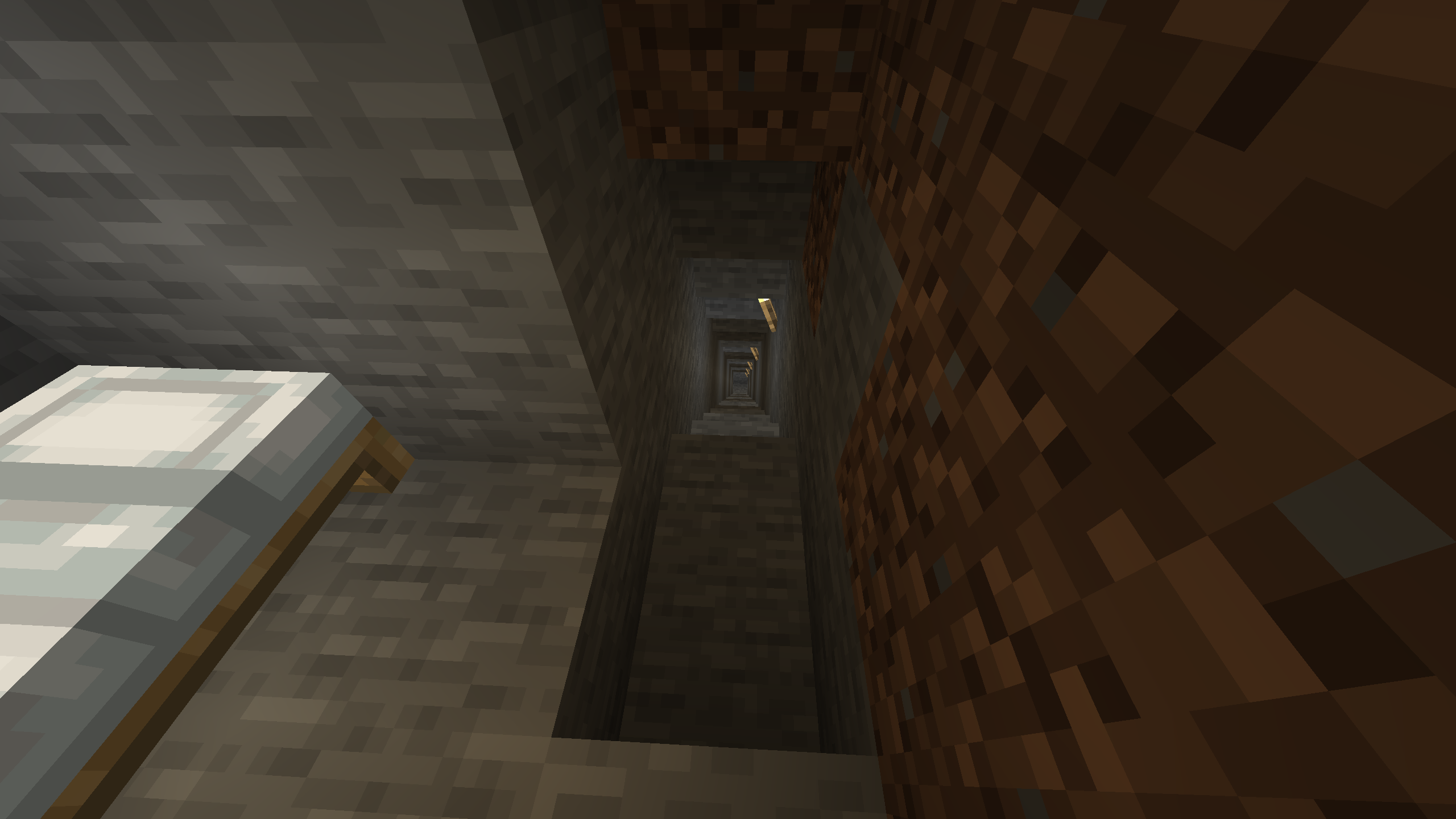
Mining tips for beginners:
-
Never dig straight down
-
Always bring torches
-
Mine in short tunnels
-
Stop if you hear mobs
Your goal is to find:
-
Coal
-
Iron
Iron is extremely important. Even a small amount allows you to craft better tools and armor.
Day 5: Craft Iron Tools and a Shield
Day 5 is a turning point. Iron tools make survival much safer and faster.
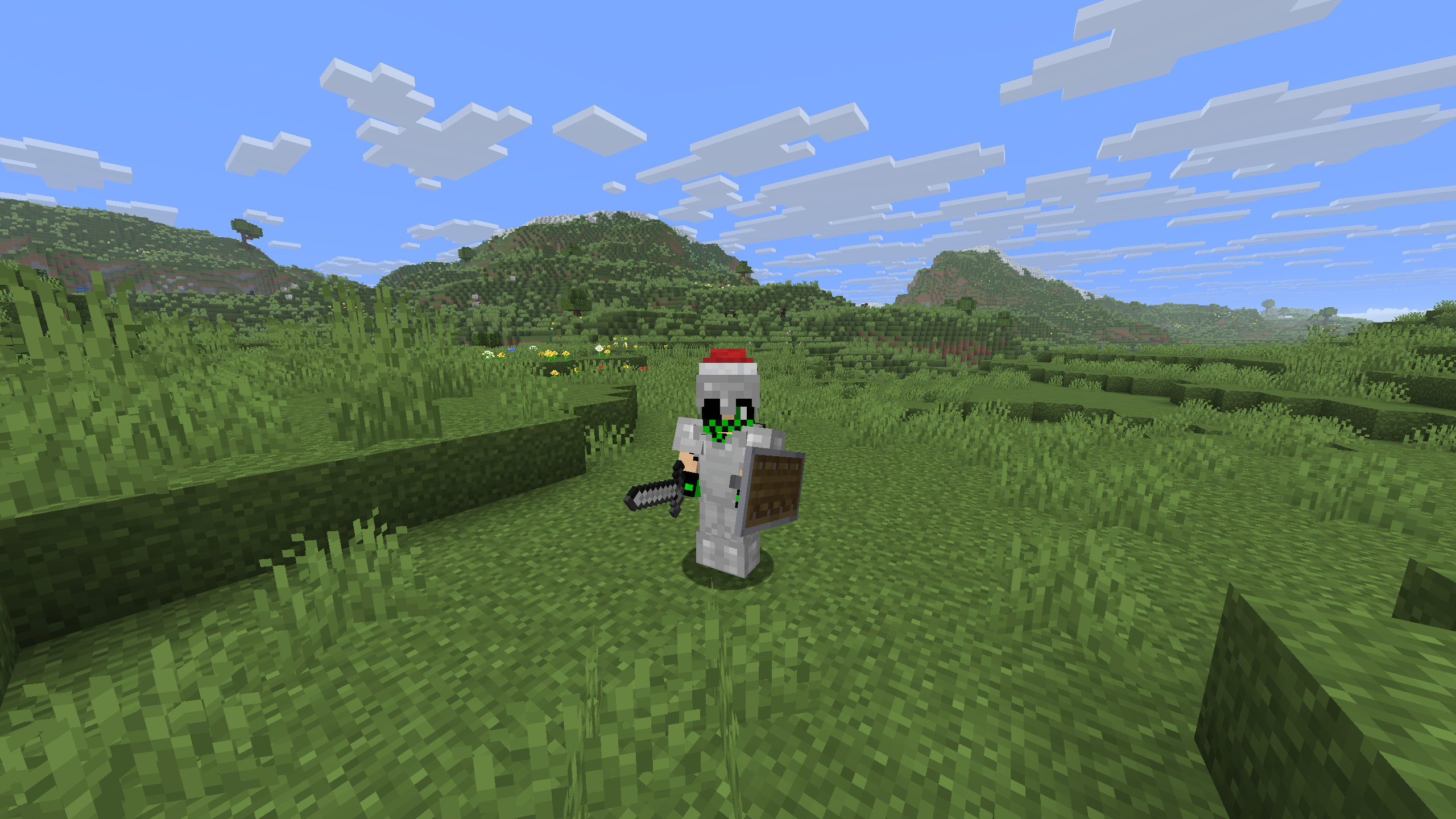
Craft these items first:
-
Iron pickaxe
-
Iron sword
-
Shield
A shield is one of the most powerful beginner items. It blocks skeleton arrows, zombie attacks, and even creeper explosions.
Once you have iron gear, you can defend yourself confidently.
Day 6: Improve Your Base and Storage
Now that survival basics are handled, improve your living space.
Good base upgrades include:
-
Larger shelter
-
Organized chests
-
Furnace area
-
Proper lighting
You do not need a permanent base yet, but your area should feel safe and functional.
Avoid carrying all valuable items while exploring.
Day 7: Start Farming for Long-Term Food
Hunting works early, but farming is more reliable.
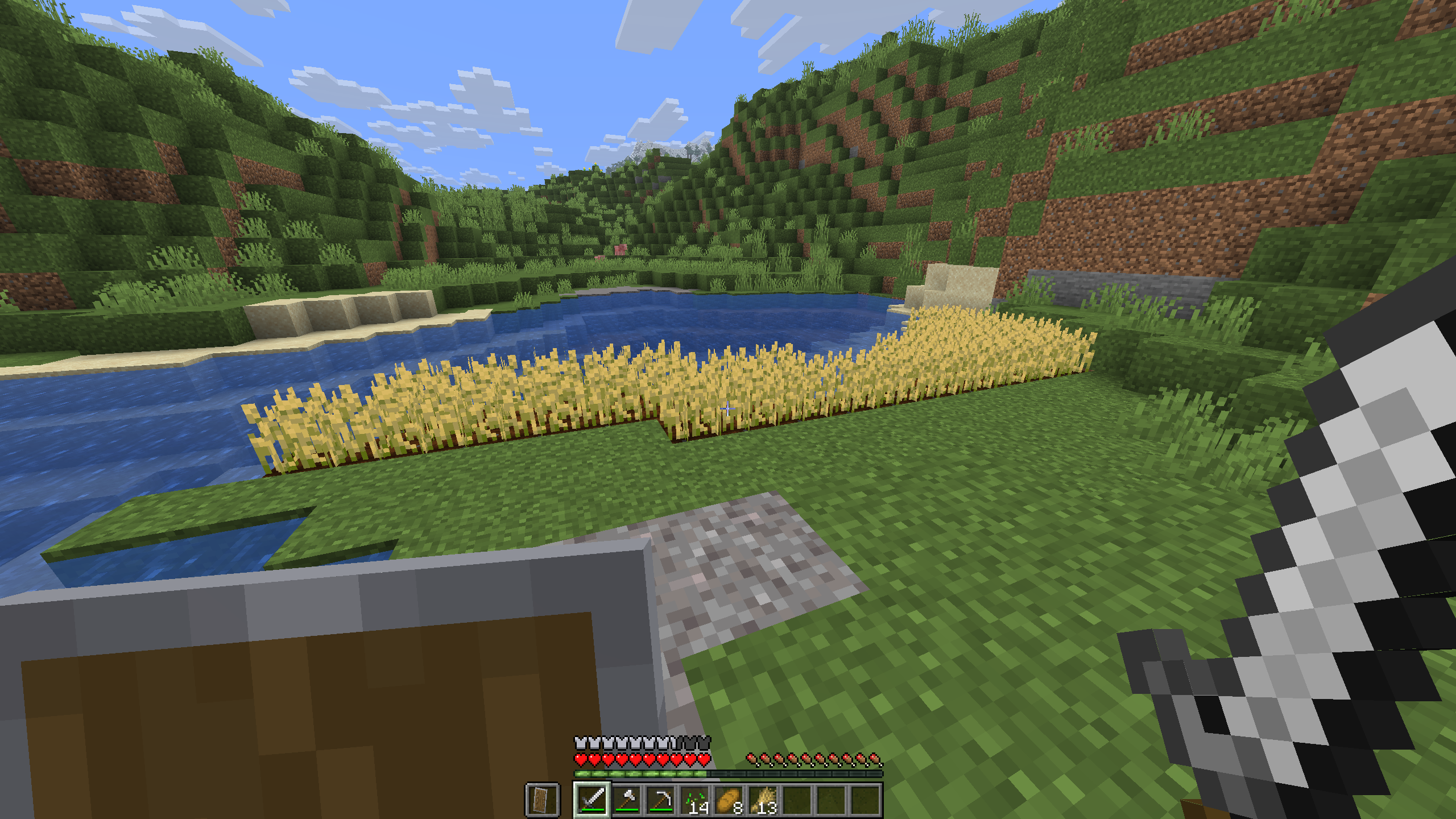
Begin with:
-
Wheat farm using seeds
-
Animal pens if you have cows or sheep
Farming ensures:
-
Consistent food
-
Less risk
-
Long-term survival stability
Even a small farm makes a big difference.
Day 8: Explore Nearby Areas Carefully
Now that you are stable, you can explore a little.
Safe exploration tips:
-
Carry food
-
Bring a bed
-
Travel during daytime
-
Mark your base location
Look for:
-
Villages
-
New Biomes
-
Animals
-
Caves
Do not explore too far yet.
Day 9: Upgrade Armor and Prepare for Future Goals
By day 9, you should aim for:
-
Full or partial iron armor
-
Extra tools
-
Backup food
This is preparation day. You are not rushing the Nether or diamonds yet. You are strengthening your survival foundation.
Players who prepare early die less later.
Day 10: You Are Officially Stable
Reaching day 10 means you have passed the hardest part of early survival.
By now, you should have:
-
A bed
-
Reliable food
-
Iron tools and armor
-
A safe base
From here, you can choose your playstyle:
-
Mining
-
Exploring
-
Villager trading
You are no longer just surviving—you are playing the game.
Common Mistakes During the First 10 Days
Many beginners struggle because they:
-
Ignore hunger
-
Explore too early
-
Fight mobs unprepared
-
Mine without torches
-
Carry all valuables at once
Avoiding these mistakes makes survival much smoother.
Final Thoughts
Surviving your first 10 Minecraft days is not about speed or skill. It’s about patience, planning, and understanding priorities.
If you focus on food, shelter, and safety first, Minecraft becomes relaxing instead of stressful. Once those first 10 days are complete, the rest of the game opens up naturally.
Every long-term survival world starts the same way—one safe night at a time.