Hardcore Mode in Minecraft looks exciting from the outside. One life, Higher Difficulty, and the feeling that every decision matters. Many players jump into Hardcore thinking it will make them better at the game or more serious about survival.
What usually happens instead is frustration, panic, and a world that ends far sooner than expected.
Hardcore is not hard because mobs are stronger. It is hard because small mistakes become permanent. Most Hardcore deaths are not caused by bosses or rare events. They happen because of simple decisions that could have been avoided.
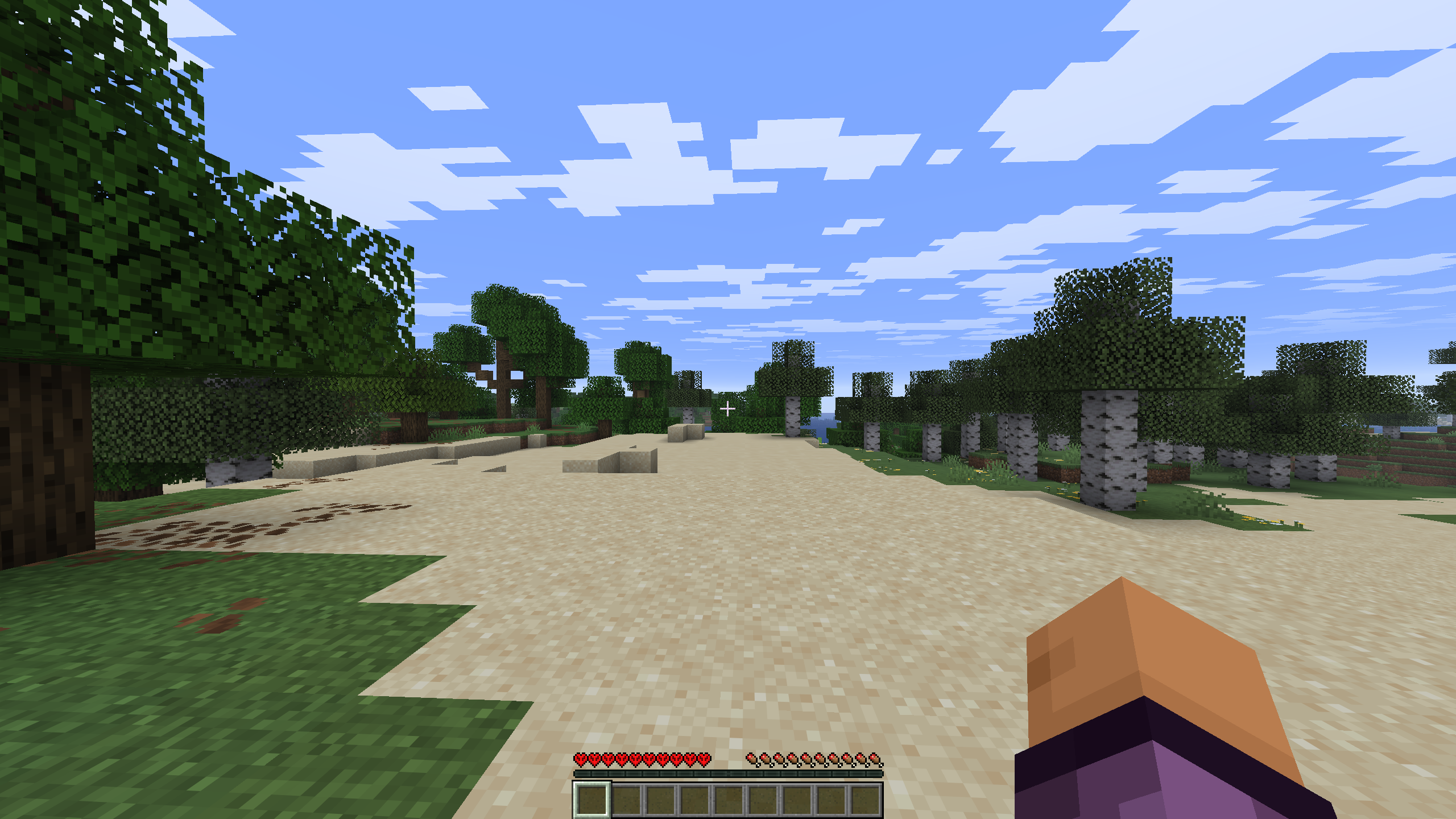
This guide explains the most common Hardcore survival mistakes and how to avoid them, so your world lasts longer and feels rewarding instead of stressful.
Treating Hardcore Like Normal Survival
One of the biggest mistakes players make is playing Hardcore exactly like a normal Survival World. In Normal or Easy mode, dying is part of learning. In Hardcore, dying ends everything.
Rushing caves, fighting mobs without preparation, or exploring recklessly may work in normal survival, but Hardcore requires a different mindset. You must assume that every risk can end your world, even if it looks small.
Hardcore rewards patience far more than confidence.
Rushing the Early Game
Many Hardcore worlds end within the first few days because players rush too much. They try to mine deep, explore far, or fight mobs before they are ready.
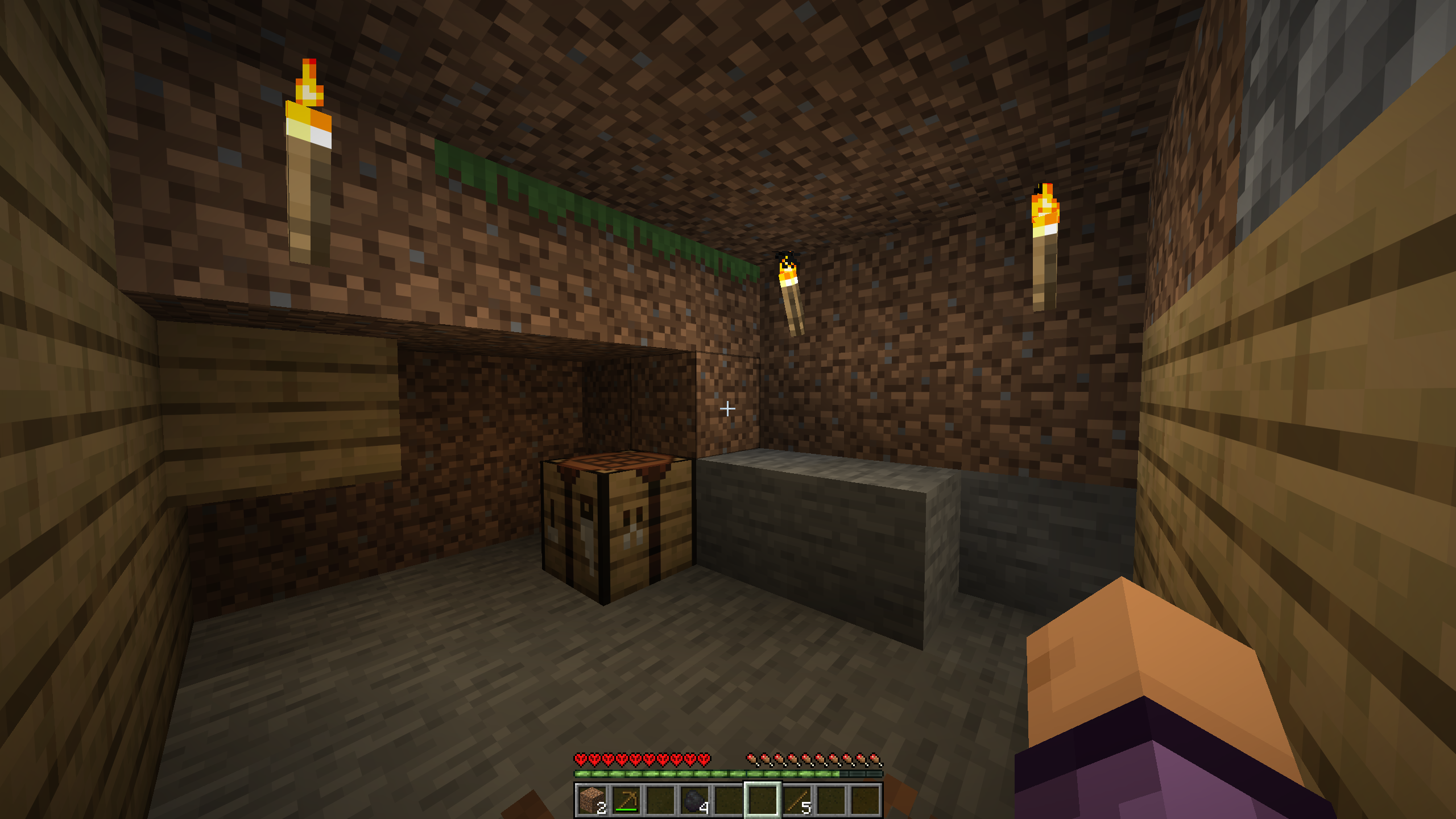
Early Hardcore should be slow and controlled. Your focus should be:
-
Safe shelter
-
Reliable food
-
Controlled lighting
-
Simple tools
There is no advantage in rushing iron or diamonds if it puts you in danger. Surviving longer is always better than progressing faster.
Ignoring Food and Hunger Management
Hunger is far more dangerous in Hardcore than most players expect. Running out of food during exploration or Combat often leads to panic, poor decisions, and death.
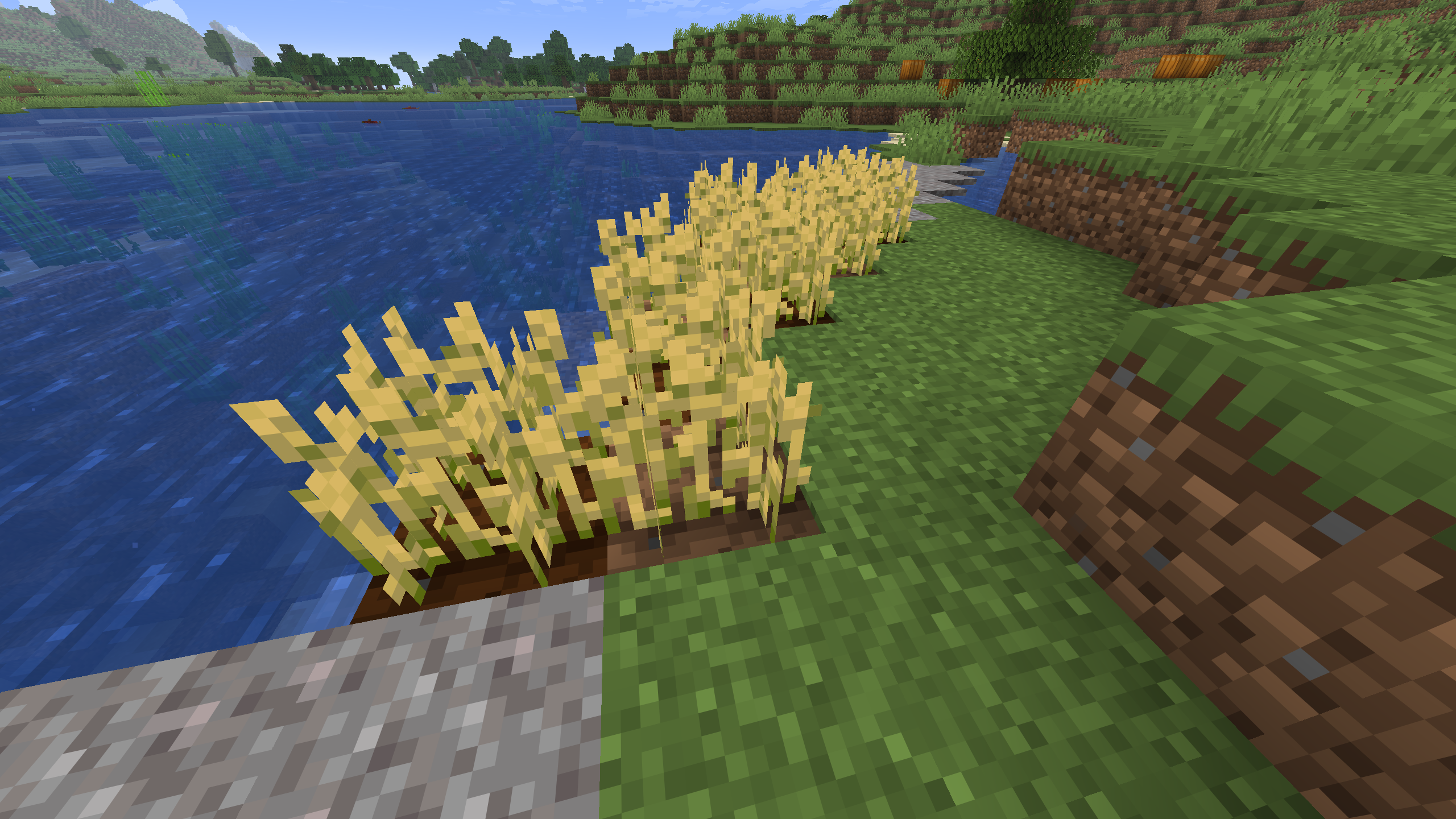
Common food mistakes include:
-
Exploring without backup food
-
Eating raw food early
-
Forgetting to farm
In Hardcore, you should always carry more food than you think you need. Farming early is not optional—it is survival insurance.
Underestimating Fall Damage
Fall damage is one of the most common Hardcore death causes, especially in the early and mid game.
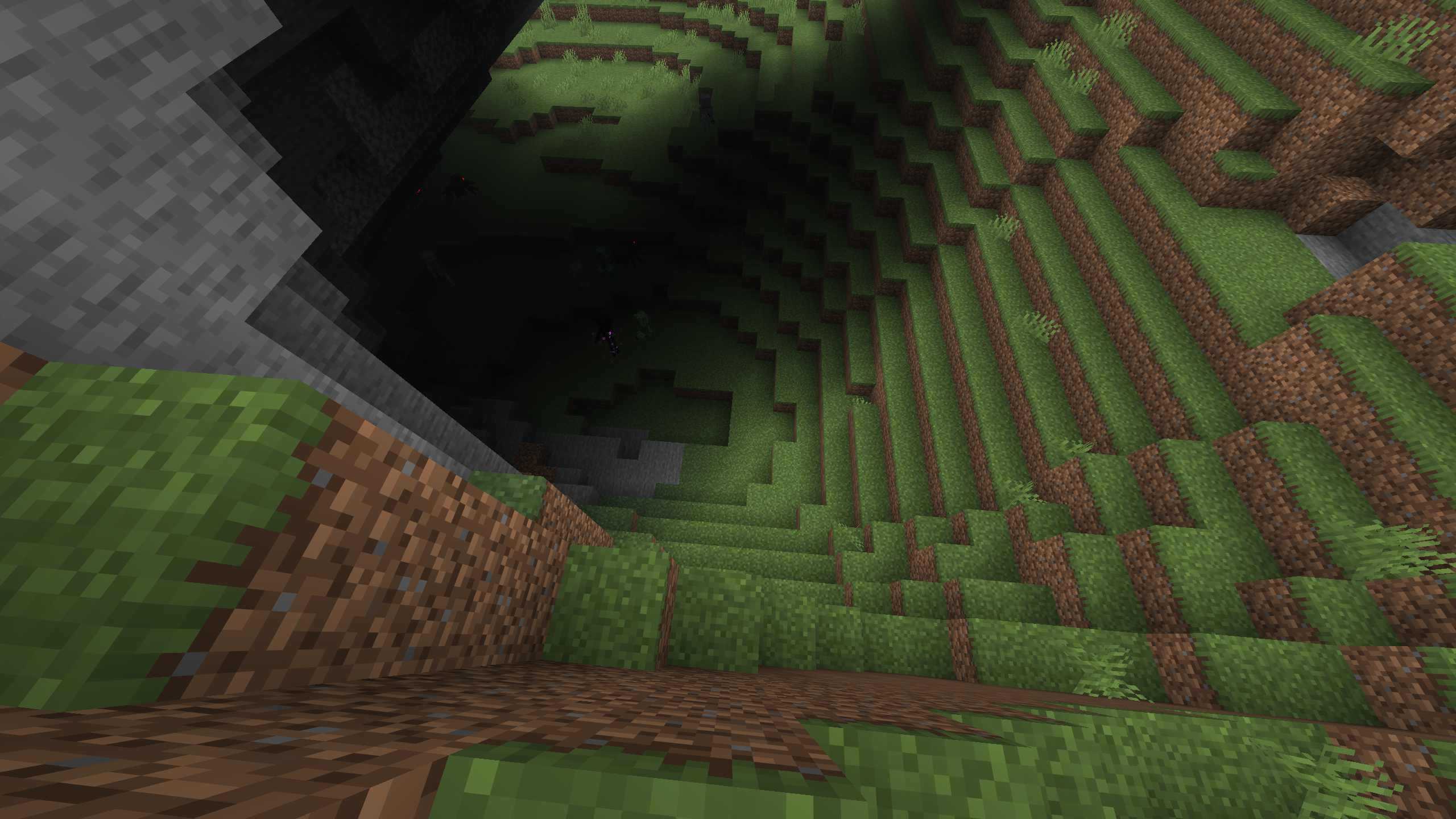
Players often die because they:
-
Jump into caves without checking depth
-
Sprint on cliffs
-
Miss ladder placements
-
Forget water buckets
In Hardcore, vertical movement should always be slow and planned. Water buckets, scaffolding, and staircases save more Hardcore worlds than weapons ever will.
Fighting Mobs Without Preparation
Combat in Hardcore is never casual. Even basic mobs can end a world if you fight them unprepared.
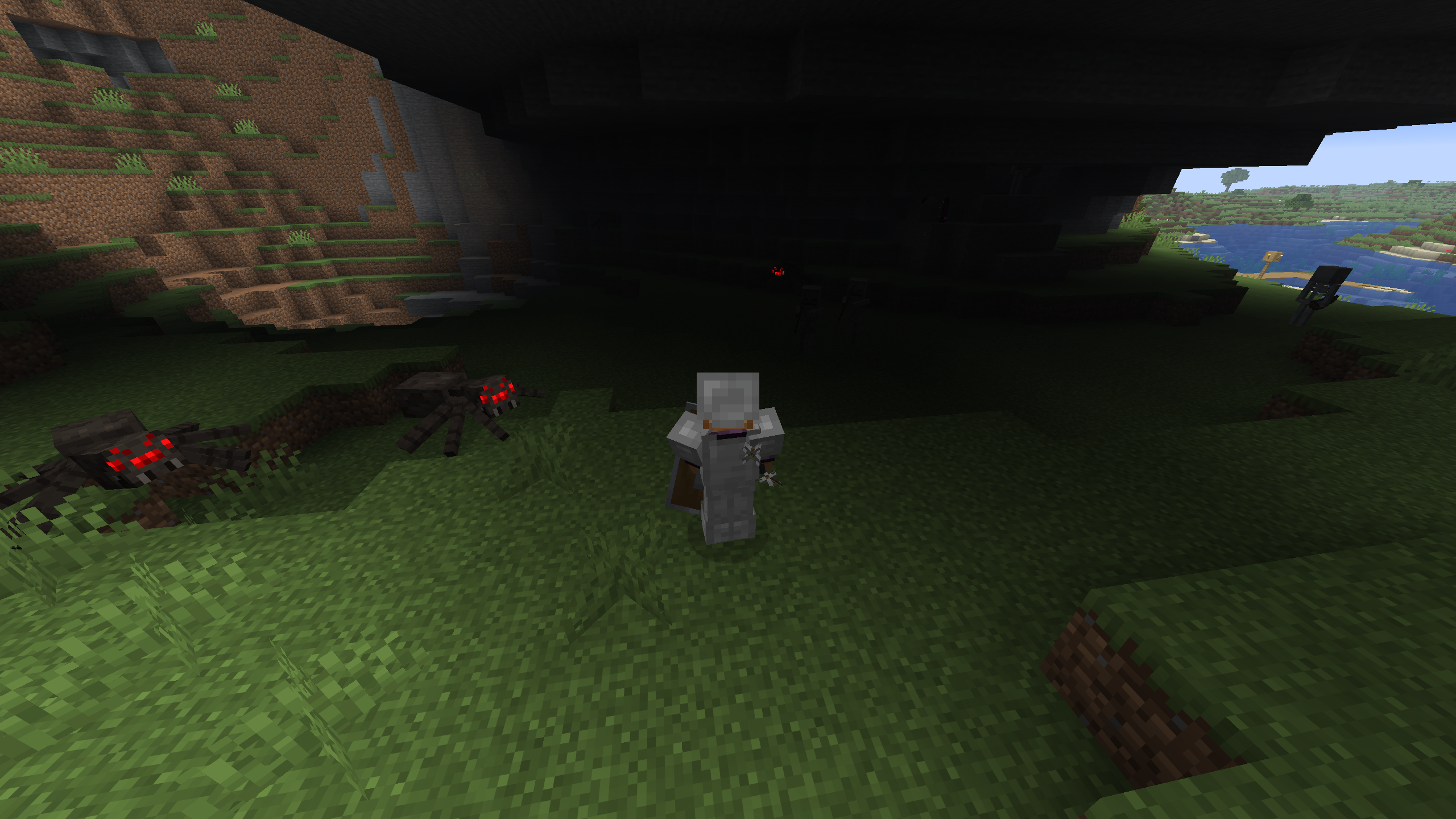
Common combat mistakes:
-
Fighting at night without armor
-
Ignoring skeletons
-
Attacking creepers in tight spaces
-
Fighting multiple mobs at once
Hardcore combat is about avoidance first, fighting second. Lighting areas, sleeping early, and controlling mob movement are safer than trying to win every fight.
Not Using a Shield Early
Many players delay crafting a shield because they focus on weapons or armor. In Hardcore, this is a major mistake.
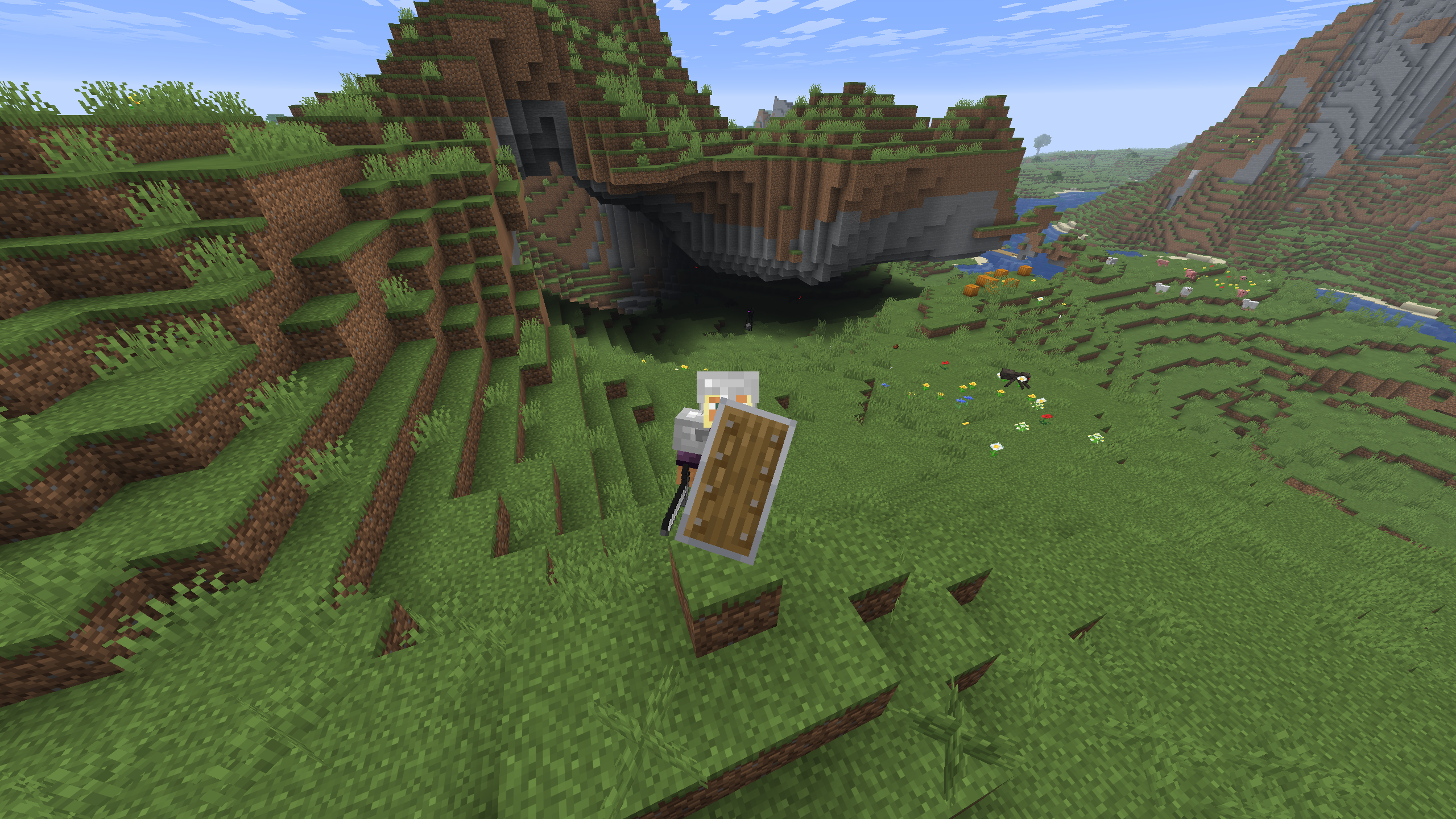
A shield:
-
Blocks skeleton arrows
-
Reduces creeper explosion damage
-
Buys time during panic moments
Crafting a shield as soon as iron is available dramatically increases Hardcore survival chances. It is one of the most important early items.
Mining Too Deep Too Soon
Mining is necessary, but deep mining early in Hardcore is extremely risky.
Early Hardcore mining mistakes include:
-
Digging straight down
-
Exploring large caves without armor
-
Ignoring lava sounds
-
Mining while low on food
Early mining should be shallow and controlled. Strip mining or stair-style mining is far safer than jumping into open cave systems.
Exploring Without a Plan
Exploration feels exciting in Hardcore, but it’s also one of the fastest ways to die.
Players often explore:
-
Without a bed
-
Without food
-
Without marking their path
Getting lost or dying far from your base often ends Hardcore worlds not because of danger, but because of exhaustion and bad recovery decisions.
Every Hardcore exploration trip should have a goal and a return plan.
Carrying All Valuables at Once
In normal survival, dying with items is annoying. In Hardcore, it’s irrelevant—you lose everything anyway.
But carrying all valuables at once leads to riskier behavior. Players feel pressured to protect items instead of playing safely.
In Hardcore, store valuables frequently. Only carry what you need. Less pressure means better decisions.
Building Unsafe Bases
Many Hardcore bases look good but are dangerous.
Unsafe base mistakes include:
-
No proper lighting
-
Open rooftops
-
No fences or walls
-
Mob-accessible entrances
Your Hardcore base should prioritize safety first. A boring safe base is better than a beautiful risky one.
Playing While Tired or Frustrated
This may sound simple, but it’s extremely important. Most Hardcore deaths happen when players are tired, rushed, or frustrated.
Poor decision-making increases when you:
-
Play too late
-
Try to “fix” a mistake quickly
-
Get emotional after close calls
Hardcore rewards calm thinking. If you feel rushed or annoyed, it’s better to log off and continue later.
Overconfidence After Early Success
Surviving early Hardcore days can create false confidence. Players feel safe and start taking risks again.
This is often when worlds end.
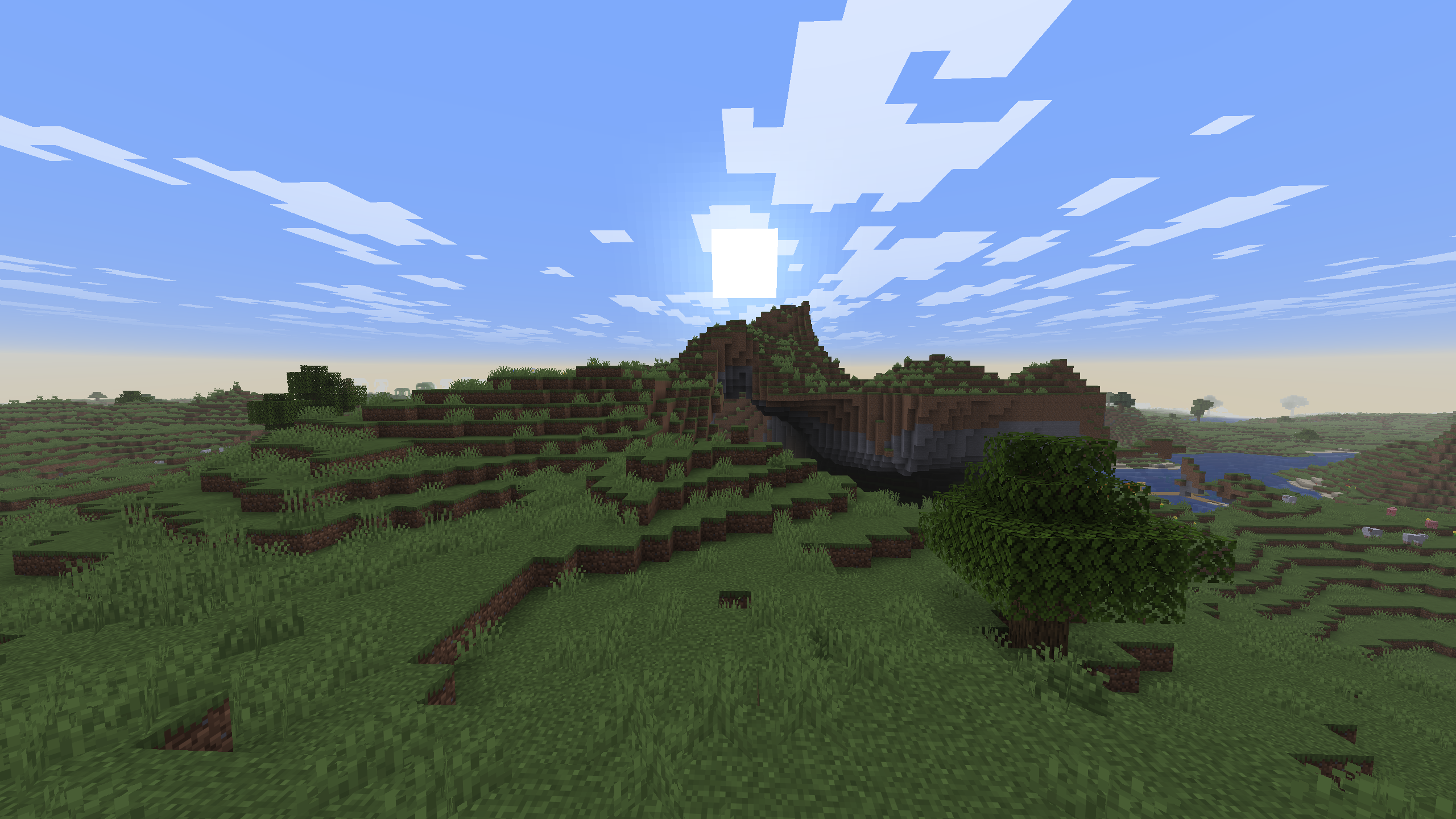
Hardcore danger never disappears. The game stays unforgiving from start to finish. Staying cautious even after progress is what separates long-lasting Hardcore worlds from short ones.
Thinking Hardcore Is About Skill Alone
Hardcore is not just about combat skill or fast reactions. It’s about:
-
Planning
-
Awareness
-
Patience
-
Risk management
Many skilled players lose Hardcore worlds because they underestimate simple dangers. Playing smart always beats playing fast.
Final Thoughts
Most Hardcore deaths are not dramatic. They are quiet, avoidable mistakes that happen because players forget they only have one life.
Hardcore survival becomes much more enjoyable when you slow down, respect danger, and accept that progress takes time. The goal is not to prove skill—it’s to build a world that lasts.
If you treat Hardcore as a long-term journey instead of a challenge run, your survival chances increase dramatically.
Sometimes, the smartest Hardcore move is simply choosing not to take the risk.